Bootstrap
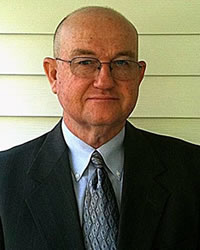
Gary Shepard

Partakers of the Divine Nature

2 Peter 1:4
Gary Shepard October, 25 2006 Audio
0 Comments
Gary Shepard
Gary Shepard October, 25 2006
2 Peter 1:4 Whereby are given unto us exceeding great and precious promises: that by these ye might be partakers of the divine nature, having escaped the corruption that is in the world through lust.

Sermon Transcript

Auto-generated transcript • May contain errors

100%
I want you to turn tonight to
2 Peter and the first chapter. And I'll begin reading in verse
1. 2 Peter chapter 1, verse 1. Simon Peter, a servant and an
apostle of Jesus Christ, to them that have obtained like precious
faith with us through the righteousness of God and our Savior Jesus Christ. Grace and peace be multiplied
unto you through the knowledge of God and of Jesus our Lord,
according as His divine power hath given unto us all things
that pertain unto life and godliness, through the knowledge of Him
that hath called us to glory and virtue, whereby are given
unto us exceeding great and precious promises. that by these ye might
be partakers of the divine nature, having escaped the corruption
that is in the world through lust." Now, I want to call back your
attention to a phrase that is found in
this fourth verse. He says that ye might be partakers
of the divine nature. That phrase, partakers of the
divine nature, is a phrase that is very often
quoted. but it is rarely quoted in the
verse or in the context of this chapter. I don't want to be among those
of whom it is said in Scripture that they handle the Word of
God deceitfully or craftily. I don't want to do that even
with the best intentions. I don't want to run to a phrase
or even a verse in Scripture and use it to support a notion
or an idea or a doctrine that I already believe. Whatever this means, It means
so in this verse. It means what it means in light
of the context of this chapter and book. And it means what it
means in light of all the Scriptures. But it would be wrong, at least
in my understanding, it would be wrong for me to take this
verse or this phrase and use it in support of even a true
doctrine, if that's not what it's in reference to in this
text. Now, it's not my purpose in this
tonight to try and show what happens to a sinner when they
are born of God. They must be born of God. They must be born from above,
born of the Spirit of God, born again, and that involves more
than I am able to explain or understand. Sometimes there's a controversy
over how many natures the believer has after they are born again. But rather than debate over the
mysterious, I believe that the Lord would have us to delight
in the obvious. And what we find, I believe,
in this context is very obvious if we look at it in this context. You see, the new birth, as Christ
clearly showed us and demonstrated, is mysterious. It is an unseen
work. And He likened it to the wind
which sovereignly blows where it will and accomplishes a great
work. What does this phrase, though,
in this text mean, partakers of the divine nature? Well, the first thing that I
would say here tonight in this is that Peter is here talking
about faith. He is talking to believers. If you look back in verse 1,
he describes them as those that have obtained like precious faith
with us through the righteousness of God and our Savior Jesus Christ. They didn't get righteousness
because they believed. But that faith by which they
believed on Christ was the result of Christ having brought in and
established an everlasting righteousness. But they are believers. And then
if you notice immediately in the fifth verse, after verse
4, he continues by saying, and beside this, giving all diligence,
add to your faith. Add to your faith. Demonstrate
your faith, if you will. Add to your faith virtue, and
to virtue knowledge, and to knowledge temperance, and to temperance
patience, and to patience godliness, and to godliness brotherly kindness,
and to brotherly kindness charity. For if these things be in you
and abound, they make you that ye shall neither be barren nor
unfruitful in the knowledge of our Lord Jesus Christ." He says, add to your faith. these things. And Peter is saying
here that these that God has given this precious faith to,
he says, they have also been given all things that pertain
unto life and godliness through the knowledge of Him. That is, through the knowledge
of Christ. And he is not simply talking
here about knowing about Christ, or knowing things about Christ,
or having intellectual knowledge of Christ as we find it written
in the Scriptures, although all those things are essential. But
he's talking about the knowledge of Christ. In other words, all
of you here in this building, I know things about you. But more than that, I know you. I know you. And he says, he has
given us exceeding great and precious promises. Now, what in the world would
they be? What could ever fit that description
here in the New Testament except it be those exceeding great and
precious promises of the gospel? He's given us the gospel. He's given us this good news. He's given us the word of the
truth. And it is the Word, the revelation,
the declaration of all these exceeding great and precious
promises, he says, that are yes and amen in Christ. They are every one, every promise
of God, which are all summed up as the promise, all the promises
of God are yes and amen in Christ. They are exceeding great and
precious promises. They are the very promises that
precious faith lays hold of and believes. Now, notice the language here.
Here in verse 4, Peter says that by these. Do you see that? Whereby are given unto us exceeding
great and precious promises, that by these, by these promises,
by these promises that are given us, by God, by the authority
of God in the Lord Jesus Christ, according to His power, these
promises, believing them, ye might be, that by these ye might
be, not that you have been. They had been born again. They
had already experienced that new birth from above that is
made evident by faith. How do we know they were born
again? Because, he said, they believed. They had like precious
faith that ye might be by these exceeding
great and precious promises partakers of the divine nature." Now, whatever that means, that
means it connected with the rest of that verse and the rest of
that text, but especially as it is connected to these exceeding
great and precious promises. One Greek writer said of that
word, partaker, that more correctly it says, may become, that ye
may become partakers of the divine nature, the Word conveying the
idea of growth. There's no growth in the new
birth. You're either dead or you're
alive. You don't grow into life, you're
dead, and the Spirit of God must come to where we are and make
us alive. But he says here that you may
become. You see, in fellowship and in
communion with God, there is growth. Absolutely. Peter talks about
us growing in the grace and knowledge of the Lord Jesus Christ. And
we are given these exceeding great and precious promises that
by them we might become, that we might grow, that we might
be partakers of the divine nature. Now, what does that word partaker
mean? I'm going to give you as I found
it in what I have to look at and work with. And it surely
is from persons far more able to say than myself. But I'll
give you the four words that were given the most often in
defining that actual word partaker. A partner. Partaker. A partner. Here's the
other word. Fellowship. Fellowship. Here's another one. This word partaker and partner. Partner. You see, this word is used as
it is here ten times in the New Testament. And oftentimes I've
found in my experience that the best way sometimes to find out
what a word really means is to find out if you can where else
it is used in the New Testament and go there and see what it
means. Because sometimes a word, by
strictly its definition, does not mean what it means in the
Bible. Ten times. All right? Turn over to Matthew 23. Matthew 23 and verse 30. I'm going to give you every one
of them. Matthew chapter 23. and verse 30, and say, if we had been in the
days of our fathers, we would not have been partakers with
them in the blood of the prophets. The Pharisees said to Christ
and everybody else, if we had lived in the days of the prophets
when our fathers killed the prophets, We would not have been partakers
in their deeds. We would not have been companions
with them in what they did. We would not be in agreement
with what they did. All right? Look over in Luke
chapter 5. Luke chapter 5, and look down,
if you will, in verse 10. And so was also James and John,
the sons of Zebedee, which were partners, partners with Simon. And Jesus
said unto Simon, Fear not, from henceforth thou shalt catch men. as being partners with Simon
or Peter. They were companions. They were
partners in this business of fishing. All right? Look over, if you would, in I
Corinthians chapter 10. I Corinthians chapter 10, and
look down in verse 18, Behold Israel after the flesh,
are not they which eat of the sacrifices partakers of the altar?" And in this same chapter, down
in verse 20, But I say that the things which the Gentiles sacrifice,
they sacrifice to devils and not to God, and I would not that
you should have fellowship with devils. I would not that you have fellowship
with devils. Look over in 2 Corinthians and
the 1st chapter, down at verse 7. Here it is again. And our hope of you is steadfast,
knowing that as you are partakers of the sufferings. In other words, he says they
were participating in and enduring And they were having fellowship,
if you would, in these sufferings that were common to them all. So shall ye be also of the consolation. The Lord's people, partakers
of the same suffering, but at the same time, partakers of the
same consolation in Christ Jesus. Look over in chapter 8 of 2 Corinthians. 2 Corinthians chapter 8 and verse
23. Whether do any inquire of Titus,
he is my partner and fellow-helper. Partner and fellow-helper concerning
you or our brethren be inquired of, they are the messengers of
the churches and the glory of Christ." He's my partner. He's a fellow laborer. All right,
look over in Philemon, the little book of Philemon, just before
Hebrews. Philemon, and in that seventeenth
verse, Paul, writing here, says in verse 17, "'If thou count
me therefore a partner, receive him as myself.'" If you
count me as a partner. If you count me as one that you
have fellowship with. receive Him as myself. All right? Here's another one.
Hebrews chapter 10. Hebrews chapter 10 and verse
33. Partly whilst ye were made a
gazing stock, both by reproaches and afflictions, and partly whilst
ye became Companions. Companions of them that were
so used. That's what the word is there.
Companions. And then if you look in 1 Peter
and the 5th chapter, 1 Peter chapter 5, here it is in verse
1, the elders which are among you I exhort, who am also an
elder, and a witness of the sufferings of Christ, and also a partaker
of the glory that shall be revealed." And then the other time is our
text. where he speaks of these believers
through these exceeding great and precious promises that ye
be partakers of the divine nature. It would seem by the definition,
and even more so by its usage, everywhere in the New Testament,
that being made a partaker of the divine nature, here means
having fellowship with God in the Lord Jesus Christ. Having fellowship with God in
Christ through these exceeding great and precious promises. You see, partaker has as a definition
also those who have joint participation in. And the only way that you or me or any son or
daughter of Adam can ever have any joint participation with,
companionship to, be a partaker with, the living God is in Jesus
Christ. And the only way we can have
any fellowship with Him is in what we find revealed of Him
in these exceeding great and precious promises of the gospel. You see, we are not able to have
fellowship with God in ourselves Nor are we made so in regeneration
by ourselves. No, in regeneration. Whatever
else might take place in us, to us, we are given faith. to believe these gospel promises
and to have fellowship with God in the light of them in Christ. The Bible says that God is love. And our day we have to qualify
that. Son, but it does say that God
is love. And love desires fellowship with
the loved and from the loved. Wouldn't that be right? Love,
if it's real love, love wants to have fellowship with the loved
and from the loved. A reciprocating relationship. God loves believers in Christ. And this is not only God loving
believers in Christ, but believers loving God in Christ. You see, fellowship is a kind
of a two-fold thing in this matter of fellowship with God. It's
a fact. And it's an experience. Since fellowship with God is
this objective reality, if we could say that, and at the same
time a subjective realization of it, in order for us to view it aright,
both those things have to be considered. Do we have fellowship
with God objectively? Yes, in Christ. in our experience,
yes, in Christ. You see, fellowship with God
is not only the exchange of feeling between God and His people, but
it's at the same time the realization of this gracious relationship
upon which it takes place. You see, nobody has fellowship
with God, and God has no fellowship with anybody except on this basis
in the Lord Jesus Christ. Always in Christ. Always. And our fellowship with Him is
based on a covenant relationship that He Himself established before
the foundation of the world. We didn't initiate. He did. One old writer said it like this,
and it's true. We became partakers of the divine
nature as a fact by vital union to Christ. If I'm in Him, in that sense,
I am a partaker of the divine nature. And we become so consciously
through the influence exerted by the Spirit on the life received
at our regeneration by means of the gospel, here called the
exceeding great and precious promise, a part of the divine
message which is put as the whole. exceeding great and precious
promises. Because the Lord, He not only is interested in
this gospel, He makes us interested. You know, it almost sounds too
much to say, but if we say, Have anything in common? Yes. His Son. His gospel. His gospel. If it weren't for
what I find in the gospel, I wouldn't have any fellowship with God.
Couldn't have any fellowship with God. Wouldn't know anything
about God. wouldn't know anything about
myself." You see, both God and His people
are interested in Christ. He is suitable to God, and He
is suitable to us. He meets the needs of God, and
He meets our needs. He meets the needs of God in
His holiness, satisfies His justice, establishes His righteousness.
He meets my need as a sinner. He satisfies God. And He satisfies
us. This is what fellowship with
God is about. It becomes almost mystical sometimes
when you hear people talking about But our fellowship with
God is in Christ based on these wonderful gospel
promises and revelations of Christ. The Bible says God first trusted
in him, and we trust in him. God, do you trust your Son? Absolutely. I do too. As a matter of fact,
when I read in Scripture all these great and precious promises
in Christ, and I find the Scriptures telling all about who He is,
and all about what He's done, and all about who He's done it
for, I find myself in complete agreement with that. Doesn't the Scripture say, can
two walk together except they be agreed? God agrees that His Son is all. I do too. I can't, as far as my own personal
nature, as far as God's own personal essence and nature, I could never have fellowship
with Him on that basis. But in the Gospel, in His Word, in these promises,
God finds His rest in Christ, and so do we. He looks to Christ as everything
in salvation. I do too. See what I'm saying? It's not a mystical thing. It's
not a real complicated thing. And regardless of whatever it
might teach in this book about regeneration or a new nature,
whatever it is, I don't think that's what it's talking about
here. I think it's talking about something that is as clear as how we have fellowship with
God. We have fellowship as a fact
based on what Scripture says that Christ did. And we have fellowship as an
experience with God when we are made to see more of Him in the gospel. He looks to Christ. we look to
Christ. He meets God's needs, and He
meets our needs. And this has something to do
with having Him in common with God. People, you know, they own the
job, and they're out here in this world, and they say, well,
I just, I can't really have any fellowship, or I can't really
have a friendship with him or her. We just don't have anything
in common. But you just let them get one
thing. that they both really like a hobby or a music. You just let them get one thing,
and all this other kind of passes away, and they have their best
buddy. Why? Because they have something
in common. And God and His people agree
on all the things that are declared, that are given witness to and
revealed in this gospel, these exceeding great and precious
promises. Someone said it's a fellowship
of relationship in Christ, for His God and Father is the same
as ours. It's a fellowship of nature since
He assumed ours and suffered in it and now lives in it in
glory. It's a fellowship of delight
in the Father whom He loves and whom He brings us also to know
and to love. It's a fellowship with His acquired
possessions Therefore, we are joint heirs with Him. And the cause of God, which was
so important and dear to Him, is of great interest to us. And we have fellowship with His
sufferings, and we are to share in His glory. You know, people find it really
easy to be so dogmatic in a lot of things that the Bible is so
mysterious about. They find it easy sometimes to
take texts of Scripture to prop up their notions. I'm
not saying they are not. But this has to do with fellowship
with God. And that's the only way that
we'll ever and ever have escaped the corruption that is in this
world through lust, and that is to be in Christ, saved by
Christ, and to have fellowship with God. in Christ. We enter, now listen to this,
we enter into God's thoughts and God's feelings when we enter
into them as they pertain to Christ in whom we are both interested. I'm interested in Christ. I'm
a pitiful example. I'm a pitiful friend. Abraham, friend of God. How in the world could a man
who's a liar get all these things, surely
as much fallen humanity as the rest of us? How could he ever
be a friend of God? How could he ever have fellowship
with God? In Christ. In that Promised One
that he looked to and was reminded of every time he offered that
sacrifice, built, raised up that altar and worshipped God. That's
how he had fellowship with God. by the Spirit's work revealing
to us, showing to us the things of Christ, revealing these exceeding
great and precious gospel promises that are in Christ to us. whereby are given unto us exceeding
great and precious promises, that by these, that by these, ye might be partakers of the
divine nature. Find fellowship with God, who
is exactly the opposite of our nature, as one who has the same
nature. Find fellowship and companionship,
communion, if you will, with God, who by nature desires things very different than we
desire by nature, but have fellowship with Him as those who desire
the same things. That's what I want to be, a partaker of the divine nature. That's who I want to have fellowship
with, be a companion with, the living God. And it's only by beholding His
glory in the face of Jesus Christ. He's the one thing. that by the
grace of God, me and God have in common, can fellowship around, gather around, if you will. I know it's His Spirit that has to give us the faith
to believe these promises. And I certainly don't want to
minimize that work of regeneration, even though I can't explain it
all. But I want to experience this
also. Fellowship with the divine person, the divine
persons of the Godhead in Jesus Christ. Our Father, tonight we give You
glory. We pray for grace that we might speak only what
You say, not more and not less. That we might declare what we
say, knowing that no scripture is of any private interpretation. We pray that you would quicken
us, that you would help us to see,
give us that faith to look to Christ, to worship you around
Christ, to rejoice with you in Christ, to have fellowship with
you concerning the things of Christ. Help us, we pray. Give us strength
and grace to live for your glory. Take your Word and feed our souls. We thank you and we pray in the
name of Christ. Amen.
Gary Shepard
About Gary Shepard
Gary Shepard is teacher and pastor of Sovereign Grace Baptist Church in Jacksonville, North Carolina.

Comments

0 / 2000 characters
Comments are moderated before appearing.

Be the first to comment!

Joshua

Joshua

Shall we play a game? Ask me about articles, sermons, or theology from our library. I can also help you navigate the site.