Little sins By J. R. Miller Anyone who breaks one
of the least of these commandments and teaches others to do the
same will be called least in the kingdom of heaven. Matthew
chapter 5 verse 19 A great many people are careful about breaking
large commandments and committing heinous sins while they commit
little sins continually and without scruple. They would not tell
a direct lie for the world, but their speech is full of little
falsehoods. They would not steal money from
the purse or drawer of another, and yet they continually commit
small thefts. For example, by mistake, the
grocer gives them a penny too much change, and they do not
think of returning it. Through the carelessness of a
postal worker, the postage stamp on a letter is left uncancelled,
and they take it off and use it a second time. They would
not purposely try to blacken a neighbour's name or destroy
his character, and yet they repeat to others the evil whispers about
him which they have heard, and thus soil his reputation. They would not swear or curse
in the coarse way of the ungodly, but they are continually using
minced oaths such as gosh, geese, heck, and other culturally accepted
substitutes for overt swearing. They would not do flagrant acts
of wickedness to disgrace themselves, but their lives are honeycombed
with all kinds of little meannesses, impurities, selfishnesses, and
bad tempers. We need to remember that little
disobediences harm our witness for the kingdom of heaven. Little
sins mar the beauty of our character. Then, little sins are sure to
grow. The trickling leak in the dike
becomes a torrent deluging vast plains. Ofttimes, too, little
sins are infinite in their consequences. We ought never to indulge even
the smallest faults or evil habits, but should aim always at perfection
of character, and perfection is made up of littles. Editors
note, minced oaths are used to avoid blatant swearing when expressing
surprise or annoyance. Minced oaths are usually, although
not exclusively, religious in nature, and date from the days
when it was irreverent and unacceptable to use the name of God, Jesus,
or other sacred words in everyday speech. To mince your words means
to choose words so as not to offend anyone except for God,
who sees them as blasphemy. I have been reading the older
books for some 45 years, and never once have I come across
a minced oath. Nowadays, most all-professing
Christians use minced oaths on a regular basis. You shall not
take the name of the Lord your God in vain, for the Lord will
not hold anyone guiltless who takes His name in vain. Exodus
chapter 20 verse 7
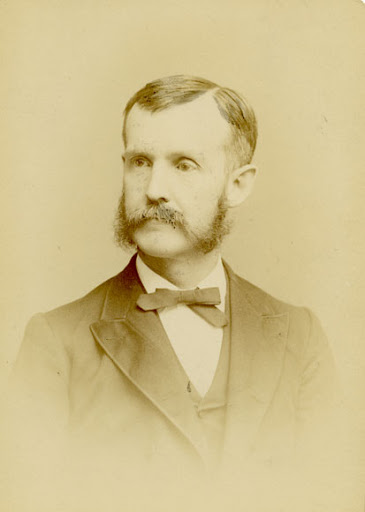
About J.R. Miller
James Russell Miller (20 March 1840 — 2 July 1912) was a popular Christian author, Editorial Superintendent of the Presbyterian Board of Publication, and pastor of several churches in Pennsylvania and Illinois.
Comments
Your comment has been submitted and is awaiting moderation. Once approved, it will appear on this page.
Be the first to comment!