Bootstrap
John Bunyan

27. Ignorance Rejoins the Pilgrims

1 Peter 2:11; Matthew 7:13-14
John Bunyan September, 16 2017 Audio
0 Comments
We have published John Bunyan's "Pilgrim's Progress" in modern English. As you listen to this professionally read audio, you can also read along with the text here:
http://www.gracegems.org/pilgrims_progress.htm#..., where you can purchase additional superb audios at very reasonable prices.

Sermon Transcript

Auto-generated transcript • May contain errors

100%
Ignorance rejoins the pilgrims. Then I saw in my dream that Hopeful looked back and saw Ignorance, whom they'd left behind, following after them. Look, he said to Christian, Ignorance is still lagging behind us.

Christian. Yes, yes, I see him. He does not care for our company.

Hopeful. It would not have hurt him had he stayed with us thus far.

Christian. That is true, but I guarantee he thinks otherwise.

Hopeful. I agree. However, let's wait for him. So they did. Then Christian called to Ignorance. Come, join us. Why do you stay so far behind?

Ignorance. It pleases me to walk alone, rather than in company, unless, of course, the company suits me better."

Then Christian whispered to Hopeful, "'Did I not tell you that he did not care for our company?' Then calling out to Ignorance, Christian said, "'Come up, and let us talk away the time in this solitary place. Say, how are you doing? How does it now stand between God and your soul?'

IGNORANCE. I hope well, for I am always full of good notions that come to my mind to comfort me as I walk.

CHRISTIAN. What good notions? Please tell us.

IGNORANCE. Why, I think of God and Heaven.

CHRISTIAN. So do the devils and damned souls.

IGNORANCE. But I think of them and desire them.

CHRISTIAN. so do many who are never likely to get to heaven. The soul of the sluggard desires and gets nothing.

Ignorance. But I think of God and heaven, and leave all for them.

Christian, that I doubt, for leaving all is a hard matter, yes, a harder matter than many are aware of. But why do you think that you've left all for God and Heaven?

Ignorance. Because my heart tells me so.

Christian. But, the wise man says, he who trusts in his own heart is a fool.

Ignorance. That was spoken of an evil heart, but mine is a good one.

Christian. But how do you prove that?

IGNORANCE. It comforts me in hopes of heaven.

CHRISTIAN. That may be through your heart's deceitfulness. For a man's heart may minister comfort to him in the hope of heaven, and yet be a false hope.

IGNORANCE. But my heart and my life agree together, and therefore my hope is well grounded.

Christian, who told you that your heart and life agree together?

Ignorance. My heart tells me so.

Christian, your heart tells you so. Except the word of God bears witness in this matter, any other testimony is of no value.

Ignorance. Is it not a good heart, which has good thoughts, and is it not a good life, which is according to God's commandments?'

Christian. Yes, that is a good heart, which has good thoughts, and that is a good life, which is according to God's commandments. But it's one thing indeed to have a good heart and life, and it's another thing only to think so.

Ignorance. Tell me, please, what you think are good thoughts and a life according to God's commandments.

Christian There are good thoughts of many kinds, some respecting ourselves, some of God, some of Christ, and some of other things.

IGNORANCE. What are good thoughts respecting ourselves?

CHRISTIAN. Such as agree with the word of God.

IGNORANCE. When do our thoughts of ourselves agree with the word of God?

CHRISTIAN. When we pass the same judgment upon ourselves which the word passes. To explain myself, The Word of God says of people in their natural condition, there's none righteous, there are none who do good. It says also that every imagination of the heart of man is only evil, and that continually. And again, the imagination of a man's heart is evil from his youth. Now then, when we think thus of ourselves, then our thoughts are good ones, because they're according to the Word of God.

IGNORANCE
I will never believe that my heart is that bad.

CHRISTIAN
Therefore you never had one good thought concerning yourself in all of your life. But let me go on. As the word passes a judgment upon our heart, so it passes a judgment upon our ways. When our thoughts concerning our hearts and our ways agree with the judgment which the word gives of both, then are both good because they are in agreement with the word of God. Ignorance. Explain what you mean by this.

Christian.
Why, the word of God says that man's ways are crooked and perverse and not good. It says that no one seeks God, but all have turned away from him. Now when a man sincerely thinks thus of his ways, and with heart humiliation, then his thoughts now agree with the judgment of the word of God.

IGNORANCE

Further, what are good thoughts concerning God?

Christian, just as I have said concerning ourselves, when our thoughts of God agree with what the Word says of Him, that is, when we think of His being and attributes just as the Word teaches, of which I cannot presently discourse at length, to speak of Him with reference to ourselves

We have right thoughts of God when we understand that He knows us better than we know ourselves, and can see sin in us when and where we can see no sin in ourselves. Also, we realize that He knows our innermost thoughts. that our heart, with all its depths, is always open before his eyes. Also, when we think that all our righteousness is a stench in his nostrils, and that therefore he cannot endure to have a stand before him in any self-confidence, even in all our best duties.

Ignorance.
Do you think that I am such a fool as to imagine that God can see no further than I can, or that I would come to God in the best of my duties?

Christian.
Well, what do you think concerning this matter?

Ignorance.
Why, to be brief, I think I must believe in Christ for justification.

Christian.
How can you believe in Christ when you do not see your need of Him? You neither see your original nor actual sins. You have such a high opinion of yourself and of what you do, so that you never see the necessity of Christ's personal righteousness to justify you before God. How then can you say that you believe in Christ?" Ignorance.
My beliefs are fine, in spite of all you have just said.

Christian.
What exactly then do you believe?

Ignorance.
I believe that Christ died for sinners, and that I shall be justified before God from the curse through His gracious acceptance of my obedience to His law. To state it another way, Christ makes my religious duties acceptable to His Father by virtue of His merits, and so I shall be justified. Christian, let me give an answer to your beliefs on this issue. First, you believe with an imaginary faith for this faith is nowhere described in the word secondly you believe with a false faith because you trust that you're justified by your own righteousness rather than the righteousness of Christ thirdly your beliefs make Christ a justifier of your actions but not of your person you think that your person is justified for your actions sake which is false Therefore your faith is deceitful, even such as will leave you under divine wrath in the day of Almighty God's judgment. For true, justifying faith causes the soul, being sensible of its lost condition by the law, to flee for refuge unto Christ's righteousness. It is not that Christ graciously makes a person's obedience acceptable to God. But true faith accepts Christ's righteousness by His personal obedience to the law in doing and suffering for us what that law required at our hands. The soul thus covered in Christ's righteousness and presented as spotless before God is accepted by God and acquitted from condemnation.

Ignorance What, would you have us trust to only what Christ in his own person has done for us? This belief would loosen the reins of our lusts, and allow us to live any sinful way we desire. For what would it matter how we live, if we believe that we are justified by Christ's personal righteousness alone?

Christian, ignorance is your name, and as your name is, so you are. Your answer demonstrates what I say. You are ignorant of what justifying righteousness is. And just as ignorant how to secure your soul from the dreadful wrath of God through Christ's righteousness alone, yes, you're also ignorant of the true effects of saving faith, such as to submit the heart to God, to love His name, His word, His ways, and His people, and not as you ignorantly imagine.

Hopeful then joined in and asked, Ignorance—has God ever revealed Christ to your heart?"

Ignorance. What? You're a man for revelations. I think that what both of you and all the rest of your kind say is but the fruit of your disordered brains.

Hopeful. Why, sir, Christ is so hidden from the natural understanding of men that he cannot be savingly known, unless God the Father reveals him to them.

Ignorance, that is your belief, but not mine. My beliefs are as good as yours, though I do not have so many foolish notions in my head as you do.

Christian, allow me to put in a word. You ought not to speak of this matter so lightly. I will boldly affirm, even as my good companion has done, that no man can know Jesus Christ but by the revelation of the Father. Also, that faith by which a soul truly lays hold upon Christ must be wrought by the exceeding greatness of God's mighty power.

Poor ignorance, I perceive that you are ignorant of the working of this faith in your own soul. Be awakened then, see your own wretchedness, and flee to the Lord Jesus. By His divine righteousness alone can you be delivered from condemnation.

Ignorance! You go too fast. I cannot keep pace with you. Go ahead of me. I must stay behind for a while.

' Then they said,

Well, ignorance, will you yet foolish be
To slight good counsel ten times given thee?
And if you yet refuse it, you shall know before long
The evil of your doing so.
Remember, man, in time bow, do not fear,
Good counsel well taken saves, therefore hear.
But if you yet shall slight it, you will be the loser,
ignorance, I'll warrant thee.

Christian then addressed Hopeful. Come, my good fellow. I see that you and I must walk by ourselves again.

So I saw in my dream that they went on quickly, while ignorance lagged behind. Then Christian said to his companion, I feel much pity for this poor man. It will certainly go badly with him at the last. Alas, there are many in our town in his condition—whole families, yes, whole streets, and some claiming to be pilgrims also. If there are so many in our parts, how many do you think must there be in the place where ignorance was born?"

Christian. Indeed, the word says, "'He's blinded their eyes and hardened their hearts, lest they see with their eyes and understand with their hearts and turn, and I would heal them.' But now that we are by ourselves, what do you think of such men as ignorants? Do you think that they ever have real convictions of sin, and subsequent fears that their state is dangerous?

" Hopeful. "'Nay, I think you should answer that question yourself, for you are older in experience.' Christian. And I think that they may sometimes have convictions of sin, but, being naturally ignorant, they do not understand that such convictions tend to their good. Therefore they desperately seek to stifle them, and presumptuously continue to flatter themselves in the way of their own hearts."

Hopeful. I do believe, as you say, that fear tends much to men's good, to set them right at the beginning to go on pilgrimage.

Christian, without doubt it does, if it is a right fear, for so says the word, the fear of the Lord is the beginning of wisdom.

Hopeful, how would you describe the right fear?

Christian. True or right fear is manifested by three things. First, by its rise, it is caused by saving convictions for sin. Second, it drives the soul to lay fast hold on Christ for salvation. Third, it begets and continues in the soul a great reverence of God, His word and His ways, keeping the soul tender and making it afraid to turn from them to the right hand or to the left, to anything that may dishonour God, break its peace, grieve the spirit, or cause the enemy to speak reproachfully.

Hopeful. Well said. I believe you have explained the truth. Have we now almost gotten past the enchanted ground?

" Christian. Why, are you weary of this discourse?

Hopeful. No, truly. I would only like to know where we are.

Christian, we have less than two miles further to go, so let's return to our discussion. Now, the ignorant do not understand that such convictions which tend to put them in fear are for their good, and therefore they seek to stifle them.

Hopeful, how do they seek to stifle them?

So Christian explained. First, they think that those fears are wrought by the devil, though they are actually wrought by God, and thinking so, they resist them as things which directly tend to their overthrow. Secondly, They also think that these fears tend to the destruction of their faith, when alas for them, poor men that they are, they have no faith at all. So therefore they harden their hearts against them. Thirdly, they presume that they ought not to fear. Therefore, despite their fears, they increasingly become more presumptuous and self-confident. Finally, they see that those fears tend to take away their pathetic former self-righteousness, and therefore they resist them with all their might.

Hopeful. I know something of this myself, for before I truly knew myself it was the same with me.

Christian. Well, let us now leave our neighbour ignorance to himself and talk about another profitable question.

Hopeful. with all my heart, and you shall begin, Christian.

Well, then, did you know about ten years ago one named Temporary in your parts, who was then a prominent man in religion?

Hopeful. Know him? Yes. He dwelt in Graceless, a town about two miles away from Honesty, and he lived next door to a person named Turnback.

Christian. Yes. And he actually dwelt under the same roof with Turnback. Well, that man was once much awakened. I believe he then had some sight of his sins and of the wages which were due for them.

Hopeful. I agree. For my house, being less than three miles from his, he would often visit me with many tears. Truly I pitied the man, and had some hope for him. But, as you know, not everyone who cries, Lord, Lord, is saved." Christian. He once told me that he was resolved to go on pilgrimage, just as we are now doing. But all of a sudden he grew acquainted with one named save self, and then he became as a stranger to me.

Hopeful. Now, since we are talking about him, let us investigate into the reason of his sudden backsliding, and others like him. Christian, this may be very profitable, so please begin.

Hopeful. Well then, in my judgment, there are four reasons for backsliding. First, though the consciences of such men are awakened, yet their minds are not changed. Therefore, when the power of guilt wears off, then that which caused them to become religious ceases, and they naturally turn to their own sinful course again.

We see this illustrated in how a sick dog vomits what he has eaten, because it troubles his stomach. When his sickness is over and his stomach is eased, the desire for what he has vomited returns, and he licks it all up. And so, that which is written is true, the dog returns to his own vomit. They initially are eager for heaven, but only out of the fear of the torments of hell And when their sense of hell and their fears of damnation chill and cool, so their desires for heaven and salvation cool also. It then comes to pass that when their guilt and fear is gone, their desires for heaven and its happiness die, and they return to their sinful course again.

Another reason for backsliding is that they have slavish fears which overmaster them. I speak now of the fears that they have of men, for the fear of man brings a snare. Though they seem to be eager for heaven, so long as the flames of hell are about their ears, yet when that terror diminishes they begin to have second thoughts. They then think that it is wise not to run the hazard of losing all, or at least of bringing themselves into unavoidable and unnecessary troubles, and so they return to their worldly ways again.

Another stumbling-block which lies in their way is the shame which attends religion. They are proud and haughty, and religion is base and contemptible in their eyes. Therefore, when they have lost their sense of hell and the wrath to come, they return again to their former sinful course.

And finally, the feelings of guilt and meditation on terrifying things are grievous to them. They do not like to see their misery before they come into it, though perhaps if they truly believe the sight of their coming misery, it might make them flee where the righteous flee and are safe. as I hinted before, because they shun even the thoughts of guilt and terror, when once they are rid of their awakenings about the terrors and wrath of God, they gladly harden their hearts and choose such ways as will harden them more and more.

Christian, you are pretty near the root of the issue, which is their lack of a true change of mind and will. They are therefore like the felon who quakes and trembles before the judge, and seems to repent most heartily But the reason is his fear of the noose, not that he has any true remorse for his crime. This is evident, because if you let this man have his liberty, you continue to be a thief and a rogue, whereas if his mind and heart were really changed, he would be far otherwise."

Hopeful. I've shown you my reasons for their going back to their sinful course. Now please show me the path of their backsliding."

Christian. So I will, gladly. 1. They purposely draw off their thoughts from any remembrance of God, death and the judgment to come. 2. Then by degrees they cast off private religious duties such as closet prayer, curbing their lusts, watching, sorrow for sin and the like.

3. They then shun the company of enthusiastic and fervent Christians. 4. After that, they grow cold in public religious duties, such as hearing the word preached, reading the word, godly fellowship and the like.

5. They then begin, as we say, to pick holes in the coats of some of the godly, trying to find some blemish in them. They do so devilishly that they may have an excuse to throw religion behind their backs.

6. They then begin to associate and join themselves with fleshly, immoral and worldly men. 7. Then they give way to fleshly and immoral discourses in secret. They are glad if they can see such things in any who are reputed to be honest, for the example of these hypocrites emboldens them.

8. After this they begin to openly play with little sins. 9. Being hardened, they then show themselves as they truly are. Thus, being launched again into the gulf of misery they will everlastingly perish by their own deceptions unless a miracle of grace prevents it. you
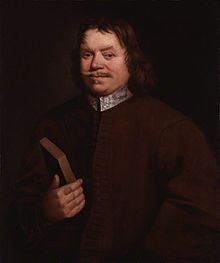
John Bunyan
About John Bunyan
John Bunyan (1628-1688) was a Puritan preacher best remembered as the author of the allegory The Pilgrim's Progress. In addition to The Pilgrim's Progress, Bunyan wrote nearly sixty titles.
Broadcaster:

Comments

0 / 2000 characters
Comments are moderated before appearing.

Be the first to comment!