Bootstrap
J.R. Miller

The Shepherd Psalm

Psalm 23
J.R. Miller February, 26 2010 Audio
0 Comments
Choice Puritan Devotional

Sermon Transcript

Auto-generated transcript • May contain errors

100%
THE LORD IS MY SHEPHERD. I SHALL
NOT BE IN WANT. HE MAKES ME LIE DOWN IN GREEN
PASTURES. HE LEADS ME BESIDE QUIET WATERS. HE RESTORES MY SOUL. HE GUIDES
ME IN THE PATHS OF RIGHTEOUSNESS FOR HIS NAME'S SAKE. Even though
I walk through the valley of the shadow of death, I will fear
no evil, for you are with me. Your rod and your staff, they
comfort me. You prepare a table before me
in the presence of my enemies. You anoint my head with oil. My cup overflows. Surely goodness
and love will follow me all the days of my life, and I will dwell
in the house of the Lord forever. Psalm 23 verses 1 through 6 The twenty-third psalm is the
most familiar passage in the Bible. It is the children's psalm,
memorized first of all the scriptures, by countless thousands. It is
the psalm of the sick room, dear to the hearts of sufferers, because
of the divine tenderness revealed in the words. It is the psalm
of the death-bed. Rarely does a Christian pass
from earth without repeating the words, Even though I walk
through the valley of the shadow of death, I will fear no evil,
for you are with me, your rod and your staff, they comfort
me. It is the psalm of old age. The Lord is my shepherd. Shepherd seems a homely name
for God, yet when we know the story of shepherd life in the
East, it is a very fitting name. The shepherd lives with his sheep. He guards them by night. He defends
them when they are in danger. He leads them out to find pasture. He takes the little lambs and
the weary ones in his arms and carries them. He seeks the lost
or straying ones. He even gives his life in protecting
them. When we know all this about the
Shepherd, we see how the name interprets God to us. The Lord
is my shepherd. It would not be the same to us
if the words ran, The Lord is a shepherd. He might be a shepherd
to a great many people, all that that rich word means, and yet
not be anything comforting to me. But if I can say with joy,
The Lord is my shepherd, I can sing the song through to the
end. The Lord is my shepherd. The present tenses of the Bible
are rich in their meanings. That is the way the promises
and assurances of the Scriptures are written. The Eternal God
is your refuge, not was. It might, then, have been true
a year ago, yesterday, but not to be true now. The other day
one was speaking of a person, and said, He used to be my friend. He was a great deal to me, did
much for me. I went to him with my perplexities,
my trials, my questions. But he is not my friend any more. He passed me yesterday on the
street, and did not even look at me. That is not the way with
God. The Eternal God is my refuge. Underneath are, not were, not
will be. That is too indefinite. Underneath
are the everlasting arms. The Lord is our refuge. Lo, I am with you always. My grace is sufficient for you. The Lord is my shepherd. There will never come a moment
when you cannot say this. Loved once is never said of Christ. He loves unto the end. I shall
not want. The other day a man said, I have
a good portion of money laid up for my old age, enough to
keep my wife and me as long as we expect to live. Yes, but that
is not a sure portion. Earth's bags all have holes. The writer of this psalm did
not say, I have plenty of good investments, therefore I shall
not want. This is what he said, The Lord
is my shepherd, and therefore I shall not want. When we have
God, there is nothing we may ever need that He cannot and
will not give us. When we do not have God, we are
pitifully poor, though we are millionaires. When we can say,
God is mine, we are rich. He makes me to lie down in green
pastures. Pastures are for nourishment.
In the East, the matter of provision was always a serious one. There was but little rain, and
oftentimes the fields were parched, so that pasture could not be
found. Then the shepherd would lead
his flock away, mile after mile, until they found in some quiet
nook, in some shaded valley, green, lush grass. but also is
implied in these words, he makes me to lie down in green pastures. The sheep are fed and satisfied,
and then they lie down to rest. We cannot go on for ever in strenuous
activities. And God is gracious and kind
to us, giving us many quiet resting places on the way. Night is one
of these places. We leave the toil and struggle
of the day, and draw aside to rest. Sometimes there are enforced
rests. He makes me to lie down in green
pastures. We do not want to rest. We think
our work needs us, that we would be losing time if we stopped
even a day. Then the Good Shepherd makes
us lie down, because he knows we need the rest to renew our
strength. Perhaps we are not doing our
work well, and the joy is fading out of our heart. One was speaking
the other day of a Christian man who was formerly a model
of patience, kindliness, and peace. He is growing irritable
and quarrelous, the man said. He has none of his old patience
with people. He seems cold and stern. He has
been living so strenuously, driven by his work, that he has grown
nervous and easily vexed. He needs to lie down in the green
pastures. Perhaps more of us need to be
made to lie down to feed and rest. Perhaps we are doing more
work, running to more meetings, giving more money, talking more
about religion, yet losing in peace, in sweetness of spirit,
which is the real test of spiritual life. The shepherd makes his
sheep lie down, that they may get rested and grow strong and
beautiful in their spirit. That is what the good shepherd
does with us sometimes, when we fall sick, for instance. We
think we have not time to rest, and yet he calls us aside and
draws the curtains and shuts us in. Notice, it is in the green
pastures that the shepherd makes his sheep lie down, and we find
our sick room a bit of pasture. A friend, who had been in the
hospital several weeks, and was convalescing, wrote, I have found
my little white cot here in this quiet room a bit of God's green
pasture. He never makes us lie down on
the rough hillside, or on the dusty road, or among the rocks. It is always in the soft rich
grass where we may feed while we rest. Be sure you do not miss
the blessing of sickness, of sorrow, of trial of any kind. God wants you to grow in sweetness,
in patience, in trust, in joy, in peace, in all gentleness and
kindness, whenever he makes you lie down in the green pastures. He leads me beside the still
waters. Green pastures suggest provision. The sheep must be fed. The streams
of water suggest drink. The flock must have water. So
the shepherd leads them to where the brooks flow. Often in the
Old Testament we have the picture of the shepherd watering his
sheep. Jacob found Rachel watering her
father's flocks at the well. Moses found his future wife drawing
water for the flocks of Jethro. Our shepherd leads his sheep
to the waters of quietness, that they may drink and be refreshed. The Syrian shepherd sometimes
led his flock up steep paths, over rough roads, through dark
gorges, but it never was to make the way hard for them, it always
was to take them to a bit of green pasture or beside still
waters that they might be fed and refreshed. Sometimes we fret
and chafe when we have had hard experiences. We are sick, or
our work is hard, or we have keen disappointments or sore
losses. We wonder why God takes us by
such a painful and wearisome way. Have you ever thought that
he is leading you along these rough paths, that you may come
to green pastures, to streams of water? At the end of every
steep pinch of road, beyond every day of struggle or pain, a blessing
waits for you, something that will enrich you, make you stronger,
holier, less selfish, more helpful. He restores my soul. There may
be several meanings in these words. A wolf may fly upon the
flock, and one of them may be torn. The shepherd takes the
poor hurt sheep into his tender care, and nurses it, as if it
were a child, until it is well again, its wound healed, and
the sheep restored. Or, in the hot sun, one of the
flock may faint in the road, and sink down, unable to go any
farther. Does the shepherd leave it there
to perish, while he leads the stronger ones on in the way? No, he cares for the fainting
one. He takes it up in his arms, lays
it in his bosom, and carries it until it is rested and able
to walk again. Or one of the sheep may drop
out of the flock and wander away. Does the shepherd let the lost
one go, giving it no thought, not even missing it? No. One of the most touching stories
in the Bible tells of the shepherd leaving the ninety-nine and going
away to the mountains to find the one sheep of his that was
lost. Then you remember that exquisite
picture, at the end of the story of the shepherd finding his sheep,
laying it on his shoulder, and carrying it back to the fold. All these are illustrations of
the words, He restores my soul, and all suggest ways in which
our good shepherd restores us. We are fallen upon by the prowling
wild beasts of temptation, wounded, torn, hurt almost to death. The Shepherd with infinite gentleness
and patience heals us, restores us. Or we faint by the way, get
discouraged and sink down. The Shepherd comes, bends over
us, comforts us, speaks brave words of cheer to us, not giving
us up, but getting us on our feet again, with a new hope and
courage. Or we err and go astray, like
lost sheep, and the shepherd follows us to the mountains,
and seeks us until he finds us, and then restores us. If this little Claus had been
left out of this psalm, much of its beauty would have been
lost. It is because the Shepherd restores my soul, not once, but
a thousand times, that I am going to dwell in the house of the
Lord for ever. Very beautiful is that line in
Dr. Matheson's hymn, O Love that
will not let me go! No other love would suffice.
If our Shepherd ever wearied of us, we could not be saved. He restores my soul. He leads
me in the paths of righteousness. We need guidance. We do not know
which way in life to choose. We do not know where this path
or that one will lead us if we follow it. We all need guidance. If we will, we may have it, too,
and walk in God's right way. It may not be the easy way, but
it will lead us home. Yes, though I walk through the
valley of the shadow of death, I will fear no evil, for you
are with me. This means a peculiarly dark
and gloomy valley, a deep gorge into which the sunlight never
pours. We have grown accustomed to applying
this verse to death. But there are darker valleys
in this world than the valley of death. There are sorrows worse
than bereavements. Here are two homes where hearts
are bowed. In one there has been no death-crape
on the door, none of the neighbors know there is any grief there.
Things are going on, to all external appearance, just as usual. But in that household there is
a sorrow, black and terrible. One life, fair and beautiful,
heretofore honoured and happy, has been touched by shame, and
all the home lives are stricken with a bitterness which no comfort
can alleviate. The other home has been marked
recently with death-crape. People passing felt their hearts
grow tender and lowered their voices. One day the house was
thronged with neighbours and friends, who came together to
say their farewell. But there was no bitterness in
any heart in that household. The sorrow was turned to joy
by the Christian hope that filled every heart. which of these two
homes is the real valley of the shadow of death. For you are
with me. The sheep never need fear any
evil, when the shepherd is with them. A Christian man tells of
an experience of his boyhood, which illustrates this. He worked
several miles from home. Saturday night he worked late,
and then went home to be with his loved ones for the Sunday.
On the way was one very dark valley between two hills. No star shone into it, and there
was no light from any window. It was called the Valley of Shadows,
and sometimes men lay in hiding to rob people passing through. The boy was at the blackest point
of this lonely, dreary way one Saturday night, brave, yet trembling,
fairly leaping over the road, when he heard, a hundred yards
before him, a voice, strong, clear, and full of cheer, calling,
Is that you, John? Instantly he knew the voice.
It was his father's. The good man knew that on that
black night that his son would have a hard ordeal in coming
home through the valley. And so, with the father's love,
he was there to meet him at the blackest point in the way. All
fear vanished when the boy heard the voice and recognized it. Does not this illustrate how
God's children are comforted when they enter the Valley of
Shadows? The way seems dark and strange. They have never passed through
it before, but as they enter it they hear a voice calling
their name, and then see a presence of love. Fear not, the voice
says, I am with you. Then all fear vanishes. As human faces fade out, the
face of the good shepherd will appear, radiant with peace and
warm with love, and all dread will vanish. Yes, though I walk
through the valley of the shadow of death, I will fear no evil,
for you are with me. We need not linger on the remaining
words of this psalm. You prepare a table before me,
in the presence of my enemies. There are dangers on every side,
but the shepherd is not deterred by these from caring for his
sheep. Our good shepherd is master of
the world, stronger than all enemies, conqueror of all, and
is able to provide for his sheep in any place. We remember that
Jesus spread a table for his disciples the night of his betrayal,
and we know in what peace he fed them, with enemies plotting,
scheming, gathering for his arrest. No one could disturb him or them
until the meal was over. You anoint my head with oil. God does not want us to go through
this world with sad faces. He wants us to rejoice. My cup
runs over. A writer tells of a friend who
literally kept a daily book account with the Lord. On one side he
put down all he did for God. On the other side he put down
what the Lord did for him. If a friend helped or cheered
him, he put that down. If he was sick, and then was
restored, he put it down. All favours and mercies he recorded. After a few weeks of this book-keeping,
he gave it up. It's no use, he said. I can never
get a balance. I am always hopelessly in debt. That is the story of every life. The divine goodness overflows. Surely goodness and mercy shall
follow me all the days of my life. All the past has been goodness. All the future will be goodness. Goodness and loving-kindness
from God all the days, the dark days and the days of pain, the
days of disappointment, the days of sickness, the day when death
comes to your home, the day of the funeral, goodness and loving-kindness
all the days of my life, then I will dwell in the house of
the Lord for ever, all the days of this life, goodness and loving-kindness. But that is not the end. Indeed,
that is only the beginning. I will dwell in the house of
the Lord for ever. A mother came a thousand miles
to the hospital to see her boy who was dying. When she reached
the office, the doctor said the boy was sleeping and must not
be disturbed. It might kill him. She must wait
until he awakened. The mother begged to be allowed
to go in and sit beside his cot. She would not speak to him. As
she sat there, Her heart grew hungry, and she reached out her
hand, and laid it gently on his brow. He did not waken, but instead
he said, Mother, you have come, and at once he began to recover. Christ lays his hand of love
on the heads of suffering ones, weary ones, burdened, sorrowing
ones, today. This psalm is the blessed hand
of Christ to you. Do you not feel it?
J.R. Miller
About J.R. Miller
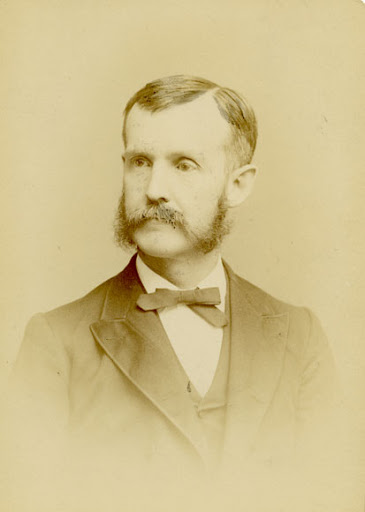
James Russell Miller (20 March 1840 — 2 July 1912) was a popular Christian author, Editorial Superintendent of the Presbyterian Board of Publication, and pastor of several churches in Pennsylvania and Illinois.
Broadcaster:

Comments

0 / 2000 characters
Comments are moderated before appearing.

Be the first to comment!

Joshua

Joshua

Shall we play a game? Ask me about articles, sermons, or theology from our library. I can also help you navigate the site.