Hebrews 4:16, "Let us approach the throne of grace with confidence, so that we may receive mercy and find grace to help us in our time of need."
Prayer is the vital breath of the regenerate soul--the sacred means by which we commune with the living God. Yet the vitality and effectiveness of our prayers are intimately tied to our intake and application of God's Word. Scripture does not merely teach us that we should pray--it instructs us how to pray, and what to pray for, and even prepares our hearts to pray rightly. We do not profit from the Word--unless it deepens, strengthens, and sanctifies our prayer life.
Apart from Scripture, prayer is aimless and fruitless. We know not what to ask, or how to ask aright. But when the Word abides in us, it shapes our petitions. We no longer seek selfish ends, but the glory of God. We begin to plead the promises of God, resting our petitions on the unchanging foundation of His truth. As we are taught by the Spirit through the Word, our hearts are warmed with holy desires. Our prayers cease to be mechanical, and begin to ascend as sweet incense before the throne of grace.
The man who profits from the Word, is the man who prays with reverence, with submission, and with heavenly desires. He no longer views prayer as a religious duty, but as a blood-bought privilege secured by the intercession of Christ. The Scriptures reveal God as a gracious Father, ever ready to hear His redeemed children; they display Christ as our Mediator, making constant intercession for us; they assure us of the Spirit's help in our weakness, who "Himself intercedes for us with groans that words cannot express!" (Romans 8:26).
Prayer that is profitable, is not
Sermon Transcript
Auto-generated transcript • May contain errors
100%
the Scriptures, and prayer. By Arthur Pink. Hebrews chapter 4, verse 16. Let us approach the throne of grace with confidence, so that we may receive mercy and find grace to help us in our time of need.
Prayer is the vital breath of the regenerate soul, the sacred means by which we commune with the living God. Yet the vitality and effectiveness of our prayers are intimately tied to our intake and application of God's Word. Scripture does not merely teach us that we should pray. It instructs us how to pray and what to pray for, and even prepares our hearts to pray rightly. We do not profit from the Word unless it deepens, strengthens, and sanctifies our prayer life.
Apart from Scripture, prayer is aimless and fruitless. We know not what to ask or how to ask aright. But when the Word abides in us, it shapes our petitions. We no longer seek selfish ends, but the glory of God. We begin to plead the promises of God, resting our petitions on the unchanging foundation of His truth. As we are taught by the Spirit through the Word, our hearts are warmed with holy desires. Our prayers cease to be mechanical and begin to ascend as sweet incense before the throne of grace.
The man who profits from the Word is the man who prays with reverence, with submission, and with heavenly desires. He no longer views prayer as a religious duty, but as a blood-bought privilege secured by the intercession of Christ. The Scriptures reveal God as a gracious Father, ever ready to hear His redeemed children. They display Christ as our mediator, making constant intercession for us. They assure us of the Spirit's help in our weakness, who Himself intercedes for us with groans that words cannot express.
Prayer that is profitable is not driven by emotion, but anchored in truth. The Psalms teach us how to pour out our souls. The Epistles show us what spiritual blessings to seek. The Gospels reveal the example of our Lord, who often withdrew to solitary places to pray. When the Word of God dwells richly in the heart, prayer becomes a living response to its truths. We then adore God for who He is, confess our sins in light of His holiness, thank Him for His undeserved grace, and petition Him according to His will.
A Christian whose prayers are not founded on the Word is like one who builds without a foundation. Let us seek to be Word-saturated and prayer-dependent. As the Word feeds faith, prayer draws down mercy, grace, and strength. In this holy union, the soul grows in communion with God, in conformity to Christ, and in usefulness to others.
Devote yourselves to prayer, being watchful and thankful. Colossians 4, verse 2.
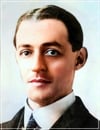
About Arthur W. Pink
Arthur Walkington Pink (1856-1952) was an English Bible teacher who sparked a renewed interest in the exposition of the doctrines of Grace otherwise known as "Calvinism" or "Reformed Theology" in the twentieth century.
Pristine Grace functions as a digital library of preaching and teaching from many different men and ministries. I maintain a broad collection for research, study, and listening, and the presence of any preacher or message here should not be taken as a blanket endorsement of every doctrinal position expressed.
I publish my own convictions openly and without hesitation throughout this site and in my own preaching and writing. This archive is not a denominational clearinghouse. My aim in maintaining it is to preserve historic and contemporary preaching, encourage careful study, and above all direct readers and listeners to the person and work of Christ.
Brandan Kraft
Joshua
Joshua
Shall we play a game? Ask me about articles, sermons, or theology from our library. I can also help you navigate the site.
Bible Verse Lookup
Loading today's devotional...
Unable to load devotional.
Select a devotional to begin reading.
Bible Reading Plans
Choose from multiple reading plans, track your daily progress, and receive reminders to stay on track — all with a free account.
Multiple plan options Daily progress tracking Email reminders
Comments
Your comment has been submitted and is awaiting moderation. Once approved, it will appear on this page.
Be the first to comment!