Bootstrap
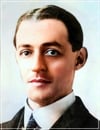
Arthur W. Pink

The Attributes of God, part 1

Isaiah 45:7; Psalm 135:6
Arthur W. Pink November, 17 2006 Audio
0 Comments
Choice book by Pink!

Sermon Transcript

Auto-generated transcript • May contain errors

100%
Arthur W. Pink was born in Nottingham, England in 1886 and born again of the Spirit of God in 1908. He studied at Moody Bible Institute in Chicago, USA for only six weeks before beginning his pastoral work in Colorado. From there he pastored churches in California, Kentucky, and South Carolina before moving on to Sydney, Australia for a brief period preaching and teaching. In 1934, he returned to his native land, England, and in 1940, took up a permanent residence on the Isle of Lewis, Scotland, remaining there until his death 12 years later in 1952.

Most of his works, including The Attributes of God, first appeared as articles in the monthly Studies in the Scriptures, published from 1922 to 1953.

The Attributes of God, by Arthur W. Pink, prefaced

Acquaint now thyself with him, and be at peace. Thereby good shall come unto thee. Job 22.21.

Thus saith the Lord, Let not the wise man glory in his wisdom, neither let the mighty man glory in his might. Let not the rich man glory in his riches, but let them that glorieth glory in this, that he understandeth and knoweth me, that I am the Lord. Jeremiah 9, 23 and 24.

Hey spiritual and saving, knowledge of God is the greatest need of every human creature. The foundation of all true knowledge of God must be a clear mental apprehension of His perfections as revealed in Holy Scripture. An unknown God can neither be trusted, served, nor worshipped. In this book an effort has been made to set forth some of the principal perfections of the divine character. If the reader is to truly profit from his perusal of the pages that follow, he needs to definitely and earnestly beseech God to bless them to him, to apply his truth to the conscience and heart so that his life will be transformed thereby.

Something more than a theoretical knowledge of God is needed by us. God is only truly known in the soul as we yield ourselves to Him, submit to His authority, and regulate all the details of our lives by His holy precepts and commandments. Then shall we know if we follow on in the path of obedience to know the Lord. Hosea 6.3 If any man will do his will, he shall know. John 7.17 The people that do know their God shall be strong. Daniel 11.32

Arthur W. Pink

Chapter 1

The title of this article is perhaps not sufficiently explicit to indicate its theme. This is partly due to the fact that so few today are accustomed to meditate upon the personal perfections of God. Comparatively few of those who occasionally read the Bible are aware of the awe-inspiring and worship-provoking grandeur of the divine character. That God is great in wisdom, wondrous in power, yet full of mercy is assumed by many to be almost common knowledge. but to entertain anything approaching an adequate conception of his being, his nature, and his attributes, as these are revealed in Holy Scripture, is something which very, very few people in these degenerate times have attained unto.

God is solitary in his excellency. Who is like unto Thee, O Lord, among the gods? Who is like Thee, glorious in holiness, fearful in praises, doing wonders? Exodus 15, 11

In the beginning, God. Genesis 1, 1. There was a time, if time it could be called, when God in the unity of his nature, though subsisting equally in three divine persons, dwelt all alone. In the beginning, God. There was no heaven where his glory is now particularly manifested. There was no earth to engage his attention. There were no angels to hymn his praises. No universe to be upheld by the word of his power. There was nothing. No one but God. And that, not for a day, a year, or an age, but from everlasting. During eternity past, God was alone, self-contained, self-sufficient, self-satisfied, in need of nothing. Had a universe had angels, had human beings been necessary to him in any way, they also had been called into existence from all eternity. The creating of them, when he did, added nothing to God, essentially. He changes not. Malachi 3.6. Therefore his essential glory can be neither augmented nor diminished. God was under no constraint, no obligation, no necessity to create. That he chose to do so was purely a sovereign act on his part, caused by nothing outside himself, determined by nothing but his own mere good pleasure. For he worketh all things after the counsel of his own will. Ephesians 1.11 that He did create was simply for His manifestative glory. Do some of our readers imagine that we have gone beyond what Scripture warrants? Then our appeal shall be to the Law and the Testimony. Stand up and bless the Lord your God forever and ever, and blessed be thy glorious name, which is exalted above all blessing and praise. Nehemiah 9.5 God is no gainer even from our worship. He was in no need of that external glory of His grace which arises from His redeemed, for He is glorious enough in Himself without that. What was it that moved Him to predestinate His elect to the praise of the glory of His grace? It was, as Ephesians 1.5 tells us, according to the good pleasure of His will. We are well aware that the high ground we are here treading is new and strange to almost all of our readers. For that reason, it is well to move slowly. Let our appeal again be to the Scriptures. At the end of Romans 11, where the Apostle brings to a close his long argument on salvation by pure and sovereign grace, he asks, For who hath known the mind of the Lord? Or who hath been his counsellor? Or who hath first given to him, and it shall be recompensed unto him again? Verses 34 and 35. The force of this is, it is impossible to bring the Almighty under obligations to the creature. God gains nothing from us. If thou be righteous, what givest thou him? Or what receiveth he of thine hand? Thy wickedness may hurt a man as thou art, and thy righteousness may profit the Son of Man, Job 35 7 and 8, but it certainly cannot affect God, who is all-blessed in himself. When ye shall have done all those things which are commanded you, say, We are unprofitable servants. Luke 17.10 Our obedience has profited God nothing. Nay, we go further. Our Lord Jesus Christ added nothing to God in His essential being and glory, either by what He did or suffered. True, blessedly and gloriously true, he manifested the glory of God to us, but he added not to God. He himself expressly declares so, and there is no appeal from his words. My goodness extendeth not to thee. Psalm 16 2. The whole of that psalm is a psalm of Christ. Christ's goodness or righteousness reached unto his saints in the earth. Verse 3, but God was high above and beyond it all. God only is the Blessed One. Mark 14, 61, Greek. It is perfectly true that God is both honored and dishonored by men, not in his essential being, but in his official character. It is equally true that God has been glorified by creation, by providence, and by redemption. This we do not and dare not dispute for a moment. But all of this has to do with His manifestative glory and the recognition of it by us.

Yet, had God so pleased, He might have continued alone for all eternity without making known His glory unto creatures. Whether he should do so or not was determined solely by his own will. He was perfectly blessed in himself before the first creature was called into being. And what are all the creatures of his hands unto him, even now? Let scripture again make answer.

Behold, the nations are as a drop of a bucket, and are counted as the small dust of the balance. Behold, he taketh up the isles as a very little thing, and Lebanon is not sufficient to burn, nor the beasts thereof sufficient for a burnt offering. All nations before Him are as nothing, and they are counted to Him less than nothing, and vanity. To whom then will ye liken God? Or what likeness will ye compare unto Him? Isaiah 40, 15 through 18.

That is the God of Scripture. Alas! He is still the unknown God. Acts 17.23. To the heedless multitudes. It is he that sitteth upon the circle of the earth, and the inhabitants thereof are as grasshoppers, that stretcheth out the heavens as a curtain, and spreadeth them out as a tent to dwell in, that bringeth the princes to nothing. He maketh the judges of the earth as vanity. Isaiah 40, 22 and 23.

How vastly different is the God of Scripture from the God, little g, of the average pulpit. Nor is the testimony of the New Testament any different from that of the Old. How could it be, seeing that both have one and the same author? There too we read, which in his times he shall show, who is the blessed and only potentate, the King of kings and the Lord of lords. who only hath immortality, dwelling in the light which no man can approach unto, whom no man hath seen, nor can see, to whom the honor and the power everlasting. Amen. 1 Timothy 6, 15 and 16.

Such an one is to be revered, worshipped, adored. He is solitary in his majesty, unique in his excellency, peerless in his perfections. He sustains all, but is himself independent of all. He gives to all, but is enriched by none.

Such a God cannot be found out by searching. He can be known only as He is revealed to the heart by the Holy Spirit through the Word. It is true that creation demonstrates a Creator so plainly that man are without excuse, yet we still have to say with Job, Lo, these are parts of his ways, but how little a portion is heard of him but the thunder of his power who can understand Job 26.14.

The so-called argument from design by well-meaning apologists has, we believe, done much more harm than good, for it has attempted to bring down the great God to the level of finite comprehension, and thereby has lost sight of His solitary excellence.

analogy has been drawn between a savage finding a watch upon the sands and from a close examination of it he infers a watchmaker so far so good but attempted to go further. Suppose that savage sits down on the sand and endeavors to form to himself a conception of his watchmaker, his personal affections and manners, his disposition, acquirements, and moral character, all that goes to make of a personality. Could he ever think or reason out a real man? The man who made Barash so that he could say, I am acquainted with him. It seems trifling to ask such questions. But is the eternal and infinite God so much more within the grasp of human reason? No, indeed. The God of Scripture can only be known by those to whom he makes himself known. Nor is God known by the intellect. God is spirit. John 4, 24. And therefore can only be known spiritually. But fallen man is not spiritual. He is carnal. He is dead to all that is spiritual. Unless he is born again, supernaturally brought from death unto life, miraculously translated out of darkness into light, he cannot even see the things of God. John 3.3. Still less apprehend them. 1 Corinthians 2.14. The Holy Spirit has to shine in our hearts, not intellect, in order to give us the knowledge of the glory of God in the face of Jesus Christ, 2 Corinthians 4, 6. And even that spiritual knowledge is but fragmentary. The regenerated soul has to grow in grace and in the knowledge of the Lord Jesus, 2 Peter 3, 18. The principal prayer and aim of Christians should be that we walk worthy of the Lord unto all pleasing, being fruitful in every good work, and increasing in the knowledge of God. Colossians 1.10. Chapter 2. The Decrees of God. The decree of God is his purpose or determination with respect to future things. We have used the singular number as the scripture does, Romans 8, 28, Ephesians 3, 11, because there was only one act of his infinite mind about future things. But we speak as if there had been many, because our minds are only capable of thinking of successive revolutions as thought and occasions arise, or in reference to the various objects of His decree, which, being many, seem to us to require a distinct purpose for each one. But an infamous understanding does not proceed by steps from one stage to another. Known unto God are all his works from the beginning of the world. Acts 15, 18. The scriptures make mention of the decrees of God in many passages and under a variety of terms. The word decree is found in Psalm 2-7. In Ephesians 3-11 we read of His eternal purpose. In Acts 2-23 of His determinate counsel and foreknowledge. in Ephesians 1 9 of the mystery of his will in Romans 8 29 that he also did predestinate in Ephesians 1 9 of his good pleasure God's decrees are called his counsel, to signify they are consummately wise. They are called God's will, to show he was under no control, but acted according to his own pleasure. When a man's will is the rule of his conduct, it is usually capricious and unreasonable. But wisdom is always associated with will in the divine proceedings, and accordingly God's decrees are said to be the counsel of his own will. Ephesians 1.11. The decrees of God relate to all future things without exception. Whatever is done in time was foreordained before time began. God's purpose was concerned with everything, whether great or small, whether good or evil, Although with reference to the latter, we must be careful to state that while God is the orderer and controller of sin, He is not the author of it in the same way that He is the author of good. Sin could not proceed from a holy God by positive and direct creation, but only by decreed permission and negative action. God's decree is as comprehensive as His government, extending to all creatures and all events. It was concerned about our life and death, about our state in time and our state in eternity. As God works all things after the counsel of His own will, we learn from His works what His counsel is, was, as we judge of an architect's plan by inspecting the building which was erected under his directions. God did not merely decree to make a man, place him upon the earth, and then leave him to his own uncontrolled guidance. Instead, he fixed all the circumstances in the lot of individuals and all the particulars which will comprise the history of the human race from its commencement to its close. He did not merely decree that general laws should be established for the government of the world, but he settled the application of those laws to all particular cases. Our days are numbered, and so are the hairs of our heads. We may learn what is the extent of the divine decrees from the dispensations of Providence in which they are executed. The care of Providence reaches to the most insignificant creatures and the most minute events, the death of a sparrow and the fall of a hare. Let us now consider some of the properties of the divine decrees. First, they are eternal. To suppose any of them to be made in time is to suppose that some new occasion has occurred. Some unforeseen event or combination of circumstances has arisen which has induced the Most High to form a new resolution. This would argue that the knowledge of the deity is limited, and that he is growing wiser in the progress of time, which would be horrible blasphemy. No man who believes that the divine understanding is infinite, comprehending the past, the present, and the future, will ever assent to the erroneous doctrine of temporal decrees. God is not ignorant of future events which will be executed by human volitions. He has foretold them in innumerable instances, and prophecy is but the manifestation of His eternal prescience. Scripture affirms that believers were chosen in Christ before the world began. Ephesians 1, 4. Yea, that grace was given to them then. 2 Timothy 1, 9. Secondly, the decrees of God are wise. Wisdom is shown in the selection of the best possible ends and of the fittest means of accomplishing them. That this character belongs to the decrees of God is evident from what we know of them. They are disclosed to us by their execution. And every proof of wisdom in the works of God is a proof of the wisdom of the plan in conformity to which they are performed. As the psalmist declared, O Lord, how manifold are thy works! In wisdom hast thou made them all. Psalm 104, 24. It is indeed but a very small part of them which falls under our observation, yet we ought to proceed here as we do in other cases, and judge of the whole by the specimen of what is unknown by what is known. He who perceives the workings of admirable skill in the parts of a machine which he has an opportunity to examine is naturally led to believe that the other parts are equally admirable? In like manner, we should satisfy our minds as to God's works when doubts obtrude themselves upon us and repel any objections that may be suggested by something that we cannot reconcile to our notions of what is good and wise. When we reach the bounds of the finite and gaze toward the mysterious realm of the infinite, let us exclaim, O the depth of the riches, both of the wisdom and knowledge of God. Romans 11, 33. Thirdly, they are free, who hath directed the Spirit of the Lord, or being his counsel, or hath taught him, with whom took he counsel, and who instructed him, and taught him in the path of judgment, and taught him knowledge, and showed to him the way of understanding, Isaiah 40, 13 and 14. God was alone when he made his decrees, and his determinations were influenced by no external cause. He was free to decree or not to decree, and to decree one thing and not another. This liberty we must ascribe to him who is supreme, independent, and sovereign in all his doings. Fourthly, they are absolute and unconditional. The execution of them is not suspended upon any condition which may or may not be performed. In every instance where God has decreed an end, He has also decreed every means to that end. The one who decreed the salvation of his elect also decreed to work a faith in them. 2 Thessalonians 2.13. My counsel shall stand, and I will do all my pleasure. Isaiah 46 10 But that could not be, if his counsel depended upon a condition which might not be performed, but God worketh all things after the counsel of his own will. Ephesians 1 11 side by side with the immutability and invincibility of God's decrees. Scripture plainly teaches that man is a responsible creature and answerable for his actions. And if our thoughts are formed from God's word, the maintenance of the one will not lead to the denial of the other. But there is a real difficulty in defining where the one ends, and the other begins is freely granted. This is ever the case where there is a conjunction of the divine and the human. Real prayer is indicted by the spirit, yet it is also the cry of a human heart. The scriptures are the inspired word of God, yet they were written by men who were something more than machines in the hand of the spirit. Christ is both God and man. He is omniscient, yet increased in wisdom. Luke 2, 52. He was almighty, yet was crucified through weakness. 2 Corinthians 13, 4. He was the prince of life, yet he died. High mysteries are these, yet faith receives them unquestioningly. It has often been pointed out in the past that every objection made against the eternal decrees of God applies with equal force against his eternal foreknowledge. whether God has decreed all things that ever come to pass or not, all that own the being of a God own that He knows all things beforehand. Now, it is self-evident that if He knows all things beforehand, He either doth approve of them or doth not approve of them. That is, He either is willing they should be, or He is not willing they should be. but to will that they should be is to decree them. Jonathan Edwards Finally, attempt with me to assume and then to contemplate the opposite. To deny the divine decrees would be to predicate a world and all its concerns regulated by undesigned chance or blind fate. Then, what peace, what assurance, what comfort would there be for our poor hearts and minds? What refuge would there be to fly to in the hour of need and trial? None at all. There would be nothing better than the black darkness and abject horror of atheism. Oh my reader, how thankful should we be that everything is determined by infinite wisdom and goodness. What praise and gratitude are due unto God for His divine decrees? It is because of them that we know that all things work together for good, to them that love God, to them who are recalled according to His purpose. Romans 8, 28. Well, may we exclaim, for of him, and through him, and to him, are all thanks, to whom be glory for ever. Amen. Romans 11, 36. Chapter 3, The Knowledge of God. God is omniscient. He knows everything. Everything possible, everything actual. All events and all creatures of the past, the present, and the future. He is perfectly acquainted with every detail in the life of every being in heaven, in earth, and in hell. He knoweth what is in the darkness. Daniel 2, 22. Nothing escapes his notice. Nothing can be hidden from him. Nothing is forgotten by him. Well, may we say with the psalmist, such knowledge is too wonderful for me. It is high. I cannot attain unto it. Psalm 139, 6. His knowledge is perfect. He never errs, never changes, never overlooks anything. Neither is there any creature that is not manifest in His sight, but all things are naked and opened unto the eyes of Him with whom we have to do. Hebrews 4.13 Yes, such is the God with whom we have to do. Thou know'st my down-sitting and mine uprising, Thou understand'st my thought afar off, Thou compass'st my path and my lying down, And art acquainted with all my ways. For there is not a word in my tongue, But, lo, O Lord, Thou know'st it all together. Psalm 139, 2-4 What a wondrous being is the God of Scripture! Each of His glorious attributes should render Him honorable in our esteem. The apprehension of His omniscience ought to bow us in adoration before Him. Yet how little do we meditate upon this divine perfection. Is it because the very thought of it fills us with uneasiness? How solemn is this fact! Nothing can be concealed from God. For I know the things that come into your mind, every one of them. Ezekiel 11, 5. Though He be invisible to us, we are not so to Him. Neither the darkness of night, the closest curtains, nor the deepest dungeon can hide any sinner from the eyes of omniscience. The trees of the garden were not able to conceal our first appearance. No human eye beheld Cain murder his brother, but his maker witnessed his crime. Sarah might laugh derisively in the seclusion of her tent, yet it was heard by Jehovah. Achan stole a wedge of gold and carefully hid it in the earth, but God brought it to light. David was at much pains to cover up his wickedness, but ere long the all-seeing God sent one of his servants to say to him, Thou art the man. And to writer and reader is also said, be sure your sin will find you out. Numbers 32.23. Man would strip deity of his omniscience if they could. What a proof that the carnal mind is enmity against God. Romans 8, 7. The wicked do as naturally hate this divine perfection as much as they are naturally compelled to acknowledge it. They wish there might be no witness of their sins, no searcher of their hearts, no judge of their deeds. They seek to banish such a God from their thoughts. They consider not in their hearts that I remember all their wickedness. Hosea 7, 2. How solemn is Psalm 98. Good reason has every Christ-rejecter for trembling before it. Thou hast set our inequities before Thee, our secret sins, in the light of Thy countenance. But to the believer, the fact of God's omniscience is a truth fraught with much comfort. In times of perplexity, he says with Job, but he knoweth the way that I take. Job 23.10 It may be profoundly mysterious to me, quite incomprehensible to my friends, but he knoweth. In times of weariness and weakness, believers assure themselves, He knoweth our frame, He remembereth that we are dust. Psalm 103, 14. In times of doubt and suspicion, they appeal to this very attribute, saying, Search me, O God, and know my heart. Try me, and know my thoughts, and see if there be any wicked way in me, and lead me in the way everlasting. Psalm 139, 23, and 24. In time of sad failure, when our actions have belied our hearts, when our deeds have repudiated our devotion, and the searching question comes to us, Lovest thou me? We say, as Peter did, Lord, thou knowest all things. Thou knowest that I love thee. John 21, 17. Here is encouragement to prayer. There is no cause for fearing that the petitions of the righteous will not be heard, or that their sighs and tears shall escape the notice of God, since He knows the thoughts and intents of the heart. There is no danger of the individual saint being overlooked amidst the multitude of supplicants who daily and hourly present their various petitions, for an infinite mind is as capable of paying the same attention to millions as if only one individual were seeking its attention. So, to the lack of appropriate language, the inability to give expression to the deepest longing of the soul will not jeopardize our prayers, for it shall come to pass that before they call, I will answer, and while they are yet speaking, I will hear." Isaiah 65, 24. Great is our Lord and of great power. His understanding is infinite. Psalm 147, 5. God not only knows whatsoever has happened in the past, in every part of his vast domains, and he is not only thoroughly acquainted with everything that is now transpiring throughout the entire universe, but he is also perfectly cognizant of every event, from the least to the greatest, that ever will happen in the ages to come. God's knowledge of the future is as complete as is His knowledge of the past and the present, and that because the future depends entirely upon Himself. Were it in any wise possible for something to occur apart from either the direct agency or permission of God, then that something would be independent of Him, and He would at once cease to be supreme. Now the divine knowledge of the future is not a mere abstraction, but something which is inseparably connected with and accompanied by his purpose. God has himself designed whatsoever shall yet be, and what he has designed must be effectuated. as his most sure word affirms, he doeth according to his will in the army of heaven and among the inhabitants of the earth, and none can stay his hand. Daniel 4.35. And again, there are many devices in a man's heart nevertheless. The counsel of the Lord, that shall stand. Proverbs 19.21. The wisdom and power of God being alike infinite, the accomplishment of whatever he hath purposed is absolutely guaranteed. It is no more possible for the divine councils to fail in their execution than it would be for the thrice holy God to lie. Nothing relating to the future is in any wise uncertain so far as the actualization of God's counsel are concerned. None of his decrees are left contingent either on creatures or secondary causes. There is no future event which is only a mere possibility, that is, something which may or may not come to pass. Known unto God are all his works from the beginning. Acts 15, 18. Whatever God has decreed is inexorably certain, for he is without a variableness or shadow of turning. James 1, 17. Therefore we are told at the very beginning of that book which unveils to us so much of the future of things which must shortly come to pass. Revelation 1.1. The perfect knowledge of God is exemplified and illustrated in every prophecy recorded in His Word. In the Old Testament are to be found scores of predictions concerning the history of Israel, which were fulfilled to their minutest detail centuries after they were made. In them, too, are scores more foretelling the earthly career of Christ, and they, too, were accomplished literally and perfectly. Such prophecies could only have been given by one who knew the end from the beginning, and whose knowledge rested upon the unconditional certainty of the accomplishment of everything foretold. In like manner, both Old and New Testament contain many other announcements yet future, and they too must be fulfilled. Luke 24, 44, must, because foretold by Him who decreed them. It should, however, be pointed out that neither God's knowledge nor His cognition of the future, considered simply in themselves, are causative. Nothing has ever come to pass or ever will merely because God knew it. The cause of all things is the will of God. The man who really believes the scriptures knows beforehand that the seasons will continue to follow each other with unfailing regularity to the end of earth's history. Genesis 8, 22. Yet his knowledge is not the cause of their succession. So God's knowledge does not arise from things because they are or will be, but because he has ordained them to be. God knew and foretold the crucifixion of His Son many hundreds of years before He became incarnate. And this because in the divine purpose He was a Lamb slain from the foundation of the world. Hence we read of His being delivered by the determinate counsel and foreknowledge of God. Acts 2.23 a word or two by way of application. The infinite knowledge of God should fill us with amazement. How far exalted above the wisest man is the Lord! None of us knows what a day may bring forth, but all futurity is open to his omniscient gaze. The infinite knowledge of God ought to fill us with holy awe. Nothing we do, say, or even think escapes the cognizance of Him with whom we have to do. The eyes of the Lord are in every place, beholding the evil and the good. Proverbs 15, 3. What a curb this would be unto us! Did we but meditate upon it more frequently? Instead of acting recklessly, we should say with Hagar, Thou God, seest me. Genesis 16.13 The apprehension of God's infinite knowledge should fill the Christian with adoration. The whole of my life stood open to His view from the beginning. He foresaw my every fall, my every sin, my every backsliding, yet nevertheless fixed His heart upon me. Oh, how the realization of this should bow me in wonder and worship before Him. Chapter 4 The Full Knowledge of God What controversies have been engendered by this subject in the past? But what truth of Holy Scripture is there which has not been made the occasion of theological and ecclesiastical battles? The Deity of Christ, His virgin birth, His atoning death, His second advent, the believer's justification, sanctification, security, the church, its organization, officers, discipline, baptism, the Lord's Supper, and a score of other precious truths might be mentioned. Yet the controversies which have been waged over them did not close the mouths of God's faithful servants. Why then should we avoid the vexing question of God's foreknowledge? Because, forsooth, there are some who will charge us with fomenting strife. Let others contend, if they will, our duty is to bear witness according to the light that saved us. There are two things concerning the foreknowledge of God about which many are in ignorance. The meaning of the term and its scriptural scope. Because this ignorance is so widespread, it is an easy matter for preachers and teachers to palm off perversions of this subject, even upon the people of God.

There is only one safeguard against error, and that is to be established in the faith. And for that, there has to be prayerful and diligent study, and a receiving earth-meekness, the engrafted Word of God. Only then are we fortified against the attacks of those who assail us.

There are those today who are misusing this very truth in order to discredit and deny the absolute sovereignty of God in the salvation of sinners. Just as higher critics are repudiating the divine inspiration of the scriptures, evolutionists the work of God in creation, so some pseudo-Bible teachers are perverting his foreknowledge in order to set aside his unconditional election unto eternal life.

When the Solomon blessed subject of divine foreordination is expounded, when God's eternal choice of certain ones to be conformed to the image of his son is set forth, the enemy sends along some man to argue that election is based upon the foreknowledge of God. And this foreknowledge is interpreted to mean that God foresaw certain ones would be more pliable than others, that they would respond more readily to the strivings of the Spirit, and that because God knew they would believe, He accordingly predestinated them unto salvation.

But such a statement is radically wrong. It repudiates the truth of total depravity, for it argues that there is something good in some men. It takes away the independency of God, for it makes His decrees rest upon what He discovers in the creature. It completely turns things upside down, for in saying, God foresaw certain sinners would believe in Christ, and that because of this, He predestinated them unto salvation, is the very reverse of the truth.

Scripture affirms that God, in His high sovereignty, singled out certain ones to be recipients of His distinguishing favors, Acts 13.48. And therefore, He determined to bestow upon them the gift of faith. False theology makes God's full knowledge of our believing the cause of His election to salvation. Whereas, God's election is the cause, and our believing in Christ is the effect.

Ere proceeding further with our discussion of this much misunderstood theme, let us pause and define our terms. what is meant by foreknowledge. To know beforehand is the ready reply of many. But we must not jump to conclusions, nor must we turn to Webster's Dictionary as the final court of appeal, for it is not a matter of the etymology of the term employed. What is needed is to find out how the word is used in Scripture.

The Holy Spirit's usage of an expression always defines its meaning and scope. It is failure to apply this simple rule which is responsible for so much confusion and error. So many people assume they already know the signification of a certain word used in scripture and then they are too dilatory to test their assumptions by means of a concordance.

Let us amplify this point. Take the word flesh. Its meaning appears to be so obvious that many would regard it as a waste of time to look up its various connections in scripture. It is hastily assumed that the word is synonymous with the physical body, and so no inquiry is made. But, in fact, Flesh in scripture frequently includes far more than what is corporeal. All that is embraced by the term can only be ascertained by a diligent comparison of every occurrence of it and by a study of each separate context.

Take the word world. The average reader of the Bible imagines this word is the equivalent for the human race and consequently many passages where the term is found are wrongly interpreted.

Take the word immortality. Surely it requires no study. Obviously it has reference to the indestructibility of the soul. Ah, my reader, it is foolish and wrong to assume anything where the Word of God is concerned.

If the reader will take the trouble to carefully examine each passage where mortal and immortal are found, it will be seen that these words are never applied to the soul, but always to the body.

Now what has been said on flesh, the world, immortality, applies with equal force to the terms know and foreknow. Instead of imagining that these words signify no more than a simple cognition, the different passages in which they occur require to be carefully weighed.

The word for knowledge is not found in the Old Testament, but no occurs there frequently. When that term is used in connection with God, it often signifies to regard with favor, denoting not mere cognition, but an affection for the object in view.

I know thee by name, Exodus 33, 17. Ye have been rebellious against the Lord from the day that I knew you. Deuteronomy 9.24 Before I formed thee in the belly, I knew thee, Jeremiah 1, 5. They have made princess, and I knew it not, Hosea 8, 4. You only have I known of all the families of the earth, Amos 3, 2.

In these passages, knew signifies either loved or appointed. In like manner, the word no is frequently used in the New Testament in the same sense as in the Old Testament.

Then will I profess unto them, I never knew you, Matthew 7, 23. I am the good shepherd, and know my sheep, and am known of mine. John 10 14 If any man love God, the same is known of him. 1 Corinthians 8 3 The Lord knoweth them that are his. 2 Timothy 2 19

Now the word for knowledge, as it is used in the New Testament, is less ambiguous than in its simple form, to know. If every passage in which it occurs is carefully studied, it will be discovered that it is a moot point, whether it ever has reference to the mere perception of events which are yet to take place.

The fact is that Foreknowledge is never used in scripture in connection with events or actions. Instead, it always has reference to persons. It is persons God is said to foreknow, not the actions of those persons.

In proof of this, we shall now quote each passage where this expression is found. The first occurrence is in Acts 2.23. There we read, him being delivered by the determinate counsel and foreknowledge of God, ye have taken, and by wicked hands have crucified and slain.

If careful attention is paid to the wording of this verse, it will be seen that the apostle was not there speaking of God's foreknowledge of the act of the crucifixion, but of the person crucified, him. Christ being delivered by.

The second occurrence is in Romans 8 29 and 30. For whom he did foreknow. He also did predestinate to be conformed to the image of his son that he might be the firstborn among many brethren. Moreover, whom he did predestinate, them he also called.

Weigh well the pronoun that is used here. It is not what he did foreknow, but whom he did. It is not the surrendering of their wills, nor the believing of their hearts, but the persons themselves that are here in view. God hath not cast away his people which he foreknew, Romans 11, 2. Once more, the plain reference is to persons, and to persons only. The last mention is in 1 Peter 1, 2. Elect according to the foreknowledge of God the Father. Who are elect according to the foreknowledge of God the Father? The previous verse tells us. The reference is to the strangers scattered, that is the diaspora, the dispersion, the believing Jews. Thus hereto the reference is to persons and not to their foreseen acts. Now in view of these passages, and there are no more, what scriptural ground is there for anyone saying God foreknew the acts of certain ones, these they're repenting and believing, and that because of those acts He elected them unto salvation? The answer is none whatever. Scripture never speaks of repentance and faith as being foreseen or foreknown by God. Truly, He did know from all eternity that certain ones would repent and believe, yet this is not what Scripture refers to as the object of God's foreknowledge. The word uniformly refers to God's foreknowing persons. Then let us hold fast the form of sound words. 2 Timothy 1.13 Another thing to which we desire to call particular attention is that the first two passages quoted above show plainly and teach implicitly that God's foreknowledge is not causative, that instead something else lies behind, precedes it, and that something is His own sovereign decree. Christ was delivered by the one determinate counsel and two foreknowledge of God. Acts 2.23 His counsel or decree was the ground of his foreknowledge. So again in Romans 8.29 That verse opens with the word for, which tells us to look back to what immediately precedes. What then does the previous verse say? This. All things work together for good to them who are called according to his purpose. Thus God's foreknowledge is based upon his purpose or decree. See Psalm 2.7. God foreknows what will be, because He has decreed what shall be. It is therefore a reversing of the order of Scripture, a putting of the cart before the horse, to affirm that God elects, because He foreknows people. The truth is, He foreknows, because He has elected. This removes the ground or cause of election from outside the creature and places it in God's own sovereign will. God purposed in Himself to elect a certain people, not because of anything good in them or from them, either actual or foreseen, but solely out of His own mere pleasure. As to why He chose the ones He did, we do not know, and can only say, Even so, Father, for so it seemed good in Thy sight. The plain truth in Romans 8.29 is that God, before the foundation of the world, singled out certain sinners and appointed them unto salvation. 2 Thessalonians 2.13 This is clear from the concluding words of the verse, predestinate to be conformed to the image of his son. God did not predestinate those whom he foreknew were conformed, but on the contrary, those whom he foreknew, that is, loved and elected, he predestinated to be conformed. Their conformity to Christ is not the cause, but the effect of God's foreknowledge and predestination. God did not elect any sinner because he foresaw that he would believe for the simple but sufficient reason that no sinner ever does believe until God gives him faith. Just as no man sees until God gives him sight. Sight is God's gift. Seeing is the consequence of my using his gift. So faith is God's gift, Ephesians 2, 8 and 9. Believing is the consequence of my using his gift. If it were true that God had elected certain ones to be saved because in due time they would believe, then that would make believing a meritorious act, and in that event the saved sinner would have ground for boasting, which scripture emphatically denies. Ephesians 2, 9. Surely God's word is plain enough in teaching that believing is not a meritorious act. It affirms that Christians are a people who have believed through grace. Acts 18.27 If then they have believed through grace, there is absolutely nothing meritorious about believing, and if nothing meritorious, it could not be the ground or cause which moved God to choose them. No, God's choice proceeds not from anything in us, or anything from us, but solely from His own sovereign pleasure. Once more in Romans 11.5 we read of a remnant according to the election of grace. There it is, plain enough. Election itself is of grace, and grace is unmerited favor, something for which we had no claim upon God whatsoever. It thus appears that it is highly important for us to have clear and spiritual views of the foreknowledge of God. Erroneous conceptions about it lead inevitably to thoughts most dishonoring to Him. The popular idea of divine foreknowledge is altogether inadequate. God not only knew the end from the beginning, but he planned, fixed, predestinated everything from the beginning. And as cause stands to effect, so God's purpose is the ground of his prescience. If Ben the reader be a real Christian, he is so because God chose him in Christ before the foundation of the world. Ephesians 1, 4, and chose not because he foresaw you would believe, but chose simply because it pleased him to choose. choose you, notwithstanding your natural unbelief. This being so, all the glory and praise belongs alone to Him. You have no ground for taking any credit to yourself. You have believed through grace. Acts 18.27 And that, because your very election was of grace. Romans 11.5 Chapter 5 The Supremacy of God In one of his letters to Erasmus, Luther said, Your thoughts of God are too human. Probably that renowned scholar resented such a rebuke, the more so since it proceeded from a minor's son. Nevertheless, it was thoroughly deserved. We too, though having no standing among the religious leaders of this degenerate age, prefer the same charge against the majority of the preachers of our day, and against those who, instead of searching the scriptures for themselves, lazily accept the teaching of others. The most dishonoring and degrading conceptions of the rule and reign of the Almighty are now held almost everywhere. To countless thousands, even among those professing to be Christians, the God of the Scriptures is quite unknown. Although God complained to an apostate Israel, thou thoughtest that I was altogether such an one as thyself. Psalm 50, 21. Such must now be his indictment against an apostate Christendom. Men imagine that the Most High God is moved by sentiment rather than actuated by principle. They suppose that his omnipotency is such an idle fiction that Satan is thwarting his designs on every side. They think that if he has formed any plan or purpose at all, then it must be like theirs, constantly subjected to change. They openly declare that whatever power he possesses must be restricted, lest he invade the citadel of man's free will and reduce him to a machine. They lower the all-efficacious atonement, which has actually redeemed everyone for whom it was made, to a mere remedy which sin-sick souls may use if they feel disposed to. and they enervate the invincible work of the Holy Spirit to an offer of the gospel, which sinners may accept or reject as they please.

The God of this twentieth century no more resembles the supreme sovereign of Holy Writ than does the dim flickering of a candle, the glory of the midday sun. The God who is now talked about in the average pulpit spoken of in the ordinary Sunday school, mentioned in much of the religious literature of the day, and preached in most of the so-called Bible conferences, is the figment of human imagination, an invention of maudlin sentimentality.

The heathen outside of the pale of Christendom form gods out of wood and stone, while the millions of heathen inside Christendom manufacture a god out of their own carnal mind. In reality, they are but atheists, for there is no other possible alternative between an absolutely supreme god and no god at all.

A god whose will is resisted, whose designs are frustrated, whose purpose is checkmated, possesses no title to deity, and so far from being a fit object of worship, merits naught but contempt.

The supremacy of the true and living God might well be argued from the infinite distance which separates the mightiest creatures from the Almighty Creator. He is the potter. They are but the clay in His hands to be molded into vessels of honor or to be dashed into pieces.

Psalm 2 9 As He Pleases were all the denizens of heaven and all the inhabitants of the earth to combine in revolt against him, it would occasion him no uneasiness and would have less effect upon his eternal and unassailable throne than has the spray of Mediterranean's waves upon the towering rocks of Gibraltar. So pure all and powerless is the creature to affect the Most High.

Scripture itself tells us that when the Gentile heads unite with apostate Israel to defy Jehovah and his Christ, he that sitteth in the heavens shall laugh. Psalm 2, 4

The absolute and universal supremacy of God is plainly and positively affirmed in many scriptures. Thine, O Lord, is the greatness and the power and the glory and the victory and the majesty, for all that is in the heaven and in the earth is Thine. Thine is the kingdom, O Lord, and Thou art exalted as head above all, and Thou reignest over all. 1 Chronicles 29, 11, 12. Note, reignest now. not will do so in the millennium.

O Lord God of our fathers, art not thou God in heaven? And rulest not thou over all the kingdoms of the heathen? And in thine hand is there not power and might, so that none, not even the devil himself, is able to withstand thee? 2 Chronicles 26

Before him, presidents and popes, kings and emperors, are less than grasshoppers. But he is in one mind, and who can turn him, and what his soul desireth, even that he doeth. Job 23.13.

Ah, my reader. The God of Scripture is no make-believe monarch, no mere imaginary sovereign, but King of Kings and Lord of Lords. I know that thou canst do everything, and that no thought can be withholden from thee, Job 42.2. That is, no thought of thine can be hindered, Margin, or as another has translated it, no purpose of thine can be frustrated. All that He has designed, He does. All that He has decreed, He performs. But our God is in the heavens. He hath done whatsoever He hath pleased. Psalm 115.3

And why has He? Because there is no wisdom, nor understanding, nor counsel against the Lord. Proverbs 21.13

God's supremacy over the works of his hands is vividly depicted in scripture. Inanimate matter, irrational creatures, all perform their maker's bidding. At his pleasure, the Red Sea divided and its waters stood up as walls. Exodus 14. The earth opened her mouth, and guilty rebels went down alive into the pit. 16. When he so ordered, the sun stood still. Joshua 10. And on another occasion went backward ten degrees on the dial of Ahaz. Isaiah 38. 8. To exemplify his supremacy, he made ravens carry food to Elijah, 1 Kings 17. Iron to swim on top of the waters, 2 Kings 6, 5. Lions to be tame when Daniel was cast into their den. fire to burn not, when the three Hebrews were flung into its flames.

Thus whatsoever the Lord pleased, that did He in heaven, and in earth, in the seas, and all deep places. Psalm 135, 6.

God's supremacy is also demonstrated in his perfect rule over the wills of men. Let the reader ponder carefully. Exodus 34, 24. Three times in the year, all the males of Israel were required to leave their homes and go up to Jerusalem. They lived in the midst of hostile people who hated them for having appropriated their land. What then was to hinder the Canaanites from seizing their opportunity and during the absence of the men slaying the women and children and taking possession of their farms. If the hand of the Almighty was not upon the wills even of wicked men, how could he make this promise beforehand, that none should so much as desire their lands?

Ah, the king's heart is in the hand of the Lord as the rivers of water. He turneth it whithersoever he will. Proverbs 21. 1.

But it may be objected. Do we not read again and again in Scripture how that men defied God, resisted His will, broke His commandments, disregarded His warnings, and turned a deaf ear to all His exhortations? Certainly we do. And does this nullify all that we have said above? If it does, then the Bible plainly contradicts itself. But that cannot be. What the objector refers to is simply the wickedness of man against the external Word of God, whereas what we have mentioned above is what God has purposed in Himself. The rule of conduct He has given us to walk by is perfectly fulfilled by none of us. His own eternal counsels are accomplished to the minutest detail.

The absolute and universal supremacy of God is affirmed with equal plainness and positiveness in the New Testament. There we are told that God worketh all things after the counsel of his own will. Ephesians 1, 11. The Greek for worketh means to work effectually. For this reason we read, for of him and through him and to him are all things, to whom be glory forever. Amen. Romans 11, 36.

Men may boast that they are free agents, with a will of their own, and are at liberty to do as they please. But Scripture says to those who boast, we will go into such a city and continue there a year and a by and so. Ye ought to say, if the Lord wills. James 4, 13 and 15.

Here, then, is a sure resting place for the heart. Our lives are neither the product of blind fate nor the result of capricious chance, but every detail of them was ordained from all eternity and is now ordered by the living and reigning God. Not a hair of our heads can be touched without his permission. A man's heart deviseth his way, but the Lord directeth his steps. Proverbs 16, 9.

What assurance, what strength, what comfort this should give the real Christian. My times are in thy hand. Psalm 31, 15. Then let me rest in the Lord and wait patiently for him. Psalm 37, 7.

Chapter 6, The Sovereignty of God. The sovereignty of God may be defined as the exercise of His supremacy. See preceding chapter. Being infinitely elevated above the highest creature, He is the Most High, Lord of Heaven and Earth, subject to none, influenced by none, absolutely independent. God does as He pleases, only as He pleases, always as He pleases. None can thwart him, none can hinder him, for his own word expressly declares, My counsel shall stand, and I will do all my pleasure. Isaiah 46 10 He doeth according to his will, in the army of heaven, and among the inhabitants of the earth, and none can stay his hand. Daniel 4.35.

Divine sovereignty means that God is God, in fact. as well as in name, that he is on the throne of the universe, directing all things, working all things, after the counsel of his own will. Ephesians 1.11 Rightly did the late Charles Haddon Spurgeon say in his sermon on Matthew 20, 15, There is no attribute more comforting to his children than that of God's sovereignty. Under the most adverse circumstances and the most severe trials, they believe that sovereignty has ordained their afflictions, that sovereignty overrules them, and that sovereignty will sanctify them all.

There is nothing for which the children ought more earnestly to contend than the doctrine of their Master over all creation, the kingship of God over all the works of His own hands, the throne of God, and His right to sit upon that throne. On the other hand, there is no doctrine more hated by worldlings, no truth of which they have made such a football as the great, stupendous, but yet most certain doctrine of the sovereignty of the infinite Jehovah. Men will allow God to be everywhere except on His throne. They will allow Him to be in His workshop to fashion worlds and make stars. They will allow Him to be in His almonery to dispense His alms and bestow His bounties. They will allow Him to sustain the earth and bear up the pillars thereof, or light the lamps of heaven, or rule the waves of the ever-moving ocean. But when God ascends His throne, His creatures then gnash their teeth. and we proclaim an enthroned God, and His right to do as He wills with His own, to dispose of His creatures as He thinks well, without consulting them in the matter, then it is that we are hissed and execrated, and that it is that men turn a deaf ear to us, for God on His throne is not the God they love.

But it is the God upon the throne that we love to preach. It is God upon His throne whom we trust. Whatsoever the Lord pleased, that did He in heaven and in earth, in the seas and all deep places. Psalm 135.6 Yes, dear reader, such is the imperial potentate revealed in holy writ, unrivaled in majesty, unlimited in power, unaffected by anything outside himself. But we are living in a day when even the most orthodox seem afraid to admit the proper godhood of God. They say that to press the sovereignty of God excludes human responsibility, whereas human responsibility is based upon divine sovereignty and is the product of it.

But our God is in the heavens. He hath done whatsoever He hath pleased. Psalm 115.3 He sovereignly chose to place each of his creatures on that particular footing, which seemed good in his sight. He created angels, some he placed on a conditional footing, others he gave an immutable standing before him, 1 Timothy 5.21, making Christ their head, Colossians 2.10. Let it not be overlooked that the angels which sinned, 2 Peter 2.4, were as much His creatures as the angels that sinned not, yet God foresaw they would fall. Nevertheless He placed them on a mutable creature, conditional footing, and suffered them to fall, though He was not the author of their sin. So two gods sovereignly placed Adam in the Garden of Eden, upon a conditional footing. Had he so pleased, he could have placed him upon an unconditional footing. He could have placed him on a footing as firm as that occupied by the unfallen angels. He could have placed him upon a footing as sure and as immutable as that which his saints have in Christ. But instead, he chose to set him in Eden on the basis of creature responsibility, so that he stood or fell according as he measured up or failed to measure up to his responsibility. Obedience to his maker. Adam stood accountable to God by the law which his Creator had given him. Here was responsibility, unimpaired responsibility, tested out under the most favorable conditions.

Now God did not place Adam upon a footing of conditional creature responsibility because it was right he should so place him. No, it was right because God did it. God did not even give creatures being because it was right for him to do so, that is, because he was under any obligations to create, but it was right because he did so. God is sovereign. His will is supreme. So far from God being under any law of right, He is a law unto Himself, so that whatsoever He does is right. And woe be to the rebel that calls his sovereignty into question! Woe unto him that striveth with his Maker! Let the potsherds strive with the potsherds of the earth! Shall the clay say to him that fashioneth it, What makest thou? Isaiah 45 9.

Again, the Lord God sovereignly placed Israel upon a conditional footing. The nineteenth, twentieth, and twenty-fourth chapters of Exodus afford a clear and full proof of this. They were placed under a covenant of works. God gave to them certain laws and made national blessing for them depend upon their observance of his statutes. But Israel was stiff-necked and uncircumcised in heart. They rebelled against Jehovah, forsook his law, turned unto false gods, and apostatized. In consequence, Divine judgment fell upon them. They were delivered into the hands of their enemies, dispersed abroad throughout the earth, and remain under the heavy frown of God's displeasure to this day. It was God, in the exercise of His high sovereignty, that placed Satan and his angels, Adam and Israel, in their respective responsible positions. But so far from His sovereignty taking away responsibility from the creature, it was by the exercise of their love that He placed them on this conditional footing, under such responsibilities as he thought proper, by virtue of which sovereignty he is seen to be God over all. Thus, there is a perfect harmony between the sovereignty of God and the responsibility of the creature. Many have most foolishly said that it is quite impossible to show where divine sovereignty ends and creature accountability begins. Here is where creature responsibility begins in the sovereign ordination of the Creator. As to His sovereignty, there is not and never will be any end to it. Let us give further proofs that the responsibility of the creature is based upon God's sovereignty. How many things are recorded in scripture which were right because God commanded them and which would not have been right had he not so commanded.
Arthur W. Pink
About Arthur W. Pink
Arthur Walkington Pink (1856-1952) was an English Bible teacher who sparked a renewed interest in the exposition of the doctrines of Grace otherwise known as "Calvinism" or "Reformed Theology" in the twentieth century.
Broadcaster:

Comments

0 / 2000 characters
Comments are moderated before appearing.

Be the first to comment!

Joshua

Joshua

Shall we play a game? Ask me about articles, sermons, or theology from our library. I can also help you navigate the site.