Like the sin offering, the trespass offering was required by God, teaching us that the only way sinners can approach the holy Lord God and find forgiveness and acceptance with him is through the blood atonement of the Lord Jesus Christ, our Substitute. In all the offerings three things stand out with prominence. We must never neglect these three things, or pass over them lightly.
1. Sin and its Acknowledgement.
2. Blood Atonement — Substitution!
3. Grace — Atonement and Forgiveness by the Blood!
Sermon Transcript
Auto-generated transcript • May contain errors
100%
It was the same love that spread
the feast, that sweetly forced us in. I hope I never, never,
never take lightly or in any way get over God's marvelous
free grace, giving me life and faith in Christ in the revelation
of His Son. I want so much for myself to
ever have before my mind's eye, before the thoughts of my mind
and the emotions of my heart, the sacrifice of the Lord Jesus
at Calvary. I want to wake every morning
thinking of him who loved me and gave himself for me. I want
to go through the day with my mind fixed on him and close my
eyes every night with my last thought before sleeping about
him who died in my stead at Calvary. Open your Bibles with me, if
you will, back to Leviticus chapter five. My text will be Leviticus
chapter five, verses one through chapter six and verse seven. We read the text earlier simply
so that I could have a little bit more time to deal with the
subject matter in this passage. In the fourth chapter of Leviticus,
God gave Moses and the children of Israel the law of the sin
offering. Primarily in that chapter, dealing
with the sin offering, the law dealt with our nature, the corruption
of our nature, the necessity of us being brought by the grace
of God to acknowledge and confess our need of Christ our substitute
because of what we are. This God alone teaches a man. This God alone teaches a woman. You and I, by nature, are nothing
but sin. Every thought, every emotion
of the natural man's heart is only evil and that continually. Even those things he thinks to
be good, nothing but sin. and the sin must be atoned for,
or the sinner must perish, even the sin that's in him, that none
other may see, except he and God. The trespass offering is
dealt with in chapter five, down through verse seven of chapter
six. Now these two are very much similar
to one another, very closely connected, and yet in many ways
they're distinct. Leviticus 5 and verses 11 and
12 the trespass offering the sacrifices offered there is called
a sin offering Both the sin offering and the trespass offerings are
sacrifices where matters required by God sacrifices God required
everyone in the children of the children of Israel to observe
and keep and Whereas the burnt offering, which spoke of acceptance
with God, and the meat offering, which spoke of our consecration
to God, and the peace offering, speaking of our peace with God
through Christ Jesus, were all optional things. They were not
required. These were what's described as free will offerings, offerings
of gratitude in giving praise to God for his great grace in
Christ. Like the sin offering, the trespass
offering was required by God. teaching us that the only way
sinners can approach the Holy Lord God, the only way our sin
and sins can be forgiven, the only way we can find acceptance
with God is through the blood atonement of Jesus Christ, His
Son, our substitute. In all the offerings, three things
stand out with prominence. As you read about these offerings,
these three things stand out with prominence. We must never
neglect these three things. We must never pass over them
lightly. Sin and its acknowledgement. There is no salvation for anyone. No acceptance with God for anyone. No eternal life for anyone, apart
from sin being made known and acknowledged. If we confess our
sin, He is faithful and just to forgive us our sins and to
cleanse us from all unrighteousness. Second, blood atonement is absolutely
essential. God in heaven cannot do some
things. And when the scripture speaks
and says God cannot lie, the scriptures are very plain. God
cannot lie. The scriptures speak plainly.
God cannot change. He cannot change in his being,
his purpose, his grace, his love. God does not change. Nothing affects God, nothing
changes God. The scriptures are abundantly
clear. And God, in his holiness, in his justice, in his truth,
cannot forgive sin without blood atonement. When Moses asked the
Lord, I beseech thee, show me thy glory. He appeared to him
and he said, I will by no means clear the guilty. And in the
next breath, he says, forgiving iniquity, transgression, and
sin. And the only way it is possible for him by no means to clear
the guilty, and at the same time forgive iniquity, transgression,
and sin, is if the sin is fully paid for, the atonement is fully
made, satisfaction is fully made, and sin is thereby put away. Sin must be acknowledged. Blood
atonement by our substitute must be accomplished. And grace, grace,
oh, grace, grace, grace. Thank God for his marvelous,
free, amazing grace. Grace from which atonement and
forgiveness and all the blessings of God flow to sinners through
the blood of Jesus Christ, our sin-atoning substitute. Let me
show you in this message four distinctions. between the sin
offering and the trespass offering. I would encourage you to go back
at your leisure soon and read chapter 4 and chapter 5 down
through chapter 6 and verse 7 together and see these distinctions clearly.
First, the sin offering emphasized substitution, while the trespass
offering emphasized satisfaction. The sin offering said, we must
have one to stand in our stead because we're guilty. We must
have one who is acceptable to God because we're not. We must
have one God will receive because he cannot receive us. That's
Christ our substitute. But the trespass offering emphasizes
the satisfaction made by the substitute. These two things,
these two aspects of our Savior's redemptive work are vital. is
not only necessary that a substitute be found who is willing to suffer
the wrath of God for us, but the substitute must be one who
could and would satisfy the infinite righteousness and justice of
God for his people. Jesus Christ is that substitute. He is God's Son, God the Son, the second person of the triune
Jehovah, infinite God in our flesh. And because he is God
in our flesh, everything he does is of infinite worth and infinite
value. That cannot be said concerning
the work of any creature or any other man, except the God man,
Jesus Christ our Lord. So that all that he did, worthy
of God's acceptance for all his elect in his life of obedience
and in his death by mercy and truth. Iniquity is purged, the
wise man said. The Lord Jesus Christ found a
substitute for sinners. who could fulfill all his purpose
of mercy and all his revelation of truth, satisfying justice
in its fullness by his death. He says when he looks on his
son, and looks at us, deliver him from going down to the pit. I have found a ransom. Justice
and judgment are the habitation of his throne. He has laid help
upon one that is mighty. He has exalted one chosen out
of the people and that one who is our savior has made complete
atonement. complete atonement Christ has
made and to the utmost Christ has paid all that his people
owed. God's wrath on me can never fall
since Christ for me has borne it all. He paid the debt I owed. God Almighty cannot and will
not punish in any way any sinner for whom Christ has died. Would
to God we could get hold of this. We experience things and we think
as our flesh tends to think, and we think as we are taught
by tradition and religious nonsense to think that when you suffer
something, well, my chicks have come home to roost now. My former
days are gonna catch up with me now. God's gonna punish me
for my sin. God does not punish his people
twice. He punished our sins in his son. He now corrects sin in us as
a loving Father and in mercy. And all of those things that
appear to be hard, those things that appear difficult, those
things that are hard to bear for believers, these are but
the correcting hand of our heavenly Father. He chastens us not for
His satisfaction, but for our benefit, that we might be partakers
of His holiness, His righteousness. God's chastening hand is but
the revelation of His loving heart, for sons He will not lose. for daughters he will not lose.
The Lord Jesus by his blood atonement has made complete satisfaction
to God for our sins. He satisfied all the purpose
of God. He satisfied all the righteousness
of God. He satisfied all the law of God. He satisfied all the justice
of God and he soon shall see of the travail of his soul and
be satisfied. Second, The sin offering dealt
with the sinner, while the trespass offering dealt with his sins.
God's law requires that we love God with all our heart, soul,
mind, and being. And God's law requires that we
love our neighbor as ourselves. The law was written on two tables
of stone. The first table dealing with
our relationship with God. The second table, dealing with
our relationship with our fellow man. But both the commandments,
love God with all your heart, soul, mind, and being, and love
your neighbor as yourself, were given as commandments of God
to his people. That means that every transgression,
no matter what it is, every transgression, whether it's taking God's name
in vain, whether it's blaspheming God's name, whether it's idolatry
or whether it's adultery or fornication or stealing, whatever it is,
every transgression is sin against God. It is a denial on our part
of God's right to be God. It is man's attempt to shove
God from his throne. It is man saying to God, you
have no right to be God. That's what sin is, all sin. And the book here gives us some
specific things with regard to sin. The law of the typical trespass
offering tells us five things about sin. The first is what
I've just stated. All sin is against God. David understood this. You remember
the matter of Uriah the Hittite and Bathsheba. When Samuel or
Nathan came in and said to David, thou art the man. David went
to his room and he wrote this psalm. Have mercy upon me, O
God, according to thy lovingkindness, according to the multitude of
thy tender mercies, blot out my transgressions, wash me throughly
from my iniquity, cleanse me from my sin. For I acknowledge
my transgressions. My sin is ever before me. He
uses all three words that are given in the Old Testament scriptures
to speak of sin, iniquity, transgression, and sin. Those things by which
we fail to measure up to God's law, those things by which we
deliberately trespass God's law and our nature. He confesses
them all. Now listen to what it says. Against
thee. The only have I sinned and done
this evil in thy sight. But he murdered Uriah. He took
Bathsheba. How can you say this is done
against you? Because all sin is against God. It doesn't matter
whether it's sin against your wife or your husband, your mother
or your father, your son or your daughter or your neighbor. All
sin, first and foremost, is a violation of God, a deliberate willful
violation of God. Let me give you some brief explanation
of some of the specific acts of sin listed in this chapter. In chapter five, verse one, if
a soul sin and hear the voice of swearing, and is witness,
whether he hath seen or known of it. If he do not utter it,
then he shall bear his iniquity. Now this verse is not what might
immediately come to your mind. It's not talking about walking
down the street or walking down the sidewalk and hear somebody
cussing, swearing, taking God's name in vain. This is talking
about perjury. Perjury before one of the judges
of the people. It's not talking about, well,
if you hear somebody say something wrong, you all go blab it to
everybody. No, we're never to do that. We're told plainly in
Scripture to cover the faults of others, not to expose them.
But in a court of law, if we're called as a witness, a man was
then and is now required to tell the truth, no matter how dearly
he loved the person who's on trial. If it's your son, Daughter
husband your wife and mother your father and you're called
to bear witness in the court. You're required to speak truth
chapter 5 verse 4 or if a soul swear Pronouncing with his lips
to do evil or to do good Whatsoever it be that a man shall pronounce
with an oath and it be hid from him when he knoweth of it that
then he shall be guilty in one of these. This is talking about
what we call running off at the mouth or overloading the mouth
before the brain's engaged. He's talking about one who makes
rash vows. Rash vows either of doing evil
or of doing good. Vows pronounced with an oath
invoking the name of God. I can think of one vow. Many
judge it to be evil, I think it was not. Jephthah, he said,
Lord, you deliver these folks into my hands. Make me today
victor. And whatever comes out of my
house first, I'll sacrifice it to you. And God took him at his
word, gave him the victory he sought, and he went home and
his daughter had already heard about it, and she came running
out of the house to congratulate and applaud her dad, and his
heart was broke. He had no idea the first thing
coming out of his house would be his daughter. But he lifted
his hand to God and could not go back. This law, this commandment
teaches us to pray earnestly that the Lord God might set a
watch before our mouths and keep the door of our lips, especially
here. The wise man said, be not rash
with thy mouth. And let not thine heart be hasty
to utter anything before God. Men hear a preacher, like the
one you're listening to now, and quickly set in judgment over
things said. I've heard fellas blurt out things
just rashly, just rashly. Oh, be not rash with thy mouth,
and let not thine heart be hasty to utter anything before God.
For God is in heaven and thou upon earth, therefore let thy
words be few. Look at chapter six, verse two.
If a soul sin and commit trespass against the Lord and lie unto
his neighbor, and that which was delivered him to keep, or
in fellowship, or in a thing taken away by violence, or hath
deceived his neighbor, This gives specific specimens of fraud,
cheating people, lying, deception, theft. The word fellowship would
better be translated dealing. It's talking about business dealings.
You have a business deal with someone. Whatever the trespass
is, it is against God. It is a violation of his law,
denial of his right to be God. And then, this certainly makes
it clear that sin is a very costly thing. We can all speak with
experience concerning that. Sin is costly in life. Costly in life. You can't take fire to your bosom
and not be burned. Sin is costly in life. I know much about that. Sin is
costly in death. Men dying with a sense of sin
and guilt. Die in misery and torment. Sin is costly in everlasting
damnation in hell. Oh, what the damned pay for sin. And they can never pay. Sin,
above all, was costly in the price by which our Savior put
away our sins. God took on himself our nature.
The Lord Jesus was made sin for us. The Son of God suffered the
wrath of God until justice was satisfied on our behalf. And
sin brings us into a debt, debt at the bar of God, a debt that
we cannot pay. I keep stressing this because
it needs stressing. Should God send the world to
hell? If nobody was saved, all the
world, suffering the wrath of God forever in the pit of the
dead, could never satisfy for a single sin. Sin has put us
in infinite debt to God. And the Lord Jesus Christ, the
infinite God, is the only one who can pay it. Sin's debts must
be paid. The wages of sin is death. Not only death of the body, everlasting
death. John calls it the second death. I don't like to at all enter
into debates and speculation about things of which we know
so little. What is hell? I don't know. I
don't know. But I know it includes this,
everlasting darkness, everlasting separation from God, everlasting
separation from everything good or desirable, everlasting isolation,
everlasting contempt, everlasting hatred, everlasting torment,
everlasting guilt, everlasting darkness, the second death. as
God in the resurrection of life gives his elect bodies capable
of life everlasting in glory with no alteration or change.
In the resurrection of damnation, he gives the damned bodies capable
of enduring everlasting torment with never any satisfaction to
the torment. The only way we can both be forgiven
of our sins and our debt be paid is by the sacrifice of Jesus
Christ, our sin-atoning, justice-satisfying substitute. The trespass offering
was required not because of what the man was, but because of what
he had done. The sin offering was required
because of what the man was. In requiring the sin offering,
the Lord God made mention of specific people as sinners, but
no mention of their sins. Here he makes no mention of anyone
in particular, but deals with acts of sin, trespasses, willful,
deliberate transgressions, and even things done by men of which
they're ignorant until it's brought to their knowledge. The fact
that mention is made regarding sins of ignorance Tells us that
we're all totally incompetent to determine what is and is not
sin. How many times have you said
or heard someone say, do you think that's sin? Do you think
it's a sin to do this or that? None of us is capable of determining
what is and is not sin. We don't have that ability. One
of the things I'm certain that God means when he speaks in Isaiah
45 7 and says, I create evil, is I am the one who determines
what is evil. I'll give you a very clear example.
The relationship a man and his wife have, their conjugal relationship,
God pronounces good. That very same thing between
a man and a woman who are not married or who are married to
someone else, God calls either adultery or fornication. He and
he alone is capable of determining what sin is. Fallen man is incompetent. Incompetent even to know the
evil we've done, how much less the evil that we are. We call
light darkness and darkness light and think we're right. We call
good evil and evil good and are dead sure our judgment is right,
but that's not the case. A man can be unclean or do an
unclean thing and not know it, but he's still guilty. That's
what verses two and three tell us. A person can speak rashly
with his mouth and be ignorant of it, but he's still guilty.
That's what he tells us in verse 4. In verse 17, we learn that
a man can violate the law of God and be unaware of his trespasses. How often we do, but he's still
guilty. Look at verse 15, and come face
to face with this shocking truth. We often, in ignorance, commit
trespass and sin in the worship and service of God. Even our
holy things are polluted. If a soul commit a trespass and
sin through ignorance in the holy things of the Lord, then
he shall bring for his trespass unto the Lord a ram without blemish
out of the flocks. with thy estimation by the shekel
of silver after the shekel of the sanctuary for a trespass
offering. But here's the good news. All manner of sin is forgiven
by our God through Jesus Christ, our Redeemer. Do you remember
Aaron's garments? He had that effort. right here,
right in the forefront of everything he did. It said, holiness to
the Lord. And that was given as Aaron made
atonement for the iniquity of the holy things. Thank God for
our great Aaron, our great high priest, the Lord Jesus, who has
made atonement even for the iniquity of our holy things. Five times
in our text, The Lord God declares it shall be forgiven him. I think
it's safe to assume it shall be forgiven. The sinner must
be convinced of his sin. He must confess his sin. Atonement
must be made for his sin. And bless God, wherever atonement
has been made, wherever sin is acknowledged and confessed, sin
is forgiven. Our dear God. gives us these
things in Scripture to tell us that forgiveness is sure. He says, I, even I am he that
blotteth out thy transgressions and will not remember thy sins. David said, oh, blessed is the
man to whom the Lord will not impute sin. Thank you, my God. for the incessant, free, full
forgiveness of sin, before ever committed, forgiven by the God
of all grace through the blood of his darling Son. It's God
against whom we sin. He who made atonement for sin. He who convinces us of sin. He
who convinces us of the atonement he's made. And he who has satisfaction
for sin through the sacrifice of his darling son and forgives
sin by that sacrifice. Here's the third distinction.
The sin offering was an offering of blood only. The trespass offering
required both blood and money. Now I won't say much about that,
but it's important. Whether a man robbed God in worship or robbed
his neighbor in fraud. The Lord God required he shall
make amends for the harm that he hath done. He shall restore
that which he hath took violently away. And this was to be done,
adding to his blood sacrifice the priest's estimation by the
shekels of silver after the shekels of the sanctuary, we're told
in verse 15. To this, in verses 15 and 16,
and again in chapter six, the fifth part more was to be added. The measurement of silver. By
which atonement was made was not the measurement of any man,
but rather it was the measure of the sanctuary, God's measurement. In other words, God's demands
were measured out by God. And God himself exacted the demands
and the demands were paid to God. Here is the measurement
of the sanctuary. The precious blood of Christ. The precious blood of Christ.
By which not only is atonement made, but amends are made. Restitution is made. That's the
fourth thing. The sin offering. No restitution
was required. But in the trespass offering,
restitution was made and then some. A fifth part was added. Fifth part was added. Turn back
to Genesis 47. I had a good time looking at
this today. What does this mean? A fifth part was added. The first
time we meet with these words, fifth part. is in Genesis 47.
You're familiar with the story. Joseph had been sold into slavery.
At last he is made prime minister of Egypt by Pharaoh, second only
to Pharaoh. And before the seven years of
famine, Pharaoh was possessor of the land and the people were
his servants. Yet they were, in some sense,
somewhat independent of Pharaoh until Joseph did something for
the people in Pharaoh's name. Let's begin in verse 18, Genesis
47. When that year was ended, they came unto him the second
year and said unto Joseph, said unto him, we will not hide it
from my Lord, how that our money is spent. My Lord also hath our
herds of cattle. There's not aught left in the
sight of my Lord, but our bodies and our lands. Wherefore shall
we die before thine eyes, both we and our land? Buy us and our
land for bread. And we and our land will be servants
unto Pharaoh. And give us seed that we may
live and not die, that the land be not desolate. And Joseph bought
all the land of Egypt for Pharaoh. For the Egyptians sold every
man his field, because the famine prevailed over them. So the land
became Pharaoh's. And as for the people, he removed
them to cities from one end of the borders of Egypt, even to
the other end thereof. Only the land of the priest bought
he not, for the priest had a portion assigned them of Pharaoh, and
did eat their portion which Pharaoh gave them, wherefore they sold
not their lands. Verse 23. Then Joseph said unto
the people, Behold, I bought you this day, and your land for
Pharaoh. here is seed for you and you
shall sow it, you shall sow in the land. And it shall come to
pass in the increase that you shall give the fifth part, the
very thing God gives in the law to the children of Israel, the
fifth part, that's the restitution made. You shall give the fifth
part unto Pharaoh, And four parts shall be your own, for seed of
the field, and for your food, and for them of your households,
and food for your little ones. And they said, thou hast saved
our lives. Let us find grace in the sight
of my Lord, and we will be faithful servants. made it a law over
the land of Egypt unto this day, that Pharaoh should have the
fifth part. The fifth part, what is this? It was declaration by these Egyptians
of their gratitude to Pharaoh, to Joseph and to Pharaoh, because
of Joseph's goodness by the authority Pharaoh had put in him, their
gratitude to Pharaoh for preserving them alive, and they were delighted
to be his servants. The fifth part, symbolically
back here in the law in Leviticus 5 and 6, was a declaration by
the forgiven sinner that he now belonged to God. were His always. Just as Egypt
and the Egyptians were Pharaohs always. But now you're His by
another claim. Now you're His by the claim of
redemption. There's one more text with me
and I'll be done. I Corinthians chapter 6 verse 9, Know ye not that the unrighteous
shall not inherit the kingdom of God? Be not deceived, neither
fornicators, nor idolaters, nor adulterers, nor effeminate, nor
abusers of themselves with mankind, nor thieves, nor covetous, nor
drunkards, nor revilers, nor extortioners shall inherit the
kingdom of God. And such were some of you, but
you're washed, but you're sanctified. But you're justified in the name
of the Lord Jesus and by the Spirit of our God. Chapter 6,
verse 19. What? Know ye not that your body
is the temple of the Holy Ghost which is in you, which you have
of God, and you're not your own? For you're bought with a price.
Therefore glorify God in your body and in your spirit, which
are God's. This fifth part tells us also
that both the God against whom the trespass was made and the
man who was injured by it were gainers in the end. Here is the glory of the cross. Where sin abounded, grace did
much more abound. I've chosen my words deliberately. We certainly were gainers by
the cross. Had there been no sin, no fall,
no transgression, no iniquity, we would never have known the
glory of God revealed in the face of our Lord Jesus Christ.
We could never have known the love of God. We could never have
known redemption. We could never have known forgiveness.
We would have been like the angels in heaven who'd never sin, who'd
never know forgiveness, who'd never know redemption, who'd
never know the grace of God that brings salvation. Oh, thank God
he arranged things as he did. And had it not been for the fall
by God's purpose, and redemption by which God reveals His great
grace and glory, God's great glory could never have been displayed
as it now is. Read Ephesians 1 three times,
three times in the first 14 verses. God says everything that is done,
everything, in providence, in grace, in redemption, everything
is to the praise of His glory. And when He's finished with us,
He will spread us before wandering worlds to the praise of the glory
of His grace, displaying what His grace has done. And all creatures
shall sing forth the worthy praise of our Redeemer, the Lord Jesus.
Where sin abounded, grace did much more abound. And now we
who are God's are His. and belong to Him as willing,
voluntary servants, freely giving ourselves to Jesus Christ, our
Redeemer, by the claim of redemption. Christ died for us. And this
is how Paul explains it. The love of Christ constraineth
us, because we thus judge, that if one died for all, then we're
all dead, here we are. All of us who are gods. Every
redeemed sinner, every chosen sinner, every sinner who believes
on Christ, we all died when he died. And he died for all, that
we which live should not henceforth live unto ourselves, but to him
who died for us and rose again. Oh God, give me grace to live
for you. We ought gladly say to our Lord
Jesus, as the Egyptians did to Joseph, thou has saved our lives. We have found grace in the sight
of our Lord and we will be thy servants forever. Now, I belong to Jesus. God give me grace to live in
that awareness all the time. All the time. I never forget. I never forget I belong to that
lady. I'm her husband. I never forget
it. Nobody ever has to remind me.
Word to God, I might not for a moment forget, I belong to
my Redeemer and live as one who belongs to Him. He has me by
the claim of redemption, by the claim of blood atonement, I'm
His. Oh God, make it so for you, for
Christ's sake, amen.
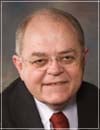
About Don Fortner
Don Fortner (1950-2020) served as teacher and pastor of Grace Baptist Church of Danville, Kentucky.
Comments
Your comment has been submitted and is awaiting moderation. Once approved, it will appear on this page.
Be the first to comment!