Bootstrap
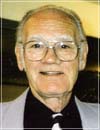
Scott Richardson

We Are Without Excuse Before God

Genesis 1:1
Scott Richardson September, 1 2001 Audio
0 Comments

Sermon Transcript

Auto-generated transcript • May contain errors

100%
I will turn with me to the first book of the Bible, Genesis chapter 1 and verse 1. I want to try to emphasize here
this morning, if I can, the Bible, the Word of God, and God himself. It says here in this first verse, In the beginning God created the heavens. and the earth in the beginning. The written word, the fifty some books of the Bible, these holy men of old, inspired
of God, put down in words what God said. The Bible has endured these several
thousand years, still as fresh and true as it
was when God spoke it. A wise man once said that books
are to be tasted. Some books, anyhow, are to be
tasted. Others are to be swallowed, and
some few to be chewed and digested. So, according to this man's revelation,
according to his thoughts, his ideas, the man who just tastes
this book, the Word of God, probably won't like it. It probably won't
be safe for him to swallow it. chewed and digested, it will
strengthen his faith to no end. It will help him by revealing
to him how great and wonderful God really is. I heard someone
preach one time on the great things that God hath done for
us. If a man will chew and digest
this book, not only will his strength be made strong, and
he'll be strong in the Lord, but he'll find out by revelation. the great and glorious things that God has done for us. So
I don't have any mind or purpose or will or intention of making
an argument for the existence of God in the beginning. God. And that will be enough
for me in the beginning. So I have no reason or certainly
no intention to make an argument for the existence of God. I just
want to start where the Bible starts, in the beginning. In the beginning, God created
the heaven and the earth. Now, the Bible just assumes the
existence of God. And so we'll start where the
Bible starts. The Bible assumes, certainly,
the existence of God. And I assume that you and I,
as we meet here together this morning, this Sunday morning,
will assume the same as the Bible assumes, the existence of God. that God
does exist. I hope that there is no one here,
under the sound of my voice, that will this morning doubt
the existence of God. There are so many witnesses to
the existence of God that the Bible in itself makes
no makes no effort to prove the
existence of God. You can read from Genesis 1 to
the last chapter and the last verse in the book of Revelation,
and nowhere in the Bible does it make an effort to prove that
God is. The believer knows that God always
was and always will be in the beginning God. And we just don't
question it. Evidences are numerous throughout
the pages of the Scripture that God does exist, but it does not
attempt to invent arguments or make up an argument to prove
that God is God. He is God, He does exist, and
the Bible makes no effort to prove it. Now, there is a witness in nature that God is. Over here in this nineteenth
Psalm, if you will turn with me and we will read that together
here this morning. Psalm 19, the 19th Psalm and the first verse. This is a witness that the Bible
gives. It says, The heavens declare
the glory of God, and the firmament showeth his handiwork. So not
only does the Bible give witness to the existence of God, but
the nature gives evidence also of the existence of God. The heavens,
the heavens itself declares the glory of God. Astronauts went up into the sky,
into the outer space. They see no evidence of God. And the Russians went up and
they said, Well, where is this God that they talk about? We
haven't seen Him. But the Bible says that the very
nature declared The heavens declare the glory of God and show forth
His handiwork. So we have the witness of nature,
speaks loud to prove beyond a shadow of a doubt in the existence of
God in whom we must give an account, as I've already said. doesn't make any effort to prove
it, but nature certainly sets forth evidences of the existence
of God. The voices of these witnesses
of nature have been heard in every language and in all places
upon the face of the earth. And it's also true that in times
past, God hath suffered all nations to walk in their own ways. Now,
if you'll turn with me here to Acts chapter 14. Acts chapter
14. I'll read from this fourteenth
chapter. It says here in the 11th verse of this 14th
chapter, these people had heard Paul speak. And when the people saw what
Paul had done, that is, he had performed a miracle here, was
crippled from his mother's womb and had never walked one step
all the days of his life. And Paul healed him. He perceived
that he had faith to be healed, and Paul said with a loud voice,
Stand upright on thy feet. And he leaped and walked. And
when the people saw what Paul had done, They lifted up their
voices saying, in the speech of Lacedonia, the gods are come
down to us in the likeness of men. And they called Barnabas
Jupiter and Paul Mercurius because he was the chief speaker. Then
the priest of Jupiter, which was before their city, brought
oxen and garlands unto the gates and would have done sacrifice
with the people, which when the apostles Barnabas and Paul heard,
they rent their clothes and ran in among the people crying out,
saying, Sirs, why do you do these things? We also are men of like
passions with you and preach unto you that you should turn
from these vanities unto the living God which made heaven
and earth and the sea and all things that are therein. Who in times past suffered all
nations to walk in their own ways Nevertheless, he left not
himself without witness, witness of his existence. Nevertheless,
he left not himself without witness in that he did good and gave
us rain from heaven and fruitful seasons filling our hearts with
goodness and gladness. And with these things scarce restrained they the people
that they had not done sacrifice unto them. That is, having grace, our God being full of grace,
full of glory, full of full of truth, His grace did not operate
here in their salvation. But at the same time, He didn't
save these people, didn't make known unto them His will or His
purpose concerning them. He did good and made them glad
by sending rain from heaven and fruitful seasons. And then here
in the book of Romans, chapter 1 and verse 20, it says this, Romans 1 and 20, it says, For
the invisible things of him from the creation of the world are
clearly seen. We are talking about the witness
of nature that God does exist. God has not left himself without
a witness. It says in this nineteenth verse, Because that which may be known
of God is manifest in them, for God hath showed it to them. For the invisible things of him
from the creation of the world are clearly seen, being understood
by the things that are made, even his eternal power and Godhead,
so that they are without excuse. I said at the outset that every
man, woman, boy or girl, every being that God has brought into
being shall one day stand before God and give an account of his
deeds, whether they are good or bad. And I'm saying that they
will be without excuse, Even nature itself has revealed
the existence of God, being understood by the things that are made,
even His eternal power and Godhead, so that they are without excuse. Because that when they knew God,
when they knew God, they found out that that's not the God that
they wanted. When they knew God, they found
out that the God of truth, the God of creation, was not the
God that they wanted, and so they glorified him not as God,
neither were thankful, but became vain in their imaginations and
in their foolish hearts was darkened, professing themselves to be wise,
they became fools and changed the glory of the uncorruptible
God into an image made like corruptible man and birds and four-footed
beasts and creeping things. Wherefore God also gave them
up to uncleanness through the lusts of their own hearts, to
dishonor their own bodies between themselves. Now, his eternal
power and deity are clearly seen in the visible things which he
created, so that renders man without excuse. Now, there is
also the inner witness of a man's conscience. Romans chapter 2, the same chapter
that I read, or the same book that I read from, only in another
chapter, chapter 2 of the book of Romans, and verses 14 and 15, it has this
to say. It says, For then the Gentiles,
which have not the law, do by nature the things contained in
the law, these having not the law, are a law unto themselves,
which show the work of the law written in their hearts, and
their conscience also bearing witness, and their thoughts the
mean while accusing or else excusing one another. So there is also,
apart from nature being a witness of the existence of God, there
is the inner witness of the human conscience. And every man has
a human conscience. The voice of nature and in the
conscience loudly and boldly proclaims the existence of the
true God. So I'm trying to emphasize here
this morning, of all of us that's here this morning under the sound
of the Word of God, all of those that are outside who are not
interested in the Word of God, wherever they are in the four
corners of the earth, must give account unto God who exists. whether they believe it or not,
whether they've done good or whether they have done bad. So
the witnesses of nature and the witnesses of the conscience of
the human being all prize out that there is a God in this universe
who's in control, who does as he pleases, who's sovereign in
every respect, And he claims that we shall give an account
unto him, even for the very thoughts that we think, and every act that's evil regardless. Well, so we have the voice of
nature in the conscience, as well as the voice of the conscience. So for all practical purposes
then, I know men have spent a lot of time, a lot of effort, a lot
of brain power in trying to establish the existence of God, but really
there is no practical reason or purpose or necessity for proving
the existence of God, none whatsoever. a man who sought to ridicule
the very idea of God. And there was a man that lived
in close proximity to him who claimed that he was a believer
in God. So this man who had it in his
mind to ridicule The very idea of God asked this neighbor who
was a believer, he asked him this question. He said, Have
you ever seen God? And the believer whom he asked
the question to had to admit that he had never seen God. He
then asked this neighbor if he had ever heard God speak. And
the believer who he was speaking to said, No, I've never heard
God speak. And then he continued on in his
questioning and he said, Have you ever tasted God? And he said,
No, I've never tasted God. He said, Well, have you ever
smelled God? He said, No, I've never smelled
God. the believer admitted, he said, that with the physical senses
I have never apprehended God. And that seemed to shut the mouth
of the atheist because he continued on by asking this atheist who
was determined to ridicule the idea of God, he asked him, he
said, Did you ever tell a lie? That is, the believer asking
this atheist, Did you ever tell a lie? And the atheist had to
admit and confess that he had told a lie. So the believer said,
Well, how did you feel when you told that lie? And he said, Well,
I had an uneasy and an apprehensive feeling about telling that lie. Well, this apprehensive feeling
that comes upon the conscience is a testimony of the conscience
telling this man that there is a God. And so it is with us this
morning. Have you ever told a lie? Well, if you've told a lie, you
know you told a lie, and you do have a different feeling that
you had before you told the lie. And that is the evidence of the
conscience being witnessed that there is a God in heaven in which
you must give account for the deeds done in the body, whether
they be good or bad, and that you must give account. You must give account of everything
said and everything thought. We've got to give account unto
God who does exist, whether we believe he exists or not, And
we are without excuse because nature itself witnesses that
there is a God in whom we must give account and our conscience
tells us that there is a God and we must give account. And
if a man's conscience is not seared, now there is such a thing
as a seared conscience. that his conscience has been
so bombarded with the true witness that there is a God that this
man has so rolled it over and turned it off to the place that
he has a seared conscience. But if he doesn't have a seared
conscience, then the witness of the existence of God is indelibly
printed on that conscience and he knows then that he must face
this God who knows all about him, who knows his uprisings
and his down setting. There is a God, a moral law giver, that all men
must give account. And every person that feels God
in his conscience, if it has not been seared or tampered with,
has got to give an account unto God, every single solitary one. The atheists, they are practical
atheists, all over the United States, all over the world. As
a matter of fact, about every other person, more so than that,
I guess. Almost everybody are practical
atheists. And a practical atheist is what
Some people call an educated fool because there is no atheist among
the demons. The devil himself is no atheist. The Bible says that the demons
tremble. It says they believe and they
tremble. He doesn't tremble and he doesn't
believe in God. But that does not do away with
the existence of God because he doesn't believe there is a
God. There's no saving life in nature. Nature, the clouds, the rain,
the earth and the plants growing and all of that are evidence
undeniable evidences that there is a God who exists, who is the
creator of all things. But this same nature that gives
that evidence, there is no saving light in that nature. You can
believe that there is a God because plants grow and He makes the
snow and the rain to fall, Still there's no saving light in it,
there's no salvation in the light of nature, none whatsoever. The
witness of God in nature does not constitute gospel light,
and a man must have gospel light. He's in darkness and he must
have light. He sees, but he cannot see. I say that the witnesses of God
in nature do not constitute gospel-like. They are sufficient though to
render all men without excuse, and that is what I read to you
there in the second chapter of the book of Romans. So they are
without excuse, but they are not efficient as a means of salvation. Though we see the evidences of
God, and the evidences are true, they are not efficient to the
saving of a soul. They are sufficient enough to
make men know that they are sinners, but they have nothing to say
about a saving. witness of the Bible is a witness
of God sending a Savior. There is a man sent from God
whose name was John, and he come to tell us about a Savior. He said, His name shall be called
Jesus. for he shall save his people
from their sin. But the witness of nature does
not tell you that. The witness of the conscience
tells you that there is a God, but the witness of the conscience
does not tell you anything about the Savior. So you are without
excuse. They have nothing to say about
a Savior. There must be a further revelation
of God before man can know Him in the forgiveness of sin. And
this revelation is in the written Word. And the written Word is
the Lord Jesus Christ. He is the incarnate Word. The Word was with God and the
Word was God. And the Lord Jesus Christ is
God, and He is the Word of God. And this revelation in His written
Word as a witness to the incarnate Word, the Lord Jesus Christ,
and the Bible says in Isaiah chapter 53, well, let me read
that, Isaiah chapter 53. This is what the Bible says about
that. the written Word about how we
know God. Well, in the 11th verse it says
of this 53rd chapter, and this 53rd chapter is all about the
Lord Jesus Christ, the Savior of sinners. Who hath believed
our report, and to whom the arm of the Lord is revealed? It talks
about He who was despised and rejected of men, a man of sorrows,
acquainted with grief. We hid, as it were, our faces
from him. He was despised, and we esteemed
him not. He hath borne our sorrows, carried
our griefs. We did esteem him stricken, smitten
of God, and afflicted, wounded for our transgressions, bruised
for our iniquities. The chastisement of our peace
was upon him, with his stripes we are healed. All we like sheep
have gone astray. Then he comes down to verse 11.
It talks about this person here, this one that was acquainted
with grief, a man of sorrows, a man that was afflicted. It
says, He shall see the travail of his soul. He shall see the
travail of his soul and shall be satisfied. Now listen to this,
And by his knowledge shall my righteous servant justify many
for he shall bear their iniquities. I said that this revelation is
his written word as a witness to the incarnate word, the Lord
Jesus Christ, and by the knowledge of whom many shall be justified. Men, by nature, are religious
beings, by nature. That is, when they're born, they're
born religious. They have that nature to be religious. Now, apart from the teaching
of the Bible, and apart from regeneration, apart from being
quickened from the dead, apart from being born again, A man
will either become an atheist or an idolater. This is the best
education can do apart from the grace of God. If you're not the
subject of the grace of God, if you're not the object of God's
salvation, you'll either become an atheist out and out, or an
idolater through and through, because this is the best that
human nature can produce apart from being born of the Spirit
of God. And it's just as bad for you
and I to invent a God of our imagination, and most people
have invented a God of their imagination. They imagine that
their God will not punish them. that their God will let them
get by with this and that and there will not be any judgment. They'll never be exposed that
God is too good to hurt them or to do anything harmful to
them. Their God is a God of love and
He's not a God of judgment. He's not a God of condemnation. He's a good God and he loves
everybody and that's inventing a God of your imagination and
it's just as bad to invent a God of your imagination as it is
to make a God out of wood or a God out of stone. There's no
difference in the two. So a God of your imagination
just won't get the job done. people in Greece, in Athens,
in Paul's day, they had a god of their imagination. They made
a god with their hands and they worshipped this god. They had many gods. They had
a god standing here and a god standing here and a god standing
here. They had many gods that they made. was a figment of their
imagination and they had one God here that they inscribed
on the bottom of that model of their God, the unknown God. And the Apostle Paul preached
to them on the unknown God. They had their gods and they
had one here who was an unknown God and Paul said, I'm going
to tell you who this unknown God is. Do you remember that
incident? So the unknown God was the God
that Paul preached to and told him about. Let me, if I can find
that here in the book of Acts, and read it to you. If I could find that hurriedly,
I don't know whether I can or not. Chapter 17. They wanted to know about this
new doctrine whereof thou speakest of. For thou bringest," 20th
verse there, 17th verse says, "...therefore disputed he in
the synagogue with the Jews, and with the devout persons in
that market, and daily with them that met with him. Certain philosophers
of the Epicureans and the Stoics encountered him, and some said,
What will this babbler say?" Speaking of Paul. or some, others
some, he seemeth to be a setter forth of strange gods, because
he preached unto them Jesus and the resurrection. Then they said, May we know what
this new doctrine whereof thou speakest of, for thou bringest
certain strange things to our ears. We would know therefore
what these things mean. for all the Athenians and strangers
which were there spent their time in nothing else but either
to tell or to hear some new thing. Then Paul stood in the midst
of Mars Hill and said, Ye men of Athens, I perceive that ye
in all things are too superstitious. For as I passed by and beheld
your devotions, I found an altar with this inscription, To the
unknown God, whom therefore ye ignorantly worship. And then
Paul says, Him I declare unto you, God that made the world, and
all things therein. seeing that he is Lord of heaven
and earth, dwelleth not in temples made with hands, neither is worshipped
with men's hands, as though he needed anything, seeing he giveth
to all life and breath and all things, and hath made of one
blood all nations of men for to dwell on all the face of the
earth, and hath determined the times before appointed, and the
bounds of their habitation." Now he speaks there of God's
sovereignty, doesn't he? He's made of one blood all nations
of men. He hath determined the times
before appointed. and the bounds of their habitation,
that they should seek the Lord, if happily they might feel after
him and find him, though he be not far from every one of us. For in him we live and move and
have our being, as certain also of your own poets have said,
for we are also his offspring. For as much then as we are the
offspring of God, we ought not to think that the Godhead is
like unto gold, silver, or stone, graven by art and man's device. At the time of this ignorance,
God winked at, but hath now commanded all men everywhere to repent,
because he hath appointed a day in which he will judge the world
in righteousness by that man whom he hath ordained." He'll
judge every individual. by that man, the Lord Jesus Christ,
whom he hath ordained, whereof he hath given assurance unto
all men, in that he hath raised him from the dead. And when they
heard of the resurrection of the dead, some mocked, and others
said, We will hear thee again of this matter. So Paul departed from among them. He didn't argue with them. He
didn't any more try to prove the existence of God or emphasize
the fact of judgment, that they would be judged by this One whom
God has sent, even the Lord Jesus Christ. But he went his way,
and I suppose hoping to return again sometime to preach to them,
but he preached to them as his subject, the unknown God. Well, what I am trying to say
here this morning is that the unknown God has made Himself
known in the person of the Lord Jesus Christ, and the only place
that we will ever find any Any relief of conscience will be
in this person whom Paul said was an unknown God, the Lord
Jesus Christ whom God has sent. He sent him specifically to enable
him to be just and justifier of him that believes in Jesus.
And we have the witness of nature. to tell us that God's true, we
have the witness of our conscience to verify it. Our conscience,
when our conscience are smitten, when our conscience are wounded,
and only the balm of Gilead can heal the wounded conscience. And the balm of Gilead is none
other than the Lord Jesus Christ. And so if you hear nothing that
I've said this morning, you remember this. because he hath appointed
a day in which he will judge the world in righteousness by
that man whom he hath ordained. Can you remember that? Because he hath appointed a day,
a day of judgment. He's not here to judge people
now. They're already condemned. He that believeth not is condemned
already. Judgment. Judgment comes there. you are condemned now, the affirmation
of condemnation will be made known then. So all men, you see,
all of us, big or little, great or small,
we all got to stand before God and give account for the deeds
done in the body, whether it be good or whether it be bad.
So whatsoever you eat or drink, do all to the glory of God. But
those who believe in the Lord Jesus Christ, believe that God
sent him, believe that he satisfied the justice of God on their behalf,
they are not condemned. They are not condemned. There
is no condemnation in them. They will go to be with him.
They will be exonerated. He will say, Come ye prepared
of the Father, come ye on my right hand. And he'll say to
the goats, Come ye o'er my left hand. God help us to give thought,
to give thought to the fact that judgment, judgment is nearer
than we think. Judgment. I think about it, maybe it's
because I'm not far from eternity, but I think about Jacob. But
I can look down that dark road and look back at my past and
my present and know that in myself I am the most unworthy creature
that ever lived. I know that there is not a single
ounce of goodness of my own that I can present to God. And when
I think of that, darkness. Darkness hovers over my soul. But all at once, light comes
in and tells me that the Lamb of God took my place. That God sent His Son. And God's
Son, the Lord Jesus, answered for me. Answered for me. bore what I ought to have borne, answered all the charges and
all the claims against me, made me free, and I can go into this
thing with my eyes wide open, joy and thanksgiving in my heart,
all by the grace of God. I wasn't looking for God when
God found me. I was running from God. I didn't
want to hear anything about God. I was very well pleased and satisfied
with my life and with myself, and I wasn't looking for any
help from anybody else. Thank God that He sought me. He sought me and He found me
and brought me home. Is that the way it was with you?
That's the way it is with all of us. None of us looking for
God. None of us want God. We're like
those that Paul wrote about. They took one look at him and
said, this ain't the kind of God we want. But he makes us
willing in the day of His power.
Scott Richardson
About Scott Richardson
Scott Richardson (1923-2010) served as pastor of Katy Baptist Church in Fairmont, West Virginia.
Broadcaster:

Comments

0 / 2000 characters
Comments are moderated before appearing.

Be the first to comment!

Joshua

Joshua

Shall we play a game? Ask me about articles, sermons, or theology from our library. I can also help you navigate the site.