Bootstrap
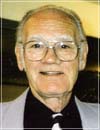
Scott Richardson

Faith Is The Substance Hoped For

Hebrews 11:1
Scott Richardson July, 8 2001 Audio
0 Comments

Sermon Transcript

Auto-generated transcript • May contain errors

100%
Faith is the substance of things
hoped for, or the ground or confidence of things hoped for, the evidence
of things not seen. All these spiritual things that
we talk about, things that are unseen but hoped for, that's
the ground of our confidence. Yet the elders obtained a good
report. It was through faith we understand
that the worlds were framed by the Word of God, so that things
which are seen were not made of things which do appear. The
worlds were framed by the Word of God. unto God a more excellent sacrifice, a more excellent sacrifice than
his brother Cain, by which he obtained witness that he was
righteous. He was righteous in another.
His sacrifice was the type of the righteous Lord. standing
in our place and room instead, shedding his blood for the remission
of sins, establishing the righteousness that would make us accepted. God testifying of his gifts,
and by it he being dead yet speaketh, or is spoken of. was translated that he should
not see death, and was not found, because God
had translated him. For before his translation, he
had this testimony, that he pleased God. But without faith, it is
impossible to please him. For he that cometh to God must
believe that he is. And I oftentimes think when I
read this passage, For he that cometh to God must believe that
he is, as he has revealed himself in the Scriptures. That is what
we must believe, as he has identified himself. and that he is a rewarder of
them that diligently seek him. By faith, Noah, being warned
of God of things not seen as yet, moved with fear, prepared an
ark to the saving of his house, by which he condemned the world
and became heir of the righteousness which is by faith, that which
God requires. Righteousness, that's what he
requires. I have said and will say again
that when we talk about this righteousness that God requires,
What I'm trying to say is this, that God, who is sovereign in
all aspects and in all things, yet before any sinner can be
saved by the grace of God, God must do something for himself
before he can do anything for me as a sinner. What must God
do? Well, what God demands is righteousness. He demands that the law, holy
law, be fulfilled. God demands that. So what God
demands, He provides in the person of the Lord Jesus Christ, who,
as God, is the Lawgiver, and as a man, He is the Lawful Fulfiller. And as a man who had no sin,
He bears the punishment of the sinner. So God cannot do anything
for you or me until he does something for himself. So what God demands,
God provides. God's justice must be satisfied,
and the only thing that can satisfy His justice is a righteous sacrifice,
and by the sacrifice of this man who offered himself once
and for all. It's Jesus only. So by the grace
of God, we're saved by and through the Lord Jesus Christ, who God
provided. He was sent of God, and He was
God. All right? It says that Noah became heir
of the righteousness that God provided, which comes to us by
faith. No man can come to God except
by faith. And faith is an alien to our
nature. It's not something that we have. We don't have faith. We don't
have anything. We have nothing but sin. You
will not come to me that you might have life if you have no
faith. And if you do come, it's because God has given you faith. He's given it to you, and faith
worketh by love, the love of God shed abroad in your heart.
And it brings you to him who can solve all your problems.
And those that have faith are those that God chose unto himself
before time ever was. and all the rest have no faith,
and they can't make God give them faith. There's nothing they
can do that will cause God to give them faith. You say, well,
that ain't fair. Why is it not fair? God is holy
and righteous, and he can do no wrong. by faith Abraham when he was
called. And of course, the callings of
God, the gifts and the calling of God are without repentance. If he makes a call, he never
changes his mind. God is not capable of changing.
He is what they call immutable. He doesn't change because he
is incapable. of change. I'm capable of change. I change every five seconds. God never changes. And so, by
faith, when Abraham was called, God called him. He calls every
sinner that winds up in the bosom of the Lord Jesus,
it's because God called him, gave him faith. And he was called
to go out into a place which he should, after receiving foreign
inheritance, wound up in the land of Goshen,
across the Jordan, in the land of milk and honey. He obeyed, and he went out. And you know where he's going.
Now, you talk about faith. He left his whole family back
there. He had a nephew who went with
him, old Locke. His dad, I think, started and
maybe died on the journey. Old Baden, he went out not knowing
where he went. By faith he lived or sojourned
in the land of promise, as in a strange country, dwelling in
tabernacles with Isaac and Jacob, the heirs with him of the same
promise. And he looked for a city which had foundations, whose
builder and maker is God. Through faith also, Sarah herself
received strength to conceive seed, ninety-some years old,
and was delivered of a child when she was past age, when it
was an impossibility, she believed God. She judged him to be faithful
who had promised. Therefore sprang there even of
one, and him as good as dead, as Abraham, so many as the stars
in the sky and multitude, and as the sand which is by the seashore
innumerable. These all died in faith. not having received the promises. They lived by faith, they walked
by faith, and they died by faith, never having received the promises,
only in type. But they believed God. They believed
that He would fulfill His promise. But having seen them afar off,
that is, the promises, they were persuaded of them, And they embraced
them, and they confessed. Confessed what? They confessed
that they were looking for a city whose builder and maker was God. That's what they confessed. They
confessed that they were strangers and pilgrims here on this earth
and looking for another city. For they that say such things
declare plainly they seek a country. And truly, if they had been mindful
of that country from which they came out, they might have had
opportunity to have returned. But now they desire a better
country that is an heavenly country, wherefore God is not ashamed
to be called their God. for he hath prepared for them
a city." By faith, Abraham, when he was
tried, offered up Isaac. That's when Isaac said, Well,
we've got everything here we need to worship except the sacrifice. Father, we've got no sacrifice.
We've got the wood, we've got the fire, we've got the altar,
but where's the sacrifice? Now, here's the key to this whole
thing about God having to do something for himself before
he can do anything for you. Abraham said in answering Isaac's
question when he said, We've got everything needed here, where's
the sacrifice? And Abraham said, Son, God will
provide himself a sacrifice. And they looked up and there
was the sacrifice caught in the bushes. God must do something
for himself. He provided the sacrifice. God
become a man, and as a man, become our surety, stood in our place,
established our righteousness, paid in himself, suffered himself
on that tree, or he suffered from the time he came to the
time he left. Every thought that he had, every step that he took,
he took not for himself, he thought not for himself, his thoughts,
his steps, his doings, everything he did, he did as our substitute. To what? To provide us with a
righteousness that would meet the requirements of God, our
Lord Jesus. Well, Abraham, when he's tried,
offered up Isaac. And he that had received the
promises offered up his only begotten son, the type of God
the Father, of whom it was said that in Isaac shall thy seed
be called, accounting that God was able
to raise him up even from the dead. That is, in the mind of
Abraham, he had already killed his boy. And he did so believing that
if he obeyed God and cut this boy's throat and offered him
up as a sacrifice, God would raise old Isaac up from the dead. Even from the dead, from whence
also he received him in a figure. By faith, Isaac blessed Jacob,
and he saw concerning things to come. By faith, Jacob, when
he was dying, blessed both of the sons of Joseph, and worshipped,
leaning upon the top of his staff. By faith, Joseph, when he died,
made mention of the departing of the children of Israel, and
gave commandment concerning his bones." His bones were over in
Egypt. And they went and recovered his
bones and brought him back and buried him in the land of Goshen,
the land of milk and honey. Well, I'll stop there. We have a few minutes here this
evening to Luke chapter 18. Luke chapter 18. Our Lord here in this 18th chapter
begins by speaking a parable in that first verse. He speaks a parable unto them to this end for this reason,
that men ought always to pray and not to faint, not to give
up. Don't give up so quick. Just continue on praying. Well, anyhow, he said that there
was in a city a judge which feared not God, neither regarded man. And there was a wit in that city,
and she came unto him, saying, Avenge me of mine adversary.
And he would not, that is the judge, not for a while. But afterward he said within
himself, Though I fear not God, nor regard man, Yet because this
widow troubleth me, I will avenge her, lest by her continual coming
she weary me." Now, this is a parable. God never gets weary with our
coming. This is a parable story. He never
gets weary of our coming, asking for mercy and grace. But this
woman kept coming. He's going to teach men always
to pray, never give up. Because this widow, she bothers
me. She just continues. She's just got one objective. She won't let up. She won't give
me no rest. She makes me walk the floor. I've got to continually hear
her. The Lord said, hear what the
unjust judge says. And shall not God avenge his
own elect, his own people, elect, chosen in Christ, which
cry day and night unto him, though he bear long with them? I tell
you that he will avenge them speedily. When the Son of Man cometh, shall
he find faith on the earth, true faith. And he spake this parable, this parable that is contained
in verse 1 to verse 8. He spake this parable. He is
referring to the parable that he spake. certain which trusted in themselves
that they were righteous and despised others. And he said
two men went up into the temple to pray. The one a Pharisee,
that is a religious man, a very, very religious man was the Pharisee,
a religion of works. a religion of self-righteousness. One a Pharisee and the other
was a publican. The publican was known for his unscrupulous ways towards others,
looked down upon. And the Pharisee stood and prayed
thus with himself, God, I thank thee that I am not as other men
are, extortioners, unjust, adulterers, or even as this public. I fast
twice in the week. and I give tithes of all that
I possess. And the publican, standing afar
off, would not lift up so much as his eyes unto heaven, but smote upon his breast, saying,
God be merciful to me, a sinner. I tell you, this man went down
to his house justified rather than the other. For every one
that exalteth himself shall be abased, and he that humbleth
himself shall be exalted. Let's talk a little bit about
these two men. Now this Pharisee, this religious
man, it's self-evident that he was
a self-righteous man. And to be self-righteous, all
of us are tainted with that sin of being self-righteous one time
or the other or most of the time. But we are all self-righteous,
to a point self-righteous. Now, this man was self-righteous. Now, the true cure, there is
a cure for self-righteousness. And the true cure for self-righteousness
is self-knowledge. That's the cure. self-righteousness,
self-knowledge. Once the eyes of our understanding
be opened by the Spirit of the living God, one thing we won't
do is we won't talk about ourselves because we find out what we are. When you find out what you are
and who you are, that will dispense self-righteousness to a point
anyhow. Once we see the blackness of
our black hearts and once we see what God's holy law requires
of us, some of that conceit and self-righteousness
will die. Maybe not all of it, but it will
sure stunt its growth. It will not be the champion. It will not be
the conqueror of the soul. It will still be there, but it
will not fully conquer a man's soul. When a man finds out how black
he is, how bad he is, and how far off from God he is by nature, then he'll lay his hand on his
mouth and about the only thing he'll cry out to God is, I'm
unclean, I'm unclean. I want you to notice that this
prayer of this Pharisee, this religionist, this prayer which
our Lord condemns, he says, God, I thank you that I am not as
other men are. They are extortioners. They are
unjust. and adulterers, I'm not even
like this publican here. I fast and I give tithes. Now, there's one glaring effect
or defect that stands out on the face of this religious Pharisee's
prayer. It displays or reveals no sense
of need in this Pharisee's heart. There is no confession here of
his sin. There is no petition. There is
no acknowledgment of his guilt and his emptiness. There is no
pleading in his prayer. There is no asking for mercy
or for grace in his prayer. proud, high-minded profession
that is destitute of humility and charity. That's evidenced
by him measuring himself by his neighbors. You can't measure
yourself by your neighbors. That will stand you in good stead. If we're going to measure ourselves
at all, let us measure ourselves by the requirements of God, what
God requires. God requires that a man love
God with all of his heart, mind, soul, and strength. Measure yourself
by what God requires out of you. Don't measure yourself by your
neighbors. If you act on this principle,
the principle of measuring yourself by the requirements of God, you
will never wind up being a Pharisee. Now this publican, he had a prayer
there. And at the end of the story,
the Lord said of the two men, the religious man who wasn't
like this other man, and who'd done all these things, and who'd
give 10% of his money, who fasted so many times a week. He went down to his house, but
he wasn't justified. And this man, other man, who
hadn't done any of these things, he went down to his house justified. I say was a real prayer. It was a real petition. A prayer which only contains
thanksgiving and profession and asks nothing from God is a defective
prayer. Maybe the prayer of this Pharisee
would be suitable for an but not suitable for a sinner. He
asked for nothing. He said, Look at me. Look what
I do and what I don't do. I'm not even like him. Well,
the publican in his prayer didn't speak of his neighbor, but he
spoke of himself. Notice what he said. Standing
far off, he wouldn't even come close. He got way over in the
corner someplace. And he would not lift up so much
as his eyes. He wouldn't even look up to heaven.
He was ashamed of himself. He knew he was on sacred and
holy ground. And he smote his breast, smote
his breast as if to say, I've got a bad heart. My heart's bad. The seed of my mischief, the
seed of evil is all right here. It's not what goes into a man
that defiles him, it's what comes out that defiles him. I've got
a bad heart. You who are the maker of the
heart, you know what's in that heart. It's a bad, it's a black
heart. And he couldn't even lift his
head, just smote his breast. And he said, God be merciful
to me, ask for mercy. You don't hear that proud Pharisee
asking for mercy. Oh, no. This generalities in prayer seems
to be defects or some of the defects in modern day twentieth
century religion. We need to get out of the we
and the our and us and get into the I and the me and the my,
like the poor public indeed. He says he wouldn't lift up his
eyes and have smoke on his breast and he said, God be merciful
to me. He didn't talk about his neighbors.
He said, I'm talking about me. God be merciful to me. This is
what I am, a sinner. He confessed plainly that he
was a sinner. Another thing, it was a prayer
in which, as I understand it, it was a prayer in which the
chief thing desired from the man who was praying was mercy. Remember, I read to you some
time back about David, who was a man after God's own heart. In almost all of the Psalms that
David penned under the inspiration of God, he always and generally
begins his song. God be merciful to me. God show
mercy. God show mercy. Have mercy on
me. It seemed to be his byword that
every time he bowed his head he asked God for mercy. And mercy here seemed to be the
thing that was desired most. from this poor publican. He desired
mercy. And God has plenty of mercy,
and God delights to show mercy to the poor, helpless, hopeless
sinner that has no confidence in himself. This religious man had confidence
in himself. This is what I do. I'm not like
them. But this is what I do. God must destroy that confidence
that we have in ourselves. See, the cure for all of this
is self-knowledge, self-knowledge of who we are. When we find out
who we are, we won't be telling God how great we are. We'll be
crying out like the publican did, I'm a sinner. My heart's
bad. Be merciful unto me." Well, even
though his prayer seemed to be weak, yet he displayed there in that
prayer his real need. He needed mercy. And every soul
outside of Christ needs mercy. We need mercy and we need grace. And that need will be the subject
of our prayers and our pleas until the very day that we give
up the ghost. Lord, show mercy to me. Give me grace for the next five
minutes. Keep me, Lord. I can't keep myself. His prayer came from his heart. He smote his breast. He smote
his breast like he felt that he couldn't express. He felt
like that that was in his heart was so great that he couldn't
express it. And the only way he could express
it was, God be merciful to me. I'm in bad shape and God hurt
me. They may quit by saying that
we're never in the way of salvation until we know that we're lost
and we're ruined and we're guilty and we're without hope and we're
helpless. Until we reach that point, there's
no hope for us. We've got to know, we've got
to have some self-knowledge of who we are. God be merciful. Happy is the man who is not ashamed
to sit down beside that publican and pray like that publican did. God be merciful to me a sinner. We've got nothing. I've told
you these many years that you've got nothing. absolutely nothing
that God desires. He doesn't need anything. He
won't be at loss for anything. If you don't come, God be merciful to me, a sinner. That's the sinner's prayer. Show mercy. Well, he concludes. He said, I tell you. That's the
Lord speaking. He said, I tell you. This man
went down to his house justified. Now, we talked about that this
morning. The minute, the second that a man's eyes of understanding
are open and he looks to him, in that second he is justified
before God. forever and forever and forever. The very moment. And this fellow,
when he said, God, be merciful to me, a sinner. God said, you're
justified. You're acquitted. He said, I
plead guilty. I'm a sinner. God said, you're
justified. I regard you as though you never
have sinned. Oh, I tell you, if this man went
down to his house justified, rather than the other. For every
one that exalteth himself shall be abased, shall be brought down,
and he that humbleth himself shall be exalted." All right. Let's stand and move the whole
thing.
Scott Richardson
About Scott Richardson
Scott Richardson (1923-2010) served as pastor of Katy Baptist Church in Fairmont, West Virginia.
Broadcaster:

Comments

0 / 2000 characters
Comments are moderated before appearing.

Be the first to comment!

Joshua

Joshua

Shall we play a game? Ask me about articles, sermons, or theology from our library. I can also help you navigate the site.