Bootstrap
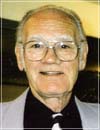
Scott Richardson

Grace, Which Was Given Us In Christ

2 Timothy 1:9
Scott Richardson July, 2 2001 Audio
0 Comments

Sermon Transcript

Auto-generated transcript • May contain errors

100%
Second Book of Timothy. Chapter 1. Second Book of Timothy. And let
us consider for a few minutes here this morning that ninth
verse. I've already mentioned that Paul was in prison at the
time of his writing this epistle. And it indicates it was shortly
before his death. For he says in chapter 3 and verses 6, it's indicative of what he says
here that we come to this conclusion that it was just a short time
before he died that he wrote to Timothy this book. He says, for I am
now ready to be offered. So he anticipated that shortly
he would put off this robe of flesh and go out into eternity
to meet the Lamb of God of whom he had dedicated his
life to serve, I am now ready to be offered. The time of my departure is at
hand." He seemed to understand that
he only had a short time left. Is he going to cut his head off? crucify him, take his life, I'm
sure, in some terrible way. He said, My departure is at hand,
the time of it. He said, I fought a good fight. He, in other places, talks about
the life of a Christian is compared to the life of a faithful soldier. that there's a battle that the
believer wages. He's got great enemies. His chief enemies are the devil. That's his chief enemy. And sin
is a monstrous enemy of the believer. And death is an enemy of the
believer. And there's a fight to be waged. There's a battle in this experience. Paul said, you know, when I want
to do good, he said, I find evil present. That which I want to
do, I can't do. An awful fight, wrestled with
it. But he says at the end of his
days, I've fought a good fight. I'm satisfied that I put up a
battle. And I finished my course like
a racer who started at the starting place and the course was charted out and
he run it and finished it. And therefore, he said, laid
up for me a crown of righteousness, which the Lord, the righteous
Judge, shall give me at that day. And it is thus not confined to
me, but not to me only, but unto all them, also that love his
appearing. So it was written while Paul
was a prisoner. He was a prisoner of the Lord
Jesus Christ. That was the reason why he was
in jail was because of his identification with the gospel. He was a prisoner
here, and he expected to die shortly. He's ready to be offered,
he said. He's finished his course. The
time of my departure is at hand. So he wrote to Timothy here.
to exhort and to encourage him in the ministry. He was in the
ministry with the Apostle Paul, and the Apostle Paul said he
was the son in faith. So he says, keep steadfast, keep on the course,
don't give up, be diligent, One place there
he says don't get involved in strife over words
and so forth. Avoid that. Prepare yourself
for hardships, persecution. Be a good example of the doctrine, and the doctrine is the set forth
in that ninth verse. Be a good example in doctrine,
in your personal life, in what you teach and what you preach
for the glory of God. And then he comes here to this
ninth verse, and he says this, hath saved us. Now in the eighth verse he ends
talking about the power of God. Be thou a partaker of the afflictions
of the gospel according to the power of God who hath saved us. Now, who hath saved us this morning? If we be saved, who saved us?
God hath saved us. If that does not mean that God
saved us, what does it then mean? If it doesn't mean that, what
does it mean? How can you get around these
four words? Who hath saved us? Who called
us? It says He saved us and called
us with a holy calling, not according to our works, but according to His own purpose. according to his own purpose
and grace which was given us. Now, this is the part that most religious people choke on. They choke on this. which was given us in Christ
Jesus before the world began. Well, let's talk about this a
little bit. Paul here, at least in my opinion,
had an unquenchable desire to influence his son in the faith,
Timothy. He wanted to influence him by
his own personal experience. Paul was a man of many gifts as well as of the grace of God. And he did not here attempt to
affect Timothy's life and ministry by appealing to his feelings. And I think that what Paul did
was true because the most effective way to remind men of the solid
doctrine of truth which Paul knew that Timothy believed, and
I think that certainly is an admonition to those who would
take up the ministry, is that they would be grounded in the
solid doctrine of the truth. of who saves sinners and how
he saves sinners, who hath saved us and called us with a holy
calling, not according to our works. The religious element
of our day, for the most part, they have a lot of fire, but they have no light. They have a lot of froth and
a lot of foam, but there's no substance to their preaching. Most preachers appeal to their
congregation in order to excite them, to get them excited. Not with substance, but with
froth and foam. If you can get the audience involved
in what you're saying, get them excited, get them to stand up
or sit down or raise their hands or begin to shout, promise them
something. If you do something, then God
will do something for you. They appeal to their feelings. But I've come to this conclusion
by my own experience and according to the teaching of the Word of
God, that a religion or a profession based upon upon feeling and excitement,
that is sustained and maintained by excitement and feeling, won't
amount to very much. It will last for a little bit,
but it won't see you all the way through. It won't be with
you when you need it. What you need when you die is
ready to meet God is the testimony of the Apostle Paul, for I am
now ready to be offered. I know in whom I have belief
and I am persuaded that he is able to keep that which I have
committed unto him against that day. It is evidence that Paul
knew something about this solid doctrine of how God saves sinners. There wasn't anything exciting
about sitting in jail, waiting for the hanged man to come along
and put the noose around his neck. But he had this solid truth
of the Bible on his side, and that's what sustains a man. That's what sustained Daniel
in the lion's den. was the solid truth of God. Excitement didn't mean anything
to him when the lines was about to eat him up. That's what maintained
and sustained the three Hebrew children when they were in the
fiery furnace, was the solid truth of who God was, what God
had promised. That's what sustained them. And
I believe that if you appeal to a man's understanding and
his intelligence, you ought to appeal the solid doctrine of
truth as to who God is if he's going to make it through this
life. This preaching to excite people is kind of like a feather
that floats in the air, it has nothing of its own to sustain
it. And when the wind dies down,
the feather floats to the ground. And that's about the way this
religion is that promotes excitement, talking about what God will give
you. preacher that I watch, I don't
watch them really, but they're on the television and you listen
a little bit to what they have to say. Every one of them that
I have come across on the television is telling those people out before
him that God wants to make them rich and they can become rich
if they'll meet certain conditions. You meet these conditions and
God will make you rich. If you're sick, you meet certain
conditions and God will make you better. Just over and over
and over and over. And there are thousands of people
in their audience. There's not just a handful. There's
not 40 or 50 in their audience, but they have great big tabernacles
and all the seats are filled and people are standing up, eager
to have their emotions attacked it, and stirred, and they believed
what the man says. They're all excited now, but
when it's over with, they all get in their cars and drive home,
and that's all they are to it. And then the next day, they come
back and go through, nothing solid to it. The only thing solid
is what Paul's talking about here. Who saved? I didn't save myself. Who saved
me? God saved me. Who saved you?
You didn't save yourself. If you're saved, God saved you. Let's not be afraid to say that. Well, anyhow, this religion of excitement, As a matter of fact, the Bible
says in one place, be not carried about with every wind of doctrine,
this doctrine of excitement. To teach the people the truth
which God had revealed to the apostle is the surest and the
most certain way to see people grow. in the knowledge of God
is to teach them the truth. Now, that's what we judge this morning
that this particular verse is teaching us. It's going to teach
us who saved us and who called us and what kind of a calling
it was. It was not according to our works.
but it was according to God's own purpose. In other words, if God has saved us, he has saved
us by and through the Lord Jesus Christ, and he did it on purpose. It wasn't because of who we was
or what we'd done or what we wanted to do. not according to
our words. Now, if that's not the meaning
of this particular verse of Scripture, then I don't know what the meaning
is. And if I don't know what the
meaning is now, in all probability, I'll die not knowing what the
meaning is if this is not the meaning, that God saved us. The Church didn't save me. My
friends didn't save me, my wife or children didn't save me, my
dad and mother didn't save me, and I didn't save myself. Well,
who saved you? Who hath saved us? God hath saved me. And all the glory belongs to
him, not to me. I had nothing to do with it.
It was on purpose. It wasn't an accident. It wasn't
an afterthought with God. He saved me, and if you're saved
this morning, he saved you on purpose, not because of your
works. You had none. Well, Paul then,
in stating his doctrine that he lived by and died by, begins
by saying, Who hath saved us and called us with a holy calling,
not according to our works, but according to his purpose which
was given us in Christ Jesus before the world began. Now here
he declares God to be the author of salvation. Who hath saved
us. He's the author of salvation. He's the author of our calling.
He saved us and called us. Now, this is an affirmation of
the doctrine of Jonah when he was in the belly of the whale.
He was shut up. It was an absolute impossibility
for him to get out of that jail in the whale's belly. And in
his despair, and when he came down to the end, he cried, Salvation
is of the Lord. That's what this text says, that
God who saved us, He's the author of salvation, saved us and called
us. It would be out and out dishonesty
on my part to make out that salvation is by man in this verse of Scripture. In this verse of Scripture, man
is only involved in the recipient of it. He is the receiver. He is the receiver and the taker,
but not the giver. It is God alone, by himself,
God the Father, that hath saved us and called us. The Bible says
that there is a way that seemeth right unto a man. But this text
here, who saved us and called us with a holy calling, not according
to our works but according to his own purpose and grace which
was given us before the world was, this text here, though a
man be a fool, a wayfaring man, this text is so plain that Though
a man be a fool and a wayfaring man, he can't fail to understand
this. He shall not err if he believes
this verse. The text says that God is the
author of salvation as plainly as a word can say it. The apostle says it as plainly
as he can. You can't get any plainer than
this. God hath saved us. How much plainer can you make
it than that? God hath saved us, called us
with a holy call. Now, in order to bring forth
that it is of the grace of God He declares that God directly
and entirely saves us. That's the grace of God. God's
sovereign. He is not compelled to save us. He's not compelled to save anybody. If he saves the whole world,
it would not add to his majestic being. It would not add to his
glory. It would give him no more authority,
no more wisdom, no more power than he has always had. He doesn't
need us. So if he saves us, it's by the
grace of God. It's by the good pleasure of
God. It's by the favor of God. He's not obligated. He's not
forced into a corner. There's no authority higher than
him that can direct him. He is the Almighty God, saved
by the grace of God. not according to our works, but
according to His own purpose, did it on purpose, did it because
He wanted to, according to His own purpose
and grace. And that grace was given us in
Christ, not when we first believed. That grace was given us before
the world ever Let's get started. Over here in the book of 1 John,
chapter 1, or chapter 5, there's a verse here I'd like to read
to you. Chapter 5, and verse 2. Well, verse 1. Whosoever believeth that Jesus
is the Christ is born of God. He's been quickened
by God. He's been made a fit subject
for God's heaven. Whosoever believeth that Jesus
is the Christ, is the Messiah, is the suffering Savior, is the
substitute, is the covenant head. Whosoever believeth that Jesus
is the Christ, the reason he believes it is, is because he's
born of God. God is the author of salvation. God is the giver and taker of
life. God has life. The life is in
the Lord Jesus Christ. and the sinner is dead in trespasses
and in sins and God must first quicken him from that dead state
and give him a heart of flesh that he might believe that Jesus
is the one that God sent to pay the ransom price and save his
soul. Not any Jesus. but the Jesus
that's identified in the Bible. Now, the Jesus that excites the
religionists of our day is a Jesus who is defeated in his purpose. That is, they say that Jesus
wants to do this and he wants to do that, but you will not
let him. His purposes is defeated and
thwarted. He can't do it because you won't
let him. Well, that's not the Jesus that's
identified in the Bible, and that Jesus that excites these
religionists in our day can't save a fleeing, and you can write
that down. Whosoever believeth that Jesus
is the Christ, as he's identified in this book, as the testimony
of God is concerning this Christ in this Bible. That's the Christ
that we are called upon to believe and to trust in. And everyone that loveth him,
the Christ of the Bible, everyone that comes to him, comes to him
in with all their sins, that loveth him that is begotten of
him. By this we know that we love
the children of God when we love God and keep His commandments. For this is the love of God that
we keep His commandments and his commandments are not grievous,
for whatsoever is born of God overcometh the world, and this
is the victory that overcometh the world, even our faith." Well, I think the apostle says
plainly here, that's God that saved us. Well, the Father himself Love you and I. And the reason was with him. The reason that God loved you
and God loved me cannot be found in ourselves. See, it's not according
to words. God did not foresee good things
in us and about us and good things that we would do. God did not
see that, there was nothing good in us. He concludes and says,
all have sinned and come short of the glory of God. Every one
of us are black sinners, nothing in us or about us or pertaining
to us that would get the attention of a holy God. So if he called
us, it wasn't because he foreseen something good in us, or something
good that we would do, or some knowledge that we had. There
was no goodness in us. The reason was in God, and it's
by his sovereign grace that he selected one and didn't select
another. He declares it is of God and
that it comes directly and entirely from God. The Father hath saved
us. Now, it was in the gracious mind
of God that he first conceived the thought of redeeming a people
that he chose unto himself. That was incubated in the very
mind of God Almighty. It was his thought. It was not
our thought. It did not come from the smartest
men that ever lived. It came from the mind of God. God had a thought in his mind
that I'll save so many out of Adam's fallen race, these that
were ruined by the fall. They're hopeless, they're helpless,
they can't do anything to change their nature. I'll do something
for them. I'll select some. And all that
I select will come to me. All the Father giveth to me shall
come to me. And him that comes, I won't cast
him out. under no circumstance. That thought
was in the pure, holy mind of God Almighty. He conceived that
thought. It was his mind which first planned
the way of salvation. In the mind of God, he first
planned it. planned the way of salvation,
how was that? By substitution. That was God's
thought. He thought of substitution. He thought about the Son and the Spirit. And he
said, I'll make a covenant with the Blessed Trinity here. And
they were in perfect agreement. And the Son, He said, I'll send
the Son as their substitute. Of course,
you know, God's not going to take anybody into the land of
gold, into the land of milk and honey. God's not going to take
anybody into His presence unless they be as perfect as His dear
Son. So he said, I'll send the Lord
Jesus Christ incarnate. I'll send him and he'll become
a man. He'll become that holy thing
in Mary's womb. It was a child given, but a son
was born. A son was born, not a son given. but a son was born, the Lord
Jesus Christ. God manned one person. And our Lord Jesus Christ in
his lifetime, every step he took, every thought he had, every move
that he made, every word that he spoke, was all in the process
of establishing a righteousness that would meet the demands of
God's holy law. And that righteousness that he
established and provided is charged to our account, is freely imputed
to us. And God can look upon us not
having to compromise his justice and compromise his holy law because
the holy law and justice has been satisfied by the man Christ
Jesus, our substitute. Why, what did he come for? He
came, well, his name is Jesus the Savior. He came to save us. His name shall be called Jesus
for he'll save his people from their sins. So it was in the
mind of God first that he planned the way of saving sinners. according to substitution. So
it was from his generous heart that thought first came that
Christ, the only begotten of the Father, should suffer as
their federal head, as their covenant head. He had that first
thought. That was in the mind of God.
And he had that in his mind before the foundation of the world, before there was anything. Space! There was no space, there
was no earth, there was nothing but God in eternity. And he filled eternity. and he
had this thought about us, I'll say, I'm going to redeem so many
of Adam's, so many that's been ruined by Adam's fall, I'm going
to redeem them. How am I going to do this? By
way of substitution, I'll send the Lord Jesus Christ. He should suffer for them as
their covenant head. Oh, listen. Turn with me again
here in the book of Ephesians, chapter 1. Let me read these
three verses, familiar verses with you. Chapter 1, it says,
Blessed be the God, blessed be his holy name, the Father of
our Lord Jesus Christ, who hath blessed us. Hath, it's
already done. Our salvation was complete before the fact. Not actually,
not literally, but in the purpose of God. It was a done deal before
there was any space. before there's any moon, stars,
or anything else is a done deal. He hath blessed us with all spiritual
blessings in heavenly places in Christ, even before the world
ever was. Now, listen to this. According
as he hath chosen us in him, in Christ, before the foundation
of the world, that we should be holy, holy in the Lord Jesus. and without blame in the Lord
Jesus Christ before him in love, having predestinated us unto
the adoption of children. Predetermined is what that means.
He predetermined that if I'm saved here this morning by the
grace of God through the Lord Jesus Christ, then God predestinated
me to be an adoption, to be adopted into God's family, and the reason
He did it was according to the good pleasure of His will. And
it all redounds to the praise of His glory, of His grace, where
He hath made us accepted in the Lord Jesus Christ, accepted in
the Beloved, in whom We have redemption through his blood. His blood washed us from our
guilt and our shame. Oh, the precious blood, the blood
of God, who has no blood, who is a spirit, washed us, redeemed
us through his blood and the forgiveness of sin. hath forgiven
us all of our sins, according to the riches of His grace. Oh, isn't that something? That
we should be holy and without blame before Him in love, having
predestinated us unto the adoption of children by Jesus Christ according
to the good pleasure of His will. The planned salvation of God
who saved us, in all of its details, in all of its ramifications,
in all of its workings, sprang from the wisdom of the Father. Wisdom and the grace of God,
it all comes from Him. The apostle here did not, in
any sense of the word, overlook the work of the Son. It is most
surely and certainly that through the Son of God that we are saved. It is not his name. His name
is above every name. And the apostles said there in
the book of Acts that there is no other name given among men
whereby we might be saved except the name of the Lord Jesus Christ. It is the name of Jesus incarnate
in the flesh, his holy, holy life of obedience is that robe
of righteousness which he freely imputes to our camp. His people
are clothed in his righteousness. They are accepted by God in Christ. We are accepted before God in
all of the acceptability of the Lord Jesus Christ of whom God
said, is my beloved Son in whom I am well pleased. His people
have been washed in his sacred blood, the blood of the Lamb,
washed from our sins, made whiter than snow by his precious blood. It is through the redemption
which is in Christ Jesus that the people of God become accepted
by the Father. And they are in full agreement
with this salvation brought by the Lord Jesus Christ. They fully
consent that that is the way they are saved. It is the Son
of God who is the Savior of men. And men are not the savior of
themselves. It's by and through the Lord
Jesus. But the apostle did not forget the third person of the
Trinity, the Holy Spirit. It's the Holy Spirit that first
gave us power to understand the gospel. If you can't understand,
the gospel this morning. It's because you have not the
spirit of power. It's the power of the Spirit
that gives us understanding of who God is and who the Lord Jesus
Christ is and the work of the Holy Spirit. The Son of God. He didn't forget
the third person. You see, the Holy Spirit illuminates
our understanding. He takes these things of the
Lord Jesus Christ and shows them to us because the carnal mind
understandeth not the things of God. Man, by nature, he doesn't
understand things of God, it takes the Spirit of God and the
power of the Spirit to develop and unfold and give us understanding
of what God has done for us in Christ Jesus. And when we have
that light, darkness is dispelled. And we hear the voice, Come unto
me, all ye that labor, and we fly to him. We've heard that
before. And we've read that before, but
it had no understanding and meaning to us. But when the Spirit of
God makes the application of the gospel to our souls, we fly
to Him. When He says, Come, we say, Get
out of the way, because here I come. Nothing could keep you
from coming when the Spirit enlightens your understanding to the knowledge
of the gospel, how God can be just and justifier of him that
believeth, how justice and mercy can embrace and kiss one another,
how God can save a sinner and not compromise his law. The Holy
Spirit teaches us that.
Scott Richardson
About Scott Richardson
Scott Richardson (1923-2010) served as pastor of Katy Baptist Church in Fairmont, West Virginia.
Broadcaster:

Comments

0 / 2000 characters
Comments are moderated before appearing.

Be the first to comment!

Joshua

Joshua

Shall we play a game? Ask me about articles, sermons, or theology from our library. I can also help you navigate the site.