Bootstrap
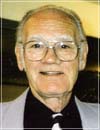
Scott Richardson

The Glory Of The Gospel

Scott Richardson March, 19 2000 Audio
0 Comments

Sermon Transcript

Auto-generated transcript • May contain errors

100%
chapter of the book of 2 Corinthians,
and we'll talk to you a few minutes from that particular portion
of Scripture. Someone said that the character
of a man hinges upon his relation to God. With many men And when
I say men, I mean men and women and boys and girls. With many
a man, men, women, boys and girls, God is just a mere name, a name to be pronounced reverently, more or less, and
nothing more. seemed to be strangers to the God of life, the God of
knowledge, the God of creation, the God and Father of our Lord
Jesus Christ. God is not in their thoughts. They have no motive whatsoever
to have a good thought concerning
God. But there is a few that have
understanding, that God has opened their understanding, gave them
life, knowledge of the glory of God in the face of Christ
Jesus. And I feel like that you all
that have gathered here this evening know something about
the glory of God. I want to mention just a few
things here. Let me read beginning at verse
1. Therefore, seeing we have this
ministry, as we have received mercy, we faint not. But having
renounced the hidden things of dishonesty, not walking in craftiness,
or handling the word of God deceitfully, but by manifestation of the truth,
commending ourselves to every man's conscience in the sight
of God. And if our gospel be hid, it
be hid to them that are lost, to whom the God of this world
hath blinded the minds of them which believe not, lest the light
of the glorious gospel of Christ, who is the image of God, should
shine unto them. For we preach not ourselves,
but Christ Jesus the Lord, and ourselves your servants for Jesus'
sake. For God, who commanded the light
to shine out of darkness, hath shined in our hearts to give
the light of the knowledge of the glory of God in the face
of Jesus Christ. But we have this treasure in
earthen vessels. that the excellency of the power
may be of God and not of us." I believe from reading this and
other various scriptures of the Apostle Paul that his understanding
was that the excellence of the gospel lay in the glory of the
Lord Jesus Christ. To me it is very evident that
the Apostle felt that the gospel was solely and altogether of
Christ Jesus the Lord. He felt like that Christ was
the author of the gospel. He was the subject of the gospel
and he was the end of the gospel. And in another place, he referred
to it as the glorious gospel of the blessed God. Now, Paul
preached that the glory of the gospel was bound up in the glory
of the Lord's person. He who is the Savior of men,
the only Savior is God over all and blessed forever. Now, that
is what Paul believed, and that is what Paul preached. And that
is what I want to talk to you about for just a few minutes
here this evening. You remember that it is written
in another place, here in the Scriptures, that when he bringeth
in the first begotten into the world, this is what he said.
Let all the angels of God worship Him in reference to God's Christ,
the Messiah, the sent one, the appointed, the anointed one. Let all the angels of God worship
Him. Well, with the angels of God,
we worship Him as God. worship Him. With the angels,
we worship Him, the Lord Jesus Christ, as God. Now, our Redeemer,
the Savior of sinners, His name shall be called Jesus, for He
shall save His people from their sins. Our Redeemer is also a
man, a man like ourselves. with this exception, that in
him there is no taint of natural depravity. No act of sin has
ever stained the character of this God-man, who, I remind you
again, was as much God as if he was never man, and as much
man as if he was never God. the God-man, the Lord Jesus Christ. No act of sin in word or thought
or deed ever tainted or stained his blessed character. Behold
the glory of him, God's Messiah, the Christ, who is God and man,
mysteriously united in one person. He is unique. The Bible says
he is the brightness of his Father's glory. This is the gospel that
the Son of God himself alone gladly undertook the salvation
of those that the Father gave him. And therefore, condescended,
and was made flesh, and dwelt among us, and we beheld his glory." Now, if we had here this evening
a vast, a large number of sick people, it would be the best
of news to these poor, sick, and dying people. If I could
tell them that I knew of a great physician,
a great doctor, who had devoted himself to their healing and
to their recovery. The more I would extol and describe
the excellences of this physician that I knew and felt like he
was coming our way, the more I would extol his abilities,
the more the good news would be to those poor, sick, and dying
people. And if I would say to them that
this doctor who I know and who I believe is coming to visit
you, if I told them that he was possessed
of infallible wisdom, that it seemed like that he knows all
things, he has unerring skill. And in him is united two qualities,
such as a loving tenderness and unlimited power. Now, you believe
me that if I said that to a group of sick and dying people, a smile
would immediately come upon their faces. And they would be so happy
to hear of this skilled physician who had all of these attributes,
who they felt like would be able to meet their needs and heal
their bodies. They'd be happy. I have not any
knowledge of such a person. But I'm telling you, I'm telling
you about him who has come to say that he's none other than
the glorious Christ of God. That's what I'm telling people.
That's what I've been telling people for year in and year out. for the biggest part of fifty
long years, I have been telling people about the glorious Christ
who is able to save. He is the Christ of God. He is
sent of God, anointed of God, appointed of God, and his chief
business is to save poor wandering sinners who cannot save themselves. That's what I'm talking about. He is able to save. And this one who is able to save,
and this one that I'm talking about, is none other than the
Christ of God. He's not an angel. He's not an
angel. He's not a mere man. But He is
Immanuel, God with us. Think of that! The great and
glorious God, whom the heavens cannot contain, has consented
and come down and become one of us, ready to save the worst sinners. this out of hand. He is infinite
in all of His resources, boundless in His grace. He is a Savior,
such a Savior, as a poor sinner needs. Now, if I was to make you doubt,
if I could say some things tonight that would question his deity
and cause you, or at least cause a suspicion of doubt to rise
in your intellect as to the deity of the Lord Jesus Christ. If
I could do that, I would not do it. I could not do it, but
by way of supposition, if I could do it and could convince you
of it, then I would cut away the foundation of your only hope. Because there is no hope whatsoever
in any other except the God-made. whose name shall be called Jesus.
He's God's Messiah and God's Christ. He's God's sent one,
as much God as if he's never man, as much man as if he's never
God. If you doubt his deity, if you
doubt who he is, you have cut away and destroyed. the very
foundation of hope. There is no hope. Paul, I believe,
believed that the glory of the gospel was in the Lord Jesus
Christ as to who he was, the God-man. Well, but while you see Him and
believe Him to be the very God of the very God, then you're
comforted and you're helped and encouraged to know that there's
nothing too hard for God. Nothing is beyond So the glory of the Lord Jesus
Christ is not only in his person, but it's also in his love. From all eternity, the Son of
God has loved his people long before he ever came on this earth. He so loved the men, women, boys,
and girls, whom the Father gave him, that he determined and purposed
to be one with them for their redemption, to pay
the price. And the price was life for life. He laid down his life. No man
took his life from him. Death could not come to him,
but he could go to death. He laid it down gladly, willingly,
cheerfully. He, out of love, and love for
the poor sinner laid down his life. He saw the whole company. He
saw the whole crowd. And in the book of the Revelation
it says that they saw a number that no man could know. out of
every tribe and every tongue and every race. And he saw that company of his
chosen in the glass of this poor knowledge. And he loved them
with an everlasting love. And that same love that he loved them with before
time was, is an immutable love that never changes. And that
love will never know any end. Herein to us is His glory. He loved us so that heaven could
not contain it. He must come down. He must leave
it all. He must clothe his deity with
his humanity and take upon himself our humanity and become a man
to rescue us, to deliver us from him, the devil. He loved us so
that heaven could not hold him. He loved us so that he descended
to redeem us. And the Bible says, having loved
his own, having loved his own, which were
in the world, he loved them. And that's something. He loved them to the end. And there's no end
to it. Our great physician, he loves
the sick. He delights to heal a sinner. Ah, he's the sinner's friend.
I love to sing that hymn. We sing it now and then. Jesus,
lover of my soul, if no one else loves me, if mother
forsakes me and father forsakes me, wife and children forsakes
me, oh, thank God, Jesus, the lover of my soul. No wonder Paul has seen the glory
of God in the face of the Lord Jesus. The glory of Christ is
not only confined to his person and to his love, but it is seen
also in his atoning sacrifice. You say, well, his atoning sacrifice
is depicted on the tree, depicted before they took him and hung
him on the tree, that they abused him, done all manner of evil to our
Lord Jesus. As a matter of fact, his whole
life, was one that he said that he was a man of sorrows acquainted
with grief, despised and rejected. From the time he was born in
Bethlehem's manger, born as an outcast, lived as an outcast,
died as an outcast, his humiliation stripped him of his garments,
whipped him publicly, crowned him with thorns, mocked
him, said he says he's a king. Well, most people say that was
his humiliation and his shame. Well, that's true. but to us
who believe, therefore it is His glory. You see, dear, dear
souls here tonight who are joined to God in Christ,
who have been quickened from that dead state and given life,
And Christ is made unto you wisdom and sanctification and righteousness,
to you, dear people. The gospel of the Son of God,
his doing and his dying, his suffering and his exaltation,
is the moral of the gospel. as morrow is to the bone. The substitutionary work of the
Lord Jesus Christ is the morrow of the gospel, and it is set
forth in these few words. Jesus suffered in our state. That is the morrow of the bone. That is the foundation. of the
gospel of the free grace of God. Jesus suffered in our state. He, his own self, bore our sins
in his own body, alone on the tree, for what was due against
us. against our sins, no more, no less. All that my sin deserved, sixteen ounces to the pound,
no more, no less. On the cross, on the tree, He
bore the whole weight. of divine justice that said the
soul of that sinner shall surely die. In our place, the whole
weight of justice, the glory of his sacrificial death was
that he blotted out forever globe of his sacrificial death,
brought it to man, put him away forever, never to rise up in
judgment against us, cast him as far as the East as from the
West, dropped him in the bottomless
ocean of his never to be remembered against us no more. My God, that's good news to a
poor sinner like me. Oh, I never heard nothing like
that up until I was about twenty-some years old. And when that fell
upon my ears, I said, the preacher said, that's good news. And he
underestimated that. That's better than good news.
It's like Husband John, I heard him say one time, once you get
the good news, you never have any more bad news. And that's
good news. The sacrificial death, the substitutionary
work of the Lord Jesus that He stood in my place, in my stead,
and bore the penalty, the punishment bore the punishment that was
due me against my sins and made an end of them forever and won't
even do what he can't do, which is he won't remember them against
me anymore. Oh, the glory of his sacrifice
was that he blotted out our sins and magnified the law of God
and made it honorable. establish righteousness and freely
imputed that righteousness to our camp. The Bible says that
he was delivered for our offenses and raised again for our justification. Oh, that blessed gospel! He who became obedient to death,
even the death of the cross. And in that mighty act, in that mighty act, he killed
death and overcome him that had the power of death, that is,
the devil, oh, the glory of his death, which is done away with
our condemnation. magnified God's holy law, established
everlasting righteousness and freely charged it to our account. That's the gospel of our salvation. He was dead. His holy body could
die. And they said he's dead. And
the only place for dead people is to put them out of sight. Put him in the tomb, he was dead,
and his holy body could die. But he could not see corruption,
so having slept a while, in Joseph of Arimathea's barred tomb. He exercised power over himself,
being God and man in one person. He displayed and exercised this
deity, this awesome power over himself and arose and conformed. And now it's not the dead Christ,
it's the living Christ who lives forever at the right hand of
God to make intercession for those for whom he died, poor
sinners like you and I. And that's all I've got to say
about that. Let's stand and obey this man.
Scott Richardson
About Scott Richardson
Scott Richardson (1923-2010) served as pastor of Katy Baptist Church in Fairmont, West Virginia.
Broadcaster:

Comments

0 / 2000 characters
Comments are moderated before appearing.

Be the first to comment!

Joshua

Joshua

Shall we play a game? Ask me about articles, sermons, or theology from our library. I can also help you navigate the site.