Bootstrap
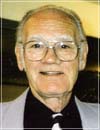
Scott Richardson

Christ, Our Rest

Matthew 11:28
Scott Richardson May, 10 1998 Audio
0 Comments

Sermon Transcript

Auto-generated transcript • May contain errors

100%
After the book of Job, if you'll put your finger on that tenth
verse, it says, Hast not thou made a
hedge about him? This is Satan, the devil. He says, Hast not thou, God,
made a hedge about him? About Job. Have you put a fence
around him? I can't get to him. And about his house. Have you
put a fence around his house and about him and about all that
he hath on every side? Have you set him apart there
and fenced him off Thou hast blessed the work of
his hands, and his substance is increased in the land." He
knew something about old Job. It says that Job had seven sons
and three daughters. It says that his substance also
was 7,000 sheep, 3,000 camels, 500 yoke of oxen, 500 she-asses, and a very great household, so
that this man was the greatest of all the men in the East. And
Satan knew all about him. But he said, Have you put a wall
around him that I can't get to it? He said, If you'll let me
lay my hand on him, I'll show you that he serves you for naught. But put forth thine hand now,
and touch all that he hath, the devil said, and he will curse
thee to thy face." Let him have some trouble. Things are going good now with
him. Great family, seven sons and three daughters and grandchildren. rich man, wealthy man. Everybody
revered old Job. But he said, put forth thine
hand now and touch all that he hath and he'll curse thee to
your face. He'll spit on the ground. And
the Lord said to Satan, Behold, all that he hath is in thy power. that is in your hand comes under
your jurisdiction. All that he's got, seven sons,
three daughters, seven thousand camels, all of his wealth, his
character, his reputation, all that he's got is in his hand.
Only upon himself put not forth thy hand. Don't touch him. Don't bother him. So don't kill
him. So Satan went forth from the
presence of the Lord. And there was a day when his
sons and his daughters were eating and drinking wine in their eldest
brother's house. And there came a messenger unto
Job, and said, The oxen were plowing, and the asses feeding
beside them. And the Sabians fell upon them,
and took them away. They have slain the servants
with the edge of the swords, and I only am escaped alone to
tell thee. And while he was yet talking,
there came another and said, The fire of God has fallen from
heaven and hath burned up the sheep and the servants and consumed
them, and I am the only one left to tell the story. And while
he was yet speaking, there came another and said, made out three
bands, and fell upon the camels, and have carried them away, yea,
slain the servants at the edge of the sword. I am the only one
left to tell the story. While he was yet speaking, there
came another, and said, Thy sons and daughters were eating and
drinking wine, and their eldest brother said, Behold, there come
a great wind from the wilderness, and smoked the four corners of
the house, and fell upon the young men, and they are dead.
Now I am the only one left to tell the story. Oh, my soul! Job arose and ran
his mantle, shaved his head, fell down upon
the ground, and worshipped, worshipped God. And he said, one of the most excellent statements made in
the whole of the Bible by man come forth from the mouth of
Job. Job said, Naked I came out of
my mother's womb. I didn't have anything when I
came into this world. I didn't have a thing. And he
says, Naked I shall return hither. I came in naked and I will go
out naked. What did the Lord give him? Gave
him life. Gave him a good life, the wealthiest
man in all of the East. Gave him seven sons and three
daughters, 7,000 sheep, 3,000 camels, 500 oxen, and 500 she-asses.
Gave him all life. He said, The Lord gave me all
of that, and now notice who he says took it away. The Lord gave
it to me. The Lord hath taken away. Well,
I thought the Sabians took it away. I thought it was because
there was a great wind and a great storm that smoked the four corners
of the house and all of that. I thought it was because of the
fire from heaven, the Chaldeans and all that. No, he said it
was all of the Lord. He said, The Lord gave it to
me and the Lord took it away. And he said, Blessed be the name
of God. I think that's a wonderful statement,
isn't it? That someone had some inside knowledge. as to his being, where he came
from, and who is running this show. And that is the issue right now. Always was and always will be. Who's in charge? Who's the boss? Who's running this old shooting It's God on the throne. He's on it all. Turn with me this morning to
the 11th chapter of the book of Matthew. Chapter 11. Matthew chapter 11 and verse 28. Verse 28, a very familiar verse. We have all who are acquainted with the Bible, to some degree,
we have all read this verse one time or the other. or have heard
others read this verse, or have heard others quote this verse.
And I myself have often preached from this verse, and I hope that
if God spares me, I will do so in the future, preach from this
verse. Come unto me, all ye that labor
and are heavy laden, and I will give you rest. All the Scriptures are true and
precious. all scriptures given by God infallible this scripture here very precious come unto me all
ye that labor and are heavy laden and I will give you rest we know that this is the Lord
Jesus Christ who makes this cry come unto me he cries aloud come
unto me all ye that labor and are heavy
laden now give you rest now his whole life's cry was, Come unto Me. It was the sacred and blessed
passion of our Savior's soul that motivated Him, that moved
Him to cry, Come unto Me, that He might confirm some favor upon
them who come." That was his last cry. That was the message of him whom
God had sent. Come unto me, and I will give
you rest. Who is He that says, Come unto
Me? Who is this voice? Who is this person? Who is this
man that so anxiously, which is indicated in the verse, Come
unto Me, all ye that labor and are heavy laden, burdened down,
come to Me and I'll give you rest. Who is this voice? Who is this person? Who is this
man that so anxiously desires that those who labor should come
to him? Who is he? Number one, he is the one that has often
been rejected himself. He says, come unto me. And he
who says it, his life is personified by rejection. Over here in the
first chapter of the book of John, it says this. I'll read it to you. John chapter
1. And verse number 11, it says that he was in the world,
this one that anxiously made this cry and whose life's work
was bound up in these few words, come unto me. It says that he
was in the world. The Lord Jesus Christ came down
from heaven, came down, condescended, came down. The Son of God came
down, said he was in the world. And it goes on and says that
the world was made by him. He came into this world And the
place He came into was made by Him. It's He that the Scriptures is
talking about. It's He who made this cry, Come
unto Me, all ye that labor in the heavenly land, and I'll give
you rest. I'll give you a special favor
to come to Me. into this world and made the
world that he came into and was rejected by the world. So him
who anxiously desires that men might come, that he would bestow
a special favor on them, is one who has been all of his life,
thirty-three years upon this earth, he has been rejected. came and was rejected. It says, "...and
he came unto his own, and his own received him not." He was born of a Jewish mother
and a Jewish father, although it was miraculous birth. He had no earthly father, but
he had an earthly mother. A sinful woman brought forth
a sinless man. And this man is none other than
the Lord Jesus. And he was a Jew, and he came
to the Jewish people. He came unto his own But his
own received him not. They rejected him. We don't want
him. We don't want him. It's strange, isn't it? Of course,
in the news right now they're talking about Israel and the Palestine, that part of Jerusalem
that was given to this Arab people, the Palestinians,
and they're talking about now, well, they've had a lot of problems
over there. You read about a lot of problems,
fighting and terrorism and all that, and they want to bring
the two nations together or they want to make a separate nation
out of Arafat and his people and so forth. But there's the Jewish people
there in Israel, the Jewish people. They're the only nation among
all them nations that believe in the one God. It's the Israelites. They believe in the one God,
God the Father. They believe in Him. They said,
We believe in one God. We believe in one God in three
Persons, Father, Son, Holy Ghost. They are the only ones that believe
in God the Father, the true and the living God. That's what they
believe in. They don't know Him, but they
believe in Him. These other nations don't know
Him. But He came for these people,
the Jewish nation. And they received Him not. They
rejected Him. They said, We'll not have Him. Turned thumbs down,
we looked Him over and we don't want Him. Well, this man then,
let me get on with it now, this man who said, Come unto me, this
man who is so anxiously desiring that those that labor should
come to him, he is the one that is oftentimes rejected by those
that he came to. He sat with them. at their tables
and he drank with them and he ate with them and instead of
them saying how condescending he is, they murmured and said,
this man that says that he came from heaven, who walks in our
streets, who heals our sick, who feeds our poor, who eats
of our table and drinks with us is no more than a gluttonous
man, a wine-bibber, and he's a friend of publicans and sinners. walked through the streets of
their cities and wrought miracles one after another, miracles of
grace and miracles of mercy. And you know what they said?
They attributed all these things unto Lucifer, unto Satan, unto
the devil. But he could still cry again
and again and again. Come unto me, all ye that labor
and are heavy laden." And it seemed like their rejection of
him, their refusal to come, did not in the least manner harden
or chill the warmth of his affection for these people. He kept on
crying even as he did on the last day of that feast when he
said to that great throng of people that had just celebrated
the Feast of the Tabernacles, when every Jew made their way
to Jerusalem to celebrate that feast and was there for three
days. And as they came streaming out
of that city, going back to their homes, this great crowd of thronged
people, and him standing up in a place, prominent place, where
he could be seen and probably heard by many of them, he cried
with the loud voice. He said, if there's any man,
woman, boy or girl in this great crowd, is thirsty, let him come
unto me and drink." They all turned their
backs on him. They all turned their backs on
him, but he kept crying, come unto me. Who is this that makes
this cry so anxious? that these might come. Who is
he? Well, he is one who has been
rejected himself. They refused him. They said he's
half a devil. They said he's in league with
a devil. They said he's a gluttonous man. All he does is sit around
and eat and drink wine. Well, listen, this man just a
little bit before he made his cry had this to say to him. He warned them to reject him
involved in great loss. Notice in this 11th verse, 18th
verse, It says, For John came neither
eating nor drinking, and they say he hath a devil. The Son
of Man came eating and drinking, and they say, Behold, a gluttonous
man and a wine-bibber, a friend of publicans and sinners. But
wisdom is justified in their children. Then began he to upbraid
the cities wherein most of his mighty works were done, because
they repented not. Woe unto thee, Chorazim! Woe unto thee, Bethsaida! For if the mighty works which
were done in thee had been done in Tyree and Sadon, thou would
have repented long ago in sackcloth and ashes. But I say unto you
now, Those that refuse to come, He hath warned them of the terrible
loss that would befall upon them if they didn't come. It's more tolerable for you.
It'd be more tolerable for Tyree and Sidon at the Day of Judgment
than for you. And you, Capernaum, which are
exalted unto heaven, you'll be brought down to hell. And if
the mighty works which have been done in thee had been done in
Sodom, it would have remained until this day. You see what
I'm saying here this morning? I'm saying the one who makes
this cry has often been rejected by himself, and I'm saying that
a little before he makes this statement, He tells them about
this heavy loss that's involved in their rejection of Him. I
say unto you as mortals, let the land of Sodom be better off
in the day of judgment than you. At that time, Jesus answered
and said, I thank thee, O Father, Lord of heaven and earth, because
thou skid these things from the wise and from the proven, and
hast revealed them unto thieves. So you see, our Lord here warns
them of their fate, warns them of doom, warns them of groom,
warns them of the wrath of God that will fall upon them. He
warns them of the flames of hell. He said, those who will not believe
shall be turned into everlasting punishment. Why, there's weeping
and wailing and gnashing of teeth, but yet he continues in spite
of their refusal and their rejection, he still continues to cry, come
unto me. all ye that labor at night." Now, he did not court popular
applause by endeavoring to make out that the punishment of these
rejecters would be slight. He spake of hell. He spake of
where the worms He said, you'll fall into a place where the fire
is not quenched. It was He who said concerning
the ungodly, gone into a place of everlasting punishment. You ask again, who is He that
speaks to you? It's He who knows the Father's
purpose, the Father's will. It's He who knows the eternal,
unchangeable purpose of God Himself. It's Him that makes this cry
come unto me. It's He who knows His Father's
eternal purpose, yet fears not to cry unto this crowd, Come
unto Me. Just before He spoke this verse,
He said, I thank Thee, O Father, Lord of heaven and earth, because
thou hast hid these things from the wise and the prudent, and hast revealed them unto me. Even so, Father, for it seemed
good in thy sight. So, he said, I thank thee, You've
hid these things from the wise and the prudent, but you've revealed
them unto babes. And I thank you, Father, that
you hid these things from the wise and the prudent and revealed
them unto babes. Yet what I'm saying is that our
Lord here, in light of the knowledge that he had, in that he knew
what God's eternal purpose was. He knew that God never intended
to save every single solitary member of Adam's race, yet he
looked out at this crowd. I don't know who those are that
God set apart and sanctified and chose unto himself before
time ever was. I don't know who they are by
looking at the faces of men and women, but God knows who they are. But
this did not hinder the Lord Jesus Christ from saying to this
crowd, whoever you are in this crowd, You're heavy laden, people,
burdened out, come to me! And I'll give you way. Listen. He knew, our Lord, He
knew all about the everlasting, ever-changing decrees of God
the Father. He knew all about it. He's this
Lamb over here in the book of the Revelation. in the 5th chapter,
I believe. If you want to turn with me there,
you can, in the 5th chapter of the book of Revelation. He's
this Lamb, I'll read a little bit about Him here, in the 5th
chapter. He's the Lamb, the Lamb of God,
to take His way to seal the world. He's the Lamb right here in this
5th chapter too. He's the Lamb that can take the
sealed book from his Father's right hand, and he can open every
one of the seals, for he alone knows the things of God. Now
listen to what he says, And I saw in the right hand of him that
sat on the throne a book written within and on the back side,
sealed with seven seals. And I saw a strong angel proclaiming
with a loud voice, He was a strong angel, one of God's angels, strong. And he said to the whole shooting
match here, he said, Who's worthy to open this book, to loose the
seals thereof? I'm reading this and saying this.
I'm trying to impress upon you and I'm trying to impress upon
me that the one that cried, made this cry in chapter 11 of the
book of Matthew, verse 28, Come unto me, all ye that labor in
heaven. It's this Lamb right here. It's Him. That's who cried
out. See? They said, Who's worthy?
Who's worthy? No man in heaven, nor in the
earth, nor under the earth was able to open the book and to
look therein. Nobody. Nobody. Nobody was worthy. And so, old John said, I wept
much. I wept much because No man was
found worthy to open and read the book, neither to look therein.
And one of the elders said unto me, he said, quit your crying,
weep not. Behold, the line of the tribe
of Judah, that's the Lord Jesus Christ, the root of David, that's
the Lord Jesus Christ, hath prevailed to open the book and to loose
the seven seals thereof. He's the line of Judah, can do
it, quit your weeping. We've got one here who's worthy.
And I beheld, and lo, in the midst of the throne of the four
beasts, and in the midst of the elders, stood a Lamb as it had been slain, a slain
Lamb, having seven horns and seven eyes, which are the seven
Spirits of God sent forth into all the earth. And he came and
he took the book out of the right hand of him, sat upon the throne. And he had taken the book, the
four, Feast of the Four and Twenty Elders, fell down before the
Lamb. And every one of them, harps and golden vows full of
oaths, which are the prayers of the saints, and they sung
a new song. And they said, Thou art worthy
to take this book and to open the seals thereof, for thou was
slain, and hath redeemed us to God by thy blood, out of every
kindred and tongue and people and nation, and hath made us
unto our God-kings and priests, and we shall reign upon the earth."
Ah? Oh, you see, this one, Who is
worthy? This land. Who makes this cry? All the great truths, the great
doctrine of predestination. You've heard of predestination,
God predetermined for time ever was. Every event Every man, woman, boy, or girl
that's been born a woman was predestinated by God before time. Predestination. Oh, great and
glorious truth, fact, doctrine. But our Lord Jesus Christ knows
more about this in ten seconds than I know reading about every
book that's ever been written, including the Bible about predestination
if I read it all my life. He knew all about it in two seconds. But it never hardened or steeled
his heart or made him callous or made him indifferent to the
needs of the souls of man. It's he that cries. Come unto me, all ye that labor
and are heavy laden." You see, all the knowledge that he had
of the decrees and the everlasting, ever-changing purposes, never-changing
purposes of God did this to him. It constrained him to cry the
more earnestly. come unto me, who is it that
cries like this? It's he that knows all there
is to know. Isn't that something? He that knows all there is to
know cries to this vast unnumbered multitude
of immortal souls. Come to me, all ye that labor
and are heavy laden, I give you rest." Who is it that speaks? It is
Him that knows all the rest of the known. It is Him that has
all power on heaven, in heaven and on earth. He said in verse
27 of this 11th chapter, He said, All things are delivered unto
me, my Father, all things. It says, All power on heaven
and earth is given to him. That is, the souls of those born
of woman, been born, and yet threefold, all are in his hand
and come under his power and come under his authority. all things. So, in one sense,
He does not need us, who are in the audience, who the cry
is made to. He does not need us to help Him. He has no need in which you and
I would be useful in meeting or fulfilling? He's not, when he says, come
unto me, he's not beating the bushes to find recruits. His army is not in need of any
soldiers. what He could do. And right now there is legions,
thousands of angels sitting on ready, waiting on His command. And He can create, if He wills,
thousands upon thousands of angels to be alerted It's Tom at his
design. So when he makes the crowd come
under me, it's not because he has a need and you would fulfill
that need. Oh, no. He has all power. All things have been given to
him and he has a need. It's not that you, if you would
respond to his cry, that you might bring power to him. No, just the opposite. It's that he might bring power
to you. You see, it's the mighty God,
the everlasting Father, It's Him that's still speaking. It's a very wonderful truth to
me. It's wonderful. It's a fact that's hard to understand. It's hard to fathom. You just
look at it and shake your head. That He should stand there in
the streets of Jerusalem and He would, through me this morning,
me being His ambassador. Paul said, I would in God's stead. In the stead of God. It's marvelous. That I'd stand, he'd stand in
the streets of Jerusalem and say, come unto me. To unwilling
hearers. People are unwilling. He knows
they're unwilling. I've cried this all my life.
All my life I've been crying this, come, come, come. The house is not yet filled,
there's room for more. All ye that labor and have laid,
come, come, not to me, come here. Unwilling heirs, that few have
ever heard. Unwilling, not because he needed
them, I told you he has angels. What was the whole race, all
of Adam's race, to him? Why, if we had passed away like
gnats on a hot summer day, the Blessed Lord would have been
just as glorious then as he is now. Wouldn't make no change
on it. Still the same. One would have
thought that the Christ of God come down, as I read it to you,
came down into the world, He that made the world. The Christ
of God would have come down into this world. That man would flop
around and be anxious to be saved by Him. But that's
not the case. That's not the case. Whom does he call? Whom does
he call, really call? I might understand it if he said,
Come unto me, all ye kings and princes of this world. I might
have been able to understand that. I might have been able
to understand it if he said, All ye wise men of this world,
all you scholarly men, all you philosophers, all of you. He
didn't say it. He said, Come unto me, all ye. He didn't mention the great thinkers,
did he? No. Listen, I'm going to read
something to you here in the book of 1 Corinthians chapter
1. It says, The foolishness of God
is wiser than men. The weakness of God is stronger
than men. You see, your calling, brethren, now listen, How that
not many wise men after the flesh, not many mighty men, not many
noble are called. But God hath chosen the foolish
things of the world to confound the wise, those that are heavy
laden, those that are burdened down, those that have got nothing
to add to, those that have nothing to offer. those that are nothing
in themselves and are happy to be so. God hath not chosen, but God
hath chosen the foolish things of this world to confound the
wise. God hath chosen the weak things
of this world to confound the things which are mighty. And
the base things of the world and the things which are despised
hath God chosen, yea, the things which are not wise. to bring to naught things that
are, that no flesh should glory in his presence." Isn't that
something? Oh, listen, not many wise men,
oh no. He seemed to have a spatial anxiety
towards those who labor, hard-working men, the sons of toil, those
that gain their bread, sweat of their brow, anxious of those who live, especially
for those who are laboring hard to obtain salvation. by the saints who shall never
realize it. Those who are heavy laden, laboring
for salvation, burdened down with ceremonies, burdened down
with workmongers who tell them, you do this and you do that,
And there's a possibility you might be saved. Oh, no. Come to me, all ye that
labor and are heavy laden. You come to me. He didn't ask
us to do a thing. No, he did it all. He did it
all. There's nothing for you to do.
What could you do? Why would he even direct this
to you? Why? What are you worth? What am I worth? I might feel
that I'm worth a whole lot, but the truth of the matter is I'm
worth nothing. even at my very best, if you
could take thirty seconds of my life, thirty of the best seconds
of my life, when I was the most reverent, and the most holy,
the most kind, and the most loving, and the most generous, and put
it up there, it would be a stench. to the nostrils of God. Ah, listen. Those whose hearts are heavy. Those who are sad
and sick and sorry for what they are and who they are. It's those that He calls to be
delivered from sin and from the consequences of sin. Who is this? Who is this that's
doing all this crime? It is he himself who's pure,
yet he's anxious to call the impure to himself. He who spent most of his time
on this earth with publicans and sinners, still he seeks sinners. Is it possible that you think
here this morning that you don't want him, but he wants you? Now why would he want you? To get something out of you? What are you worth? I've told
you what you're worth. What necessity can he have or
what need could be met if he had you? He does not want you
because he sees some excellence in you. Because if you really
know yourself, you know you have none. He does not see something lovable
in you, or does he want you because of anything you ever will do
or will be? No. Nothing indeed. I know that I'm
certain, if I'm certain of anything. I'm certain of the fact there's
nothing in me even when I have done my very best. Even when
I've done my very best, I was never worth my keep. Unprofitable
servants, he said. So, it's not with any idea of
getting anything of us that he makes the cry, Come! Well, please
tell me then, why is it? that he makes this cry. I'll
tell you one reason. I may not know all the reasons,
but I know one reason. It's because he loves the race
of men. And why? Because he's a man himself. He's a man himself. He's walked
the way we walk. He's been where we've been, and
He knows all about it. And His delight is with the sons
of men. He cries for men to come unto
Him because He Himself is a man, and truly the Son of God. He's God and man in one person. This voice here that you hear
this morning, Matthew 11, 28, that's the voice of a man, the
voice of a man, the Lord Jesus Christ. Spatial affection for
his men, not angels. He left them in their fallen
and ruined state. He took upon himself the seed
of Abraham. His delights are with the sons
of men. So he comes to men. He says,
Come unto me. Huh? Another reason. He knows what must become of
you if you do not come. He knows that. Now listen to
me. I'll quit. There's not a man
upon the face of the earth, never was, never has been, never will
be, who knows what the wrath of God is. Nobody knows. And nobody on the face of the
earth, never will be, never shall be, knows anything about the
awfulness of the flames of hell. But He knows all about them.
He's the Creator. He made them all. He made that
bottomless pit. He knows about the flames of
hell He made. He created everything. He made the world and all kinds
of things. Oh, listen. I think that the Lord Jesus Christ
was very earnest here in His plea. And I think we ought to
be very earnest and listen to Him. Most people, most people,
and you and I was in that group at one time, they believe, they believe that they're all
right. Don't bother me. Don't bother
me with these questions. Don't arouse, prick my conscience
in any way. I don't want to hear about it. Most people don't even believe
that they're going to live forever, whether it's in heaven or hell.
They don't believe that. But you and I know. We know that.
It's an indisputable fact. There's something written in
our hearts and in our souls. Those who are believers here,
you know you're going to live forever. You know that this immortal
soul will never die. It'll find resting place. There
won't be no resting place if it finds itself in hell. Agony,
agony, torment throughout eternity. Oh, listen. It's a very chastening
thing. for a man to pray with his morning
song. And I tell you this morning,
if you've got ears to hear what the Spirit says, come. Then you come, just as you are,
without one plea. That thy blood was shed for me. What more can I say? The stand
will be dismissed.
Scott Richardson
About Scott Richardson
Scott Richardson (1923-2010) served as pastor of Katy Baptist Church in Fairmont, West Virginia.
Broadcaster:

Comments

0 / 2000 characters
Comments are moderated before appearing.

Be the first to comment!

Joshua

Joshua

Shall we play a game? Ask me about articles, sermons, or theology from our library. I can also help you navigate the site.