Bootstrap
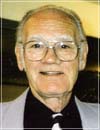
Scott Richardson

Oh, That Man Would Praise God

Psalm 107:1
Scott Richardson March, 1 1998 Audio
0 Comments

Sermon Transcript

Auto-generated transcript • May contain errors

100%
And I'll begin reading here at verse 8. It says, When he
fell to the ground, Paul was on his way to Damascus. And suddenly
there shone from heaven a great light round about him. He fell
to the ground. And he heard a voice saying unto
him, Saw, saw, why persecutest thou me? And I answered, Who
art thou, Lord? And he said unto me, I am Jesus
of Nazareth, whom thou persecutest. And they that were with me saw
indeed the light, and were afraid, but they heard not the voice
of him that spake to me. And I said, What shall I do,
Lord? And the Lord said unto me, Arise,
and go into Damascus, and there it shall be told thee of all
things which are appointed for thee to do. And when I could
not see for the glory of that light, being led by the hand
of them that were with me, I came into Damascus. And one Ananias,
a devout man according to the law, having a good report of
all the Jews which dwelt there, came unto me and stood and said
unto me, Brother Saul, received thy sight. And the same hour
I looked upon him, and he said, The God of our fathers hath chosen
thee, that thou shouldest know his will, and see that just one,
that's the Lord Jesus, and shouldest hear the voice of his mouth. For thou shalt be his witness
unto all men of what thou hast seen and heard. Throughout this psalm, David
says, Oh, that men would praise the Lord for His goodness and
for His wonderful works to the children of men. Verse 31 of that same psalm,
it says, Oh, that men would praise the Lord for His goodness and
for His wonderful works to the children of men. Oh, that men
would praise Him. Men, like you and I, apart from
the grace of God, have got to be commanded by God to praise
Him. In the 15th verse of the 107th
Psalm, it says, Oh, that men would praise the Lord for His
goodness and for His wonderful works to the children of men.
And the last verse, the 43rd verse, says, Whoso is wise, man that has wisdom, whoso is
wise and will observe these things, even they shall understand the
lovingkindness of God." A man will never understand the
lovingkindness of God until The grace of God is brought to his
heart and to his soul. You never understand it until
then. You talk about it and sing about it, but until the Spirit
of the living God brings home the beauty and the excellency
of the person of Jesus Christ to their soul, they won't understand
the loving kindness of the Lord. Let me talk to you just a little
bit about that this evening. Now, we can see, I believe, the
loving kindness of God and the goodness of God in just about
everything. There's not anything that moves
or wiggles that we cannot attribute something of the goodness of
God. And certainly the goodness of God is seen in the fact that we're human
beings. Our being came from God, created
us out of nothing, and gave us a soul, breathed into our nostrils,
and we became a living soul, and provided food and water,
meat and drink, clothing, housing, health, and all those things
according to the goodness of God. That is, the sun shineth
upon the just as well as the unjust. So we are all indebted
to the goodness of God. But then there is something about
the lovingkindness of God that can only be seen, I think, in
the face of Jesus Christ. And let me begin here this evening
by saying that his glorious, loving kindness shines forth
in the Son of God in doing the work for his people. That is where the loving kindness
of God can be seen, is in Jesus Christ, the righteous servant,
the second person of the Trinity, the man Christ Jesus in doing
the work for His people. That is, in finishing and completing
the work for His people. Here's a question in light of
what I've said. Are there works to be done? That's
the question. Are there works to be done? Yes. Never, and I mean that absolutely,
never will any mortal enter God's heaven that does not enter there
by God's work. Now, you think about it. No one
will ever enter the portals of glory. No one will ever die and
go to heaven without the work of God and the grace of God. No one will ever go. Well, you
say, I thought you folks would never talk about good works entering
into heaven. Well, I say this, I beg your
pardon. We do talk about good works entering
into heaven. Heaven receives good works. Heaven
approves good works. but not works that are good in
the eyes of flesh and blood. There is a vast difference. Good
works is received by heaven, is approved by heaven, but not
the works that are good in the eyes of flesh and blood. As a
matter of fact, the Bible said that the best works that you
and I could possibly do are looked upon by God as filthy rags, as
worthless, no account. Everything that we do, say, think,
or conjure up is tainted with the pollution of our nature.
We cannot offer up to God one single solitary thing. that is
approved of God and accepted by God that comes from ourselves
or pertaining to ourselves, nothing. We are corrupt and polluted.
Everything we touch is tainted. Heaven receives good works and
heaven approves good works, but not the works that are good in
the eyes of flesh and blood. As a matter of fact, the law
of God requires good works. The law demands that we love
God with all of our heart and all of our strength. The law
of God, the unerring law of the holy God commands us and demands
of us and requires of us in the first commandment. Thou shalt
love the Lord thy God with all thy heart and soul." God requires
it. The law requires it. And it's impossible for a just
and holy God to smile upon a sinful creature like you and I without
this good work. God will not even look in our
direction. And I heard a fellow say one
time that God wouldn't even spit in our direction apart from being
clothed in the good works and righteousness of him whom God
appointed. Now, God is just, we know that. He is a just God and he will
not compromise his justice. The soul that sinneth shall surely
die and that's the truth. He's a just God and he cannot
and will not acquit the wicked, the guilty. What loving kindness
then was it in the Son of God when he condescended out of free
divine pleasure and love and enter into covenant and there
to engage himself to come to be responsible for the sinner
and stand in the sinner's stead, to stand in the sinner's place,
to be the sinner's head, to be the sinner's bondsman, to be
the sinner's surety, to take all of his debts, all the debts
that the sinner owes upon himself. and to clothe him with his own
righteousness. I tell you, that's the lovingkindness
of God. Now, did anything in our nature
move the Son of God to come and to display and manifest such
lovingkindness to us? No. It was of His own sovereign,
divine grace And the Bible certifies it in prophecy when it says,
Offering and burnt offering thou wouldest not. It says God would
not have this burnt offering. He wouldn't have it. But a body
hast thou prepared for me, and lo, I come to do thy will, O
God. Here is lovingkindness stepping
forward, manifesting itself to come to do the work. Now listen
to me. Come to do the work that we had
neither will or power to do. That's the lovingkindness of
God. We neither had the will or the
power to do it. But he did it out of his sovereign,
discriminating grace engaged to do in our behalf, in our place,
and in our stead. Therefore, he comes down from
heaven in the form of a man. God came down from heaven in
the form of a man. It says He was made sin for us
who knew no sin. Having all the sins of His chosen
people imputed to His charge, can you and I fathom or comprehend
the height and the breadth and the depth of this great love
of God Almighty that he would become a man, God himself, God
who is over all and above all, stepped down, condescended, took
upon himself the humility of a human being, assumed our nature, Can you fathom? Can you reach
the depth or comprehend the height and the breadth? Can we even
have an adequate idea of the glow and the length and the depth
and the breadth of the loving kindness of God Almighty? Oh, my soul, it is the love! The Bible says He loved us and
gave Himself for us. Now, that's the testimony of
the Word of God. He loved us. God loved us in
Christ, chose us in Christ, gave us grace in Christ before time
ever was. It is the love of Christ which
is beyond words ever to express, even to comprehend. He comes! God comes! Born of a virgin. And here He
is, a child born and a son given. This is what He does. He bears
the transgression of His people. He bears their sins. He's punished in their sin. All their guilt and all their
shame is laid on Him. And the justice of God falls
upon Him. There was no hand There was no arm of flesh that
laid a stroke upon the person of the Lord Jesus
Christ. They couldn't hit Him hard enough. When our sins were laid on Him,
the hand of the justice of God fell hard on Him. Man couldn't
fall hard enough upon Him. It was the justice of God that
fell upon Him and smote Him, and He cried and He groaned,
and God had no pity upon Him. God had not an ounce of pity
upon His Son. He loved us and gave Himself
for us, and He bore the penalty due us, and against our sins
in his own body, by himself alone without any help. That's the
loving kindness of God. That's what we need to understand. That's what this world needs
to understand. That's what people need to understand
that come to church. They need to understand the loving
kindness of God. It can only be seen in the blessed
Son of God as he does the work. on behalf of His people. All
of it completes it and finishes it. Nothing left for us to do. What shall I do? There's nothing
left for you to do but to praise God and worship Him. That's what
you can do, and that's a full-time job. David said, Oh, that man
would praise the Lord. My goodness. and for his wonderful
works to the children of men. I tell you, the justice of God
had no pity upon his cries and upon his groans. Why? Because he had engaged to be
the bondsman and the surety of his people. He bound himself
by covenant bonds and this not with reluctance. He was not forced
into this. He was not conjured into taking
our place. It was His delight. It was His delight. His delight,
He said, is with the Son of Man. And it was His delight to go
and bear that which was our due. Oh, listen. He did it not reluctantly,
but he did it cheerfully, he did it gladly, he did it with
pleasure, and he did it with delight. The Apostle Paul sums
it up when he says, looking unto Jesus, looking unto Jesus, the
author, the author and the finisher. of our faith, who for joy that
was set before Him endured the cross, all the agony of the cross,
all that the sins of His people, the punishment that was due His people,
all fell upon the sinless Son of God. And he endured it without
a whimper. He bore that load of shame and
guilt upon himself. And he did not give in under
the weight of it, but he bore it. And he took the punishment
in himself until the last hard stroke of justice fell upon Him. And He said with a loud voice,
He said, It's finished. The work that the Father has
given me to do, it's finished. It's completed. It's perfected. All that's needful, all that's
required, all that God demanded out of the vile sinner out of
hell, it's done. in Christ Jesus. That's the loving
kindness of God. That's that which will bring
about some peace of mind and peace of heart, some satisfaction
and joy, unspeakable joy and full of glory, is to know and
understand that the loving kindness of God can only be seen in the
works that He did in our behalf. And on the tree, on the cross,
He never bid those out there to do anything. He didn't say,
Do this or do that. Oh, no. All He said is, Trust
in that which is already done. The work's finished. It's perfected. It's complete. Who for the joy? that was set before Him endured
the cross, despising the shame, and sat down at the right hand
of God to make intercession for us. Wouldn't you say that that
was the love and kindness of God Almighty in Christ Jesus? It was His delight to do it completely. this work for his people, that
love and justice and righteousness and ever perfection of the deity
of God might meet together in perfect unity and harmony in
himself. What loving kindness is this?
You're not saved, and I'm not saved because of my good deeds
or because of your good deeds. Really, we have no good deeds.
I've already said that, made it very clear. But we're not
saved because of our good deeds or any so-called good work that
you do or I do. We are saved, listen to me tonight,
we are saved by the loving kindness of the Son of God who done the
work in our stead and place and room for our shame, clothed us
with his righteousness, made us accepted with the Father.
That's who saves us and that's how he saves us and he doesn't
save us any other way. It's the Son of God in performing
and completing the work. And it's done. This work that
he did is done in such a way that law, or justice, or righteousness,
or sin, or man, or devils, or death, or hell, or all of them
put together cannot break or destroy that which God done in
Christ when he finished the work. He done it forever back. And
when you and I die, When you and I come down to the last mile
of the way, ah, we can smile. And if anyone asks us how we
are, we can say we're almost well. We're almost well. This salvation of God by and
through the work of the Lord Jesus Christ is beyond the reach
of man and hell and sin demons and devils. It cannot touch them.
Death cannot touch this. Death can't even touch the Lord
Jesus Christ. Death couldn't come to him. He
went to death. He went to death. He laid down
his life. He went out there. Death had
no jurisdiction over him. The law is honored and glorified
in divine justice. It's satisfied and therefore
it can be said As God said it, this is His testimony, He said,
Deliver them from going down into the pit, for I have found
a ransom, saith the Lord. That ransom is the Lord Jesus.
I tell you now, it's the loving kindness and the tender mercy
in the Son of God, in doing the work, in saving you and I from
hell, from sin, from the law, from divine justice, and the
Father is well pleased. Hear ye Him? This is my beloved
Son in whom I am well pleased. Listen, who shall lay anything
to the charge of God's elect? It is God that justifies. It
is Christ that died. Yea, rather, is risen again,
who also ever lives to make intercession for us, a just God is never pleased
but in his beloved Son. No one, no one from the time
of Adam until now has ever pleased God in himself. A just God is
only pleased in his Son, the Lord Jesus Christ. who undertook,
who engaged himself to be the bondsman and the surety, to be
responsible for the people that the Father gave to be. That is
the only way. The only way we can be pleased,
the only way that we can please God is in His beloved Son, who
has done the work for His people. who has completed it and perfected
it and can only delight in them as they are in Christ. And when
we are in Christ, we are one with Him. We are one with Him.
We are one with Him now. We are one with Him here. We
are one with Him there before God. We are one with Him. He
is seated in the heavenlies. And we're blessed in all heavenly
places where in Christ, in the heavenlies, we owe it all to
the loving kindness of the Lord Jesus Christ. Wasn't nothing
in us, wasn't nothing in our nature that would move him to
come and deliver us from the captivity of the devil, to break
our chains, to pay our debt, and to close us. with His righteousness. He came out of pure pleasure. He came to do Thy will, O God,
and He did. Bless His name. Let's stand.
Scott Richardson
About Scott Richardson
Scott Richardson (1923-2010) served as pastor of Katy Baptist Church in Fairmont, West Virginia.
Broadcaster:

Comments

0 / 2000 characters
Comments are moderated before appearing.

Be the first to comment!

Joshua

Joshua

Shall we play a game? Ask me about articles, sermons, or theology from our library. I can also help you navigate the site.