Bootstrap
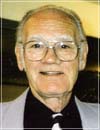
Scott Richardson

The Principle Of Sin

Romans 8:3
Scott Richardson January, 7 1990 Audio
0 Comments

Sermon Transcript

Auto-generated transcript • May contain errors

100%
This morning, if you will, to
the book of Romans, chapter 8. previous chapter, chapter 7, tells us of a dilemma that the
believer is in, a desire to do good, but the
power to perform or fulfill the desire not found within us. He says, for that which I do,
I allow not, or I know not. For what I would, that do I not,
but what I hate, that I do. If then I do that which I would
not, I consent under the law that it is good. Paul had no quarrel with the
law, and certainly I have no quarrel
with the law, if we understand the design of it, or the object
of the law. In this seventh chapter of the
book of Romans, in verse 6, The Apostle says, but now we are delivered from
the law, from the demands of the law, from the curse of the law. He
said somebody was delivered from the law. But now we are delivered from
the law. that being dead wherein we were
held, that we should serve in newness
of spirit and not in the oldness of the latter. I said Paul had no quarrel with
the law. And I think that this sets forth
the objective of that law in that verse 7 says, what shall
we say then? Is the law sin? God forbid, the law is not sin. Now, this is the objective of
the law according to the apostle. He says, is the law sin? And he answers the question real
quick and he says, God forbid, don't even Don't even let a thought
like that cross your mind. The law is the revelation of
the holiness and the justice of Almighty God. And the law
is perfect. The law is perfect. There's nothing
the matter with the law. The problem is with us. That's the problem. It's not
the law. The problem is us. We cannot render unto the law
what it demands. And Paul says here, is the law
sin? God forbid the law is not sin.
He says, No, I had not known sin. I wouldn't have known what
sin was. But by the law, the law is the
instrument or the means and the design of God to bring about
the truth as to what a man is. that he's a sinner and that the
law reveals the holiness and inflexible justice of God to
the sinner. And he sees his inability to
comply with the demands of God's law and justice and so he cries
out. He immediately sees his need. He sees his need of the fulfillment
of that law and it causes him to cry out, O wretched man that
I am, who shall deliver me from this body of death? And so the
law, the objective of God in designing the purpose of the
law to you and I was to reveal unto us what sin is. Sin is this
principle within us that will not allow us to comply with what
God demands. It's not, as most people think,
that sin is going to the picture show, or sin is cursing or stealing. That's the sin we've got to deal
with, but that's not what Paul's talking about. There was no picture shows in
Paul's day. He wasn't guilty of going to
the picture show, but yet he was a sinner. I'm sure Paul was
not no drunkard, and he wasn't guilty of being a drunkard, but
yet he knew what sin was. Sin is the principle within us
that renders us unable. to comply with the demands of
this inflexible law of God Almighty. It's a nature, it's a nature. See, we've got a nature within
us that we cannot change. There's nothing under the canopies
of heaven that can change our nature, which is a sinful nature. We had it when we was born. We
had it in the process of growing up. We have it in our maturity
and we'll have it until the day we die. It's there, a nature,
a principle. It's a principle of evil. It's
a principle that manifests itself in rebellion and manifests itself
in things that I mentioned, a drunkard. A man wouldn't be a drunkard.
or an idolater, or an adulterer, or an adulteress, or a thief,
or those things, if he didn't have this thing that it cannot
change, this inward principle, it comes from within. That which
is without is the evidence of that which is within, a bad heart,
a bad nature, sin principle. We got that sin through our father
Adam. By one man's disobedience, many
became sinners. We took upon his nature. So we
sin because we're sinners. We don't sin to become sinners. We sin because we are sinners. And the evidence of that is in
our birth, when we're born. We're not born in subjection
to our parents. We evidence our rebellion by
our insubordination, not only to our parents but to all authority
from then until now. We have this sin principle. And Paul said that he wouldn't
have known what sin was apart from the law. He said, when the law came, sin
revived and I died. He found out what sin was. Most
people don't know what sin is. They think it's something outward. They don't know that they carry
it around here within themselves. It's their nature. I'm not saying that all men are
as sinful as they can be. But I am saying that all men
are sinners. They're not as sinful as they
can be. God, in his wise, infinite wisdom,
and in his good, holy, and kind providence, constrains some of
us from going to the complete bottom and pit of the extent
of our sinful nature through means he uses to constrain us
from doing what our nature dictates. So some men are not as sinful
in their acts as other men, but all men are sinful and are abomination
in the sight of God. All men. God's angry. Listen
to it. God's angry. with sinners. He's angry with the wicked every
day. I was listening the other morning
on the radio to some fellow, and he said, Now, we've got to
understand that God hates sin and loves the sinner. He said,
We've got to understand that. God hates sin, but He loves the
sinner. Well, the Bible doesn't indicate
that. The Bible doesn't suggest that. The Bible doesn't even talk about
that. The Bible says that God hates
sin, and if God hates sin, then we're a bundle of sin, and we're
an abomination in God's sight, and you can't separate the two.
You can't say that God hates our sin, but yet He loves us. God hates sin. Period. There never was a time and never
will be a time when God will cease and desist in his attitude
towards sin. God never forgives sin. Sin, the only way God can deal
with you and I, with this sinful nature in our sins, is that somebody
pay for our sins. Somebody's got to pay God and
satisfy God's law on our account for our sin. God is not going
to forgive us apart from somebody satisfying him. That's all there
is to it. God doesn't love sinners and
hate sin. God is angry with the wicked
every day, and I'm telling you the truth. Telling you the truth
about God. Telling you the truth about God's
law. And the way it is. This is the way it is. I heard a fellow say this morning
on the television. He had a lady there talking to
her. And he said how glad he was that
she was there. give her a little talk, and he
said, just thankful for, he said, I thank God for you, and he said,
I want you to know that God loves you and I love you. Well, that
gives some insight to what's going on in that man's mind when
he said, I want you to know. that God loves you, well, I don't
know whether he knows whether God loves me or God hates me.
I don't know whether he could be absolutely sure of that, so
I don't know why I'd make a statement like that. Well, he said, I know
that God loves you, and then he added to it, and I love you.
Now, if he knew that God loved her, it wouldn't make any difference
whether he loved her or not, because it's God that counts.
It's not whether I love you or whether you love me. It's whether
God loves me or not. That's what I need to be concerned
about. It's not whether you know me or I know you or I know God. The truth is I need to know that
God knows me. God must know me. Does not the
Bible say that it's appointed unto man once to die and then
what? Does it not say that there in
the latter part of the book of Matthew, it says about that time
of judgment, when men, when the grave shall give up their dead
and so forth, and the sea, their dead, and all shall stand before
this great tribunal, this great judgment, and many will come
before God and parade their self-efforts and say that they've done this
and they've done that and all in the name of God. And he'll
say to some, he'll say to some, he'll say, depart from me. Bind them, bind them and take
them away, take them away. He said, for I never, I never,
I never knew you. I never knew you. They said they
knew him. But he said, I never knew you.
I never knew you. That means I don't know you now
and I never knew you. That's what that means. I never
knew you. The problem is, does God know
me? Does God actually know me? Does He know me? Well, Paul says,
is the law sin? The law is not sin. The law just
shows sin to be sin. We're rebels. Inwardly, every
one of us has a mechanism in here that we're born with. And if we're honest to the light
of that mechanism that sets off every once in a while in us,
if we're honest to that revelation of truth that we have within
us, we'll admit that we are not what God designed us to be, that
we're sinners. We'll admit that before God.
The law will tell us. We don't even love our families
like we ought to love our families. We don't love our children like
we ought to love our children, much less love God with all of
our heart and all of our mind and all of our strength and all
of our soul. We don't even have to start with
God to start with our neighbor as ourselves. We don't love our
neighbor as ourselves. Some neighbors we don't even
speak to. Some neighbors we don't even
go and talk to. We wouldn't go to the funeral
home if they died. So there's no, and the reason,
the reason why is it's not the evidence that, the evidence that
the fact that we're such vile, obnoxious sinners is seen in
us not going and not doing, not loving, not loving because it's
got this nature, this nature. And when the Apostle Paul thought
he loved God with all of his heart and all of his mind, all
of his strength and all of his soul, he thought that. When the
law came, said Rabbi, I would do good, but evil is always lurking in
that sin principle. Sin principle. How many times
in your own experience have you said, I'm going to do better
today? Now, I'm just going to try my
dead-level best to start this day fresh and anew without any
hypocrisy or insincerity before men and before God. And it's
not an hour later until you find yourself right where you was
before. Why? That's because of this sin
principle. You can't get through the day
without yielding to this principle of sin. You can't get through
the day. Why is that? We can overcome
everything else, but we can't overcome this, can we? I'm telling
you, we've got a nature that won't change, and we can't change
it. And it will never change. It's
a sinful nature. Well, he said, I would have never
known about sin, Paul said, but by the law. He said, well, how would I have
known lust? How would I have known what lust
is? Lust is an inward principle,
isn't it? Lust, the evidence of this lust
is, if it's money that we lust after, The evidence of the lust
of money is seen in our connivings, in our scheming, in our ambition
to gain it. If we lust after, if we have
sexual lust in our heart, it's seen externally out here
in our pursuance of the fulfillment of this desire of love. And Paul
said, How would I have known anything about lust, these inward
desires? How would I have known anything
about it, except the law had said, Thou shalt not covet thy
neighbor's property, thy neighbor's handmaid, thy neighbor's ass? How would I have known? The law
was given that sin might be set forth and shown to be sin. Well, listen, let me go back
over here now. Here's the verse that I want
to read to you, Romans chapter 8, verse 3. It says, For what the law could
not do, for what the law could not do. There's something that the law
cannot do. The law cannot save a man. The
law was never given in order to save man. The majority of
people living at any given time upon the face of this earth believes
that if they keep a certain code of ethics or standard or rules
of righteousness or laws of righteousness, if they keep that to the best
of their ability, then they'll be saved in the end. But that's
not what the law was given for. The law can't save a man. The
law was given to show and set forth and to reveal sin to be
sin. That's what the law was given
for. Not to save a man. This whole organized religious
process that men and women are involved in this morning, going
to establish denominational houses to worship their God in, the
majority of them are going because they believe that their conduct
has something to do with their salvation before God. That is this standard, this standard
that they're trying to keep. They're saying, well, we're trying
to love God with all of our hearts, Try and won't get the job done.
That's what I'd like to tell people. Try and won't do it. It's got to be done. The law
of God is inflexible and unbending. And when God pulls the bow back,
the arrow will find its mark. See, that arrow's going straight.
God can shoot straight. He does not veer from the target.
It must be that justice and inflexible, unfending, unerring, infinite,
holy, truthful law must be satisfied. It won't be satisfied unless
it's a straight arrow. There can't be no crooked sin.
no deviating on this side, turning to the right hand or to the left
hand in the pursuance of it. It's got to be 100% straight. God must have that. Well, listen, for what the law
could not do, can't save anybody. It wasn't that the law, if there's
anything wrong with the law, it wasn't that. Listen to what
he says. for what the law could not do in that it was." Now,
what does the was have reference to? The was has reference to
the law, what the law couldn't do. "...in that it was weak half
through the flesh." We rendered the law weak by our
inability to conform to the demands of that law. Because of what? Because we stood in our Father
Adam in the garden and sinned against the Holy God, and because
we sinned against the Holy God, we received a sinful nature. And now we are hopeless and helpless
with that sinful nature. We cannot do anything about it. It's here and it's here to stay. What the law could not do, in
that it was weak through the flesh, listen, God sending his own Son in the
likeness, not in sinful flesh now, in the likeness. See, God became a man. Man couldn't become God. But God could become a man. And
God became a man and came in the likeness of sinful flesh. God sent his Son in the likeness
of sinful flesh, perfect flesh. And for sin, God condemned sin
in the flesh, or where it says, for sin, In the margin it says,
or by a sacrifice or sin. God, we're lawbreakers, we're
sinners by birth, by choice, by nature, by practice, but the
Lord Jesus Christ, God provided a remedy for our sick, helpless,
hopeless condition in the person of His Son, the Lord Jesus Christ.
God sent His Son. What did His Son do? His Son
lived here thirty-some years and never breathed in or out
any imperfections. He lived here these thirty-three
years, give or take. and rendered unto God Almighty's
law and justice what his law and justice demanded out of us. That's how a man's saved. How's
a man saved? A man's saved by trusting him
whom God sent. And that's the Lord Jesus Christ. That's the only way out of this
mess that we're in. The only way out of this mess
is to cast ourselves on the mercy of God who sent the Lord Jesus
Christ as a sacrifice for our sins, and to believe Him, to
believe the report, to believe the good news that God sent His
Son to do something for me that I couldn't do or didn't want
to do for myself. the likeness of sinful flesh,
and for sin condemned sin in the flesh," listen to this, "...that
the righteousness of the laws, that which the law demanded."
The law demands perfection, brethren. God demands it. You understand
that. Everybody understands that, that
God would not accept any less than what He is. God's... I can't tell you. As a matter
of fact, I don't even know it. I just know something about God,
that He's infinitely holy. He's so holy that He just can't
look upon sin. The least thing, He's so holy
that because of man's unholy, unholiness, God drowned it. God drowned it, the whole world.
A whole civilization, God killed them all, every one of them. Why? He said he looked
down upon the children of man to see if there's any that doeth
good. He said he can't find a single
solitary one of them that renders what I demand. And so he said,
I'll just kill a whole bunch. And he drowned it all up. God
hates sin, I'm telling you, God hates sin. Wherever He finds
it, in me or you, He hates it. He won't even look upon it. But
God said, He'll say, there's a way out of this mess. The way
out is, the Bible calls it glad tidings. We call it good news. Good news to the man that's abound. He's bound, and he knows he's
bound, and he's struggling. But when he hears the good news,
the answer to his problem, when he hears that, and the shackles
break loose, and he's called upon to trust God's Son, he says,
Oh my, that's no problem for me to do that. I can trust Him. Here is that righteousness that
God demands. You see, He sent His Son in the
likeness of sinful flesh, and for sin, condemned sin in the
flesh through the sacrifice of the Lord Jesus, that the righteousness
of the law, that is, the righteousness that the law demanded, might
be fulfilled in us. My God, you can't deny that. There it is, right there. You
say, I don't understand it. I don't understand all of it
either, but I know that it's right. I know that it's right.
The righteousness of the law is fulfilled in us through our
surety, our guaranteed surety, the Lord Jesus Christ, who was
perfect, who gave himself and received in his own body the
punishment that was do us against our sin, and therefore he discharged
every liability that we had against God in his own person. And we now have what? We have a righteousness which
the law demanded. We have it. Not because we rendered
unto God perfect righteousness. We can't do it because we've
got a nature. That will not permit us to do
it. And it's so bad, this nature is so bad that most of the time
we don't even have a desire to do it. But God knew all about
that before time ever was. He knew that. He, listen to me,
He provided us a Savior before there was ever any sin. Tell
me that God didn't know about it. He provided the Savior and
He killed the Savior before sin was ever known. The Bible says
that the Lord Jesus Christ is as a lamb slain, slain, killed
for the foundation of the world. God chose us in Him before the
foundation of the world. were unborn, unheard of, unthought
of, only known by God. When we had never sinned, God
chose us in the Lamb that was slain before time ever was. He fulfilled this Savior, the Lord
Jesus Christ, this man approved of God, and sent of God, and
anointed of God, and who was none other than God Himself.
did for us what God demanded out of us, our sacrifice. And that's where we get that
word, Savior. Savior means Joshua, Joshua. His name shall be called Joshua,
Savior. Why shall we call Him Joshua
and Savior? For He shall save His people
from their sins, from the liability of their sins. How? By dying in their stead, by paying
their punishment, by fulfilling the righteousness of God's law
as was demanded by justice. And that law of righteousness
is fulfilled in us by our union with the Lord Jesus Christ. Oh,
listen to me. Let me read something over here
to you and I'll quit. Over here in the book of Acts,
something else about the Apostle here, chapter 22, this great man of
God, was a vessel of mercy. God didn't save him because he
was a good man. He was just good in his own eyes.
He wasn't good in God's eyes. Listen to what he says about
himself. He says in the first verse of the 22nd chapter, he
says, Brethren, men and fathers, hear ye my defense which I make
now to you. and he tells him that about him
being a Hebrew and where he was born and so forth and how he
was brought up according to the perfect matter of the law of
the fathers and was zealous toward God. Zealous toward God as ye
all are this day. These Jews hated the name of
Jesus Christ and so did Paul and Paul was zealous in his hatred
and his defiance of God. He was zealous and done everything
he could do to silence, to put to shame and to annihilate and
do away with this gospel business, this Jesus Christ business. As
a matter of fact, when he was converted, he was on his way
to Damascus with a letter that contained the names of men there
in Damascus who were worshippers of the Lord Jesus Christ and
followers of Christ. And Paul was on his way to get
them. He had the authority. And he
was going to get them and put them in jail. He hated. He was zealous. And these people
that he's talking to here, he's saying now, he said, I was zealous
toward God. Zealous. Prior to my conversion,
I was zealous. Religious. He thought he was
doing God a favor. He thought he was right. He thought
he was right and everybody else in the world was wrong. He is
zealous. And he said, and I persecuted
this way. That is, they called the people
that followed the Lord Jesus Christ at this particular time
in the early first century, shortly after the resurrection of the
Lord Jesus, people that were followers and believers, and
those that trusted in Christ, they called them people of the
way. The way! I am the way! I am the way, the truth, the
life! No man cometh unto the Father
except by me. People of the way, say, of the
way, that way! I persecuted this way unto the
death. I killed him. And no problem in God saving
the murderer. No problem there. People that
God won't save, self-righteous people. He'll save murderers,
but He don't save no self-righteous people. Man can murder another
man, take a gun and stick it up to his brain and shoot his
brains out. And you say, He's the vilest,
He's the vilest, but God will save him if it pleases God. But
a man that hangs on to his self-righteousness, God won't save him. It's not
your sin that keeps you from coming to God or my sin that
keeps me from coming to God. It's what? It's my self-righteousness
that keeps me from coming. Not your sin, it's your self-righteousness. That's the problem with everybody
outside of the Lord Jesus Christ this morning, is their self-righteousness
prohibits them from taking the place that God demands a man
to take as a sinner. I'm no sinner. I make some mistakes,
yes, I make some mistakes, and I'm sorry about mistakes, but
please, please don't say I'm a sinner. I'm not a sinner. Hold on to it. That's the last
thing a man will give up in this life. He'll give up his shirt,
he'll give up his bridges, he'll give up his money, but he'll
go down into the jaws of hell, holding on to his self-righteousness,
to his acclaiming to himself, I'm not that bad, I'm not that
bad as God said I am, holding on to God. Oh, listen, I persecute
this way, unto the death, binding, Well, I said, some of them that
wouldn't yield, wouldn't yield. He said, I killed them, unto
death. Put them to death. People that was doing what we're
doing this morning, meeting, either in private or in secrecy. Paul sought them out, wherever
they're at. Paul said, let me know about
them and I'll go get them. I'll deliver them to the authorities
and put them in prison. And if they rebel and won't yield
to my authority, he said, I'll kill them. Like we're doing this
morning. Paul, he might come through them
doors, open them doors up and say, you fellas under arrest!
You followers of the hated Nazarene! That despisable Jesus who says
he's God! You're blasphemers! You're under
arrest! bind their hands and their feet,
I'll deliver them to the prison, the magistrate, and I'll throw
them into prison." That's the kind of fellow he was. Hmm? Binding and delivering into
prison, both men and women. Well, it says, "...the high priest
doth bear me witness, and all the estate of the elders from
whom I have received letters from the brethren, and I went
to Damascus to bring them which were bound unto Jerusalem, for
to be punished." The high priest will tell you that's what I was
doing. I went over to Damascus to bring them to Jerusalem to
be punished. What were they to be punished
for? For worshipping God? That's what they were being punished
for. Because they had identified with the Lord Jesus? Because
they had come? through the objective of God's
law to see that they were sinners by choice and by nature, and
needed a Savior from the penalty of their sins, and they trusted
Him who was the Messiah, the Lord Jesus Christ. Yes, they
trusted Christ. They said, We love Him. We love
Him, and we're going to follow Him, and do what you will. Do what you will. Kill us if
you have to do it. Do what you will. Kill us, but
we will not give up. We will not forsake Him who loved
us and gave Himself for us. That's what they said. And Paul
says, And it came to pass, as I made my journey there, and
was come nigh unto Damascus about noon, about noon that day. Suddenly,
he said, there shone from heaven a great light round about me. Oh, what an experience this man
had. And he said, I fell to the ground.
Here's this proud Pharisee. Proud Pharisee now falling to
the ground. Huh? Get down, get down. And he heard a voice saying unto
me, that was his name, Saul. Saul, Saul, why do you persecute? Why persecutest thou me? Notice here. He was persecuting
the people of the way. There are some little old fellows
over there and women and children that no one, no one in the whole
city of Jerusalem even knew what their last names were. They didn't
know where they lived. They didn't know a thing about
them. And if someone would have brought up their name and said,
well, here's so-and-so, they'd say, well, who in the world is
that fellow? Never heard tell of him. But
listen, why persecutest thou me? They were persecuting these little
ones that no one know of, but God knew them. He said, what you do to the least
of my brethren, He said, you do to me. You mistreat these
fellas down here, the people of the way, you mistreat them,
you punish them, you kill them, that's what you do to me. He
said, we're going to get down there where it's at. He said,
I'm identified with them, they're one with me. you persecute them,
you persecuted me." And Paul said, I answered, Who art thou,
Lord? Who are you? And he said unto
me, I am Jesus of Nazareth, whom thou persecutest. That's who
I am. And they that were with me saw
indeed the light, and were afraid, And they heard not the voice
of him that spake to me. They seen the light, but they
didn't hear the voice. Everybody doesn't hear the voice
of God. Does that surprise you? No. Everybody doesn't hear the
voice of God. Only those, only those. Now I'm telling you the truth.
I know this is hard, because you have a preconception of who
God is, some of you. And this is hard. Only those
who God's chosen before time ever was ever hear His voice. They hear His voice. Not an audible
voice, but a still, small voice, accompanied by the Word of God
with power into a man's heart and reduces him in God's sight,
and he sees his need, and he cries out. Listen, he said, they
heard, oh listen, the sun shines upon the unjust as well as the
just. Over here is a farmer, wicked,
vile, ungodly, the only time he ever mentions God's name is
when he takes it in vain, the only time. take God's name in
vain, wouldn't go to church. Every preacher to him and every
individual that goes to church is nothing but a bunch of hypocrites.
Oh, they're lazy, they won't work, this and that and so forth,
wouldn't give them a nickel. But the sun that makes things
grow shines upon his farm just as much as it shines upon the
farm of him who loves him. the sun to shine upon the unjust
as well as the rain falls upon the just as well as the unjust. Men see the workings of God in
creation and in providence. No man can go out on a starry
night and look up into the heavens and see the stars and the moon
and say there is no such a thing as God. There's no such a thing
as, God, I despise the name of God. A man can't say that conscientiously
in his heart. He has a witness within himself
that says, that's God. That's God's power right there. You can't look at yonder mountains
and say, why them things just, the sand flipped them up there.
No, you can't. Man, you see, see the external
evidence of God, but they never hear from God. That is, God never
speaks to them. And I tell you that He said in
that day, depart from Me, I never knew you. I never knew you. If He don't know you in eternity
past, He'll never know you here in time. That's hard, isn't it? Doesn't God give everybody a
chance? Salvation is by grace, not by chance. Every man has a witness within
himself there is a God. He has some light within himself,
and if he'll call, if he'll follow the light that he has, God will
give him more light. And when he stands before God,
and if he stands there without the Lord Jesus Christ, And God says, I never knew you,
and he goes to hell, he'll go to hell because it's his fault.
And if he goes to heaven, it'll be God's fault. Well, he said,
but they heard not the voice of him that spake to me. They
didn't hear his voice. No, they didn't hear his voice.
Oh, to hear the voice. We're going to get to it in a
little bit here. And I said, What shall I do,
Lord? What shall I do? The Lord said unto him, Arise,
and go into Damascus, and there it shall be told of thee of all
things which thou art appointed, which are appointed for thee
to do. And when I could not see for
the glory of that light, I just blinded him. Being led by the
hand of one of them that were with me, I came to Damascus.
and one, and an eyes, a devout man, according to the law, having
a good report of all the Jews which dwelt there, said, Come
unto me. He came unto me, and he stood,
and he said unto me, Brother Saul, receive thy sight. And the same hour I looked upon
him, and this is what he said, and I'll quit right here. This
is what he said. He said to me, Paul, he said,
The God of our fathers hath chosen thee. Did Paul choose God? Well, he
chose God, but the reason he chose God was because God had
first chosen him. Isn't that right? See, the God
of our fathers hath chosen thee, that thou should knowest his
will, and see that just one, that's
the Lord Jesus Christ, and shouldest hear the voice of his mouth. And he heard the voice, and he
seen the just one, and he concluded that this is the will of God.
This is the will of This man is carrying out the will of God. He's glorifying God in his sacrifice,
and he's glorifying God in the salvation of sinners. And this
is the will of God, that I might trust him. And the man goes on,
and he said, Thou shalt be his witness unto all men of what
thou hast seen and heard. You reckon Paul ever told people
the God of our fathers hath chosen thee in his preaching? What was the core of Paul's ministerial
message? He traveled all over the known
world there, making tents wherever he went. He didn't have any church
to back him up and send him money every month. He went and he made
tents. and sat along the road and built
a fire and cooked his food and read his Bible. And first thing
you know, he'd go in where there were some people and he'd stand
up and preach to them. One of the first things he'd
say is, the God of our fathers hath chosen me that I might be
a witness of the things that I've seen and the things that
I've heard. And he told them about the great
and glorious God. who had a people that he chose
unto himself before time ever was. And those people here in
time would hear the good news of the gospel and repent and
believe and follow him. That was the message. And that's
the message this morning. It hadn't changed. It's still
the same. Well, I thank you for your attention.
Scott Richardson
About Scott Richardson
Scott Richardson (1923-2010) served as pastor of Katy Baptist Church in Fairmont, West Virginia.
Broadcaster:

Comments

0 / 2000 characters
Comments are moderated before appearing.

Be the first to comment!

Joshua

Joshua

Shall we play a game? Ask me about articles, sermons, or theology from our library. I can also help you navigate the site.