Bootstrap
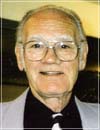
Scott Richardson

What God Has Done

Acts 5
Scott Richardson December, 6 1981 Audio
0 Comments

Sermon Transcript

Auto-generated transcript • May contain errors

100%
I want you to turn with me to
the fifth chapter of the book of Acts, Acts chapter 5. Fifth chapter of the book of
Acts. Now, the whole book of Acts is the record of a group
of men, or a group of preachers in this case, standing up to
interpret something that God has done. In the second chapter of the
book of Acts, if you care to turn, in the second chapter of
the book of Acts, we'll get back to the fifth chapter, there are
some things that had taken place on the day of Pentecost. And
reasonable men, reasonable religious men, said the men that were involved
in what took place on Pentecost were drunk. Now, in Acts chapter
2 and verse 13, it says, And they were all amazed, and were
in doubt, saying one to another, What meaneth this? Others, mocking,
said, These men are full of new wine. These men are drunk. But
Peter, standing up with the leaven, lifted up his voice and said
unto them, Ye men of Judea, and all ye that dwell at Jerusalem,
be this known unto you, and hearken to my words. For these are not
drunken, as ye suppose, seeing it is but the third hour of the
day. Now, Peter is going to interpret
here what was taking place at the hands of the living God.
And verses 16 and 17 and 18 and 19 and 20 is what took place,
and Peter interprets what took place. Listen to what he says.
In other words, in verse 16, he said, what is taking place
here on the day of Pentecost is not just the result of some
drunken man. That's not the case. He said,
but this is that which was spoken by the prophet Joel. Joel prophesied
that this would come to pass. And this is his prophecy. It
shall come to pass in the last days, saith God. Now, a whole
lot of people believe that when he's talking about the last days,
Interpreters nowadays say the last 20 years, that's the last
days. But the last days had its beginning
when Peter was doing the interpreting here. This is when the last days
began, during the days of the apostles. And it shall come to
pass in the last days, saith God, I will pour out my Spirit
upon all flesh." And that's what he did. And your sons and your
daughters shall prophesy, and your young men shall see visions,
and your old men shall dream dreams. Now, you see, you watch
these fellows on the television today, you know, and they apply
this prophecy to themselves today. And they speak in what they call
an unknown tongue. But it was here in the second
chapter of the book of Acts on the day of Pentecost, it was
a foreign language. It wasn't an unknown tongue.
It was a language that the Medes and the Persians and all of those
that came, nine or thirteen different nations gathered in here at that
particular time, and they all heard in their own language.
It wasn't an unknown tongue. It wasn't an unknown tongue in
the sense of the way they interpret it today. That's not it at all.
And of course, everybody's got a vision now, everybody's got
a dream, and people have been dead and floated out in some
vapor-y mist over their coffin, and they've seen all kinds of
signs in the sky, and people have been to heaven, and they've
seen Jesus, and they've seen God. And they talk about these
things on the television, and people listen to them and stand
there with their mouths open and take everything in. And these
fellows are nothing but a bunch of hucksters. They're hucksters.
They're false prophets. They're not telling the truth.
But the sorry part of it is, people believe it. People believe
it. The book of Acts is a record
of a group of men, a group of preachers, interpreting what
God has done. That's what the book of Acts
is all about. Peter is interpreting here what God has done. Some
powerful things happened on the Day of Pentecost. Three thousand
people were saved on the Day of Pentecost. Peter preached
to them, and they were saved, and things happened. And Peter
said, this is the fulfillment of the prophecies which were
spoken by the prophet Job. I will show wonders in the heavens
above and signs in the earth beneath, blood and fire and vapor
of smoke, and the sun shall be turned into darkness and the
moon into blood before the great and notable day of the Lord comes,
and it shall come to pass that whosoever shall call upon the
name of the Lord shall be saved. Ye men of Israel, hear these
words, Jesus of Nazareth, A man approved of God among you by
miracles and wonders and signs, which God did by him in the midst
of you, as ye yourselves also know. Him, that's the Lord Jesus,
being delivered by the determinate counsel and foreknowledge of
God, ye have taken, and by wicked hands have crucified and slain,
whom God hath raised up, having loosed the pains of death, because
it was not possible that he should be hold in of it. Peter is merely interpreting
what took place at the hands of the living God here. These
men were not drunk, but this is God, the living God, doing
something in their midst, and Peter was a witness to it. And so he is interpreting what
God is doing here in the second chapter of the book of Acts.
Now, in chapter 5, of the book of Acts. God killed a couple
of people here, and God did it through His preacher. And it
caused no small commotion. And the first effect of this
was that there was great fear that came upon the people. Notice
in this fifth chapter now, there is a certain man whose name was
Ananias, And Sapphira, his wife, sold the possession, and they
kept back part of the price. They sold their property, in
other words, and they kept back part of that which they received
for their property. And his wife was a part of the
plan. She was a part of this little
plot. And they brought a certain part and laid it at the apostles'
feet. And Peter said, Ananias, why
hath Satan filled thy heart to lie to the Holy Ghost and to
keep back part of the price of the land? Whilst it remained, was it not
yours? And after it was sold, was it
not in your own power? He could have given it all? Or
he could have kept back part and told them that he was going
to keep back part. Why hast thou conceived this
thing in your heart? That's where our problem lies.
In our hearts. You see? In our hearts. That's
the reason we need to mourn because of what we are. We've got a bad
heart. A bad nature. And we need to
mourn before God because we're sinners. We're sinners. We've got heart problems. Well,
he said, Thou hast not lied unto men, but you lied unto God. God
looks upon your heart. He knows what's in your heart. And an eye hearing these words
fell down and gave up the ghost. He fell down and died. And the
effect of his dying was great fear came upon all that heard
these things. That was the first effect of
what took place. Now, it says that in the sixth
verse, young men rose and wound him up and carried him out and
buried him. And it was about the space of
three hours after that when his wife, not knowing what was done,
she didn't know what took place. She was on the outside, I suppose,
and she didn't know what was done. She was going to fulfill
her part of this plan, too. It wasn't such a terrible crime,
was it? You know, as you look at crime, it wasn't such a terrible
thing, except they just lied to God. And Peter answered and said unto
her, Tell me whether you sold the land for so much. How much
did you get out of that land? And she said, Yes, for so much.
And she quoted the same figures that her husband quoted. And
Peter said unto her, How is it that you have agreed together
to tempt the Spirit of the Lord. Behold, the feet of them which
have buried thy husband are at the door." My soul, that was shocking, wasn't
it? He said, the feet of the men that carried your husband out
and buried him, they're at the door and they're going to carry
thee out. And she fell down straightway at his feet, and yielded up the
ghost. Now the effect of that is found
in verse number 11. And great fear came upon all
the church, and upon as many as heard these things. And verse
13 says, And the rest, that is, apart from the church, those
that were in the congregation that day,
but were not Christian people, were not those that were saved. Well, I don't know whether I'm
right on that or not. Maybe there were some believers here. But
anyhow, it says, "...and the rest durst no man join himself
to them." That is, they were afraid of them. Here's a group
of preachers here, and one here in particular now interpreting
something that God has done. And when he tells what God has
done, the effect of it is great fear
comes upon the church, and the fear is so great that many who
are not members will not join themselves to Him, but the people
magnified them. Alright? These two people then, lied to
the Holy Ghost of God, and God did something. He struck them
dead, and the people said, we are not going around this bunch
anymore. We are not going around this
crowd. And the second effect now of what is taking place is
found in verse 17. Look there. In verse 17. Now in verse 16 it says there
was a a multitude of people that had gathered in to Jerusalem
from all over the area, a great multitude of people, out of the
cities round about unto Jerusalem, bringing sick folks and them
which were vexed with unclean spirit, and they were healed
every one. Now, this is the effect of that
in verse 17. The high priest rose up, and
all they that were with him, which is the sect of the Sadducees,
and they were filled with indignation." That is, they were filled with
envy. The high priest and the Sadducees
are representative of the religious people of that day. That is,
the people that were Orthodox, in their approach to religion. They were the people that performed
the washings and the fastings and the rites and the ceremonies
and the circumcisions and all of these things, these religious
people. Now, they were filled with indignation
because of what took place, filled with envy because God was doing
something. Well, you can read verse 16,
17, 18, 19, and 20. Well, let me read part of it.
The 18th verse says, And they laid their hands on the apostles
and put them in prison. That is, the high priests and
the Sadducees and those that were in charge. They said, We've
got to do something about this. We've got to quiet this down. It's gone too far. And they laid
their hands on the apostles and put them in prison. But the angel
of the Lord... Now, the Sadducees didn't believe
in angels. They didn't believe in the angels,
or they didn't believe in the resurrection. So God's going
to shut their mouth. "...and laid their hands on the
apostles and put them in prison. But the angel of the Lord, by
night, opened the prison doors and brought them forth, and told
them to do something." He said, go, stand, speak in the temple
to the people all the words of this life. And when they had
heard that, they entered into the temple early in the morning,
and they taught in obedience to what the angel of the Lord
told them to do. God didn't tell the angel to
go and preach, but He told the angel to go tell Peter and the
apostles to do the preaching. It pleased God by the foolishness
of preaching to bring about His purpose in regard to the salvation
of our souls. And God uses men to do this,
not angels, but men. The weaker the vessel, the more
glory that God gets. All right? And when they heard
that, they entered into the temple early in the morning and they
taught. Now the high priest came, and they that were with him,
and they called the council together. That is, the council of the Sanhedrin,
the ruling body of the religious Judaism of that day. Those that
were of authority was the council of the Sanhedrin. The Pharisees,
a man had to be a Pharisee to be a member of the Sanhedrin.
Someone said the Apostle Paul, prior to conversion, was a member
of the Sanhedrin. I don't know whether he was or
not. But I know this, Paul was a Pharisee. He was a Pharisee. He says that in Philippians chapter
3. He said he was a Pharisee. And
I read over in Acts chapter 23, in Paul's testimony there, he
said he not only was a Pharisee, but he was the son of a Pharisee.
His father was a Pharisee. It may be that Paul's Paul's
dad was alive here, I don't know. Maybe Paul and his dad both were
members of the Sanhedrin, the council, I don't know. But this
was the religious hierarchy of the day, right here. And the
high priest came, and they that were with him, and they called
the council together, and all the senate of the children of
Israel, and sent to the prison to have them brought. And when
the officers came and found them not in prison, they returned
and said, well, the prison truly we found we shut with all safety
and the keepers standing without the doors, but when we had opened,
we found no man therein. They didn't even know this was
gone. The guards were still there, the doors were shut, but there
wasn't nobody there. And when the high priest and the captain
of the temple and the chief priest heard these things, they doubted
of them whereunto this would grow. Then came one and told
them, saying, Behold, the men whom ye put in prison are standing
in the temple and teaching the people, doing exactly what God
told the angel to tell these men to do. In verse 20, Go stand
and speak in the temple to the people all the words of this
life. And that's what they're doing.
And verse 26, Then went the captain with the officers, and he brought
them without violence. for they feared the people."
That is, the captain, the officers of that day feared what the people
would do because the common people was listening to what Peter and
the apostles had to say. I believe that if we have a man
who will preach the gospel to us, I believe we will get a hearing. I honestly believe that. I believe
if we have a man who will preach the gospel, I believe that there
will be somebody who will come out and hear us. I don't think
that we'll wind up preaching to two people. We'll have somebody
that will come and hear. Anyhow, they were afraid of the
people, for they feared the people lest they should have been stoned.
And when they had brought them, they set them before the council,
and the high priest said to Peter and the apostles, Did
not we straightly command you that ye should not teach in his
name? Behold, ye have filled Jerusalem with your doctrine." Well, the old high priest, he
said, now, listen. He said, haven't we treated you
folks fairly? He looked over there, there was
Peter and the rest of the apostles. Haven't we treated you people
fairly? Haven't we given you common courtesy? Didn't we command
you not to teach in His name? Now you go ahead, if you want
to, and have your little church service. Go ahead and go through
your motions. Have your ceremonies and your
rites and your rituals and your washings and your fastings. Go
ahead and do that. Don't just go through the motions
and believe in the God of your choice. Yeah, go ahead and do
that. Haven't we told you now? We represent authority here.
Haven't we commanded you not to teach in His name? That's
a rock of offense right there. To teach in His name. Now this is what offends the
name of the Lord Jesus Christ. We can go through our rituals.
Rituals do not offend anybody. It's the name of the Lord Jesus
Christ that is offensive. In the average church in America
today, They are offending nobody! Nobody is being offended! They go through the motions,
they all come in on Sunday morning, they all go to their little Sunday
school classes, they pick up their little literature, their
little pictures on it, and they all sit together and they talk,
and maybe they decide that this little class will have a They'll
all meet up at the bonanza and have a little supper some evening.
And over here's a bunch of women, they decide they'll take up some
pennies or they'll decide that they'll have a remnant sale or
a rummage sale at one of the places and take up a little money
to help the poor missionaries or something like that. They
go through their little religious ceremonies and they're not offensive
to nobody. Religious ceremonies doesn't
offend anybody. Worship the God of your choice. We have commanded you, didn't
we command you that you should not teach in His name? It's alright for you to teach,
but don't you bring His name into it. Don't you bring the
name of the Lord Jesus Christ into this preaching or this teaching.
We don't want that. Ah, you've defied authority.
Listen now. Behold, you have filled Jerusalem
with your doctrine, and intend to bring this man, the name of
the Lord Jesus, you intend to bring this man's blood upon us. You have defied authority here,
you filled Jerusalem with your doctrine, and it looks like to
us, now this is what we think, this is what we suspect, it looks
like to us that you intend, that your intentions are that You
might bring this man's blood on us. You have filled Jerusalem
with your doctrine. And you look like maybe you're
going to say that we're to blame. Well, this is what they said,
not in these words, but this is what they said. They said,
this Jesus that you're talking about, we commanded you not to
preach in His name. And we told you not to. We're
authority. We're members of the Senate.
We're members of the Council. We're the high muckety-muck of
this thing. And we told you one time, and
we're not going to tell you no more. We told you not to teach
in His name. We told you that. This Jesus
that you're talking about, now we took care of Him. We want
you to know that we took care of him. After considerable and
careful examination, we decided, as the council here, as the men
who were running things, we decided that he was a blasphemer, and
he'd never do. That's what we decided. And in
the name of the God of Abraham, and the God of Isaac, and the
God of Jacob, we nailed him to a tree. We done Him in. We fixed
Him. Now, it looks like to us, this
council talking, to the apostles, it looks like to us that you
intend to bring this man's blood on us. But what don't Peter and
the others say? Verse 29, Peter and the other
apostles, not just Peter, but they was unanimous in their agreement
here now, And Peter and the other apostles said, we're sorry. We're sorry about that. We didn't
mean to be offensive. We must have got carried away
somehow. And if you'll forgive us, we'll go our way and we'll
not mention this man's name again. We'll not speak no more about
him anymore. That's not what he said. That's
not what he said. Well, you'll remember Peter, one time, just
a few short weeks prior to this, there's a little old girl pointed
a finger at Peter and said, You're one of them! Said, You're one
of them! They had the Lord Jesus Christ
there. He was on this mock trial. And
as looking for some of this followers. And Peter was there by the fire
warming himself in Caiaphas' or Pilate's hall. And he's warming
himself and there's a little girl there. She looked up at
old Peter and she put the finger on him. She said, well, you're
one of them. You're one of his followers. And Peter got scared
to death. And he demonstrated some anger.
And he said, I'm not one of them. He said, I'm not one of them.
He said, I never knew this fella. I never knew him. I don't know
who he is. And he ran out into the night.
Says he wept bitterly. Well, I can just see old Peter. That woman put the finger on
him. He said, no. He said, I'm not one of them.
He said, excuse me. a case of mistaken identity. You just think you saw me there. No, sir, it's not me. Now, this
same man is in front of an impressive array of religious men. He's in front of them now, and
listen, this is what he really said. And Peter and the other
apostles answered and said, We ought to obey God rather than
men. We ought to obey God. What has
God commanded them to do? Go stand and speak in the temple
to the people all the words of this life. Now here old Peter
stands, right here he is, him and these apostles, and it's
not going to, He's not going to take advantage of a second
chance to be brave. I told you he's a coward here
before. He's a coward and went out into
the night and wept bitterly. So he's not going to take advantage
of a second chance here to be brave. And it's not that something
tremendous has happened to him. That's not the case. But I'll
tell you what has happened to him. He has witnessed something
and the something that he has witnessed has made a different
person out of him. He witnessed the workings of
the living God. And that made a different person
out of Peter. You see, Peter is now ready to
say something. He is ready to stand and he is
ready to talk. And he is ready to interpret
what God is doing because he is a witness. of what God has
done. You can't brag too much on him.
You can't brag too much on Peter here and say something happened
to him and that he's an entirely different man. You can't say
that. No, he hasn't changed too much.
He hasn't changed much. And I wouldn't, honestly, I wouldn't
want this to kind of get out on us, but if you and I changed
considerably, it wouldn't amount to too much. It wouldn't amount
to too much. But I'll tell you what has changed
here. I'm going to tell you what has
changed in regard to Peter. Peter had been a witness to the
action of Almighty God in raising Jesus Christ from a grave and
in throning Him at His right hand and giving Him the job of
granting repentance and forgiveness of sin to whoever would call
upon Him. He had been a witness to that.
And Peter, well, it says that. Look at verse 30. The God of
our fathers raised up Jesus. We ought to obey God rather than
men. The God of our fathers raised up Jesus. We are a witness to
this. Whom ye slew and hanged on a tree. Here is the timid
Peter. Here is the Peter that was scared
to death and run out into the night and denied that He knew
the Lord Jesus, and even cursed. He even cursed, and I don't know
this fella. Here He is, in front of this impressive array of religion. Here He is, He's in front of
the most religious people of all Jerusalem. And this is what
He says. He said, The God of our fathers
raised up Jesus. whom you killed and hanged on
a tree. You killed Him and hung Him on
a tree, but the God of our fathers raised Him from the dead. Him
hath God exalted with His right hand to be a Prince
and a Savior to give repentance to Israel and forgiveness of
sins. And we are His witnesses of these
things. We are witnesses of what God
has done. Not only are we a witness, but
He says, And so is also the Holy Ghost, whom God hath given to
them that obey Him. So He wasn't just He wasn't just
a dry-eyed, matter-of-fact recounter of the truth of it. That wasn't
the situation with Peter. He was a witness in that he experienced
the power of Him who had been exalted. And that makes a difference.
He was actually a witness of it. Remember I said many times,
I said, you can't come back from a place you've never been. You
cannot come back from somewhere that you have not been. He is
not just a recounter of some past of truth. No, sir. He is a witness to it. He witnessed it with his eyes. He experienced the power of it
to the extent that it says in verse 15, In verse 15 of this
5th chapter it says, "...insomuch as they brought forth the sick
into the streets, and laid them on beds and couches, that at
the least the shadow of Peter passing by might overshadow some
of them, and they be healed of their disease." He experienced
actually and really the power of the exalted Christ, was a
witness, experienced it in his heart, and not just a a recounter
of the truth of it. But he was a witness to it, and
there is a difference. Now, it was in this atmosphere
that Peter answered. He said, this is really what
Peter is saying. When they said, we commanded
you not to teach in His name, and you filled Jerusalem, with
your doctrine, and you intend to bring this man's blood upon
us?" Now, this is the atmosphere in which Peter answered. He said,
there's no use talking to me. You're wasting your time. If
you've got other things to do, you go ahead and do them, because
what you've got to say is not going to affect me at all. Why?
Because a man that has experienced what I've experienced, and witnessed
what I've witnessed, He said, we ought. Nothing else I can
do. Nothing else I can do. I have
no choice, no alternative in this matter. Peter, why is it
that you ought to obey God rather than men? Verse number 30 tells
us, because the God of our fathers has raised up Jesus. He said,
I have seen and experienced the workings of the living God. He raised up Jesus who was dead. I've experienced that. No need
talking to me about being quiet. No need telling me not to tell
this story. If you've got anything better
to do, go ahead and do it. Because you're not going to sway
me, convince me, impress me with anything you say. You've got
something else to do? Do it! He said we ought to obey
God rather than men. Because I've witnessed some things. I've experienced some things.
There's nothing else I can do. I can't do anything else. Here
I stand. Here I stand. He said, that's
all I can do. He said, I've seen and I've experienced
God working in this matter. And he said, you and all your
religious wisdom and all your zeal, you hung Him on a tree. That's what you did. But God
exalted him! And we are witnesses to these
things. And so don't you talk to me about quitting. I've got to tell men what happened.
I've got to tell men who the Lord Jesus Christ is. And what
He can do and where He's at, that God with His right hand
exalted Him on His right hand. And He's right there. He's given
Him the job of doing what? Right now. Right now. Some of
you here are not saved. Some of you boys, some of you
girls, you're not saved. You better listen to me. You
better listen to me because God hath exalted the Lord Jesus Christ
with His right hand. God has raised Him from the dead
and with His right hand exalted Him to His right hand and give
Him a job of doing something. And this is what He's doing.
Listen now. He's exalted Him with His right hand to be a Prince
and to be a Savior for to give repentance and forgiveness of
sins. That's what He's doing right
now. He's giving. He's giving it. You want repentance? You want the forgiveness? You
want to be saved? Well, He's given it. He's granting
repentance and forgiveness of sins to eternity-bound sinners. That's what He's doing. So, Peter
said, we're witnesses of these things. No need to talk to me
about quitting. He said, it's not a debatable
question. You said we can't preach in His name. You said for us
to keep quiet. We can't preach in His name no
more. We defied authority. Well, He
said, you can kill us if you want to. We're warned by our
Lord not to fear them who can kill the body. Men can do that. Men can kill you. They can kill
you. And our Lord told Peter and the rest of the apostles,
He said, don't fear them that can kill the body. He said, that's
all they can do. But it says, fear Him who can destroy both
body and soul in hell. Fear Him. We know what you can
do, Peter's saying, but that's all you can do. That's all you
can do. The best that you can do is to kill me. That's all
you can do. And I've got to die anyhow, Peter said. He said,
I've witnessed some things. He said, I'm just not talking
about facts that I got out of a book someplace. He said, I
am a witness. I have experienced in my heart
the power of God Almighty. He raised Jesus from the dead. And He said, I know where He's
at, and I know who He is, and I know what He's doing. And He
said, I've got to tell men about this. I've got to tell them.
I can't be quiet. No need talking to me. You know,
you don't scare me. Whatever the cost is, we'll pay
it. Whatever the cost, if you want to cut our heads off, sharpen
the knife. Sharpen the knife, but we've
got to tell people about what took place. Witness and experience
these things. You see, a witness is not somebody
that can just say, two and two is four. That's not what a witness
is. Listen, a witness is somebody
who can interpret what happened. And that's what Peter did. He
interpreted what took place. They killed the Lord Jesus Christ. They killed Him. He said, you
with wicked hands, you hung Him on a tree. But God raised Him
from the dead and we're witnesses of it. I can't keep quiet. I've got no alternative, Bob.
No need to tell me to quit. We also obey God rather than
man. You can kill me. That'll be alright,
go ahead, I don't want to die yet, but go on and kill me, that's
all you can do. But if you think that you're
going to deter me and these other eleven men here from going into
the temple and standing and speaking to the people all the words of
this life, you've got another thing coming. We've experienced
something. Well, that's the reason that
Peter said, no need to talk to me about obeying you, I've got
to obey God. He can't do anything else. He
said, I'm a witness. I'm a witness. A man that does
not believe in the exalted Christ of God, Jesus Christ on a throne,
God hath exalted Him and put Him on a throne. A man that doesn't
believe that cannot preach the gospel. That's all they are to
it. He can't preach it. And if he doesn't believe that,
he doesn't know the gospel. As a matter of fact, it's very painful
For me, anyhow, to hear a man who does not believe Peter's
gospel, and see this same man who does
not believe Peter's gospel, seek to preach Peter's gospel, as
in some sense to cause others not to believe it. That's a painful thing. A man's
got to believe Peter's gospel. Well, they said, we command you. We command you. We already told
you once. I'm not going to tell you no more. That you should
not preach in this name. That's the rock of offense. The
name of the Lord Jesus Christ. Go back to your religion if you
want to. Have your little picnic. Have your little missionary circle.
Have whatever's necessary in order to keep everybody from
each other's throats. Have that if you want to. Have
your religion. That's all right. Worship the
god of your choice. But listen. We're going to tell
you this. We represent authority. We don't
want you preaching this man's name anymore. But we fixed him. We hung him on a tree. And we
wound him up. And that's all there are to it.
Now, you fellas just be quiet. But Peter said, that's not so.
We experience the power of a risen Christ in our hearts. This is
what changed Peter. This is what changed Peter. He
experienced something when he was a witness to something. Well,
I think you and I ought to be a witness to something, don't
you? I believe we should. I don't think that God created
you and I I sat here every Sunday morning, Wednesday night, and
Sunday night just to hear me. I think that we ought to not
only be hearers of the Word, but doers of the Word. Hearers of the Word is fine. You ought to be a hearer of the
Word, but you also ought to be a doer of the Word. I know that everybody is not
public preachers. I know that. God doesn't call
everybody to be public preachers, but God has called everybody
to be His witness. Now, if we have experienced what
Peter experienced, then we are bound, as Peter is bound, to
tell somebody of the love of God which is found in Christ
Jesus. If we can't find anybody to tell
it to, let's tell it to our husbands, let's tell it to our wives, and
let's tell it to our children. We can do that. We can tell it
to our wife or we can tell it to our children. Surely, surely
brethren, we'll tell it to our children. Tell it to our mother
and tell it to our father. Surely we'll tell it to our neighbors.
Surely, somewhere during the day, somehow, if God arranges
things for us, which He usually does, if our interest is in this direction,
God will arrange the conversation to come to such a place that
we can tell somebody about the love of God in Christ Jesus.
Scott Richardson
About Scott Richardson
Scott Richardson (1923-2010) served as pastor of Katy Baptist Church in Fairmont, West Virginia.
Broadcaster:

Comments

0 / 2000 characters
Comments are moderated before appearing.

Be the first to comment!

Joshua

Joshua

Shall we play a game? Ask me about articles, sermons, or theology from our library. I can also help you navigate the site.