Bootstrap
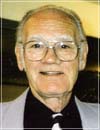
Scott Richardson

We Love Him, Because He First Loved Us

1 John 4:19
Scott Richardson September, 20 1981 Audio
0 Comments

Sermon Transcript

Auto-generated transcript • May contain errors

100%
He says, we love Him. We love
Him. John, the beloved apostle, one
who leaned on the Savior's breast. Something said about him that's
significant, I think, that maybe I could read here in connection
with this this morning by way of introduction to this verse.
In the last chapter of the book of John, let me read it to you.
Our Lord here was having conversation with Peter and some of the other
disciples, and John was nearby. In the 18th verse, now, our Lord
says this to Peter. This has to do with Peter. He
says, Verily, verily, I say unto you, when thou wast young, thou
girdest thyself, and walked whither thou wouldest. That is, when
you was A young man, Peter, you was able to dress yourself, you
was able to walk where you would walk. But when thou shalt be
old, when you get some age to you, Peter, thou shalt stretch
forth thy hand, and another shall gird thee, someone else will
take care of you, and carry thee whither thou wouldest not. They'll take you someplace where
you don't want to go. This spake he, this spake the
Lord Jesus, signifying by what death he, that is, Peter, should
glorify God. And when he had spoken this,
he said unto him, said unto Peter now, follow me. Then Peter, turning about, saith
the disciple whom Jesus loved, That is, he turned from the direction
that he was in and looked in another direction, and his eyes
fell upon John. And he says this about John,
whom Jesus loved, following which also leaned on his breast at
supper. He's seen him who had formerly
leaned, laid his head on the breast of the Lord Jesus Christ. Peter, in the 21st verse, seeing
him, saith to Jesus, Lord, what shall this man do? Our Lord had
told Peter what kind of a death he was going to die here, and
didn't give him any explanation, just said, follow me. Now Peter
turns to John, and sees John, who had formerly leaned on the
breast of the Lord Jesus Christ, and he said, John, the one whom
thou lovest. He said, what shall this man
do? I understand what I'm going to
do. You've told me, you've related to me what's going to happen
to me. Now he said, what shall this man do? And this man, John,
is the man that penned this 19th verse, our text, Of course, under
the inspiration of God, who said we love Him because He first
loved us. What shall this man do? Now,
listen to what our Lord said. 21 Peter, seeing Him, saith to
Jesus, Lord, what shall this man do? Jesus saith unto him,
if I will. If I will, now that's the will
of the Lord Jesus, the will of God. If I will that he carry,
or if I will that he live till I come, what is that to thee? In other words, this is what
our Lord told Peter. He said, Peter, if I want to, If I desire, if
it's my purpose, if I determine to do a thing, if I determine
that John over here lives till I come back, what business is
it of yours? Now let me read it again, verse
22. Jesus saith unto him, If I will that he tarry till I come,
what is that to thee? What's your role? Responsibility,
Peter, is found in the last three words of the 22nd verse. Follow thou me. If this fellow, if I will, this
fellow may live till I come again, it's none of your business, Peter.
You follow me. So this is the fellow. This is
the man, John, who says, we love Him. We love the Lord Jesus Christ. We love God Almighty. Why do
you love God, John? We love Him because He first
loved us. God's love is evidently prior
to ours. Can you see that from this verse?
God's love is prior to ours. It says we love Him because He
first loved us. Now, it's clear enough from the
text that God's love is the cause of our love. We love Him. Why do we love Him? Why do we
love God? Why does a man give up everything
for the name of God Almighty? Why would a man deprive himself
of all the comforts in this life and give himself to God entirely? Why? Why would he do that? Because
he loves God. Why does he love God? Because
he first loved us. That's what the Bible says. Now,
I believe then, according to this, that the reason of His
choice is not because we loved Him, but because He willed to
love us. And His reasons for doing so. And He had reasons. God had reasons
for loving us. I don't know what they were.
I don't know why You are the object or the recipient of the
love of God. I don't know that. I don't know
why God in His mercy one day came where I was, found me, and
made Himself known to my heart. I don't know why. But I know that He had reasons.
He had reasons. For we read in the Scripture
of the counsel of His will, which evidently means He had some reasons. But I'll tell you this, His reasons
are only known to Himself. You don't know the reason? I
don't know the reason why God loved me or why God loved you. But I do know this, I know that
it was absolutely certain that his reasons were not because
of any inherent goodness in me, or any inherent goodness in you,
or any goodness which he foresaw to be in you. What am I saying? I'm saying
that God had reasons, but His reasons were not because of any
goodness in us. foreseen goodness in us. That
is, that God would, in eternity past, would look down through
the eons of ages and see in us that we were about to do a good
thing. And because we were about to
do a good thing, He would say, well, look at that good thing
that this individual is doing, therefore I will love him. What I'm saying is that God had
reasons, and I don't know what His reasons were, but I'm sure
that it was not because there was any inherent goodness in
us or any foreseen goodness in us. We are alright in the respect
of goodness. We have no goodness. We have
no righteousness. Our righteousness is as, what? Filthy rags. That's our, as God
views our inherent goodness, or our foreseen goodness, whatever
goodness that we could muster up. The best thing that we've
ever done. The very best act with the very
best motive for the act. When it's all summed up and laid
out and God views it through pure and holy eyes, He stamps
this upon our goodness, filthy rags. Filthy rags. Does not the Bible say that prior
to our regeneration, prior to the quickening of our souls by
the finger of God himself, that we were dead in trespasses and
in sin? Dead before God? What does that mean? It means
this. Every man, woman, or child, every
member of the human race, every member of the human race is a
child of Adam. And every child of Adam, when
they're born physically into this world, when they come forth
from their mother's womb, at the first cry of that child,
That child is born dead in trespasses and in sin, which is a result of what our
first father did in the garden. Our first father, Adam, was our
representative. He represented all of his seed
to be. He represented every one of us,
yet unborn, but he stood there as our representative. By one
man's disobedience, the scriptures say. By one man's disobedience,
many became sinners. By his out and out rebellion
against God, It was out and out treason, rebellion. He rebelled
against the all-wise, holy, kind, loving, heavenly Father. He rebelled
against Him and said, in essence, God had told Adam not to eat
of the fruit of the tree in the midst of the garden. Don't eat
of that fruit. Eat of all the other fruit. It's
all yours. Everything's yours in this garden.
I've given you in this garden everything in order to ensure
your happiness and satisfaction. But of the tree in the midst
of the garden, the fruit on that tree thou shalt not eat. And the day that you eat of it,
if you do, you're going to die. Well, there was out and out rebellion. Adam said, I'm going to eat.
His wife ate. She gave to Adam, and he did
eat without question. He didn't say to mother Eve or
to wife Eve, you've ate of the forbidden fruit. You shall die. He didn't say that. But he loved
her more than he loved God. He loved his wife more than he
loved God. And so the age of the fruit,
indirect rebellion against God himself, and when he did, he
died. spiritually, not physically,
but he died spiritually. And from that time, now listen
to me, I want you to get this, from that time until right now,
25 minutes to 11 o'clock, from that time until right now, God
said to every member of the human race that was to be born, He
said this, He said, I will not, I will not speak to any member
of the human race or be spoken to by any member of the human
race apart from a substitute. Why? Because of that rebellion. All of us, you see, are universally
alike in that respect. We are sinners. We are sinners
by nature. We're sinners. It's something,
as Glenn said, as he read here, it's something to do with our
hearts. We have a bad heart. We have a bad heart. And we need something to happen
to us. We need something to happen to
us by and through divine means. That's exactly what... Let me
read something else to you. We'll get to this text here in
a minute. I want you to see this. In John
chapter 3, look at this now. John chapter 3, there was a man
who came to our Lord Jesus, and this man was a highly religious
man. He just wasn't a run-of-the-mill
individual who had no credentials. This fellow, he had some credentials. He was a ruler of the Jews. He
was a rabbi. He was a rabbi. And I don't mean
that he was just an ordinary rabbi, but he had climbed the
ladder. He was, I think, the chief rabbi. And he came, that is, he was
the man that taught the people in regard to religion. And he
was the fellow that was supposed to know everything that was humanly
possible to know about religion. And anyhow, there was a man of
the Pharisees named Nicodemus, a ruler of the Jews. He came
to Jesus by night and he said unto him, Rabbi, he called our
Lord Rabbi, we know that thou art a teacher come from God.
For no man can do these miracles that thou doest except God be
with him. And Jesus answered and said unto
him, Verily, verily, I say unto thee, Unto whom? Unto this man
of the Pharisees, named Nicodemus, who was a ruler of the Jews,
very religious, had a morality that would put our morality to
shame. He had good works, so called,
that would beggar our very best need. And our Lord said to him,
He said, this man said to Jesus, he said, we know that you're
a teacher, you come from God. We know that. But that didn't
entitle him to heaven. Our Lord said this, verily, verily,
I say unto you, Nicodemus, except a man be born again, he cannot
see the kingdom of God. I'm saying, brethren, something's
got to happen to us. Something's got to happen to
us. I'm saying that the reason for his choice is not because
we loved him, but because he willed to love us. I'm saying
that the reason of his choice is not only to himself, And I'm
saying that it's certain, absolutely certain, that his choice for
loving us was not because of any inherent goodness in us or
which he foreseen to be in us, because we were all rebels, rebels
against God Almighty. I hope you can see that. CHOSEN
SIMPLY BECAUSE HE WILL HAVE MERCY ON WHOM HE WILL HAVE MERCY. Let me read that to you, just
for fear some of you don't know that it's in the Bible. Chapter
9 of the book of Romans, listen to this. He says here in this
great chapter, He says in the 13th verse, as it is written,
Jacob have I loved, but Esau have I hated. And then he anticipates
an answer from those that hear this. And in the 14th verse he
says, this immediately follows the verse that I read to you,
Jacob have I loved, but Esau have I hated. What shall we say
then? Is there unrighteousness with
God? For God to say, Jacob have I
loved, but Esau have I hated, immediately our natures, our
natures rebel against that, and we say, well, how can God love
one and hate another? How can God hate one and love
one? How can this be? How can this
be? And so immediately, our natures
retaliates and rises up against a statement like that. And he
says then, is there unrighteousness with God? And he answers his
own question. He says, God forbid, there is
no unrighteousness with God. God can do with His own whatever
it pleases Him to do. If we could learn that, if that's
the only thing that we could learn here this morning, we'd
learn something. If we could learn that God is not obligated
to do anything for any of us. He's not obligated. He's not
obligated. We have forfeited whatever right
or claim that we had on God in our first representative, Adam. God has no obligation to do anything
for us. Whatever He does for us, it is
by grace. Well now listen. He says in the
15th verse, which follows that verse where it says, What shall
we say then? Is there unrighteousness with
God? God forbid. Now listen to this, verse 15.
For he saith to Moses, I, that's God, Will, when God wills something. I can will something, but I don't
have the power to perform that which I will. I could say, well,
I will go down to Pittsburgh and get on the airplane and fly
to England. I will do that. But I don't have the means to
perform that which I will to do. You see that fact? I can't
do it. I might say, I will build me
a new house. But I don't have the power, the
authority, the means to perform that which I will to do. God
says, I will. He has the way, the means, the
power to perform that which He wills. I will have mercy on whom
I will have mercy. I will have compassion on whom
I will have compassion. Next verse. He says, So then,
it is not of him that willeth, that's you and I, nor of him
that runneth, that's you and I, but of God that showeth mercy. That is, we're shut up to God
himself. If God does not show mercy to
us, we'll never receive mercy. We can't make God do anything.
It's not of him that willeth or of him that runneth. We just can't say, well, I will
love God with all of my heart and I'll hate the devil and everything's
good. We can say that, but we can't do it. We're shut up to
God. We're shut up to God Almighty,
and here's sovereign will. He does what he wants to do,
when he wants to do it, how he wants to do it, to whom he wants
to do it to. We shut up to that. Well, all
right. He loved us then because, because
he would love us. Our salvation or our redemption
is like our election. It comes from the spontaneous,
self-originating love of God. We were not converted because
we were already inclined in that direction. You see, we were not
regenerated because some good thing was in us by nature. But we owe, listen to me now,
if we're Christians, if we're saved, if we owe God, I'm talking
about people that love God in their hearts. I'm not talking
about some little old 5 cent profession that you made last
year or 20 years ago or yesterday. I'm talking about a genuine Love
in your heart from God, not from the top of your head, but a love
that produces, a love that's warm, a love that's like a fever
that rages that cannot be crushed. I'm talking about that kind of
love. I'm talking about a love. that comes from God Almighty.
If we have this love, if we've been born again, except a man
be born again, if we're really born again, then we owe our nature
entirely to His potent love. I'm afraid I'm not making this
plain. I'm afraid I'm not getting through.
It doesn't feel like I am. If we're born, turn with me again
then, if you will, to John chapter 3. One more time, go over there
with me. John chapter 1. That's the verse
I want, or the chapter I want. Verse 13. Now look at verse 13
in light of what I'm saying. Here's what I'm saying now. We're
not regenerated. Being born again is being regenerated. You're quick and you're dead.
You're dead in trespasses and in sins. You're not dead physically. You eat, you live, you move,
you have passions, you have appetites, you have desires. You move, you
walk, you talk. You live physically. But towards
God you're dead. That was our state at one time.
We were dead towards God spiritually. We had no interest in God. I
lived to be 26 years old or 25 years old. I never had no interest
in God except to curse Him once in a while and take His name
in vain. I had no interest in God. Why is it saying that I
had an interest? All along I had an interest in
God. Did I will it? No, sir. I didn't will it. I
was going the other direction. I didn't will it. Well, this
is what I'm saying. We are not regenerated because
of some good thing in us by nature. But we owe, O-W-E, we owe our
new birth. entirely to His potent love,
which dealt with us, officially turning us from darkness unto
light. Jesus is light. Now look at this
verse in light of what it says. Verse 13. He says that He came
unto His own, but His own received Him not. Our Lord speaking. He
came to His own. He came to the Jews. He came
to the Jews. He was a Jew. And He came to
those Jews. He didn't appear to the Gentiles,
for He came to the Jews, the Jewish nation. He came unto His
own. But His own, they said, No! Thumbs down. You know what they
said? They said, We will not have this
man to reign over us. His blood be on our heads. That's what they said. We don't
want him. We have no king but Caesar. That's the only king we've got.
We have no king whose name is Jesus. We will not bow to his
government or his rule. We will not receive him. We will
not bow to his authority. He came unto his own, but his
own, his own as a nation received him not. Now listen to verse
12. As many as received Him, but
as many as bowed to Him, as many as realized their need of a Savior,
as many as received Him to them, to them who received Him, gave
He power, which means authority, or right, or privilege, As many
as received him, to them gave he power to become the sons of
God, even to them that believe on his name." Alright? What have we found so far? We've
found this, that our Lord Jesus Christ came into this world And
He made the world, He was in the world, and the world was
made by Him, but the world knew Him not. He came to His own,
but His own wouldn't receive Him. But to as many as received
Him, to many as received, He gave them the legal right, He
gave them the authority, He gave them the privilege, He gave them
the power to be the sons of God. Now, how was this brought about? How was this brought about? You
say, well, it's because He came there and there was a whole bunch
of people, and he just kind of walked in the midst of them,
and some of them just turned their backs. And they said, no,
we'll not have this man. We don't want him. We have no
king but Jesus. But there's some other people
there, they said, yeah, we see something in him we haven't seen
in anybody else. We bow down to him. So the reason why then
they become the sons of God is because what they believe. Now
listen to this. Verse 13, now listen to what
he says. These people that bowed to Him, these people that received
Him, He said, which were born. I said you've got to be born
again. That's what Jesus told Nicodemus. You've got to be born
again, Nicodemus. You can't enter into the kingdom
of God unless you're born again. You can't see the kingdom of
God unless you're born again. Now listen to this. Which were
born, not of blood. That means that I can't pass
on life eternal to my children through the union of my wife
and I, through blood. My children, the blood The blood
that's in thy veins came from this union. They are blood of
my blood, flesh of my flesh, bone of my bone, but I cannot
pass on to them eternal life. You see that? Can't do it. Can't
do it. I don't care how much you love
your children. You can't give them eternal life. Which were
born not of blood. Now secondly now, he says, nor
of the will of the flesh. That is, you can't determine
it. You can't say, well, I'll make a choice, I'll make a decision,
I'll do this and that. No, it doesn't come that way.
These people that were saved, these people that were the recipients
of Jesus Christ, they were born not of blood, nor of the will
of the flesh, nor of the will of man, but of God. They were born of God. These people that were recipients
of the divine favor of God Almighty in the person of His Son, the
Lord Jesus Christ, they're born of God. We're not regenerated
because some good thing was in us by nature. We owe, O-W-E,
our new birth. We owe our new birth entirely
to Healer's sovereign, potent love which dealt with us affectually,
turning us from darkness unto light. Oh, I hope you see that. The sum and substance of the
text that I read to you is that God's uncaused love bringing
us within Himself has been the sole means of bringing us into
the condition of loving Him. And that's what the Bible says.
Let's consider for just a few minutes, and I'll let you go,
the necessity, the necessity of loving God. the necessity
of love to God in the heart. There must be love to Him in
the heart. There's got to be. Got to be
love to God in the heart or else there's no grace there. If any
man love not God, He is an unrenewed man. He is an unregenerate man. He is yet dead in trespasses
and in sins. Now you see, love to God is a
mark which is always set upon Christ's sheep. You look at verse
number 7 of this 4th chapter of the book of 1 John. Look there
with me, what it says. It says, Beloved, let us love
one another. For love is of God. And everyone that loveth is born
of God and knoweth God. Love is of God. Everyone that
loves is born of God. I'm not talking about some physical
attraction. I'm not talking about this thing
that's that's called love in our relationship as husband to
wife, for the most part. I know that there's some true
love there in the hearts of thousands, but for the most part, that's
what is called love nowadays. It has to do with the outward,
a physical, it's a physical attraction. You're pretty, and you're pretty,
and Pat's handsome, and Pat being handsome attracts you and so
forth. That's what love is referred
to or commonly defined as in our day. But I'm not talking
about that. I'm talking about love to God Himself. Love to God because He is God
and He deserves, is worthy of love. Love is of God and everyone that
loves is born of God and knoweth God. You see? Love to God, then,
according to this verse, is a mark which is always set upon the
sheep of the Lord Jesus Christ. And I'll go further than that,
brethren, and say this, that there is no exception to this
rule. If a man loves not God, he's
not born of God. If I don't love God this morning,
it's because I have not been born of God. That's all they
are to us. And hell is my home when I die.
You show me a fire without heat. Can you show me a fire without
heat? Then show me a regeneration, a quickening that does not produce
love to God. Every man that has been quickened
by the finger of God loves God. He does. If he's been quickened
by God, he loves God. He loves. Oh, you see the necessity
of love to God? Without love to God, there's
no such thing as called salvation. There's no peace, there's no
refuge, there's no hope in this life or the life to come, unless
there be love in the heart to God. And I've already told you
or tried to tell you that this love, this love, this love springs
from the spontaneous potent love of God to us. We love Him. Why? Why? Why do we love Him? Because. There's got to be a
reason why you love Him. There's got to be a reason. Why
is it? Why is it? Because He first loved us. Alright, verse number 8, we're
told that love to God is a mark of our knowing God. Look at that
verse. He that loveth not knoweth not
God. A man who does not love God does
not know God. I'm going to read something else
to you in connection with that. Just hold your place. Hold your
place. Hold your place. John chapter
17. Listen to this now. These words spake Jesus and lifted
up His eyes to heaven, and said, Father, the hours come glorify
Thy Son, that Thy Son also may glorify Thee, as... Now listen
to this. As our Lord Jesus Christ praying
here, and He says this, as Thou, that is, as God, as Thou hast
given Him, given the Lord Jesus Christ power over all flesh,
My flesh and Your flesh. You see, you see, You don't have
power over God, and I don't have power over God. That is, we don't
have God at our disposal. We don't have God in our hands,
but He has us in His hands. And He can dispose of us as it
pleases Him. As thou hast given Him power
over all flesh, your flesh and mine, that He should give eternal
life to as many as thou hast given Him. And this is eternal
life. Now, what is eternal life? What
is that? I wish I knew. I'd like to live
forever, wouldn't you? Oh, my soul is all they are to
life, not which I've seen in these few years as I look back,
and the drudgery and the slavery and the heartbreak and the difficulties,
and what a little bit of happiness that you and I have experienced.
Is that all they are to this whole shooting match? Oh, is
there something more than just a temporary thing? Is there something
eternal, eternal, eternal, lasting, everlasting, abiding that will
never end? Oh, if there is, I'd like to
have it. Somehow I'd like to become a part of that, wouldn't
you? Well, there is. That's what salvation is, it's
eternal life. Alright, now listen, what is eternal life? Verse number
3. And this is eternal life. This is eternal life. What is
eternal life? Tell me, please, will you tell
me? If you know, tell me. If you've got a cure to cancer,
don't hide it. I've got cancer. I've got cancer
in my breast. There's a tumor there. And the
doctor said, I'm going to die. You've got the cure for it, doctor. Yeah, I've got the cure, but
I ain't going to tell you. Oh, please tell me I'd like to live
a little while longer. My soul, verse number 3 says,
and this is life eternal. Listen, tell me, what is it?
Well, look at it there. And this is life eternal, that
they might know Thee, the only true God, and Jesus Christ, whom
Thou hast sent. That's eternal life. Verse 8
says, He that loveth not Love not God. Eternal life is to know
God. And a man that doesn't love God
doesn't know God, and therefore is not a recipient of God's salvation. You see, we're told from the
Scriptures here that love to God is a mark of our knowing
God. You see, true knowledge is essential
to salvation. God does not save us in the dark.
We are renewed in knowledge after the image of Him that created
us. He that loves not God knows not
God. All you've ever been taught from
the pulpit All that you've ever studied from the scriptures.
All that you've ever gathered from learned men. All that you've
ever collected from the libraries. All this is not knowledge of
God unless there be love to God. He that knoweth not God
For he that loveth not God knoweth not God, for God is love." You
see that? All the children of the true
Zion are taught of God, but you're not taught of God unless you
love God. So then to be without love to
God is to be without all true knowledge of God and to be without
God's salvation. Again, this chapter teaches us
that love to God is the root or the foundation of love to one another. Look at verse number 11. Beloved, if God so loved us,
Look at that. If God so loved us. Well, the next verse tells us
what the love of God is. It says, Herein is love. Herein
is not that we love God. We didn't love Him. We didn't
love Him. While we were yet sinners, Christ
died for us. Herein is love, not that we love
God, but that He loved us. and sent his Son to be the satisfaction
or the propitiation for our sins. Beloved, he says, if God so loved
us that he sent his Son to stand in our stead, place, room, bearing
his own body, that which was our due. Now listen. Beloved,
if God so loved us, we ought also to love one another. You see, no man is a Christian
who does not love Christians. Love to our brethren springs
out of love to our one common Father, even God Himself. We know, the Bible says, that
we have passed from death unto life because we love the brethren. And we cannot truly love the
brethren unless we love the Father. So you see the necessity of love
to Him in our hearts. And verse number 8, look at that. It tells us there in that verse
that the love to God is the chief means of a peace, a holy peace
which is an essential mark of every one of God's children. The Bible says being justified
by peace. We have peace with God through
the Lord Jesus Christ. where there is no love to God,
there is no such peace. None whatsoever. Chapter 5 of
this same book, verse number 3, says this, says that love
to God is the foundation of true obedience. Look at it. Verse
number 3 of chapter 5. For this is the love of God,
that we keep his commandments, and his commandments are not
grievous. So you see there, brethren, these
marks and how they relate to the love of God. Love to God
is the foundation for true obedience. Love to God. You see, it's an impossibility
for us to obey apart from loving God. We've got to love God before
our obedience is obedience. You see, a man who is not obedient
to the commands of the Lord Jesus Christ is evidently not a true
believer because he says this is the love of God. that we keep
His commandments. My text is this. I'm talking
about the necessity of loving God. We love Him. We love Him
because He first loved us. Alright, I'm going to quit in
just a minute. Stay with me. A man can only
love God when he has perceived or understood or seen some reasons
for so doing. Let me run it by you again. A man can only love God when
he has perceived some reasons for so doing. The first argument
for loving God, which influences our intelligence or our intellect, the affections towards God is
mentioned in my text. We love Him because He loves
us. Do you see any reasons here this
morning why God should be loved? Do you see any reasons in your
own heart? Well, you'll never Absolutely never love God Almighty,
never will in this world until you see some reasons for so doing. Let's learn, brethren, if we
don't learn anything else this morning, let's learn the source
and spring of true love to God. We love Him because He first
loved us. Love to God, wherever it really,
really, really exists, has been created in the bosom of that
individual by a belief. Now listen, this is important.
By a belief of God's love to Him. I say brethren, wherever
you find a man, woman, boy or girl who loves God, that love
was created in that man, that woman, that boy, that girl's
bosom by a belief on my heart that God loves me. See? No man loves God till he knows
that God loves him. No man can love God until he
knows that God loves him. You can't love God until you
know that God loves you. That's what my text says here.
We love Him because He first loved us. No man, no man. I don't
care who he is. I don't care what his education,
degrees, what church he belongs to, what church he doesn't belong
to. I don't care how religious he is, how irreligious he is.
I'm saying this as a rule, as a statement of fact that cannot
be altered or changed. It's this. No man, no man can love God until
he knows that God loves him. Well, the man that loves God,
then, has seen himself to be unworthy of divine favor. He's
seen himself to be a sinner! God loves sinners! That's who
He loves! Well, you say, I thought God
loved people that done good. Well, there's none that doeth
good, no, not one. That leaves us all out. God loves
sinners. Hell-deserving sinners, God-loving
sinners. Now, listen to me, when I see
myself to be unworthy of His love, when I see myself as I
ought to see myself, as God sees me, as I see myself as a rebel,
I see myself as a rebel. I rebelled against God. What
I've done, I've done because I wanted to do it. when I cursed
God in my heart and on my lips, and when I refused to bow and
to obey and wanted to do my own thing. I did it because I wanted
to do it. I wanted to do it. And when I
see myself as God sees me, Guilty, guilty that I cannot lay my blame
on anybody else. I can't say, well, it was circumstances. If I would have been born in
a different city, if I would have been born in a different
time, if I would have had different companions, if this, if that.
But when I can see myself as God sees me as a guilty sinner,
I center against God when I can see myself that way. And agree
with God. And agree with God and say, well,
I'm guilty before God. I'm guilty. I'm guilty. You're
not obligated. God, our Father, you're not obligated
to do anything for me. I'm guilty. I've violated your
law. I've transgressed your will and
your desire. I did it because I wanted to
do it. I wasn't coerced. It wasn't my companions. It wasn't
environment. It wasn't circumcision. It was
me. I agree with God. I'm guilty, I'm guilty, I'm guilty.
I mourn and groan. Oh, Father, Father, have mercy
on me. Have mercy. You can have mercy
if you will. You don't have to. You don't
have to show mercy to me. You don't have to. You're not
obligated to. You didn't make me do what I did. I did it because
I wanted to. I'm guilty. Lord, Lord, make
Yourself known to my heart. Reveal Yourself to me. Cross
my path. Create an interest in my heart.
Would You do that? Oh, Father, save my soul and
make Yourself known to me. I'm saying, brethren, love to
God, wherever it really exists, has been created in my bosom
or your bosom by a belief of God's love to Him. And when I
can believe that God loves sinners, when I can believe that God loves
me a sinner, I can believe that. You say, well, that's easy. Well,
try it. Try it. Can you believe it? Can you believe
that God really loves me? Huh? Me? An insignificant nobody. An insignificant
nobody who two weeks after I'm dead, people will spit on my
grave, I'll be forgotten about. Even be forgotten about by my
loved ones in a short length of time. Insignificant, like
a grasshopper, like a fly, like a worm that crosses the road
out there. And the car comes along and smashes
it into... I'm a nobody. Insignificant nobody
that no one has ever heard of. You mean to tell me that God
loves me? Well, if I can believe it, if
I can have seen myself unworthy of God's love and a guilty sinner,
and believe what the Bible says in regard to God, that God actually
and really loves me. He doesn't just merely put up
with me. Now, I bet there's a lot of folks
right here this morning, that's your attitude. You say, well,
God puts up with me. Well, He does that. But that's
not what I'm talking about. See, God doesn't merely put up
with me. God doesn't merely comfort me. God doesn't merely feed me. But God loves me. Now, if that
doesn't melt your cold heart, there ain't nothing under the
sun will do it. If that don't melt your heart
and melt my heart, that God loves me! I've got a guilty sinner!
That ought to be in hell! I ought to have been there fifty-some
years ago. But God loves me. God loved me
before I was born. Oh, if I can see this. If I can
see what the text says here. We love Him because He first
loved us. He loved me before time ever
was. He loves me now. He will never cease to love me.
He loves me even when I sin against Him. He loved me when there was
a curse on my lips to his name. He loved me in Christ. This is the key to all of it. If a man can believe that God
loves him, me, a sinner, God loves me, then automatically
our understanding and our believing that God loves us He makes that
response to what we love Him. We love Him. We love Him, and
that love to Him produces what? Produces obedience. That's the
mark of one of God's chief... obedience to the Word. Obedience. You see what I'm talking about,
don't you? You see, I want you to understand that the love of
God does not begin in the heart from any disinterested admiration
of the nature of God. That is to say, my love for God
started because I heard of the power and the wisdom and the
might and the patience and the forbearance of God Almighty. No, it does not say that we love
Him because we admire Him. We love Him because He first
loved us, you see. Now, we may come to love Him
in maturity as we grow in grace and knowledge of God. We may
come to love Him because He's all-wise and good and kind and
powerful and patient. This may be produced in us in
maturity, but this is not the first cause of the grace of love
in any man's heart. The cause is this. We love Him
because He first loved us. Does He love you? Does God love
you? If you're a sinner, you say,
well, I'm not too bad. Well, you haven't come to the
place yet. I haven't got anything for you. Well, I'm not too bad. I haven't, well, I just haven't
stole or murdered anybody. Well, you haven't. I'm not talking
to you. You're 10,000 miles from what
I'm talking about. I'm talking about those that come to the
place that they can agree with God that they are a sinner before
God. Sinner before God! Willful! Willful! Unrestrained! Sinner before God! If you could have, if you could
have, If you could have, you'd have built a ladder to heaven
and stabbed God in the back. Oh, I'm not that bad. Well, I'm
not talking to you. I'm talking to people that are
sinners. That's the only ones that God's going to save, is
sinners that can't save themselves, that have no righteousness. Here
I come, Lord. Here I come. Look what I've got.
Look what I've got. I've got this in my hand. Lord,
look here. Can I commend myself to you because
of who I am? Look who I am. I'm this. I'm
that. I've been to college. I haven't
been to college. I've got a good job. I've got a fine family.
People wish... Look here at my good works. I give to the Red
Cross. I help my... Look, Lord. Your
righteousness has filthy rights. When you can come to God with
empty-handed. Nothing in your hand. Nothing
in your hand. Seriously falling down at the court of mercy and
saying, Lord, I'm a sinner and I know I'm a sinner and I deserve
to go to hell. I deserve that. I deserve it.
But you can show mercy. You can show me mercy, a sinner,
if you want to. Now, if you can ever get to that
place, then God's got something for you. You can love Him. You
can love Him. You can love Him, see? You can love Him. All right,
let's stand. We'll be dismissed.
Scott Richardson
About Scott Richardson
Scott Richardson (1923-2010) served as pastor of Katy Baptist Church in Fairmont, West Virginia.
Broadcaster:

Comments

0 / 2000 characters
Comments are moderated before appearing.

Be the first to comment!

Joshua

Joshua

Shall we play a game? Ask me about articles, sermons, or theology from our library. I can also help you navigate the site.