Bootstrap
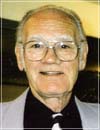
Scott Richardson

The Hope Of The Believer

Philippians 3:1-15
Scott Richardson January, 21 1979 Audio
0 Comments

Sermon Transcript

Auto-generated transcript • May contain errors

100%
I'll begin reading verse number
one. It says, Finally, my brethren,
rejoice in the Lord. A man can't rejoice in the Lord
unless he has some knowledge as to who he is and some knowledge
of the being of the Lord. or he cannot rejoice in a fictitious
imaginary God who reigns over the spaciousness of this universe
if he knows nothing of Him. He must know something of the
being of God. And most of that which you hear
today, people praising the Lord and giving some sort of superficial
expression of their endearment to his name is merely superficial
because no man can praise the Lord. No man can rejoice in the
Lord unless he knows something of the Lord's being. He just
can't do it. It's just talk. It's shallow. In fact, it becomes
hypocrisy. So in order for us to, as Paul
admonishes us here, to rejoice in the Lord, finally, my brethren,
rejoice in the Lord, first we must have a vital union with
him. We cannot rejoice in the Lord unless we have a vital union
with the Lord, and that certainly is first and foremost. to finally
come to the end of ourselves and to see the true picture.
The picture is painted in the Bible here in several places.
In fact, all through the Bible here, the picture is painted
by God of what we are, of our ruin, of our guilt, of our nothingness
before Him. And if we can get that picture
of ourselves divinely revealed, hear in the Scriptures by the
hand of God, then we'll come to the end of self. We'll come down to just what
we are and see ourselves as God sees us. And of course, if that
ever comes to pass in our lives, why, the Lord will reveal unto
us his remedy for our ruin, for our guilt, which is the Lord
Jesus Christ. And as we mature and make some
progress in sanctification and growth, why, we'll know something
of the being of God. And the more we know of the being
of God, the character of God, and the attributes of God, the
more we'll be able to rejoice in God. But if we know nothing
of the character and the attributes of God, we will not be able to
rejoice. It will all be superficial. It
will all be of the lips. It's like the Lord that charged
the religious people of his day. He said, You draw near me with
your lips, but your heart is far from me. You've got a lot
to say with your lips, but there's nothing in your heart. You don't
know me. If you'd have known me, you wouldn't
treat me like you do. Well, anyhow, he says, Rejoice
in the Lord, and to write the same things to you, to me indeed,
is not grievous, But for you it is safe. Beware of dogs. Beware
of evil workers. Not the barking dogs with four
legs, but he's talking about these that would hinder the gospel
and these that would pervert the gospel and these that would
hinder these Christians at Philippi in their service to God. deceitful
workers and false prophets and those that presented a false
view of the God of righteousness, the God of holiness. And Paul
called them dogs. He said, beware of dogs. And
that was the lowest form of life apart from the hog in that day. In the eyes of the Jews was a
dog. In fact, the Lord I've heard
one case here in the book of 1 Peter about those that made
such great pretense of love to him that and then finally fell
away. He said that it was like a dog
returning to its vomit, like a dog returning to its vomit,
vomiting up that which had been digested and then going away
and later on coming back to that vomit. Paul refers to these people who
would hinder the gospel of the Lord Jesus Christ in falsehood
and half-truths. He calls them dogs. Beware of
these dogs. Beware of them. They'll bite
you. You'll be overcome by them. They'll hinder your progress.
Beware of evil workers. Beware of the concision. the
circumcision, which worship God in the spirit, rejoice in Christ
Jesus, and we have no confidence in the flesh. Though I might
also have confidence in the flesh, if any other man thinketh that
he hath whereof he might trust in the flesh, I more." That is
as far as Paul is referring to his particular makeup, his station
in this life, that as far as education, as far as ancestry,
As far as zeal, as far as service, as far as knowledge is concerned,
Paul said, I have more than anybody else. And he wasn't bragging
here, he was just merely telling the truth. Paul, there was none
that would be able to stand taller than Paul in regard to his devotion
and zeal of God Almighty the God as he understood him to be. And Paul said, if all of this,
by being a good man and observing the law and having a particular
knowledge and education, he said, if that constitutes an acceptance
with God in the flesh, he said, and men glory in that way, he
said, I have more to glory than they do. But he goes on. The
third verse there tells us it has no confidence in the flesh.
Though I might also have confidence in the flesh, I might. That is,
if acceptance with God depended upon do's and don'ts, if acceptance
with God depended upon our morality or our ancestry or what we did
or what we didn't, or a mode of conduct, If acceptance, now
get that, if acceptance with God depends upon a mode of conduct,
a observing of rules and rituals and commandments, if acceptance
with God depends upon that, why, Paul said, I'm head and shoulders
above anybody else. But he said, I want you to know
we have no confidence in the flesh. Acceptance with God does
not come through a morality or observance of rules and rituals
and regulations. Now listen, he gives here some
of his credentials. These are Paul's credentials
in regard to his, when he says that he could have
confidence in the flesh. He said, I circumcised the eighth
day of the stock of Israel. I come from the tribe of Benjamin.
and a Hebrew of the Hebrews, as touching the law, I said,
I was a Pharisee. And that was saying something
in that day, boy. You know something about the
Pharisees. Concerning zeal, persecuting the church, touching the righteousness
which is in the law, I said, blameless. But what things were
gained to me, those I counted lost for Christ. Yea, doubtless,
and I count all things but loss for the excellency and knowledge
of Christ Jesus my Lord, for whom I have suffered the loss
of all things. And I count them but dumb that
I may win Christ. All these things in regard to
my life, I count them but just refuse. They are trash. They have no meaning. that I
may win Christ and be found in Him, be found in the Lord Jesus
Christ. That's that vital union I'm telling
you about. And be found in Him, not having
my own righteousness, which is of the law, which is of the flesh,
not having that righteousness which would render me acceptable
before God because I know that it can't. My righteousness cannot
render me acceptable before God. being found in him not having
my own righteousness which is of the law, that is, the observance
of the law, that won't render a man acceptable before God.
But that which is through the faith of Christ, the righteousness
which is of God by faith, that's the righteousness of the Lord
Jesus Christ. The only righteousness which
will render us acceptable before Almighty God is the righteousness
of Jesus Christ. the righteous life of the Lord
Jesus from the time he was born until the time he died, absolute,
utterly perfect in every respect, honored and obeyed the law, was
a delight always to God, absolutely perfect. Now, his righteousness
is given or imparted, imputed to the believer. And it's His
righteousness which we receive by faith which renders us acceptable
with God and before God. Not the righteousness which is
of the law, but the righteous... Now, if that's true, if that's
true, that's what the Bible says. And not only in this place, but,
well, Paul said, I do not frustrate the grace of God, for if righteousness
cometh by the law, then Christ is dead in vain. That is, if
we're acceptable before God because of our obedience to the law,
then Jesus Christ died in vain. And Paul said, I know that's
not so because I don't frustrate the grace of God. I don't mix
it up and confuse it. That's not so. We're accepted
by God on the basis of the righteousness of the Lord Jesus Christ. And
that's said from Genesis in type. throughout the Old Testament
and throughout literally in English words or Greek and Hebrew words
which were translated in English throughout the New Testament,
that we are accepted on the basis of the Lord Jesus Christ, on
His righteousness, not on our own. I wish we all could see
that. I wish we could see that. Then
we could trust in Him. We could just put our souls his trust and know that all's
well because of Christ, because we're accepted because of Him,
not because of ourselves. I say if these things be true,
which they are, why, my, there's a lot of religious people today,
right now, at 20 minutes to 11 o'clock here, there's a lot of
people in the world, boy, they're trusting, they got a false hope,
they trust in something bad. Now they trust him because they
carry the Bible, but they're trusting him because they went
to church. They're trusting in the fact that they don't cuss.
They're trusting in the fact that they've been baptized or
this or that or something else. And they're not trusting in the
Lord Jesus Christ. They're not. They figure they've
been accepted because of who they are. And that's not so. It can't be that way. That's
a false hope. That's a false hope. And throughout
the Bible, Paul warns people about this false refuge and this
false hope and this another gospel, which is not another gospel,
only a perversion, he said, of the true gospel. And if an angel
from heaven comes and preaches any other gospel than the gospel
which I preached unto you, Paul said, let him be accursed, let
him be damned. All right? He goes on then in
that 10th verse and he says that I may know him. that I may know
him, and the power of his resurrection, and the fellowship of his suffering,
being made conformable unto his death, if by any means I might
attain unto the resurrection of the dead, not as though I
had already attained, either were already perfect, but I follow
after. I am not perfect. I press toward,
I follow after, if that I may apprehend for that which also
I am apprehended of Christ Jesus. Brethren, I count not myself
to have reached that particular place, to have apprehended, but
this one thing I do, forgetting those things which are behind
and reaching forth unto those which are before, I press toward
the mark of the prize of the high calling of God in Christ
Jesus. Let us, therefore, as many as
be perfect, that is mature, mature, not perfect, As we know the word
perfection without sin, no one is without sin. All men are sinners
by nature and by choice. Let us therefore, as many as
be perfect, be thus minded. And if anything ye be otherwise
minded, God shall reveal even this unto you. Now, here's what
I want to talk to you just a little bit here this morning, in that
10th verse where it says that I may know him, that I may know
him. Some things I believe that is
essential and necessary for a heart relationship to God,
and that is some things in regard to the attributes of God that
is necessary for us to come to grips with, to see, to believe,
to understand, to a degree, in order that we might know Him. We might know Him. And another
place in the 17th chapter of the book of John, in the prayer
of the Lord Jesus, He said, this is eternal life, that you might
know Him. You might know Him. Got to know Him. Got to know
Him. Got to know Him. That's the vital union. Here Paul, now you see, he already
knows Him. He knows Him in the pardon and
the forgiveness of his sins. He knows that he's been accepted
by God according to the righteousness of the Lord. He knows that. But
now he says that I may know Him. That I may know Him. Know Him. Well, one area that I think will
be profitable to our hearts in regard to the characteristic
of God or the attribute of God is the independency of God. If
we could know something of the independency of God, it would
tend to increase our faith and cause us to trust in Him a little
bit more. Well, God is the one and only
independent being. We speak sometimes of rich men
as being independent, but in reality, no creature is independent. I read here the other day in
a paper where the governor of our state, Governor Rockefeller,
has such a tremendous wealth in trust funds and in investments
that every day, without turning a hand, his money makes $5,000. without turning a hand, without
batting an eye, he has $5,000 coming in every day. Now listen
to me, that's not five days a week. That's on Saturday and Sunday.
That's seven days every week, every day out of every month,
and every month out of every year. He is tremendously wealthy. He has so much money that he
can't even count it. He has to have computers to count
his money. to figure up his interest. We
say, and lots of times speak of rich men as being independent. But in reality, no preacher is
independent. I think in one of the dictionaries,
maybe Webster's Collegiate Dictionary, Webster defines the word independent
as follows. He says, independent means not
dependent. Independent means that you're
not dependent. It means that you're free, not
subject to control by others. If you're independent, you are
not subject to control by anybody else, if you're independent.
Well, I'm saying here this morning that there is nobody independent
except God. God is the only being that is
absolutely independent. You're not independent, the rich
man's not independent, I'm not independent. Free, not subject
to control by others, not relying on others, not subordinate, self-governing,
sovereign, not contingent or conditioned. Now, God Almighty
is the only being to whom this definition can be absolutely
applied. He is independent, God. Now, let me go on with it just
a little bit in order that you and I might see the independency
of God and it might help us to know Him. It might help us to
not blindly trust Him, which we ought to blindly trust the
Lord Jesus Christ and trust God and His providential decrees
that fall upon us and strew our paths in this journey from earth
to heaven, but we'll have some knowledge of who God is and it'll
tend to cause us to trust Him, to be quicker in our our trust
in Him, and it will bolster our faith. Now, the independence
of God does not exclude the employment of His creatures in the accomplishment
of His will. But it does mean that He does
not depend upon His creatures. What I'm saying is that I'm not
saying that Since God is independent, God does not use people to bring
about His purpose or the fulfillment, the completion of His will. God
does use people. He uses means in order to bring
about His purpose. But what I am saying is this.
He does not have to use. He does not have to depend upon
you or me or any other means in order to bring about His purpose
or His will. The popular expression, now listen
to me, the popular expression of our day in religious circles
among those whose lips are constantly flapping together, talking about praise unto God,
They generally say this, God is depending on us. That seems
to be the one expression that's used among preachers and religious
people of our day in this generation, that God is depending on us. Now, if God is depending upon
us, then we make Him weaker than we are. What kind of a God do
we have if He has to depend upon us in order to get the job done,
you see? Now, God may use us in the furthering
of His cause or His claim, but what He does with us in the furthering
of His cause or His claim He could as easily do without us. You see? Over in the 11th chapter of the
book of Romans, a good verse of Scripture, let me read it
to you. 11th chapter and verse 34, I believe it is. It says,
For who hath known the mind of the Lord, or who hath been his
counselor, or who hath first given to him and it shall be
recompensed unto him." You see that popular expression, God
is depending upon us? There is no truth to that. God
may use us in bringing about His cause or His purpose, but
what He does with us, He could easily do without us. Who has known the mind of the
Lord? Who has been His counselor? Who is first given unto Him?
The Apostle Paul had this to say in 2 Corinthians chapter
4 verse number 7. He says that we have the gospel
in earthen treasures or earthen vessels that the excellency of
the power may be of God and not of us. Now, the gospel of the
Lord Jesus Christ is proclaimed by lips of clay, but the power
of conversion is not in man, it's in God, you see. We preach
the gospel, but we have no power through these lips of clay to
make the gospel actable in the hearts and the ears and the minds
of those that hear it. That's of God. This treasure
we have is in earthen vessels. It is in earthen vessels, vessels
of clay, that the excellency of the power
may be of God and not of us. You see, the independency of
God. God does not depend upon us in
order to get the job done. Now, the gospel, I said, was
proclaimed by lips of clay. The power of conversion is not
in the man who speaks, but in the demonstration and the power
of the Spirit according to the Bible. So that the faith of the
sinner is not the result of man's wisdom, but of the power of God. Now, we know that faith is necessary
in order that a man might be saved. Faith in the Son of God.
But we know that faith is a gift. It's one of the inseparable graces
of God. It's not of yourselves. Faith
is a gift of God. Faith is not the result of my
persuasive powers, or faith is not the result of your persuasive
powers, or any man's persuasive powers. I wish this world could
see that. Faith is not the result of man's
persuasive power. We hear a preacher preach sometimes,
and he seems to have the right choice of words, and he seems
to have the right expression, the right presentation, and everything
seems to be right about him. And immediately we say, well,
what a wonderful, wonderful preacher, you know, as if His persuasion
had something to do with man's conversion, but it's not. Faith
is not the result of man's persuasive powers. It is the fruit of the
Spirit, you see. Faith is the fruit of the Spirit
of God, the Holy Spirit of God. The new birth is not the result
of man's will or the will of the flesh. We talked about that
here. some time ago, but of the will of God. It is not him that
willeth nor him that runneth, but of God that showeth mercy. Now, for success in the ministry,
for the success of this church, God does not depend upon the
preacher, but the preacher and the church must depend upon God. That is the independency of God. You see what I'm talking about?
Paul said that I might know Him. Oh, that I might know Him. If we know something of the characteristic
of God here in the independency of God, it will tend to help
us to rejoice in Him. When Paul says in that first
verse of the third chapter, Finally, my brethren, rejoice in Him. if you think God is dependent
upon you, you know. If I really believed that, you
know, God was dependent upon me and He couldn't get anything
done unless I just stood in the gap, unless I responded, why,
I couldn't really rejoice in Him because the logical conclusion
that I'd come to was that God was weaker than I was. If I believed
that Faith is the result of the persuasive power of the orator
or the preacher. Well, I couldn't rejoice too
much in God. I'd rejoice in the preacher.
I'd rejoice in Him who had this persuasive power. You see what
I'm talking about? Oh, that we might rejoice in
Him, the Lord Jesus Christ. Well, there's another thing here,
I think, which is Well, to kind of further amplify the subject
of God's independence, I think we've got to know something about
also God's self-existence and God's self-sufficiency. Now, listen, every being must
have a ground for its existence, either in or out of itself. Now, the ground of man's existence
is outside of his self. He does not cause himself to
exist. Man is dependent upon something
outside of himself for existence. But God is not dependent upon
anything outside of himself for his existence. He is self-existent. Some people seem to think that
God was born December the 25th, 2,000 years ago, that that's
when God came into being. God was born then. God was never
born. God always was. God always was. There's never a time or never
a point in eternity past that you can go back and say this
is the beginning. God always was. He is without
beginning. I know that the self-existence
of God is incomprehensible to me. I can't lay hold of it like
I ought to, and I don't think that you can. It's too much for
this poor, puny mind of mine to grasp. I can't grasp the self-existence
of God. Ground of God's existence is
not in His will, but in His nature. He did not will Himself into
being. It is His nature to exist. He exists because it is His nature
to exist. God Almighty, He self-existed. Well, I say that these things,
brethren, which somehow is involved in the independence of God, will
tend to bolster our faith. It will tend to cause us to rejoice
when we know Him. Most of us, about the only thing
we know about God is we kind of enter on the fringe area there
of the God of the Bible. We just know God so loved the
world. And we can quote that. That's about it. We say, well,
God loved the world. And we know the story of how
God sustained Noah and those poor souls there in the day of
the flood. And that's about all we know about God. And we seem
to be content with it. But I think, brethren, to those
that are the children of God by faith in Christ Jesus who
are daily being conformed to the image of God, that somehow,
some way, through the mercy and the providence of God, these
people are going to know something about the God of this Bible,
their heavenly Father. They're going to know something
about it. They're going to know a little bit about what it means when
they bow before Him and say, Our Father which art in heaven,
hallowed, sacred be thy name. They're going to be able to say
that. It's going to spring from the heart because they know of
His self-existency, because of His independence. because of
his self-sufficiency. The self-sufficient being must
of necessity, or the self-existent being must be of necessity self-sufficient. He doesn't need anybody in order
to get along. He doesn't need me, he doesn't
need you. God is sufficient for his own support, for his own
glory, for his own happiness. Romans chapter 11 verse 36 has
this to say, It says, For of him, and through him, and to
him are all things to whom be glory forever. Amen. God comprehends in himself all
excellences, perfections, and happiness. He doesn't need us. Listen, does not the Bible say
that the heavens declare His glory? One of the Psalms says
that. It says, The heavens declare
the glory of God. Now listen to me. They declare
the glory of God, but they can't add nothing to it. See? They can't add anything to the
glory of God. They just declare the glory of
God. Men like you and I are ascribed
and we're commanded by God to give glory to God even in eating
or in drinking. We are to give glory to God.
But this is not any addition to the glory of God. We are just
to give glory to God. But we can't add anything to
God's glory. You see, God who is self-existent
is self-sufficient. Oh, the Lord help us to see There's
a verse of Scripture over here in 1 Timothy. I want to read
that to you. 1 Timothy. I think in the first chapter,
in the 11th verse. Something else about God here
that kind of makes me happy. It says, According to the glorious
gospel of the blessed God. Oh, what does that mean? According
to the gospel according to the glorious gospel of the blessed
God." Well, I think that you could say that what's said here
in this verse, you could rightly define that to mean that he is
called the blessed or the happy God. The happy God. Blessed means
happy. Now, when I say that, I mean
this. I mean that this happiness can
neither be added to nor destroyed. You cannot destroy the happiness
of God. You know, we're led to believe
from our childhood days, you know, because of our disobedience
we make God frown or God's disappointed. He expected certain things out
of you and you didn't do it, so therefore God's disappointed
and He's unhappy. God's unhappy with me. Well,
I suppose in a sense, when we visualize God on a human level
or human plane, why, we can come to that conclusion. But listen,
God is the happy or the blessed God, and His happiness, His happiness,
His blessedness can neither be added to nor destroyed. Now,
sin merits and receives the displeasure of God Almighty, but it cannot
destroy His happiness. Can't do that. God's always happy. God's always happy. He's never unhappy in that sense. Listen, I believe that God was
happy and glorious even before He ever made man. I believe before
God took from the earth some dust and formed a figure there
of a of a man and breathed into that man's nostrils the breath
of life, I believe that God was essentially happy in Himself,
even then. I believe that He was happy and
glorious before there was any creatures whatsoever. And I believe,
brethren, listen to me now, I want you to hear this. I want you
to hear it. Write it down. Write it down
if you want to. It's good. God's always been
happy. Before there was anything, God's
always been happy. Now I'm going to tell you something
else. He will remain happy even when hell is filled up with the
wicked. God will be happy. You haven't
talked about it. God will be happy. He'll be happy
when Hell, as our brother said when he prayed this morning about
it, like for all of us, those that are in Christ now, side
of Christ, to have a view of the yawning jaws of hell and
somehow through that fearful, fearful, terrible, dreadful sight,
somehow it might turn us that we might drop our sins and flee
to the refuge which is found in Christ. But when that place
is filled up, God will not be happy or unhappy. Now, the happiness
of God rests upon two or three things, and let me refer them
to you, and then I'll quit here this morning. God's happiness
is based upon this fact. There is no moral conflict with
God. That is, God is at peace with
himself. The Bible says, and I think you
know, that there are three persons in the Godhead. There is God
the Son, there is God the Father, and there is God the Holy Spirit. And the Father, the Son, and
the Holy Spirit are in absolute harmony, unity, and perfect accord. And that's called the peace of
God. There's no moral conflict between
the Father, the Son, and the Holy Spirit. They're in harmony. And as a matter of fact, God
is in harmony with all of His characteristics and all of His
attributes. He is at peace with Himself. You can't say that, neither can
I. We're not at peace with ourselves, absolutely. We have peace. We have peace with God through
our Lord Jesus Christ. peace with God and we have the
peace of God, but we are not absolutely at peace. God is absolutely at peace. Well, God knows no limitation. I'm saying that he's essentially
happy and essentially blessed and essentially independent because
of these particular facts. No moral conflict there in God.
He knows of no limitations. He is never at the end of himself. You and I come to that place
every once in a while. The end of all resources. The end of all help. We use that
expression, old people used to use it, that we've come to wit's
end. We've come to the knot on the end of the rope. We're at
the end of self. God never gets to that place.
His resources are never diminished. There's no end to the infinite
resources of God Almighty. He can continue to draw from
that well. It's like an ocean without a
bottom. His actions, His wisdom, His
power, His mercy, His love has no limitations, not limited.
Therefore, He is absolutely, essentially blessed and happy
in Himself. And when hell's running over,
he'll still be happy. He won't be unhappy. Now, what
I'm saying is he never faces an emergency. God never... You
know, you face him and I face him. Every once in a while we
have an emergency. Something's got to take place
real quick. We've overdrawn from our checking
account. And they get on the phone and
say, you're overdrawn. $25, $50, $2, $300, whatever.
Something's got to be done. Emergency. You've got to have
that money real quick. You've either got to go to a
friend or you go to somebody. Go to another bank and borrow
it in order to cover up. Somehow you've got to take care
of that emergency. That's a crisis. God knows nothing
of crisis. He knows nothing of emergencies. He knows no limitations. He's free. from all human worries, such
as you and I have become involved in. I don't guess there was ever
a time when God wondered what he'd do or what he could do.
He never, you know, just said, well, now, you suppose I'm able
to do this or able to do that? No, there was never a time. God
has no experiment station where He learns what is best, for He
naturally knows what's best. God always knows what's best.
Up where my dad lived, up in Preston County, the old farm
there that my dad was born, raised on, was bought by the West Virginia
University Experiment Station. that had something to do with
the agriculture program at West Virginia University. And they
experiment up there with cattle and they experiment with certain
fertilizers and things of that nature in order to find out what's
best and what can be used in various climates and situations
and what type of cattle will produce the best pounded just
beef as far as that's concerned, the best strain of milk and all
of that. I want you to know that God has
no experiment station where He learns what's best and what's
not best because He naturally knows what's best. And I want
to tell you this, that everything, you know, sometimes we're talking,
you know, and we say, well, God was, well, we came from, or made
a trip in the snow or something like that, or something like
that. We say, well, we made it home
all right. God certainly was merciful to
me. Well, that's right. God was merciful to you, but
I want to tell you this. There never was a time in your
existence that God wasn't merciful to you. See? The only time that
you can say that God's not merciful to you is when you're in hell.
See? Anything this side of the gapping,
yawning jaws, of eternal hell, anything beside of it, is the
mercy of God. Anything. Well, you see, God's
not limited in power and wisdom. We're limited here in time. But
God is the King of Time. God is the King of Eternity.
You know, Joshua wanted time to get his day's work done, and
God lengthened the day for him by stopping the sun. I read one
time where old Napoleon at Waterloo saw the shadows of the evening
falling upon his defeated army, and he was to have said this.
He said, Oh, that I had the power of Joshua to retard the march
of the sun just one hour. Just one hour. Couldn't do it,
though. Couldn't do it. Limited. He is
limited. God's not. He's not limited in
power, not limited in time or wisdom. He's essentially blessed
and happy in himself. And then God's happiness too
consists in his holiness. Sin destroys happiness. Look
yonder there in the Garden of Eden at Adam and Eve before and
after their sin. You can see how sin destroyed
their happiness. Nothing to mar their happiness
now until sin comes. But when sin came, that marred
their happiness. Sin promises happiness, but it
can't produce it. It can't produce it. The only
one who can produce happiness is God Almighty, because He's
essentially happy. He's essentially blessed, and
He can produce it. He can promise it, and He can
produce it. Sin can promise happiness, but it can't produce happiness.
It can't do it. you know, the various sins. I'm
talking about sins. Now, I'm going to talk about
this inward sin that is bound up in us, this depraved heart
and self and attitude. Sins out here, sins of the flesh, lewd women, adulterous women,
drink, dance, all that's involved with Sexuality. Outside the marriage bond. Dope
and drugs and what have you. All of this promises something. It promises a happiness. Come with us and we'll do thee
good. Sin beckons. Sin beckons us. Come, come, come with us and
we'll do thee good. We'll give you satisfaction,
contentment, peace of mind. We'll give this to you. We'll
give you happiness. And it will give something to
you for a fleeting while, which only lasts for sometimes hours,
sometimes minutes, maybe even a day, but that's as far as it
goes. See, sin promises, Bob, but it
can't produce. God promises happiness and He
can produce what He promises because He's essentially happy
in Himself. And if He promised, He says to
any man who will come, He says, Come unto Me. And all you that
labor and are heavy laden, you labor and you're heavy laden
with the burden of sin, the burden of guilt, He said, Come unto
Me and I'll give you rest. I'll give you happiness. That's
what He's talking about. If you'll come to Me, you that
are labored down, you're burdened down with your guilt and your
sin, you come to Me. Just come to Me. Sin will tell
you to stay there and go here and go there, but sin cannot
produce any result. I can. I can produce this happiness. Sin promises but cannot produce. Well, the people of God, I suppose,
will not be perfectly happy. I'm saying perfectly happy now.
until they are completely saved. You are not completely saved,
now you are being saved. You are being saved, not completely. You will not be completely saved
until you are like the Lord Jesus Christ. If you are going to be
just exactly like Him, then you are completely saved. You are
not completely saved right now. Listen, this will not happen
until they are conformed to the image of the Lord Jesus Christ
in resurrection glory. And the psalmist said this, he
says, I shall be satisfied when I awake with thy likeness. Just one more thing, now I'm
going to quit. I want you to see this. Listen. This has to
do with the blessedness of God, the happiness of God, the independence
of God, the self-sufficiency of God, the self-existence of
God. This has to do with what Paul's talking about when he
said that I may know it. I may know it. Oh, if I could know
it. Job said that. Oh, Job said, if I could know
it, if I could see it wrote down, if I could know it, vital union,
then these things fall in place, tend to bolster our faith. Oh,
what about the immutability of God? We talked about that a little
bit the other day. Malachi chapter 3, verse number 6, talks about
the immutability of God. This is what it says. It says,
I, Jehovah, change not. That's the immutability of God. God doesn't change. God doesn't
change. He's immutable. Now, immutability belongs to
all creation. That is, change and decay has
set in upon all of us. Immutability belongs to us and
everything that we see. Immutability belongs to God and
to God alone. No change in God. Absolutely
no change in God. What He is now is what He always
was. And what He always was is what
He always will be. No change in God, immutable. Now listen, the visible heavens,
as we see them, often change their appearance. Sometimes they're
clear. Sometimes they're covered with
clouds and darkness, and there's change. The face of the earth
appears different at various seasons of the year. Right now it appears different.
It's wintertime. It's different here than it is
where Neal just came from in Florida. He said it's down there
in Florida, it's in the 70s, nice and warm, sunshine, enjoying
the sunshine of God Almighty. You see, the face of the earth
appears different at various seasons of the year. The earth
itself has undergone a great change by the flood, and the
earth will undergo a greater change by the fire. God's going
to burn this thing up one of these days. He's going to burn
everything up that you and I hold on to. God's going to burn it
out. He's going to burn it out. Change! Mutable! Mutable! That's
what I'm trying to say. But God never changes. I was
thinking about this, this thing in the hymn. I'll read this to
you and then I'll quit. Time's gone. I should have quit before this. It said, abide with me. Fast
falls the eventide. The darkness deepens. Lord, with
me abide. When other helpers fail and comforts
flee, help, oh, the helpless. Oh, abide with me. Swift to its
close ebbs out life's little day. Earth's joys grow dim, its
glories pass away. Change and decay in all around
I see. O thou who changes not, abide
with me. I need thy presence every passing
hour. What but thy grace can foil the
tempter's power? Who like thyself my guide and
stay can be? through cloud and sunshine, O
abide with me. Hold thou thy word before my
closing eyes, shine through the gloom, and point me to the skies. Heaven's morning breaks, and
earth's vain shadows flee. In life, in death, O Lord, abide
with me. O thou changeless Paul said to
know Him. Oh, he said that I might know
Him. I said all these things this morning for my benefit and
for our profit, for our profit, that we might grow in the knowledge
of God. We might know Him in His unchangeableness,
in His independency, self-sufficiency, in His blessed happiness, that
state of pure delight. The Lord help us. We'll meet
again this evening.
Scott Richardson
About Scott Richardson
Scott Richardson (1923-2010) served as pastor of Katy Baptist Church in Fairmont, West Virginia.
Broadcaster:

Comments

0 / 2000 characters
Comments are moderated before appearing.

Be the first to comment!

Joshua

Joshua

Shall we play a game? Ask me about articles, sermons, or theology from our library. I can also help you navigate the site.