Bootstrap
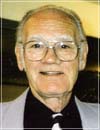
Scott Richardson

The Testimony Of God Against All Rebels

Exodus 5:1
Scott Richardson February, 5 1978 Audio
0 Comments

Sermon Transcript

Auto-generated transcript • May contain errors

100%
The author of the Book of Exodus is a testimony of God against
all rebels, and it was written for our admonition and for our experience, for our profit. Aaron are the two spokesmen of God
here in this fifth chapter. God has spoken to Jesus prior
to this in the burning bush and has given him a work to do in
his behavior. So here, let us read a few verses
of it. Next is chapter five. First
of all, afterward, Moses and Aaron went in and told Pharaoh,
Thus saith the Lord God of Israel, Let my people go, that they may
hold a feast unto me in the wilderness. We're going to have a religious observance
here. I guess this is the first indication
in the Bible of a religious observance of this size. But that was the
idea. Let my people go that they might
hold a feast unto me in the wilderness. And Pharaoh said, Who is the
Lord that I should obey his voice to let Israel go? I know not
the Lord, neither will I let Israel go. And they said, The
God of the Hebrews hath met with us Let us go, we pray thee, three
days' journey into the desert, and sacrifice unto the Lord our
God, lest he fall upon us with pestilence or with the sword.
The king of Egypt said unto them, Wherefore do ye, Moses and Aaron,
let the people from their works, get ye unto your burdens? That
is, why are you hindering this people who are my slaves from
their works? Get out of here. Leave them.
Get about their work. And Pharaoh said, Behold, the
people of the land now are many, and ye make them rest from their
burdens. You remember that the children of Israel got down into
Egypt through Joseph, who was sold into slavery. And finally,
when the reconciliation came between Joseph and his brethren,
there was a famine in the land, and so Joseph, being the prime
minister of all Egypt, appealed to the Pharaoh and Joseph's father and his sons,
and their wives and slaves and all were brought down into Egypt. And they began to grow, and so
the Pharaoh gave them a particular land in Egypt which is the land
of Goshen. And, of course, they are down
there in Egypt now, at this time, almost 400 years. And so they
have become a powerful group of people and one that is to
be contended with. And so Pharaoh here, he understands
that. And he said that, behold, the
people of the land now are many. There's a lot of them. And you
make them rest from their burdens. Why do you bother them like this?
I need some work done, some bricks made. Pharaoh commanded the same
day that the taskmasters of the people and their officers, saying,
He shall no more give the people straw to make brick, as heretofore,
let them go and gather straw for themselves. Of course, it
was necessary in the making of brick that they have some straw.
And he, prior to this, Egypt had provided a straw to
the Israelites in order to make bricks, but now because of Moses
and Aaron's interference or insistence that he release these captive
people and let them go and have a religious feast under the Lord,
he's bothered and he's mad. And he said, well, we're going
to make brick now. but I'm not even going to provide
any straw for you. I'm going to make you do the impossible.
You're going to make brick, and before, I think in some place
in this chapter, he tells them that he wants more output now,
when they haven't got any straw, than what they did when he provided
straw. So he's asking here almost the
impossibility. So you can see what kind of a
tyrant he is. It says, Ye shall no more give
the people a straw to make brick, let them go and gather straw
for themselves. And the tail of the bricks, which
they did make heretofore, ye shall lay upon them, ye shall
not diminish what thereof, for they be idle, therefore they
cry, saying, Let us go and sacrifice to our God. So the taskmasters
of the people went out to their officers, and they spake to the
Pharaoh, or spake to the people, saying, Thus say Pharaoh, I will
not give you straw. Go ye, get you straw where ye
can find it. Ye ought not of your work, yet
ought not of your work shall be diminished. So the people
were scattered abroad throughout all the land of Egypt to gather
stubble instead of straw. The taskmasters hastened them,
saying, Fulfill your works, your daily task, as when There was
straw, and the officers of the children of Israel, which Pharaoh's
taskmasters had sent over them, were beaten and demanded, and
demanded, Wherefore have ye not fulfilled your task in making
brick, both yesterday and today, and heretofore? And the officers
of the children of Israel came and cried unto Pharaoh, saying,
Wherefore dealest thou thus with thy servants? There is no straw
given, unto thy servants, and they say to us, Make brick, and
behold, thy servants are beaten, but the fault is in thine own
people. And he said, You are idle, you
are idle, therefore you say, Let us go and do sacrifice to
the Lord. Go therefore now and work, for
there shall no straw be given you, yet shall ye deliver the
tale of bricks. And the officers of the children
of Israel did see that they were in an evil case, after it was
said, Ye shall not minish from the bricks of your daily task.
And they met Moses and Aaron, who stood in the way, as they
came forth from Pharaoh. And they said unto him, The Lord
look upon you and judge, because you have made our Savior to be
abhorred in the eyes of Pharaoh, and in the eyes of his servants,
to put a sword in their hand to slay." Moses returned unto
the Lord and said, Lord, wherefore hast thou so evil entreated this
people? Why is it that thou hast sent
me? For since I came to Pharaoh to speak in thy name, he hath
done evil to this people. Neither hast thou delivered thy
people at all." That's the entirety of that fifth chapter. It's almost impossible to realize
the condition of Israel at this time. They had been slaves of
a tyrant king, and many of them from their birth. Moses and Aaron, understanding and feeling somewhat
of the terrible burden that was upon and in the hearts of the
children of Israel. We're being used of God here
to go to Pharaoh and make the demand, let my people go. Now, I said at the outset that
this Pharaoh, according to other portions of
the scripture, that he was raised up that God
might show his power in his destruction. He was a tyrant. He was and is
a testimony against all who would oppose God, a testimony against
all rebels. Now, I want you to see here this
morning his attitude his attitude towards Moses and
Aaron, not really Moses and Aaron, but his attitude towards he who
Moses and Aaron represented. They were met by a manifestation
of ignorance. When Moses and Aaron went in
and told Pharaoh, Thus saith the Lord God of Israel, Let my
people go, that they may hold feast unto me in the wilderness,
Pharaoh said, who is the Lord that I should obey his voice
to let Israel go? I know not the Lord, neither
will I let Israel go. They were met here with a manifestation
of ignorance on the part of Pharaoh. Now, at this particular time,
Egypt as a country abounded with many gods. But old Pharaoh, I suppose, regarded
himself as equally as important as these other gods in which
abounded in his country. And I think if you evaluate old
Pharaoh here, you'll come to this conclusion that he was a
god unto himself. In short, I believe that's what
he thought. He thought he was just another god, himself. That was his attitude. Who is the Lord that I should
obey? Is he just another god like the
gods that are sprinkled through this land in which I live? He
had no respect even for the pagan, heathen gods of his country. He had no respect for them. He
feared them, but he didn't respect them. And he thought that he
was a god unto himself. And then I think that Moses and
Aaron here were met too with a sense of profanity on the part
of Pharaoh. Because old Pharaoh becomes insolent
in this second verse. He opposes authority. He treats
the claims of God Almighty with contempt. I think he imagined
in his own heart that he was free from the dominion of any
power other than himself. So, in that respect, Moses and
Aaron is not only met with a deep-seated ignorance, but they're met with
a profanity because he treats the claims of God with contempt. He opposes the authority of God. Who is he? Who is he? And I should obey him. And then Aaron and Moses are
met with an unwarrantable pride on Pharaoh's part. He speaks
here in this second verse, and other verses, but this second
verse in particular, as though he were a supreme monarch of
the world, as though that there were none in competition or none
to rival his majesty and grandeur or to defeat his particular power. So you can see in these three
points here which are indicative of the terrible, terrible feeling
and pride and ignorance and darkness that Pharaoh wandered. And you can see that he was a
tyrant. You can see that by what's said here about the making of
bricks and so forth, just how mean and contemptible this fellow
was. Who is he? That's the question.
Who is the Lord that I should obey His voice and let Israel
go? You know and I know in the balance
of all five or six chapters here, probably through the tenth or
eleventh chapter of the book of Exodus, Pharaoh bears up under
or against all of the warnings and the plagues of God. When the hail which was mingled
with fire fell upon Egypt, Pharaoh did not give in. He continued
to fight on. When the magicians duplicated
the act of Aaron as he dropped the rod and it turned into a
serpent, well, the magicians came along and they slowed their
rod down. And their rods turned into a
serpent. But the rod of Aaron swallowed the rods of the magician." You see, this is very powerful.
And Pharaoh rebelled and resisted. Proud heart. It's not broken. He defied God. In every instance. I forget how
many flags here. What are the ten or twelve flags? turned to all the water. There
wasn't a single drop of water in all Egypt that was not turned
into blood. All the fish, everything that
lived in that water, died. There was a stench that clouded the land of Egypt
like a people had never smelled before. He opposed himself, stood up,
resisted, said, I will not let these people go. Plague after
plague after plague after plague, lightnings, the locusts, right down to the bitter end.
He said, I will not let these people go. Finally God said,
well, we'll do this, we'll do this. God hardened his heart,
but finally God said, Moses, we'll do this. He said, you take
the blood of the lamb and you paint it on the doorpost of the
children of Israel. And he said, the death angel
will come over and he said, the houses that the doorpost or the
lintels of the door is painted with blood. He said, I'll pass
by that house, but in the houses and the families of every other
family in all Egypt, he said, the firstborn of the family is
going to die. He said, I'll bring him to his
knees. And that's what happened. And
there was a death, now you think of this, there was a death in
every family among the Egyptians. From Pharaoh's house down to
the least peasant in Egypt, the firstborn of Pharaoh's house
died. There was a funeral that day.
There was a funeral in every house of Egypt. God killed the
firstborn of all the land. Yet, don't you know, this did
not completely break this rebel? That didn't break him. That didn't
break him. When the pressure was released
from a He turned and gave chase to the
people of Israel, didn't he? Huh? He said, oh yes, he said,
well, we'll let these people go. But just as soon as they
got out of his sight and the pressure was off of him, he got
his army. He got his army and all those
chariots, and he gave chase to the people of Israel. You see
what I'm saying? I'm saying that this fifth chapter
of the book of Exodus is a testimony against all rebels. You know
what happened to this fella? When he said, I'll fight on to
the bitter end. Let God do his worst. I'll defy. You know what happened? God buried
him and his fancy chariots in the depths of the sea. Now, the
moral of all that is this, that God's going to bury every rebel
that rebels against Him. This is a testimony against every
rebel. If I'm a rebel this morning,
in opposition to God, have defied Him on every turn, spurned every
warning that God has drawn across my path, one day God's going
to bury me just like He buried this fellow. God buried him.
God buried him in the depths of the sea. Him and all And don't
tell me that God didn't warn him. How many warnings did this
fellow have? God warns everybody. God warns
everybody. Before ultimate destruction comes,
there's warnings. God warns people. He warned this
fellow time and time and time again, he warned him. But he wouldn't listen. He vowed
in his heart that he'd fight on. Well, he fought on, but he
fought a losing battle. All right. Pharaoh asked Moses. He said, Who is the Lord that
I should obey His voice? Now, we've got to answer that
question. We've got to know who He is. We've got to know who
the Lord is. Pharaoh said, I don't care who
He is. Don't make any difference to me. He said, He might be just
another god among an abundance of gods that they have here in
the land of Egypt. I don't care. I didn't pay no
attention to them, and I'm not going to pay attention to Him.
Who is He? Well, He said, Moses, who is the Lord that I should
obey His voice? Now, God is not who we think
He is. God is who He is. He's not who we think He is.
God is who He is. If God were who we think he is,
then we would have as many gods as we have people. The scriptures say that our thoughts
are not his thoughts. And he said there himself in
Psalm 50 and verse 21, he said, You thought I was altogether
such and one as yourself. Now, God is not who we say he
is. God is who he says he is. He's not who we say he is. He's what he says he is. The heathens bow before idols
of stone and says, here's God. That's what they say. The Roman Catholics, they bow
before the Virgin or the Crucifix and they say, Here's God. That's
what they say. The Fundamentalists of our day,
they bow before some particular doctrine or some area of the
Ten Commandments or some other area which is regarded as sacred
to them in the area of fundamentalism. They say, come to this doctrine,
come to this law, come to this church, come here, come there,
that's their God. But the Lord Jesus Christ says
to them, and he says to us, and he says to Moses, or he says
to Pharaoh, you neither know me or my father.
When our attitudes are like that, you neither know me or my father
told philip he said to the apostles he said
i've got to go away i'm going away so i've got to go to jerusalem
and i'm gonna be scourged and i'm gonna be i'm gonna be killed
crucified gonna be killed put in the ground three days on the
third day rise again and go to whence i came Go to be with my
Father." And Philip said, Lord, show us the Father! Show us the Father! He didn't
know either. Show us the Father. And the Lord
said, Well, Philip, you've been with me these many years, and
you still say, Show us the Father? He that hath seen me hath seen
the Father. Who is he? That's what old Pharaoh
said. Who is the Lord that I should
obey his voice and let Israel go? I know not the Lord, and
neither will I let Israel go." So, we found out thus far that
God is not who we think he is. God is who he is. God is not
what we say he is. God is who he says he is. That's who God is, who he says
he is. Now, listen. God is who he is
and who he says he is, therefore a knowledge of God must come
from him by divine revelation. Got to come from him. Any true
knowledge of the Lord God must be revealed to us by the Spirit
of God or we'll perish in ignorance, worshiping the idols of our imagination
and calling them God. Now, God is pleased to reveal
himself in two ways. Number one, through his Word.
Through his Word. Man will never know God apart
from the Word of God. That's right. Never know God
apart from the Word of God. Men can disregard the Bible if
they want to and try to take shortcuts, but they'll never
come to the knowledge of the true and living God apart from
the Word. Now, God's pleased to reveal
himself through his Word and through his Son, the Lord Jesus
Christ. We must know him. We've got to
answer this question. Who is the Lord that I should
obey? We've got to know him. We've got to know. There's got
to be some knowledge of him. That knowledge only comes by
divine revelation, but we've got to have it if we're going
to stand in good stead with God at the end of time, the end of
time for us. We've got to know him. We've
got to know him. How can he be known? How can
he be known? Well, let me read something here in the book of Hebrews, chapter
1. You turn over there if you want
to, chapter one of the book of Hebrews, and listen to this. See if it's not true that God
is pleased to reveal Himself through His Son. Chapter one
of the book of Hebrews, verses one and two. Now listen to this. It says, God, who at sundry times
and in divers manners bake in times past unto the fathers by
the prophets." That's the first verse. The second verse says
this, "...has, or hath, in these last days he spoken unto us by
his Son." He's spoken unto us by his Son. So God here says
that he is pleased to reveal himself through His Word and
through His Son. So if we would know the true
and the living God, we can't trust in our dreams, we can't
trust in our imaginations, we can't trust in our visions, we
can't trust in our thoughts, we can't trust in our ideas,
we can't trust in our traditions, but we've got to look to His
Word and to His Son, the Lord Jesus Christ. I and my Father
are one." Any thoughts and ideas of God which are contrary to
the Word of God and to the person of the Lord Jesus Christ are
false and full of idolatry. You can count on that. God, who
at sundry times and in divers manners, spake in times past
unto the fathers by the prophets, but hath in these last days spoken
unto us by his Son." Who is his Son? He says, "...whom he, God,
hath appointed heir of all things." The Lord Jesus Christ is the
heir of all things. The heir Moses and Aaron come
in his name. who has all authority and all
power, here he comes to Pharaoh, this so-called monarch, comes
to him and makes the claims of God known. And he says, now,
the God of the Hebrews has said, let my people go. And what was
this tyrant's answer? Why, he said, who is the Lord
that I, might obey his voice." Who is they? That is the same
attitude that's in the heart of every
alienated sinner this morning. That's the same attitude. They
have the same attitude that Pharaoh had. Who is they? And they reject
his claims. They reject what he said. They reject his word. They reject
him. They say no. They oppose him. whenever I have. But God's long-suffering, warning
after warning, comes their way. Here's the God of glory who's
the heir of all things. He comes and makes a claim. This
fellow says, No, I'll have no part of it. God in His long-suffering
continues on, and He warns men, and He warns men day after day,
day after day, month in and month out. He warns men, and men laugh
in God's face. That's right. Laugh in the face
of God and will not consider. Remember, I preached to you here
the other day from this verse of Scripture that's in the book
of Deuteronomy, I believe, that says, I would that they were
wise that they might consider their latter end. Remember, I
preached from you from that text. If a man's going to be wise,
Consider the fact that you're going to die and stand before
God in judgment. Consider that. But men are not
wise. Men are ignorant, just like Pharaoh
was ignorant. They say, well, who's he that
I should listen to him? I guess not realizing that he's
the heir of all things. All power is in his hands. All
power, not just a partial. temporary power or dominion over
the things of time. But, oh, listen to this now.
It says, "...has in these last days spoken unto us by his Son,
whom God," now that He's God there, "...whom God hath appointed,"
God's appointed the Lord Jesus Christ, "...heir over all things."
That's what it says. It says, "...by whom also he
made the world." It was by and through the Lord Jesus Christ
that the world was made. The world would not have been
made apart from the Lord Jesus. In fact, there is not anything
made that was made that would have been made apart from the
Son, the Lord Jesus Christ. Listen, in this third verse now,
"...who being the brightness of his glory." The Lord Jesus
Christ is the brightness of the glory of God. And it goes on,
he says, "...and the express image of his person." He's the
brightness of God's glory. He's the express image of God's
person. So when a man takes the attitude
like Pharaoh did, which every man takes, who is he that I should
obey him? I'll not let these people go.
Who's he? I have no respect to his claims. Where did he get his authority?
I oppose his authority. I resist his efforts. I jump
the barriers of his warnings. Men, when they do that, are rejecting
the claims of Almighty God that the worlds were made by
him. He's appointed heir of all things. And thirdly, he is the
brightness of his glory and the express image of the person of
God. He that hath seen me hath seen
the Father. Who is he? He that's seen me. If a man's seen him, he's seen
the Father. And it goes on. Now listen. He says the express image of
his person. He upholds all things by the
word of his power. And when he had by himself purged
our sins, sat down on the right hand of the majesty on high,
being made so much better than the angels, as he hath by inheritance
obtained a more excellent name than they. For unto which of
the angels say he, At any time thou art my son, this day have
I begotten thee. And again I will be to him a
father, and he will be to me a son, and again then he bringeth
in the firstborn into the world, and he saith, And let all the
angels of God worship him, he must be God. And of the angels
he saith, Who maketh this angel's spirits and his ministers a flame
of fire? But unto the Son he saith, Thy
throne, O God, is forever and ever a scepter
of righteousness, is the scepter of thy kingdom." Who is he? The Lord Jesus Christ is God,
isn't he? He's God Almighty, over all and
above all. And if we're ever going to answer
that question, we're going to have to see that he is God. And
if we're ever going to be accepted by him, we're going to have to
admit We're going to have to admit to his claims. We're going
to have to bow to his claims when he comes to us as he came
to Pharaoh. Pharaoh said, No! Pharaoh said,
No! I will not have this man to rule
over me. I will not have him to reign
over me. I will not submit to his demands. We'll have to submit
to his demands. We'll have to. That's all there
is to it. We'll have to, or God will bury us, just like He buried
Pharaoh. He may warn us throughout all
of our lives. I know lots of people. Well, if God's warned
me, God's warned you. But I know a fellow in particular
that I'm thinking of right now. God warned him. The man's way
up in his sixties. Way up in his sixties. And he
had a serious illness just here recently. A serious illness.
They feared for his life for a while, feared for his life,
but he made a comeback and he's better now, he's better now.
But in all of that time, and I've talked with him, I've talked
with him time and time and time again, but in all of that time,
he has never seriously once mentioned God or eternity, not one time. God warned him, you see, God
warned him. But actually, what he's saying
in his heart right now is indicative of what old Pharaoh said. Who is he? And I should obey
his orders. Well, I suppose that he, like
all men, thinks that they can come before
God one time or another. with a plea for acquittal on
the basis of some work that they've performed. A lot of people are
like that. In fact, the world is like that.
The world's full of people like that. They feel down deep in
their heart that their plea for acquittal at the judgment bar
of God will be based upon a performance of duty. I did my duty. I'm a pretty good fellow. Listen. Shall we, you and I here this
morning, let's just be personal now. Let's be personal. Talk
to all of us. My heart as well as your heart.
Shall we say that we've done our duty to God Can we come before
God and honestly say that we've done our duty to God? Can we
say that? Can we come before God and say
that we've done our duty to our neighbor? Can we say that? The
scriptures say that the scope of the commandments is to love
God with all your heart and love your neighbor as yourself. Now,
can we actually come before Almighty God and offer this as a plea
for our acquittal at his judgment, that we've done our duty to God.
To do our duty to God means that we love God with all of our hearts.
And to do our duty to our neighbor means that we love our neighbor
as ourselves. Can anybody say or think that
they've done their duty to God and done their duty to their
neighbor? Can we bring forward our prayers
and offer them as a plea for our acquittal to God Almighty?
Shall we bring our regularity in attendance to church and our
punctuality in the performance of religious duties as a plea
for our acquittal before God? Can we do that? Our morality,
our resolutions, our amendments, our reformations, shall or will
we ask God to be accepted because of any of these things? Which of these things, or all
of them together, which of them will stand the inspection of
God's eyes? Which of them will actually justify
us before God? Which of these, or all of them
together, will carry us through judgment and land us
safe in heaven's shore? None of them. None of them. Listen,
the only way, I'll tell you, tell my own heart this morning,
the only way, brethren and sisters this morning, that we can be
that we can stand in good stead with God. There's only one way
that a man can stand in good stead with God, just one way,
one way. It's important that we know it.
If we know that way, then we know him. And we can answer the
question, who is he that I should obey his voice? Only one way
that you can stand in good stead, that is to have the garment of
our elder brother, the Lord Jesus Christ as our cloak. You see, the righteousness of
Jesus Christ, this is the only robe that can cover us, enable
us to stand in the light of heaven without shame. Only way that
you can stand in the light of God's judgment, under the searching
inspection of God's eye, To stand there without shame and humility
and guilt is to be covered with the robe of our elder brother,
the Lord Jesus Christ. You've got to have that covering. You've got to have the righteousness
of Christ. You've got to have that onus
of covering. You can't stand there in your
own righteousness. You can't do it. You stand there in your
own righteousness, you see, the searching inspection of God's
eye will penetrate. through your works of the flesh. No flesh shall be justified before
God. No performance of duties will
be a means of justification before God. Only the righteousness of
Jesus Christ. That's the only thing that will
stand you in good stead with God, is the righteousness of
the Lord Jesus Christ. You've got to have His robe on. And listen, the name of the Lord
Jesus Christ is the only name by which we shall obtain entrance
into the glory." If you come in your own name, you won't be
admitted. You've got to come in the name
of another, one whom you know, one whom you know. I heard a
fellow telling the other day, he said the fellow died and went
to heaven. And when he got up there, they wouldn't admit him.
And he told them who he was. He said, listen, my name's so-and-so.
He said, I want to be admitted on the strength of my name. He
said, no. He said, we never heard tell
of you. We never heard tell of you. You're not going to be admitted
on the strength of your name. We don't know you. We never heard
tell of you. So he whipped a long list of good deeds out of his
pocket. And he said, look here at my
works. Look here, he said, check them. He said, these are all
genuine. Check them all. The guy checked
them all. He had a lot of good works. And he says, that won't
do it. He said, that won't do it. Well,
he said, where am I going to go? What will I do? He said,
you won't accept me on the strength of my name. You won't accept
me on the strength of my works. Where will I go? A man can't
be accepted on the strength of his name and the strength of
his works. So the fellow there at the gate said, well, he said,
There's another place here you can go. You might seek admittance
there. That place is hell." Well, the
fellow went back. And he said, now listen, he said,
uh, I've got to go someplace. He said, they won't let me in
up here. I've got to go someplace. Well, he said, you can't come
here. You can't come here. got no room
for you here." Well, he said, what do you advise me to do? I'm telling a joke, brother.
I'm telling a joke. Don't ordinarily do this. Don't
ordinarily do this. He said, where will I go? I've tried there, I've tried
here, where will I go? The fellow said, well, you might
try West Virginia. He said, they say it's awful
in there. That's what they say. You might
try that. Brethren, there might be a whole
lot of people who'd be so foolish to think like that, you know.
That there might be, that something in this life, whether it be West
Virginia, or something that they do, something that they've performed,
some attachment to something in this world, might be of some
means, some means, to stand them in good stead with God. There's
a lot of foolish people like that. believe that some of their
works, some of their identifications, some of their associations would,
in this life, tend to stand them in good stead with God. But the
only name, listen now, the only name that will gain a man entrance
into God's heaven is the name of the Lord Jesus Christ. That's
the only name. There's the only name given under
heaven, among men, whereby we must be saved." That's the name
of the Lord Jesus Christ. That's the only name, see? We're
going to be able to answer the question. We're going to be able
to gain entrance into the land of Canaan, the land of milk and
honey, that land where we'll never die. We're going to have
to know Him, the Lord Jesus Christ. Now, who is He? Who is He that
I might obey His voice? Well, the name of Jesus is the
only name. You come to the gate in your
name, or the name of anybody else, or any of your associations,
or any of our good deeds, we're not going to be admitted. Then
there's another thing. The mark of the blood of Christ
is the only mark that can save us from destruction. When the
angels are separating the children of Adam in that last day, If
we are not found marked in that atoning blood of the Lord Jesus
Christ, we shall fare the same as Pharaoh and his army did. God will bury us in the flood.
We've got to have the mark of the blood. We've got to have
the blood on the doorpost of our soul. We've got to come to
the mountain filled with blood. flows from Emmanuel's veins.
We've got to plunge in that flood and wash our sins in His blood. Oh, may the Lord help us this
morning to see that the only entrance is through the blood
of Christ. Jesus Christ, the Son of God,
He's the one who makes the claims. He's the one who has has the
credentials of the authority and makes the claims as to who
he is. If we are so silly and so full
of pride and so full of darkness and so full of ignorance that
we'll not consider our latter end and consider his claims,
well, we'll perish with the rest of them. We'll perish with this
lost world. May God help us this morning
that we not perish. We'll come to Christ. Come to
Him as we are with all of our sins, our rebellion. Come to Jesus. Lay our weapons of warfare down.
Seize our doing. Seize our doing. Trust in Him
who's completed the work. The work's already done. Christ
died for sinners. That's the work the Father gave
Him to do. He died for sinners. He died
for me because I'm a sinner. I know I'm a sinner. I know I'm
a sinner, a corruptible, poor, helpless, hopeless, black sinner. I know that. A sinner in practice,
a sinner in deed, a sinner in words, a sinner in my heart,
a sinner in every area, in every respect, I'm a sinner before
God. The only hope for me is one who had no sin. That's the
Lord Jesus. That's the only hope for me.
That's the only hope for any sinner, is one who will be his
surety, who will be punished in his place, and who will take
his weapon for him. That's the only hope for a man,
is that he'll have one that'll come down and stand in his place
and say, here, I'll take his punishment. I'll take it. I'll
bury in my own body that which is due him. You see? The Lord
Jesus Christ he bore in his body that which was due the poor sinner."
You see? I've never done my duty to God,
to love God with all of my heart, neither have I loved my neighbor
as myself. Therefore, I can't say that I've
done my duty to God or done my duty to my neighbor, but I have
one who did. See what I'm talking about? As
a substitute. I have one who did, the Lord
Jesus Christ. He loved God with all of his
heart and all of his soul and all of his body, All of his mind,
he did. He did it. Did not God say to
the Lord Jesus Christ, this is my beloved son? I'm pleased in
him. I'm pleased in him. He pleases me. Every breath that
he draws, every word that falls from his mouth is pleasing to
me. I'm not pleasing. Never was pleasing
to him. My pleasing to him is to be found
in my relationship the Lord Jesus Christ. As I stand in Him, as
I stand in Him, see what I'm talking about? Every one of us will have to
have the mark of His blood. Every one of us will have to
have the righteousness of the Lord Jesus Christ. Every one
of us will have to have the name of Christ written on our foreheads.
But we'll never be entered, we'll never enter or gain entrance
into heaven's gates. God help us this morning. As
you think upon these things in regard to old Pharaoh, that mean
tyrant, that tyrant who flat out, who flat out said, no, I'll
not let these people go. And remember, you remember this,
that fifth chapter of Exodus, is a testimony against every
rebel. That's a testimony of God. Not
a testimony for Him, but it's a testimony of God against every
rebel who says no to God, who fights God, who opposes God.
Testimony's against Him, God, that I'll bury one day. I'll
give you a lot of warnings. I'll give you a lot of warnings.
God warned him month after month. Warned old fairy El in this contest. He resisted. God warns us. God
warns us every day. He warns us. Here's a streak
of light that crosses our path. It's a warning of God. Take heed. Consider your latter end. Take
heed. You're going to die. Prepare to meet thy God. Better
have a covering. No other name under heaven is
going to open the gate for you except the name of Jesus. The
man continues on and says, No. No, that's... No. I'll make it on my own. I'll
be all right. I'll take my chances. I've done well. People speak
good of me. I go to church. I give my money.
I do this. I do that. I'll be all right.
Scott Richardson
About Scott Richardson
Scott Richardson (1923-2010) served as pastor of Katy Baptist Church in Fairmont, West Virginia.
Broadcaster:

Comments

0 / 2000 characters
Comments are moderated before appearing.

Be the first to comment!

Joshua

Joshua

Shall we play a game? Ask me about articles, sermons, or theology from our library. I can also help you navigate the site.