Bootstrap
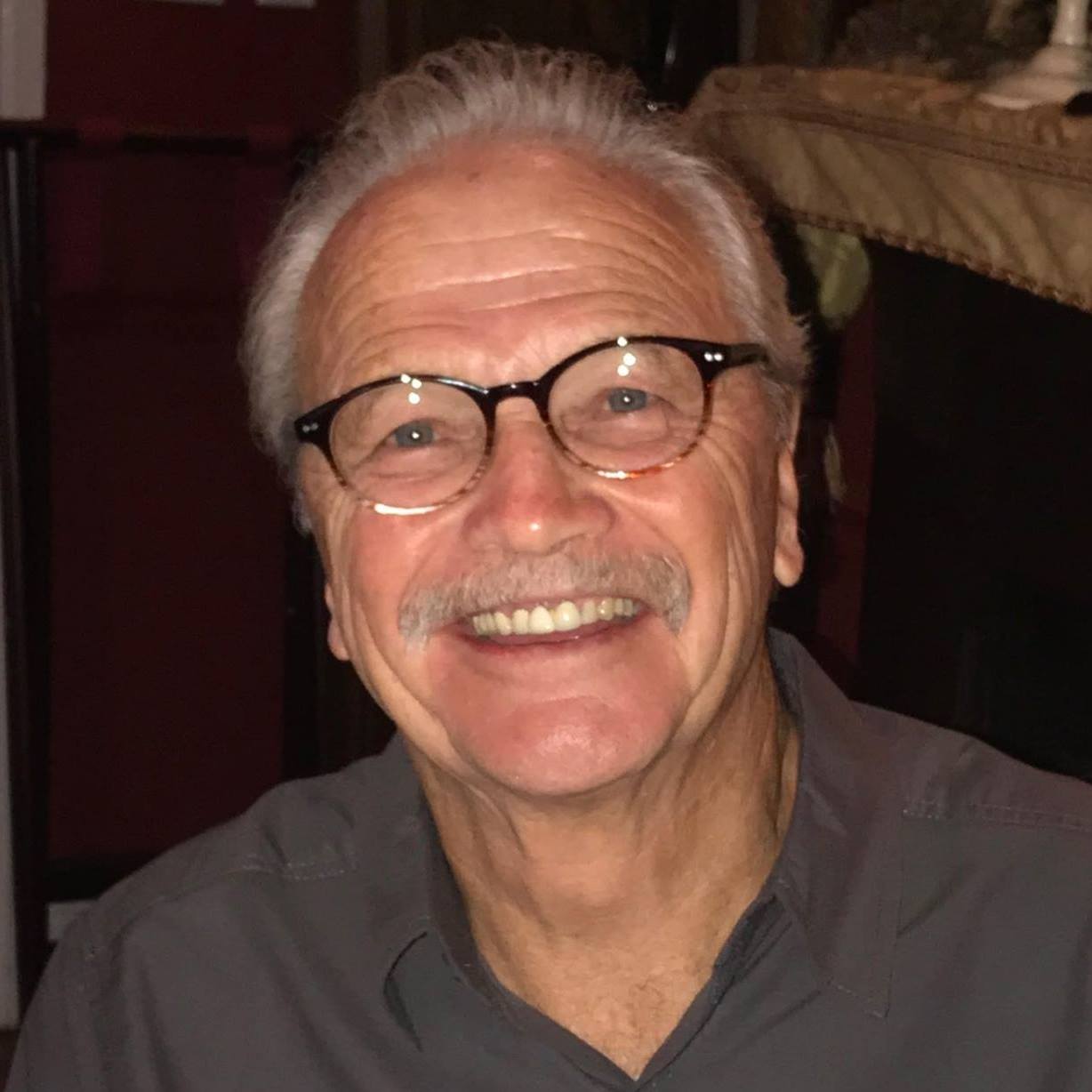
Donnie Bell

The Scripture Fulfilled

John 19:28
Donnie Bell July, 13 2025 Video & Audio
0 Comments
Grace Conference NJ 2025

In the sermon titled "The Scripture Fulfilled," Don Bell explores the profound significance of Jesus' cry "I thirst" as recorded in John 19:28. The central theological theme pertains to the fulfillment of Scripture through Jesus' suffering and crucifixion, demonstrating His dual nature as fully God and fully man. Bell delineates three distinct groups present at the crucifixion: the mocking Jews, the indifferent Roman soldiers, and the faithful few, highlighting their differing responses to Christ's suffering. He anchors his argument in Scriptures such as Psalm 69:21 and Hebrews 2:16, emphasizing that Jesus' cry was both an expression of human need and a pivotal moment in the divine plan of redemption, whereby every prophecy concerning Him was fulfilled through His death. The sermon underscores the practical significance of recognizing Christ's suffering as the completion of God's salvific work, offering hope and assurance to believers regarding their redemption.

Key Quotes

“He is God and man in one undivided person. He is forever God. And now when he entered into glory, he'll be forever man.”

“Jesus knowing that all things were now accomplished… saith, I thirst.”

“It is finished, taleo… It's made an end of. It's finished. It’s paid. It’s accomplished.”

“He willed himself to die. He said, it's time for me to go, it's finished.”

What does the Bible say about Jesus fulfilling scriptures?

The Bible indicates that Jesus' actions were to fulfill the scriptures, demonstrated by His proclamation 'I thirst' to complete the prophecy.

In John 19:28, it is stated that Jesus, knowing that all things were now accomplished, declared 'I thirst.' This declaration was significant as it was aimed at fulfilling the scriptures, showcasing the humanity of Christ while also affirming His divine mission. Throughout His life and death, Jesus adhered to the prophecies outlined in the Old Testament, emphasizing His obedience to God's word and the necessity of fulfilling every detail for our salvation. As He hung on the cross, each utterance was imbued with purpose, demonstrating that even in His suffering, He remained committed to God's plan.

John 19:28, Psalm 69:21

How do we know Jesus’ nature as both God and man?

The Bible affirms that Jesus is fully God and fully man, a unique union evident in His earthly experiences, such as thirst.

In the sermon, it is emphasized that Jesus was not a divine man or a human God, but rather the God-man, perfectly united in one person. The scriptures, such as Hebrews 2:16, highlight that Jesus was made like His brethren in all things, sharing in human experiences. This reality of His dual nature is crucial for our understanding of redemption, as He had to be fully human to represent humanity and fully divine to secure our salvation. His cry of 'I thirst' exemplifies this truth, showcasing profound humility and the genuine human experience of need, while also signaling His role as the eternal Son of God.

Hebrews 2:16, John 19:28

Why is the cry 'It is finished' significant for Christians?

'It is finished' signifies the completion of Christ's redemptive work, assuring believers that salvation is fully accomplished.

'It is finished' is a powerful proclamation made by Jesus at the moment of His death, indicating that all the requirements for redemption have been met. This phrase encapsulates the entirety of Christ's mission on earth, confirming that sin's debt has been paid in full (John 19:30). For Christians, this declaration reassures us that our salvation is secured by Christ’s sacrifice and that nothing else is required from us to achieve reconciliation with God. It emphasizes the fullness and finality of Christ's atonement, offering believers peace and assurance in their faith.

John 19:30, Luke 18:31

What does Jesus' conversation with His mother and John signify?

Jesus' words to His mother and John signify the establishment of new familial relationships among believers.

In John 19:26-27, Jesus addresses His mother and the disciple whom He loved, redefining their relationship in light of His impending death. This exchange signifies the creation of a spiritual family, highlighting the importance of community among believers. By entrusting John with the care of His mother, Jesus emphasizes the continuity of care and love within the body of Christ. This moment underscores that through faith in Christ, we are brought into a new familial bond, reminding us of our interconnectedness as part of God’s family.

John 19:26-27

Sermon Transcript

Auto-generated transcript • May contain errors

100%
Turn with me to John chapter
19. John chapter 19. I love you, preacher. Known him for a long, long, long,
long time. You've got a good one. You've
got a very, very good one. Faithful. Faithful. And thank
you for the accommodations. Accommodations have been wonderful,
the food's been wonderful, and the fellowship has sure enough
been sweet, very, very sweet. My subject this morning is the
scriptures fulfilled. Let me start reading at verse
23 down to verse 30. Then the soldiers, when they
had crucified Jesus, took his garments and made four parts
to every soldier a part, and also his coat. Now the coat was
without seam, woven from the top throughout. They said, therefore,
among themselves, let us not rend it, but cast lots for it,
whose it shall be. that the scripture might be fulfilled,
which saith, they parted my raven among them, and for my vesture
they did cast lots. These things, therefore, the
soldiers did. Now there stood by the cross
of Jesus his mother and his mother's sister, Mary the wife of Cleophas,
and Mary Magdalene. And when Jesus, therefore, saw
his mother and the disciples standing by, whom he loved, he
saith unto his mother, woman, behold thy son. Then he saith
to his disciples, behold thy mother. And from that hour, that
disciple took her unto his own home. And after this, this is
gonna be my text, after this, Jesus knowing that all things
were now accomplished, that the scripture might be fulfilled,
saith, I thirst. Now there was said a vessel full
of vinegar, and they filled a sponge with vinegar and put it on hyssop
and put it to his mouth. When Jesus therefore had received
the vinegar, he said, it is finished, and he bowed his head and gave
up the ghost. Gave up the ghost. Now, what
I read to you this morning, here at the cross, there's three
groups of people at the cross of our Lord Jesus Christ. There's
the Jews who delivered Him. They hated Him. They despised
Him. They rejected Him. And He was
their own Messiah. He came unto His own and His
own received Him not. And they were there. You know,
they were there to mock Him, and they were there to enjoy
seeing our Lord suffer. They enjoyed seeing Christ suffer.
They delighted in seeing Him suffer. And the second group
was there were Roman soldiers. These were hardened men. They
had many times been in a situation like this, crucifying people.
They were hardened soldiers. They were there because that
day that was what they was called to do. This was their duty that
day to go to the cross and crucify all the people that were to be
crucified that day. And this day, they crucified
Christ. And they cared so little about
him, did not have any idea who he was. So what they did was
they said, well, let's take his clothes. Let's take his clothes. We'll get something out of this.
We'll get his clothes. We'll get his sandals. And they
get his girdle. We'll get his belt. And then
he had this beautiful robe. that was woven from top to bottom. And they said, let's don't tear
that apart. Let's don't split that. Let's gamble for it. And
they gambled for that garment at the foot of the cross. And
they were there out of duty, hard men, hard men. And then
there was five other people at the cross, five other people
at the cross. These are people who knew and
loved the Lord Jesus Christ, and they weren't at a distance
like the rest of them were. Look what it said in verse 25.
Now they're stood by the cross. Jesus, his mother, his mother's
sister, Mary, the wife of Cleophas, Mary Magdalene, and John, that
disciple whom Jesus loved. and one man. And they stood by
the cross of our Lord Jesus Christ. Now I know most people picture
the Lord Jesus hanging this way. I believe that he was actually
on a tree this way. This is the way he was. That's
what I believe personally. Nailed hands and foot on a pole. And as he hung there, he wasn't
very far off the ground. They didn't have him very far
off the ground. And our Lord Jesus was so close and they were
so close to him that they stood by that cross. His mother stood
by the cross. They saw the Lord Jesus. They
was in touch, able to reach and touch him if they wanted to.
And his mother was there. His mother's sister was there,
his aunt. Mary Magdalene. Oh, how Mary Magdalene loved
our master. And oh my, there was Mary the
wife of Cleophas and then that disciple whom Jesus loved. Four
women and one man. And they were, they stood by
the cross. They were stood by the cross.
They were saints that loved the Lord Jesus Christ and were loved
by the Lord Jesus Christ. And our Lord held a conversation
with these people as they stood there. He looked over at his
mother, looked at his mama, and he said, Mother, behold your
son. He is talking about John, that
disciple whom you love. This is gonna be your son from
now on. I'm not your son. I was born of a woman, made of
the seed of woman, but he said, listen, you've got a son here
now. You behold your son. And then
he said, son, talking to John, behold your mother. You two right
now, from now on, you're gonna have a relationship that only
I could cause to happen. Mama, mother, that's gonna be
your son. And John took her that day and
took her home and took care of our Lord's mother till the day
she died. Oh my. Oh, I tell you what. And they said, you know, when
our Lord Jesus, when his mother saw this scene, the scripture
says that it prophesied of her that her own soul would be pierced
through. And then look what it says here
in verse 28. After this, after he talked to
his mother, after he talked to John, after he talked to those
people, he had a conversation with them and him on the cross. had a conversation with his mother
and John while he was on that cross. He looked at him, I believe
he looked right at him. And then he says, and after this,
Jesus, knowing that all things were now accomplished, that the
scripture might be fulfilled, saith, I thirst. Then all things, and that's what
I'm talking about, the scriptures fulfilled, that all things are
now accomplished, accomplished. Nothing else left to do. And
he saith, I thirst. That's his fifth utterance from
the cross. What is this? The one who measures
the waters in the hollow of his hand measures all the waters
of the earth in the hollow of his hand, the creator of heaven
and earth, the Lord of glory, saying, I thirst in need of a
drink. He that's the water of life in
need of a drink? Saying, I thirst? How could this
possibly be? Oh, the beloved of the Father
crying, I thirst. I thirst. He counts the nations
as a drop in the bucket. He named the stars and puts them
all in the heavens and calls them all by name. And he said,
behold, I thirst. This shows his humanity. Oh,
listen, what a man this man was. This shows his humanity. He wasn't
a divine man. He wasn't a God humanized. He was God and man in one undivided
person. He is forever God. And now when
he entered into glory, he'll be forever man. Oh, he's a God-man. He's not
man-deified, he's not God-humanized. He is God and man in one blessed
person. And he was made like unto his
brethren. Look in Hebrews 2.16 with me.
Keep John now. Look in Hebrews 2.16. Eric mentioned this yesterday,
that he's not ashamed to call us brethren. Not ashamed to call
us brethren. Look what it says here in Hebrews
2.16. Oh, he was made like unto his
brother, partaker of flesh and blood. But he said here, wherefore
in all things it behooved him, it was necessary to be made like
unto his brethren. that he might be a merciful and
faithful high priest and high priest in things pertaining to
God. But he was made like unto us.
And you know the scriptures tells us that he was made in the likeness
of sinful flesh. He was a sinful flesh. When men
saw him, they did not, people say, I wanna see Jesus, I'd like
to see Jesus in me. They didn't see Jesus in Jesus. They didn't see Christ in Christ.
And I know there ain't nobody ever seen Christ in me. The only
people that ever even know that I was a believer is other believers.
The world don't know I'm a believer. They don't care that I'm a believer.
They don't care that I'm a preacher. And that's the way these people
were. But Christ was made like unto his brethren, partaking
of flesh and blood. Our Lord Jesus Christ and his
humanity. Let me say some things about
him. In Luke 2, it talked about he grew in wisdom and stature. How does a man, the God-man,
grow in wisdom and stature? And it talked about being wearied
in his body. He traveled to the woman at the
well, and when he got there, being wearied in his body, he
sat down. He sat down, being wearied in
his body. And one day it said he was a
hungered. He was a hungered. It was a fig
tree, didn't have no fruit on it. He cursed it. And it tells
us twice that he wept. He wept at Lazarus too. Why did
he weep at Lazarus too? He said, I got to bring this
man back. I got to bring this man back.
And then he's gotta go through this thing called death again.
And that's why our Lord wept. I gotta bring this man, he gonna
come back here, and people are gonna talk about it, and he that
was dead's gonna become alive and walk out of the tomb. But
he said, he's gotta go through this again. He's gotta go through
this again. And then it talks about our Lord
marveled. What would our Lord Jesus Christ,
what would he ever marvel at? Two things. He marveled, first
of all, at unbelief. The second thing he marveled
at was faith. He marveled that they would believe. He marveled that people wouldn't
believe. He marveled. And you know, we
talked about him wept. He stood and cried over Jerusalem. Oh, can you imagine tears? Tears
coming down our Lord's holy face. Tears coming out of his eyes.
rolling down his cheek and dripping off his chin. Weeping over Jerusalem. And say,
Jerusalem, Jerusalem, how oft would I have gathered you? But
you just wouldn't do it. You just wouldn't. And then not
only did he marvel and he weep, but oh, he prayed. Our Lord,
he'd look up to heaven. He's the only one that could
look up to heaven and actually see in it. He lifted up his eyes
to heaven and said, Father! He stood at Lazarus' tomb and
he said, Father, I know you always hear me. Our Lord prayed. He knew what it was to pray.
And then he rejoiced. You know how he rejoiced over? Not that the devils were subject
unto him, but rejoiced that of heaven and the things of heaven.
And then he groaned. Oh, our Lord. How many times
to say he groaned in spirit. Groaned in spirit. And here he
says he thirsted. He thirsted. Now God does not
thirst. God does not thirst. We never
read of an angel thirsting. Never read of an angel thirsting.
And let me show you something in Revelation. Keep John 18 now. Chapter seven, look in Revelation
chapter seven. And you know, we get to glory,
we're not gonna thirst. We're not gonna thirst. Look
what it says in verse 16. They shall hunger no more, neither
thirst any more. Neither shall the sun light on
them. We'll never be in a hot day again
like they have around you. Never the sun beat on them again,
or any heat. Oh, this is what's so wonderful.
For the lamb which is in the midst of the throne, he gonna
feed them, he gonna lead them, and listen to this, under living
fountains of water, and God shall wipe away all the tears from
their eyes. Oh my. We're not gonna thirst
in glory, but here our Lord is in the depths of his humiliation,
his humiliation. And I want you to look at, you
know, I like you to look at verses with me so that you can see that
I'm, you know, that we're dealing with the Bible, God's word. Look
in Psalm 32, look in Psalm 32. This is talking about what happened
to our master. All these things are in the scriptures,
you know, Psalm 32, look in verse four.
Oh, this is our Lord in the depths of his humiliation when he cried,
I thirst. He said here in Psalm 32, four,
for day and night, thy hand was heavy upon me. My moisture is
turned into the drought of summer. Oh my, my moisture's drowned
into the depth Summer, just drought, drought, drought. And this cry,
this cry came after three hours of darkness, three hours of darkness. And what happened in that three
hours of darkness? I have my opinion, and I won't
stop preaching to tell you what I think, because whenever I think
something or have a feeling about something or think something
I believe, Other than if I can't prove it, I'll just say, well,
I'll stop preaching and tell you what I think. But I'm not gonna
stop preaching and tell you what I think. But I will tell you
what I think. I believe in that three hours
of darkness on the cross. God and his father done a business
between the two of them that we weren't able to see. I believe, this is what I believe
personally, and it may not be so, but the scripture says that
he entered once into the holy place and put his blood on God's altar
in the heavens, and there he obtained eternal redemption.
And I believe as our great high priest that he, while he is on
that darkness, that our Lord put his blood on that altar in
heaven, and it's freshly slain every single day. It's like a
freshly slain. And then our Lord came back,
and that's why the darkness went away. The darkness went away,
and I tell you, God was satisfied with what he did, and our Lord
cried, it is finished. He had endured the fierceness
of the wrath of God, passed upon his soul and his body. But when
our Lord is crying here for the relief of his sufferings, he
cries out, he cries out, I thirst. But was not this the one who
was the rock in the wilderness that was smitten, that rock that
followed them through the wilderness? And God smoked that rock, and
that rock was Christ, and out of that rock came water? And
it followed him for 40 years in the wilderness? Is this not
the one who turned water into wine? He could have easily met
his own needs, but why didn't he? Because in the volume of the
book it is written of me. It was written that he should
thirst. Psalm 69, 69 says, oh, you'll
have to look at it, but it's 69 verse 21. He said, I thirst,
I thirst, I thirst. You know, and this is because
it's written of him. In death as in his life, the
holy word of God was his authority. He lives by this very word. He
told him, he said, in the law and in the Moses and in the prophets,
it's written of me. And in death as in his life,
the holy word of God was his authority. The scriptures to
him was the word of the living God. And here he makes known
his need, not that he should be relieved, but that the scriptures
might be fulfilled. that the scriptures might be
fulfilled. And look what it says there in
our text in John 19.28. Jesus knowing, knowing, and this ought to be capitalized.
You know, I wish it was capitalized in the Bible because it's capitalized
in my notes. Jesus knowing that all things
were now accomplished. He had hung on that cross for
six hours. had passed through sufferings
that you and I cannot possibly conceive of. Yet, he's as clear
in his mind, his memory is perfect, he knows every prophecy concerning
himself, and he's completely possessed in himself, and he,
in one moment, viewed all the prophecies concerning himself
and knowing that all things were now accomplished, saith, I thirst. I thirst. He thirsted on that
cross, bless his holy, holy name, that we could have the water
of life. And all what was given him to
drink. Look what it says now in verse
29. when he said, I thirst, when he said, I thirst. Now, there
was a vessel full of vinegar. They took a sponge, dipped it
in that vinegar, put it over hyssop. Hyssop's what they used
to put the blood over the doors in the Passover. and they put
it up on hyssop, and they put it up to our Lord Jesus Christ's
mouth. Put it up there. Now let me show
you something. They gave him vinegar to drink.
I'm gonna show you two things, if I can. Look in Matthew 27,
34. I hope I'm not taking too long. Matthew 27, 34, look what
it says about what they said about our Savior. They gave him vinegar to drink,
mingled with gall, and when he had tasted thereof, he would
not drink. Now, go to Psalm 69. Go to Psalm
69. Look down at verse 21. Reproach hath broken my heart.
I am full of heaviness. I looked for someone to take
pity, but there was none, and for comforters I found none.
They gave me also gall for my meat, and in my thirst They gave
me vinegar to drink. He wouldn't take the gall. Gall
was used to deaden pain. That's why they gave it to him.
It helps to deaden pain. Christ wouldn't take that. But
when they just gave him vinegar, what did it say? He received
the vinegar. He received it. And all here
he accepted to fulfill the scriptures. That's all was done, to fulfill
the scriptures. And look what it said in verse
30. And when Jesus therefore had
received the vinegar, he said unto them, it is finished. He bowed his head and gave up
the ghost. This is the briefest cry of our
saviors on the cross. When he received that vinegar,
He said, it's finished. All things are now accomplished.
He said, it's done. It's done. Everything's been
accomplished. It's finished. That's the briefest cry of our
Lord Jesus Christ from the cross. But yet, it's the fullest cry
our Savior gave from the cross. When he said, all things were
now accomplished, and he said, it's finished. All things which
had been done the law required It's finished, accomplished. All things which were established,
which prophecy predicted concerning our Savior, it's accomplished,
finished. All things concerning all the
types are finished, accomplished. All things which the Father gave
Him to do, He accomplished. All things that was performed
and needed for our redemption, Nothing's left wanting, nothing's
not needed. Everything's been done. Sins
wages has been paid. What did it take to pay sins
wages? Death. What did it take? To death. Death. And I'll tell you that word,
it is finished. I learned, you know, I don't know many Greek
words. I hardly know it. I know alpha is an A in the Greek
alphabet. Omega, I think, is Z. I don't
know. But here it says it is finished.
It's taleo. Taleo, it is finished. And different
uses of the same word. And oh, this is the fullest cry
from the cross there was. It is finished, taleo, a different
uses of the same word and we'll see the fullness and the finality
of our Lord's work. Our Lord said when he made an
end, made an end talking to his disciples. He told Simon Peter, he said,
do we pay debts, do we pay our tribute, do we pay our taxes?
He said, go, cast him into the sea and he'd catch a fish. He
said, there's a penny in there, go pay your taxes. Pay, that's
what it means. Talao is finished, pay. And all
things performed, it says performed. Jesus performed. And Luke 18,
31, it talks about accomplished. Put all these together. And this
is what our Lord meant when he's crying from the cross, it is
finished. It's made an end of. It's finished. He cried, it's performed. It's paid. It's accomplished. What's made an end of? Sin. put away by the sacrifice of
himself. What was paid the price of our
redemption? What was performed? The utmost
requirements of God's law. What is accomplished? The work
which the Father gave him to do. It's done. It's done. And what is finished? Salvation. All of it. It's complete, full, finished. The tomb has been made. God saw
the travail of his soul and was satisfied. And I saw the travail of his
soul and I heard him cry, it is finished. And I'm satisfied
with what he did. I'm not looking for nothing else.
I'm not looking for nothing else. Oh, to him. Oh, God said you'll
be justified from all things by him. And look what he said
again in our text here. In John 8 30. When Jesus therefore had received
the vinegar, he said it's finished. Everything's made an end of.
Everything is paid. Everything's been purport. Everything's
been accomplished. And look what it says here, he
bowed his head. Now he would've been, just a
moment ago, he had been talking to his mother. Talking to her. So in just a matter of moments,
in a matter of moments, when they tasted that vinegar and
he said it's finished, then he deliberately bowed his head. Deliberately done that. And it
says he gave. gave up the ghost. You know what that tells us?
That our Lord Jesus Christ, they didn't take his life from him.
He said, I've got the power to lay down my life. And I've got
the power to take it up again. This commandment have I received
of my Father. You know when our Lord died? He willed himself to die. He said, it's time for me to
go, it's finished. He bowed his head and said, it's
time to go. And he left this world at his
own time, by his own power, by his own will. He was God manifesting
the flesh. And bless his holy name. I'm glad he didn't stay dead.
I'm glad he didn't stay dead. He went out there to look for
him early on a Sunday morning, first day of the week, and found
out he wasn't there. And he loved his people so much.
After Peter denied him three times, after Peter denied him,
he told Mary was there. Mary Magdalene, he said, go and
tell my disciples and Peter. I'll beat him over yonder in
Galilee. Oh, how he loves his people.
It's done. It's finished. Oh, what a savior we have. What
a redeemer we have. Take sinners, oh Lord, to take
sinners and save them. Save them in spite
of their selves and save them all day, every day of their lives. Thank you. Thank you for your
kindness. Thank you for your generosity.
Thank you for your attention. And thank you for having me come
up. I appreciate it very much.
Donnie Bell
About Donnie Bell
Donnie Bell is the current pastor of Lantana Grace Church in Crossville, TN.

Comments

0 / 2000 characters
Comments are moderated before appearing.

Be the first to comment!

Joshua

Joshua

Shall we play a game? Ask me about articles, sermons, or theology from our library. I can also help you navigate the site.