Bootstrap
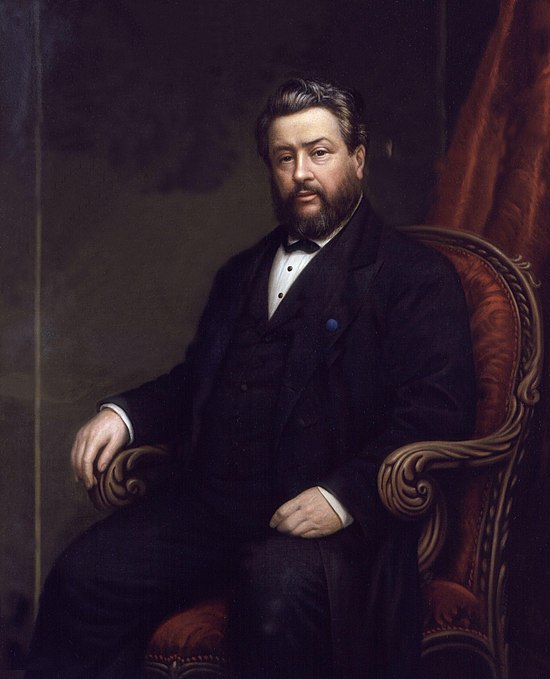
Charles Spurgeon

Spurgeon's Morning and Evening - Dec 31 AM

John 7:37
Charles Spurgeon December, 31 1999 Audio
0 Comments
Click here to view TODAY'S TEXT:
http://www.spurgeon.org/morn_eve/this_morning.c...

C. H. Spurgeon's sermon on John 7:37 emphasizes the theme of Christ as the source of spiritual refreshment and satisfaction for the soul's deepest longings. He articulates key points regarding the patience and long-suffering of Jesus, who earnestly invites sinners to come and drink from Him. Spurgeon highlights that the sufficiency of Christ's provision is designed to quench all forms of thirst—spiritual, emotional, and mental—demonstrating the thoroughness of the Gospel's impact. The invitation is made universally clear, framing salvation as accessible to all who acknowledge their thirst, regardless of their past or present character. The profound significance of this message lies in its reflection of Reformed doctrines of grace, emphasizing that it is not one's merit but Christ's sufficiency that warrants the invitation to believe.

Key Quotes

“Patience had a perfect work in the Lord Jesus. And until the last day of the feast, he pleaded with the Jews.”

“No other distinction is made but that of thirst, whether it be the thirst of avarice, ambition, pleasure, knowledge, or rest.”

“The bleeding, dying, rising Savior is the only star of hope to a sinner.”

“Drinking represents a reception for which no fitness is required.”

What does the Bible say about Jesus inviting the thirsty?

The Bible invites all who thirst to come to Jesus for spiritual satisfaction, as seen in John 7:37.

In John 7:37, Jesus invites those who are spiritually thirsty to come to Him and drink, demonstrating His role as the source of true satisfaction for the soul. This invitation showcases the deep love and compassion of Christ, who continues to reach out to sinners despite their rebellion and resistance. The phrase 'let him come unto me and drink' encapsulates the grace offered through Jesus, as He provides everything needed for the believer's spiritual thirst. His long-suffering and patience reflect His earnest desire for reconciliation with humanity, urging us to respond to His heartbreaking plea.

John 7:37

How do we know Jesus is compassionate towards sinners?

Jesus' compassionate invitation in John 7:37 demonstrates His love for sinners, regardless of their sinfulness.

The compassion of Jesus is profoundly illustrated in His invitation to those who thirst. In John 7:37, He extends a special call to the needy, assuring them that all can find nourishment in Him. His cry is not only a passionate appeal but also reveals His willingness to bear with humanity's failures and resistances. The tender tone in which He calls shows His deep love and longing for reconciliation, suggesting that even the most sinful can come to Him without hesitation. Jesus exemplifies a perfect balance of justice and mercy, as He offers hope and redemption to all who are willing to approach Him.

John 7:37

Why is coming to Jesus important for Christians?

Coming to Jesus is vital for Christians, as He offers spiritual fulfillment and peace for the weary soul.

Christian faith centers on the necessity of coming to Jesus as the source of life and peace. His invitation in John 7:37 to 'come unto me and drink' signifies that believers must seek Him for true satisfaction. Through Him, not only is atonement for sin found, but also the nourishment of the soul that brings both understanding and affection. This relationship with Christ is crucial because it is in Him that we find the strength to endure life’s challenges. As Christians, responding to His call enables us to experience the fullness of joy and peace that He promises, making our faith personal and transformative.

John 7:37

Sermon Transcript

Auto-generated transcript • May contain errors

100%
In the last day, that great day of the feast, Jesus stood and cried saying, if any man thirst, let him come unto me and drink. John chapter seven, verse 37.

Patience had a perfect work in the Lord Jesus. And until the last day of the feast, he pleaded with the Jews. Even as on this last day of the year, he pleads with us and waits to be gracious to us. Admirable, indeed, is the long-suffering of the Saviour in bearing with some of us year after year, notwithstanding our provocations, rebellions and resistance of His Holy Spirit. Wonder of wonders that we're still in the land of mercy.

Pity expressed herself most plainly, for Jesus cried, which implies not only the loudness of his voice, but the tenderness of his tones. He entreats us to be reconciled. We pray you, says the apostle, as though God did beseech you by us. What earnest, pathetic terms are these? How deep must be the love which makes the Lord weep over sinners and, like a mother, woo his children to his bosom. Surely, at the call of such a cry, our willing hearts will come.

Provision is made most plenteously. All is provided that man can need to quench his soul's thirst. To his conscience, the atonement brings peace. To his understanding, the gospel brings the richest instruction. To his heart, the person of Jesus is the noblest object of affection. To the whole man, the truth as it is in Jesus supplies the purest nutriment. Thirst is terrible, but Jesus can remove it. Though the soul were utterly famished, Jesus could restore it.

Proclamation is made most freely that every thirsty one is welcomed. No other distinction is made but that of thirst, whether it be the thirst of avarice, ambition, pleasure, knowledge, or rest. He who suffers from it is invited. The thirst may be bad in itself, and be no sign of grace, but rather a mark of inordinate sin, longing to be gratified with deeper draughts of lust. But it is not the goodness in the creature which brings him the invitation, The Lord Jesus sends it freely and without respect of persons.

Personality is declared most fully. The sinner must come to Jesus not to works, ordinances or doctrines but to a personal redeemer who his own self bear our sins in his own body on the tree. The bleeding, dying, rising Savior is the only star of hope to a sinner. Oh, for grace to come now and drink ere the sun sets upon the year's last day.

No waiting or preparation is so much as hinted at. Drinking represents a reception for which no fitness is required. A fool, a thief, a harlot can drink. And so, sinfulness of character is no bar to the invitation to believe in Jesus. We want no golden cup, no bejeweled chalice in which to convey the water to the thirsty. The mouth of poverty is welcome to stoop down and quaff the flowing flood. Blistered, leprous, filthy lips may touch the stream of divine love. They cannot pollute it, but shall themselves be purified.

Jesus is the fount of hope. Dear reader, hear the dear Redeemer's loving voice as he cries to each of us. If any man thirst, let him come unto me and drink.
Charles Spurgeon
About Charles Spurgeon
Charles Haddon Spurgeon (19 June 1834 — 31 January 1892) was an English Particular Baptist preacher. His nickname is the "Prince of Preachers."
Broadcaster:

Comments

0 / 2000 characters
Comments are moderated before appearing.

Be the first to comment!

Joshua

Joshua

Shall we play a game? Ask me about articles, sermons, or theology from our library. I can also help you navigate the site.

0:00 0:00