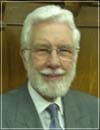
The sermon titled "Him that cometh to me I will in no wise cast out," preached by Stephen Hyde, centers on the doctrine of Divine Election and the certainty of salvation for those who come to Christ. Hyde emphasizes that all whom the Father gives to the Son will inevitably come to Him, as supported by John 6:37, which assures believers of God's unwavering acceptance. He elaborates on the nature of God's grace, illustrating that the Holy Spirit's work in the hearts of believers creates a true consciousness of sin and the resulting need to seek forgiveness. The sermon underscores the profound promise that no one who approaches Christ in faith will be rejected, reflecting the Reformed doctrines of irresistible grace and the perseverance of the saints, ultimately advocating that a believer’s genuine desire to come to Christ is evidence of God's electing love. The theological significance lies in the assurance provided to believers that their salvation is rooted in God's sovereign plan, reinforcing the importance of faith as the means by which one comes to Christ.
Key Quotes
“All that the Father giveth me shall come to me, and him that cometh to me I will in no wise cast out.”
“He came to seek and to save that which was lost.”
“God is faithful. Oh my friends, isn’t that wonderful? You and I are so often unfaithful. God is faithful.”
“It's a very blessed experience to know that God has loved us with an everlasting love.”
The Bible teaches that all who come to Jesus will not be cast out, emphasizing God's invitation to all burdens and weary souls.
In John 6:37, Jesus declares, 'All that the Father giveth me shall come to me; and him that cometh to me I will in no wise cast out.' This profound statement reflects God's sovereign grace and the assurance that every person chosen by the Father will respond to the call of Christ. The context of this verse illustrates the loving invitation from God to all who feel the burden of their sin, encouraging them to seek refuge in Christ, the only one who can provide true rest for their souls.
Additionally, Matthew 11:28 echoes this invitation, as Jesus says, 'Come unto me, all ye that labour and are heavy laden, and I will give you rest.' This signifies that the act of coming to Jesus is not merely about physical proximity but involves a heartfelt recognition of one's sinfulness and need for redemption. The assurance is clear: regardless of one's past, those who approach Him sincerely and in faith will find acceptance and forgiveness.
We know we are chosen by God through the work of the Holy Spirit, drawing us to Christ and instilling a desire for faith and repentance.
The assurance of being chosen by God is rooted in the belief that before the foundation of the world, God selected a people for Himself (Ephesians 1:4-5). This choosing is vital within the context of sovereign grace theology, which emphasizes that salvation is not based on any human merit but solely on God's divine will. When the Holy Spirit works in an individual's heart, creating a longing to repent and believe in Christ, it serves as evidence of God's electing love. This internal transformation leads to a sincere desire to seek God, pray for mercy, and ultimately come to Christ, reaffirming the promise that those who come to Him will not be cast out.
Moreover, the experience of recognizing one’s sinfulness and seeking God’s grace, as emphasized in Romans 8:28-30, supports this understanding. The believer's journey of faith is a testament to God's initiative and faithfulness, assuring them of their chosen status in Christ.
Believing in the doctrine of election is essential as it highlights God’s sovereignty in salvation and assures believers of His unconditional grace.
The doctrine of election is pivotal in Reformed theology, reflecting God's sovereign choice in the salvation of sinners. It underscores the truth that God, in His infinite wisdom and mercy, has predestined certain individuals for salvation (Ephesians 1:4-5). This belief is crucial for Christians as it reveals that salvation is not a product of human effort or decision-making but a gracious act of God alone. It assures believers that their acceptance is not reliant on their own righteousness, which is often flawed, but on Christ's sufficiency and finished work.
Furthermore, understanding election fosters a sense of humility and gratitude among believers. Acknowledging that we are recipients of God's unmerited favor leads to deeper worship and a heartfelt response of service and obedience to God. It also provides immense comfort, knowing that those who have been called will endure in faith and ultimately be brought to glory (Romans 8:30). This doctrine, therefore, solidifies the believer's hope and reliance on God's promises, emphasizing His faithful character in all matters of salvation.
Comments
Your comment has been submitted and is awaiting moderation. Once approved, it will appear on this page.
Be the first to comment!
