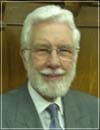
The sermon titled "Son of man, can these bones live?" by Stephen Hyde primarily addresses the doctrine of spiritual resurrection and regeneration as illustrated in Ezekiel 37:3. Hyde argues that the vision of the dry bones speaks to the spiritual condition of humanity, represented by the lifeless bones, symbolizing those who lack spiritual life. He emphasizes the power of God to bring life to the spiritually dead through His Word, contrasting man's inability to revive himself with God's sovereign grace to regenerate the soul. Scripture references such as John 5:21, where Jesus states He has the authority to make alive, support Hyde's assertion that true spiritual life comes from God alone. The significance of this teaching lies in its assurance that even when individuals feel spiritually lifeless, they can seek God and His Word, which offers hope and the promise of new life through faith in Christ.
“Every person really born into this world are dry bones... spiritually using the analogy here they're dry bones and what is that? there's no evidence of spiritual life.”
“What a blessing it is to know that we have a God who is able and who is willing to give spiritual life.”
“The true believer is very happy for that to be the right way. Not to receive glory ourselves.”
“Search the Scriptures, for in them ye think ye have eternal life, and they are they which testify of me.”
The Bible teaches that spiritual life comes from God alone, as demonstrated in Ezekiel's vision of dry bones coming to life through God's word.
Ezekiel 37:3, John 5:21
We have eternal life by believing in Jesus Christ, who gives the promise of life through faith as outlined in the Scriptures.
John 3:16, John 5:39
Faith is vital for Christians as it is the means through which we receive salvation and experience God’s transforming grace.
Ephesians 2:8-9, Romans 10:17
Auto-generated transcript • May contain errors

Comments
Your comment has been submitted and is awaiting moderation. Once approved, it will appear on this page.
Be the first to comment!