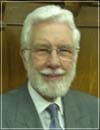
In Stephen Hyde's sermon "Paul at Mars Hill," the primary theological focus is on the declaration of God's truth in a world steeped in idolatry. Hyde emphasizes the urgency of the Gospel message as exemplified by the Apostle Paul's encounters with the Athenians, who worshipped an "unknown God." Scripture references, particularly Acts 17:16 and verses 22-23, highlight Paul's passionate response to the spiritual blindness of the people around him. Hyde argues that like Paul, Christians today must confront idolatry and proclaim Christ, highlighting the Reformed emphasis on the absolute sovereignty of God in salvation and the urgent need for repentance. The practical significance of this sermon is a call to believers to actively share the Gospel, trusting that God is at work in the hearts of individuals during their efforts to spread His name.
Key Quotes
“He preached the gospel. He preached Christ. He was faithful in his declaration.”
“What a blessing, therefore, if we recognize the need of our salvation. That's why the apostle preached urgently to the Athenians every day.”
“If we think of it, there’s only one true Gospel. There’s only one true savior and everyone has that great need of being under the power of the blessed savior.”
“The times of this ignorance God winked at, but now commandeth all men everywhere to repent.”
The Bible warns against idolatry, emphasizing that true worship is directed to the one true God rather than man-made objects.
Idolatry is condemned throughout Scripture, as it signifies a turning away from the true God to worship created things. In Acts 17:16, Paul’s spirit was stirred as he observed the whole city of Athens given to idolatry. This incident serves as a reminder that our worship should focus solely on the Creator, not on idols fashioned by human hands. The Apostle Paul confronts the Athenians about their ignorance in worshipping an unknown God, providing the clear truth of Christ as the only worthy object of worship. Today, idolatry manifests in various forms, and it is crucial for believers to recognize and reject any substitutes for God in their lives.
Acts 17:16, Acts 17:22-23
The truth of the Gospel is confirmed through the consistent proclamation of Christ’s resurrection and the transformative power of God in believers' lives.
We know the Gospel is true based on the historical evidence of Jesus' resurrection, as well as the profound change it brings in the lives of those who believe. In Acts 17, the Apostle Paul boldly preached Christ and the reality of His resurrection, urging people to repent and believe the good news. He emphasizes that God commands all people everywhere to repent, revealing His power and purpose. Moreover, the impact of the Gospel in transforming lives provides a contemporary testimony to its truth. The work of the Holy Spirit in the hearts of believers, producing faith, repentance, and a desire for holiness, serves as an internal assurance of the truthfulness of the Gospel.
Acts 17:22-23, Romans 1:16, 1 Corinthians 15:3-4
Seeking the Lord is essential for Christians as it leads to spiritual growth and deeper communion with God.
Seeking the Lord is of utmost importance for Christians as it cultivates a personal relationship with the Almighty. In Acts 17:27, Paul calls the Athenians to seek God, expressing the hope that they might find Him, which signifies the innate human longing for the divine. This act of seeking involves more than casual inquiry; it requires a heart disposition aimed at knowing God intimately. As believers actively pursue God through prayer and the study of Scripture, they experience growth in faith, understanding of His ways, and transformation into His likeness. Moreover, knowing that God is not far from us incites Christians to turn towards Him with their needs and wrestle with their doubts, ultimately finding grace and mercy in their pursuit of holiness.
Acts 17:27, Jeremiah 29:13, Hebrews 11:6
Acts 17 illustrates God's sovereignty in ordaining the times and places for individuals to seek Him.
In Acts 17, we see a powerful depiction of God's sovereignty over the affairs of humanity. Paul asserts that God has made from one blood every nation of men and determined their appointed times and the boundaries of their habitation (Acts 17:26). This teaches us that God's providence is at work in historical events and the lives of individuals, orchestrating circumstances that align with His divine purpose. The call for all people to seek the Lord reflects God’s sovereignty in inviting humanity into relationship with Himself. The recognition that our lives are not random but under God's sovereign hand encourages believers to trust in His ultimate plan, knowing that He is ultimately in control over all things.
Acts 17:26, Ephesians 1:11, Romans 8:28

Comments
Your comment has been submitted and is awaiting moderation. Once approved, it will appear on this page.
Be the first to comment!