Bootstrap
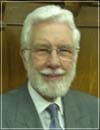
Stephen Hyde

Jacob's Wrestling

Genesis 32:26
Stephen Hyde March, 23 2025 Video & Audio
0 Comments
Stephen Hyde
Stephen Hyde March, 23 2025

In his sermon “Jacob's Wrestling,” Stephen Hyde addresses the theological topic of perseverance in prayer, exemplified by Jacob's encounter with God in Genesis 32:26. The key arguments highlight Jacob's humility as he acknowledges his unworthiness and reliance upon God's promises, reflecting the Reformed emphasis on human depravity and divine grace. Hyde illustrates how Jacob's fervent wrestling in prayer, despite physical and spiritual challenges, serves as a model for believers today, calling to mind the Scriptural assurance of God's faithfulness (Genesis 32:9-12). The practical significance lies in the encouragement for Christians to engage in persistent prayer, recognizing that true prayer is both a struggle and a sign of faith that God hears and answers, aligning with the Reformed doctrine of the efficacy of prayer.

Key Quotes

“True prayer is not easy... because the devil doesn't want you and me to pray.”

“Jacob spoke very clearly and says, I am not worthy of the least of all thy mercies.”

“What a mercy when we have faith to believe that we come into the presence of Almighty God... through the merits of our Saviour, the Lord Jesus Christ.”

“Real religion is between our soul and God.”

What does the Bible say about Jacob wrestling with God?

Jacob's wrestling with God in Genesis 32 illustrates the importance of earnest and persevering prayer.

The account of Jacob wrestling with God in Genesis 32:26 serves as a powerful demonstration of Jacob's desperation and his determination to seek God's blessing. This event occurs after Jacob has spent many years in exile and is now returning home, fearing his brother Esau's wrath. Alone and vulnerable, Jacob wrestles with a 'man,' often understood to be a theophany or pre-incarnate Christ, until daybreak. In this struggle, Jacob's unwillingness to let go signifies his deep need for God's favor and assurance. This highlights the biblical paradigm that true prayer requires persistence, fervency, and reliance upon God's mercy and promises.

Genesis 32:26

How do we know prayer can be powerful?

The Bible assures us that the effectual fervent prayer of a righteous man avails much, as seen in Jacob's earnest plea with God.

Prayer is powerful because it connects us to the Almighty God, who is both able and willing to intervene in our lives. James 5:16 states, 'The effectual fervent prayer of a righteous man availeth much.' This principle is illustrated vividly in Jacob's struggle with God. Jacob displayed a genuine faith and urgency in his prayers, reflecting a heart that seeks God earnestly for help and assurance. In this narrative, we see that Jacob did not give up in his prayer but wrestled through the night, demonstrating that true communication with God often requires persistence and fervor. God's response to Jacob's fervent prayer not only resulted in a blessing but also transformed Jacob's identity. Therefore, the testimony of Jacob encourages believers to approach prayer with confidence, knowing that it reaches the ears of God.

James 5:16, Genesis 32:26

Why is humility important in prayer?

Humility in prayer acknowledges our unworthiness and reliance on God's mercy, as shown by Jacob's confession.

Humility is a crucial element in prayer because it positions our hearts correctly before God. Jacob, in his prayer, approached the Lord with a profound sense of unworthiness, stating, 'I am not worthy of the least of all thy mercies' (Genesis 32:10). This confession is significant because it demonstrates a proper understanding of our relationship with God; we are sinners in need of His grace. A humble heart is necessary to receive God's blessings because it recognizes that all good things come from Him, not from our own merit or strength. When we humble ourselves in prayer, it opens the way for God's grace to flow into our lives. Therefore, Jacob's honest acknowledgment of his unworthiness serves as a model for believers, encouraging us to come to God not with pride but with a heartfelt dependence on His mercy.

Genesis 32:10, James 4:6

Sermon Transcript

Auto-generated transcript • May contain errors

100%
May it please Almighty God to
bless us together this morning as we meditate in His Holy Word. Let's turn to the book of Genesis,
chapter 32, and we'll read verse 26. Genesis, chapter 32, and
reading verse 26. And he said, let me go for the
day breaketh. And he said, I will not let thee
go except thou bless me. This is a very wonderful account
that we have in this 32nd chapter of Jacob. And it's often referred
to as Jacob's wrestling prayer with God, and it was so. And
it's good to see how it worked out and how he was persevering
as he came to God in prayer. If we think of the background
to this situation, we of course know that the Jacob many years
ago, had deceived his brother Esau by taking the blessing. In one sense the blessing had
been given because Esau had despised his birthright and had sold it
really to Jacob, so in one sense the birthright was Jacob's, so
he hadn't taken it. But nonetheless, looking at it
from just a pure position, It appears that he had indeed deceived. his father, and therefore had
taken the blessing. Well, be that as it may, we see
that Jacob then had left the family home and had gone to live
with his uncle Laban many miles away. And we're thankful to realize
how God was with him in a very remarkable way. And then God
told him to return. And it's interesting, as we have
this account in the 31st chapter of Genesis, the Lord spoke to
Jacob and said, return unto the land of thy fathers and to thy
kindred and I will be with thee. Well that was a very direct word
to Jacob and it was a word on which he relied and it was a
word that he obeyed and therefore did return or at least began
his journey to return. He took his wives and his children
and his flocks and started on his journey. And initially, of
course, Laban was very unhappy and Endeavor chased him and tried
to get him to turn around and go back. to be with him but Jacob
refused. Obviously this was of the Lord
and therefore he did that which God had told him and in the end
Laban was happy to leave him there. And so we see Jacob continuing
in the beginning of this 32nd chapter tells us, and Jacob went
on his way and the angels of the Lord met him. when Jacob
saw them he said this is God's host and he called the name of
the place Mahanaim. Well wonderful position that
for really for Jacob and with that situation we're told he
sent messengers before him to Esau, his brother, to tell him
that he was coming and what had occurred. And then we see that
the messengers returned and they told Jacob that in actual fact
Esau was coming to a meeting with 400 men. Well, that was
not a very happy position for Jacob and obviously we're told
he was greatly afraid and distressed. We're told what he did and he
divided the people that was with him and the flocks and herds
and the camels into two bands and said if he saw come to the
one company and smite it then the other company which is left
shall escape. And then we are given the picture
of Jacob praying. What a good thing it is when
we have the evidence of God's children in a difficulty, they
pray. And what a good example for us
today, many years after. And yet there are difficulties
which we're confronted with. And what is the solution? There's
only one solution really, and that's to pray. To pray to God. And so, we're told that. And Jacob said, oh God of my
father Abraham, and God of my father Isaac, the Lord which
said unto me, you see he quotes God's words. And it's good to
have that. If God has spoken to us, we can
rely upon it. and we can remind God of it and
that's the right thing to do God of course knows exactly what
he said to us but we have this pattern before us and we should
remember it which says unto me return unto thy country and to
thy kindred and I will deal well with thee and then we see Jacob
describes himself and again it's good to recognise the words that
he uses because how suitable they are he doesn't boast about
himself that all he's done and everything else he comes very
simply and says I am not worthy of the least of all thy mercies
and of all the truth which thou showed unto thy servant for with
my staff I passed over this Jordan and now I am become two bands. It's good if you and I recognise
the truth of that statement and recognise it with a relationship
to ourselves, that you and I are not worthy of God's favour, of
God's notice, that God should look upon us Jacob spoke very
clearly and says, I am not worthy of the least of all thy mercies. Wonderful, isn't it, to see one
of God's children speaking so honestly. He stands really before
God and realises what he's like. Not worthy of the least of thy
mercies, and of all the truth which thou hast shown unto thy
servant. For with my staff I passed over this Jordan, and now I am
become two bands. And he continues and prays, Deliver
me, I pray thee, from the hand of Esau, for I fear him, lest
he will come and smite me and the mother with the children.
You see, we can speak to God, we can remind God of those things
which He said to us and the situation which we find ourself in. And then again He comes and says,
Oh, and thou saidst, I will surely do thee good and make thy seed. as the sand
of the sea which cannot be numbered for multitude.' He had of course
promised that to Jacob like he'd promised it to Isaac and to Abraham
as well. And it's good to come before
God with these situations. And we see how he was humble. He didn't say he was worth any
notice. He didn't say he was a good man. He said very clearly he wasn't
worthy of the least notice of Almighty God. And so we have
this as a testimony, a record of Jacob and as an example for
you and me today in our little life. as we journey on through
this world to recognize the order that Jacob spoke to God and what
he said. And then we now have the picture
of Jacob. He lodged there that same night
and then he took a present to send to Esau. It was a large
present. It was a big present. And he
delivered it to his servants And he told them what they should
do when they came to Esau, how they should address him. They
should say, it is a present sent from my Lord Esau for my Lord
Esau and behold also he is, that's Jacob is behind us. And so he
spoke to a number of his servants who had these presents to convey
to Esau. And so went the present over
before him, and himself lodged that night in the company. And then we're told he rose up
that night, took his two wives, and his two women servants, and
his eleven sons, and passed over the four jabbok. And he took
them and sent them over the brook, and sent over that he had. And then we're told, and Jacob
was left alone. It's not easy to be left alone. Left alone with the possibility
of Esau coming and attacking all that he had, and perhaps
taking All that he had. Well, Jacob was left alone. But God didn't leave him. And that surely is a great encouragement
to us today. We may sometimes feel to be alone. The truth is, that God's people
are never alone. They might think sometimes they
are alone, but God is mindful of them. He knows where they
are. He knows all about them. And although physically Jacob
was left alone, he wasn't, because we're told, and they wrestled
A man with him until the breaking of the day. Well, that was a
long time, wasn't it? That wasn't a short time. It
was a long time. And when he saw that he prevailed
not against him, That's the angel, or it would seem this was none
less than the Savior himself. And he touched the hollow of
his thigh, and the hollow of Jacob's thigh was out of joint
as he wrestled with him. And he said, let me go, for the
day breaketh. And then we see response of Jacob. I will not let thee go, except
thou bless me. He needed God to bless him. And to be blessed really is to
be sanctified, to be purified, to be anointed. All those things
come together in this great desire to be blessed. We perhaps sometimes
use the word rather glibly. It's a very precious word. to be blessed. We remember that
of course there was that case of Javis recorded in the Chronicles
and he said, Oh that thou wouldst bless me indeed. And we know
that the Lord granted his request. So when we may come and pray
like that, to be blessed indeed, it's good to have some conscious
realization of the breadth and wonder of it. and to earnestly
seek that God would indeed bless us. And so here we have this
desire of Jacob. I will not let thee go except
thou bless me. Well, what did he have? He had confidence in God. He had confidence that God would
hear and answer his prayer. He had a need. It was a desperate
need. He didn't know what the outcome
was. Whether Esau would accept his
presence, whether Esau would reject the presence, and would
destroy all his family, and destroy him as well. He didn't know what
the result would be. We know what the result was. But it's good sometimes to try
and put ourselves in the position of those who are in great need
and see how they pursued the way and so he said let me go
and he said for the day break and he said I will not let thee
go except thou bless me and then he was asked what is thy name
and he said Jacob and he said thy name shall be called no more
Jacob but Israel for as a prince hast thou power with God, and with men, and hast prevailed. That was really a very clear
and direct answer to Jacob, who said that he wouldn't stop He
wouldn't let go. He would continue praying. And
then he had this wonderful answer really. And what a blessing it
is if you and I are given grace to persevere in our prayers. Persevere in our prayers. Desiring
that God's will might be done. And so Jacob then asked him and
said, tell me I pray thee. thy name and he said wherefore
is it that thou dost ask thy name he didn't give an answer
but were then told and he blessed him there he blessed him there
and the result was jacob called the name of that place pineal
for i have seen god face to face and my life is preserved wonderful
account of a prayer being answered, a wonderful account of perseverance. He didn't just pray for a couple
of minutes and then think well that's enough. Clearly he prayed
virtually all night. All night. And no doubt it was
a very tiring exercise. but he didn't give up no and
we're told there wrestled a man with him so it wasn't just an
easy time sitting down taking it easy no there was effort in
this and you know true prayer is not easy true prayer is not
easy in actual fact true prayer if we're honest is often hard
work And you may say, well, why is it hard work? I'll tell you
why it's hard work. Because the devil doesn't want
you and me to pray. And therefore, he'll do all that
he can to obstruct us in one way or another. Yes, the devil's
very clever and he knows what he can do to distract us. In our times of prayer, even
when we start praying, the devil comes and attacks us. We shouldn't
be really surprised, because we know the devil doesn't want
us to pray. He doesn't want us, as it were,
to get through to our God, just like Jacob did. And therefore,
if he can stop us, and sometimes, you know, there's things rushing
to our mind, and sometimes we think, oh, I must just go and
do that, and we're disturbed in our prayers, He's very cunning. And we should, therefore, persevere,
just like Jacob did when he said, I will not let thee go. Perseverance
in prayer. One of the problems today, the
day in which we live, there's not very much prevailing prayer. the great and wonderful blessing
of prevailing prayer. But again, don't think prevailing
prayer comes easy. You see, if prayer is easy, we
can really wonder whether it's real. Because the devil doesn't
want you to pray, and he'll do all that he can to stop you. But it's a great blessing when
you and I are favoured with what we may term access at the throne
of grace. We're able to come to God and
the blessed spirit of God enables us to come to him and to pour
out our heart before him with that freedom. Now that's the
gift of God, my friends, you and I can't produce it ourselves. and therefore we should recollect
that this example of wrestling is really quite a good example
for us because when we pray there is wrestling against the devil
and praying earnestly that God will be gracious to us and look
upon us and hear us well what a mercy if we're able to pursue
this avenue and to not give up, but to earnestly pray that God
will hear an answer. We're not told what Jacob thought. What we're told is that Jacob
continued. What a mercy when He said, I
will not let thee go except thou bless me. And so may we persevere
in our prayers. You know, there is a throne of
grace. And what a mercy when we have
faith to believe that we come into the presence of Almighty
God God our Father, through the merits of our Saviour, the Lord
Jesus Christ, because it's through Him who made that new and living
way. We died upon that cross at Calvary. There was then that new and living
way where we, as unworthy sinners, Just like Jacob said here, he
wasn't worthy. And it's good to come in that
same vein, that we're not worthy. And yet to come fervently, we're
told. the effectual fervent prayer
of a righteous man availeth much.' Clearly Jacob's prayer was effectual,
clearly it was fervent. And it's good perhaps when we
start praying that we come in that way desiring that our prayers
might be like that. They might be effectual, not
because we're very good at praying, but because of God's goodness
and mercy. The effectual fervent prayer,
blessed with that fervency in prayer. What a mercy. You see, prayer can be very formal,
can't it? Very formal. and we can just
utter phrases that are familiar to us and go through a list as
it were but there's no real fervency with them and they're not really
effectual we're just, if you like, satisfying our conscience
having gone through a list perhaps that's why often prayer is not
answered Well, we have this testimony, we have this example before us
of God's servant Jacob. Jacob had had a tough time, hadn't
he? Yes, when he tried to leave and
God had commanded him to leave and go back to his home. And
there he was chased by Laban. Laban threatened to kill him
really, and God appeared. And now you see, he's journeyed
on further, and he's got this fearful sight of his brother
coming with 400 men. We're not told whether they were
all armed. They probably were. And so Jacob
is fearful. Sometimes it's good to come to
God fearfully. To realise how small and unworthy
we are. To come fearfully before God,
not in a proud way, thinking that God should take notice of
us because of our attitude. We're not worthy. of the least
favour of Almighty God. And yet what a great and wonderful
blessing if he comes and gives to us the spirit of prayer, the
spirit of pervading prayer, just like he did here. And remember,
perseverance, perseverance. Now it doesn't mean to say we
have to pray all night. But it does mean that in our
prayer, whether it be very short, it could be very short, like
those short prayers in the Word of God, Lord, help me. And nonetheless, if it's short
like that, yet to recognise it has with it a fervency, a fervency
that we come to God because we realise there's no one else.
who can really help us. Lord, help me. Well, we know that that woman
was helped. God appeared for her. My friends, it's therefore
not the length of our prayers, but sometimes God does enable
us to pray for a long time. And that's a blessing if we are
truly praying to God and we're not praying to ourselves. It's a big difference, isn't
it, between praying to ourself and praying to Almighty God. It's a very solemn thing, a very
blessed thing, that you and I as unworthy sinners can come and
pray unto the Majesty on High, the Ruler of the Universe. Oh, what a blessing that it is
so. to think that God doesn't turn
us away as somebody of absolutely no value, but hears and answers
our prayer. Well, Jacob was told, thy name
shall be called no more Jacob, But Israel, for as a prince hast
thou power with God and with men, and hast prevailed. That was a wonderful statement,
wasn't it? And sometimes when we're praying, we realize that
by the grace of God, our prayers have entered in, they got through
the barrier, they got through all the attacks of Satan and
they got through to our God. What a wonderful favour that
is when that occurs. And how we can rejoice at God's
goodness in blessing us with that effectual prayer. And so
as we carry on and pray on. We should realise it is all of
God's grace and all of his mercy and all of his wonderful favour
to us. What a blessing then to have
such a God. Well we have this account and
we know of course what the result of this was that then when Jacob
then came and we're told and Jacob lifted up his eyes and
looked and behold all Esau came and within 400 men and he divided
the children unto Leah and unto Rachel and unto the two handmaids
And he put the handmaids and the children foremost, and Leah
and her children after, and Rachel and Joseph hindermost. And he
passed over before them and bowed himself to the ground seven times
until he came near to his brother. You see, what he feared didn't
come to pass. Esau ran to meet him. and embraced
him and fell on his neck and kissed
him and they wept. God and God before. Sometimes that which we fear
is overruled. It doesn't come to pass. because
God has been gracious and God has heard our prayers and God
has appeared for us and we shall realize that God is the same
today and he's able to do great things And he lifted up his eyes
and saw the women and children and said, who are those with
thee? And he said, the children which
God hath graciously given thy servant. You see, he again puts
all the honour to God. And it's good when we realise. And praise God. For everything
that you and I have and possess, God has given us. That means
that you and I can't boast of our ability. But what we can
do is to boast of what God has done. What does that do? That brings honour and glory
to Almighty God. And so we have this account of
Jacob and Esau and how Esau then accepted Jacob. What we see is
God moving. We don't know of course whether
that was originally Esau's intention or not. nonetheless God did grant
that there was that peaceful meeting and what a wonderful
favour it was and they as we know they parted and went their
own ways But we thank God that we have accounts like this to
encourage us and to strengthen us and to bless us. You can trace
through the Word of God. There are many accounts where
God heard and answered prayer. Many accounts. Therefore we should
never be disappointed and think that God will never hear and
answer our prayers. We should realise that God sometimes
causes us to wait and sometimes answers in a very different way
and again just to think that you see Jacob it wasn't just
a five-minute job He had to pray and wrestle. It was hard work. But God gave him grace so to
do. And God heard and answered his
prayers in really a most remarkable way. And so we should take courage
really from this and realise that we have a God today. who still hears and answers prayer
and this we might think was a very large thing it was but my friends
God also hears us for very small things we could say there's nothing
too small and there's nothing too large to bring to God and
what a blessing it is when we bring those things to God rather
than struggling ourselves. Sometimes we have a problem and
we try and solve it and we fail and we don't solve it and we
are thinking what we should do and then perhaps sometimes we
remember to pray. Sad isn't it that we didn't remember
to pray to begin with but nonetheless we see there God is a merciful
God and it's good when God does remind us when we have difficulties
and when we need direction and when we need answers to commit
our way unto the Lord to trust also in him that he will bring
it to pass and when God hears and answers prayers you know
he brings it forth and brings it in a way that you and I realise
we could not have done it ourselves and it's all of God's mercy and
it's all of his favour and it's all of his love and what a blessing
then it is when like we have here the account of Jacob written
out clearly God gets the honour and glory what a good thing in
our lives when God does hear and God does answer that we thank
him for it and we acknowledge him and we speak of it of what
God has done so that his name is honoured and glorified and
people don't get the wrong end of the stick and think it's our
ability. No, it's of God's mercy and it's
of God's grace that things come to pass. And what does that mean? That means that we are humbled
and God is exalted. And that should be our desire. That should be the pattern that
we desire to follow. That God's name may be lifted
up and God's name may be honoured and glorified. Well, let's just
remember that when this occurred, Jacob was left alone. Real religion is between our
soul and God. Jacob was left alone. And if you and I sometimes feel
to be left alone, it can be a blessed place because we're left alone
not by ourselves, we're left alone with God. It's just how
Jacob was here. Jacob was left alone and there
wrestled a man with him until the breaking of the day. And
when he saw that he prevailed not against him, he touched the
hollow of his thigh and the hollow of Jacob's thigh was out of joint
as he wrestled with him. There was a sign that Jacob would
never forget. It may be so in your life and
my life. We come into a situation and
God answers that prayer and God gives a sign, a clear sign that
you and I will never forget as a testimony of God's love and
mercy and grace toward us and he touched the hollow of Jacob's
thigh without a joint as he wrestled with him and he said let me go
for the day breaketh and he said I will not let thee go except
they'll bless me. Faith to press on, faith to pray,
faith to believe. We come to a prayer hearing and
a prayer answering God. Amen.
Broadcaster:

Comments

0 / 2000 characters
Comments are moderated before appearing.

Be the first to comment!

Joshua

Joshua

Shall we play a game? Ask me about articles, sermons, or theology from our library. I can also help you navigate the site.