Bootstrap
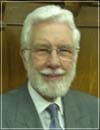
Stephen Hyde

Man and God compared

Hebrews 2:6
Stephen Hyde January, 26 2025 Video & Audio
0 Comments
Stephen Hyde
Stephen Hyde January, 26 2025

In his sermon titled "Man and God Compared," Stephen Hyde explores the theme of humanity's significance in light of God's grandeur, framed by Hebrews 2:6, which questions, "What is man that thou art mindful of him?" Hyde links this inquiry to Psalm 8, emphasizing human dignity as immensely elevated yet inherently flawed due to sin, rooted in the Genesis narrative. He illustrates humanity's dominion over creation and contrasts it with the responsibility that accompanies it, noting the original sin of Adam and Eve as the point of separation from God. Central to his argument is the redemptive work of Jesus Christ, who, made “a little lower than the angels,” suffered and died for humanity's salvation, establishing a relationship of reconciliation between God and man. This sermon underlines key Reformed doctrines such as total depravity, unconditional election, and the necessity of grace for salvation, illustrating the continuous need for a savior in a fallen world.

Key Quotes

“What is man that thou art mindful of him? We never deserved any notice and yet I think that God has noticed us and God has blessed us.”

“Jesus came into this world to redeem His people. And what a mercy it is if you and I are amongst those to think that you and I have our sins taken away.”

“No sinner can enter into heaven, because heaven is a holy place where there is no sin.”

“Having loved us with an everlasting love, and with loving kindness has He drawn us.”

What does the Bible say about the nature of man?

The Bible reveals that man is created a little lower than the angels and is made in God's image, crowned with glory and honor.

The Bible teaches that man, made in the image of God, is endowed with dignity and significance. As stated in Hebrews 2:6 and echoed in Psalm 8:4, 'What is man, that thou art mindful of him?' This highlights that amidst the grandeur of creation, God has a unique concern for humanity, granting us dominion over the works of His hands. This position reflects both our value and responsibility to steward God's creation.

Hebrews 2:6, Psalm 8:4

How do we know that Jesus is our Savior?

We know Jesus is our Savior because He was appointed by God to taste death for everyone, offering reconciliation through His sacrifice.

The truth of Jesus as our Savior is anchored in the redemptive work He accomplished through His death and resurrection. Hebrews 2:9 states, 'But we see Jesus, who was made a little lower than the angels, for the suffering of death, crowned with glory and honor.' His sacrificial death provided a way for humanity to be reconciled to God, fulfilling the divine plan of salvation that was set in motion since the fall of Adam. This underscores that without His atoning sacrifice, no one could enter into heaven, as no sin can be in the presence of a holy God.

Hebrews 2:9, John 3:16, Romans 3:23

Why is Jesus' sacrifice significant for Christians?

Jesus' sacrifice is significant because it provided the necessary atonement for our sins, allowing us to be forgiven and reconciled to God.

Jesus' sacrifice is of paramount importance for Christians as it forms the cornerstone of our faith. Hebrews 2:17 explains that Jesus became our merciful and faithful high priest, making reconciliation for the sins of the people. Through His suffering and death, He paid the penalty for sin that we could not bear ourselves. This act of love allows believers to stand justified before God, free from condemnation. Additionally, His resurrection confirms the victorious nature of His sacrifice, enabling believers to have confidence in eternal life.

Hebrews 2:17, John 3:16, Hebrews 9:22

Sermon Transcript

Auto-generated transcript • May contain errors

100%
May I please Almighty God to
be with us this morning and help us as we meditate in the Word
of God. Let's turn to the chapter we
read in the Hebrews, that's Hebrews chapter 2 and we'll read verse
6. Hebrews chapter 2 and reading
verse 6. but one in a certain place testified,
saying, What is man, that thou art mindful of him, or the son
of man, that thou visitest him? Well, it's a clear statement
referring to the words that we read in that psalm this morning
in the Old Testament. So if we just go back to the
book of Psalms and the eighth Psalm, and we'll find there these
very similar words in the fourth verse of this eighth Psalm. And the fourth verse reads, what
is man that thou art mindful of him and the son of man that
thou visitest him? Well this is of course a psalm
of David and in this psalm really David is telling us that relative
to many things man is very wonderful and yet there are so many things
in this world to just consider that man is above them. And so
he comes and he tells us how excellent is thy name in all
the earth who are set by glory above the heavens." Well, we
know what the heavens are like in some idea. We can see the
stars and get some idea of how large it is. And of course, with
telescopes, we can see a lot further and see how vast it is. And he makes this comment, how
excellent is thy name in all the earth and has set thy glory
above the heavens. So it's there beyond what you
and I can really see. And then he says in the third
verse, when I consider the heavens, the work of thy fingers, the
moon and the stars which thou hast ordained. So he brings that
before us to enable us to have some comparison And he says then,
what is man that thou art mindful of him and the son of man that
thou visitest him? So how does man compare with
this wonderful view that we have of the heavens? Well, he goes
on to tell us then that the Lord's made us a little lower than the
angels. Angels did not sin. or at least
most of them, just a few, and has crowned him with glory and
honor. Thou madest him to have dominion
over the works of thy hands. Again, if we go back to Genesis,
we will see that when God created Adam and Eve, he made them over
all the animals. In fact, of course, we know that
Adam named the animals. and so we're told here thou mayest
him to have dominion over the works of thy hands that has put
all things under his feet and he gives a list all sheep and
oxen yea and the beasts of the field the fowl of the air the
fish of the sea and whatsoever passeth through the paths of
the sea oh lord our lord how excellent is thy name in all
the earth and so We see and we know that man is superior to
all the other things that God has made. Indeed, we see that
animals, generally speaking, are fearful of man they were
they and until they sometimes they become friendly but generally
speaking they're afraid of man and so we come back to this statement
that David made what is man that thou mindful of him and the son
of man that thou visitest him well what is man what is man
what's our view of today of man. Well in this chapter we in the
Hebrews we read that we're told but one in a certain place testified
which we've just referred to what is man that thou mindful
of him or the son of man that thou visitest him and he goes
on then to explain a little about man thou madest him a little
lower than the angels thou crownest him with glory and honor and
it set him over the works of thy hands, and has put all things
in subjection under his feet. For in that he put all things
in subjection under him, he left nothing that is not put under
him. But now we see not yet all things
put under him. And he comes on then and says,
but we see Jesus, who was made a little lower than the angels,
for the suffering of death, crowned with glory and honor, that he,
by the grace of God, should taste death for every man. So really, the apostle here,
as he writes to the Hebrews, and of course we know the Hebrews
were the Jewish nation, we know they were a nation wonderfully
blessed by God, as we read through the Old Testament, And yet they
turned their back upon God on so many occasions. They disobeyed
God. They did what they wanted to
do. And so they opposed God. And God dealt with them on a
number of occasions. If you remember the Old Testament,
you will know that they were cast out of Jerusalem, carried
away to Babylon, and there they spent those 70 years. And there were a number of times
when God was against them because they had disobeyed God. And in
disobeying God, what had they done? They'd sinned. And when did sin first come into
the earth? Well, we go back, don't we, to
the Garden of Eden, to that very sad day which we read in the
third chapter of Genesis when Satan came and tempted Eve and
pretended that the things that God had spoken could be ignored. Well, you may think, well, that's
all right, of course, But things have changed a lot. Well, in
reality, of course, they haven't changed because people today
still think they can ignore what God has said. They think they
have a right to do exactly what they want to do. And therefore,
they don't consider that there is a God, a God who we're told
And we know He is alive forevermore. A God who knows all about us.
He knows what we're doing. He knows what we're thinking.
He knows what we're saying. And so we should not be ignorant
of the greatness of God. And so when Paul here speaks,
and he said, what is man that thou art mindful of him? Well,
man is a very blessed person, really. to go back and know how
God created him first and then out of him, his rib, he created
Eve as a woman to be a help for him and that was the two that
commenced the generation of mankind on the earth. And so we look
around today and we see, don't we, billions of people and to
think that they all commenced with Adam and Eve those 6,000
or so years ago. We see how wonderful it is. And now people still today, just
like Adam and Eve, listened to what the devil said and ignored
the great truth of God. Well, these things are a reminder
to us to realize that God is not to be mocked. God is a great
God. He's far greater than you and
I can ever really fully understand and appreciate. And most people
today ignore God. And they think He's of no consequence.
We can just carry on. They've got their own life to
live. They want to please themselves just as they want to. And they're
going to ignore this great god well today we have the bible
which tells us about this great god and we shouldn't underestimate
this wonderful blessing because we haven't had the bible for
all that long as you probably know really we had it something
like in the um 1400s first time we had a Bible really in our
own language and then there weren't very many available and people
couldn't afford to buy them and now you see Bibles are readily
available and yet most people are not interested most people
don't want to read the Bible Most people, if they do read
it, they don't want to think it's of any importance. They
don't want to obey the truths. They don't want to obey the Bible. They don't want to realize what
it contains. It contains a great message for
mankind. My friends, it contains a great
message for you and me even today. We have a great message here
in this chapter, which speaks to us about the Lord Jesus Christ
as the apostle comes down and says, but we see Jesus. You may ask, I hope you know
who was Jesus, who is Jesus? Jesus is the son of God. Jesus was that one, that God,
the father, sent into this world some 2,000 years. And what was
the purpose for him coming into this world? The purpose was that
he might make peace with God the Father, so that his children, those who believe
on the Lord Jesus Christ, might be forgiven their sins as I've
told you very often we believe that there is after this life
on this earth there is that which is to come which is an eternal
life and it's either to be spent in heaven or is to be spent in
hell and every one of us here today will spend forever, either
in heaven or in hell. Well, the Bible gives us some
description, not very much of what it's like in heaven and
also what it's like in hell. And of course, the comparison
is a great difference. Heaven is a very happy, holy,
wonderful place. Hell is a most terrible, terrible
place. A place where no one in their
right mind would ever want to enter into. But the great truth
is that nobody can enter into heaven who has any sin. And you may say, well, I don't
think I've got any sin. Many people, if you ask them
to say, well, are you a sinner? Some of them may say, well, I've
just done one or two little things wrong, but I don't really consider
myself as a sinner. But the Bible tells us very clearly,
all have sinned. That means every single person
on this earth has sinned. Everybody who has ever been on
this earth has sinned. And everybody who will come on
this earth has sinned. And what does that mean? That
means that all of us, need to be forgiven of our sins. We need to have our sins taken
away. And how can that happen? How
can that happen? Can we do it? Can you and I do
it? Can we take away our sins? We
don't have any ability to do it. That's why Jesus came into this world. came into this world for that
great and glorious purpose, to give his life. That was the requirement
that his father, God the Father, required, that his son should
give his life as payment for the sins of all the whole Church
of God. And it's so amazing really to
think that Jesus was willing to do that. And here in this
chapter we read a little bit about Jesus and this is what
it tells us. But we see Jesus who was made
a little lower than the angels for the suffering of death crowned
with glory and honor that he by the grace of God and grace
of course is the free unmerited favor that God gave by the grace
of God should taste death for every man that means every believer
he should die in their place and pay the price and so it goes
on for It became him for whom are all things and by whom are
all things in bringing many sons unto glory. It doesn't say everybody.
It says bringing many sons unto glory to make the captain, that's
Jesus, of their salvation. Perfect through sufferings Jesus
suffered and he died so that his death his sufferings and
His life might be acceptable with his father to pay the price
to take away your sins and my sins and So you may think, well,
this is very wonderful. Well, it is very wonderful, because
it's something that you and I could not do. But how important it
is that we have the wonderful evidence that Jesus died for
us as individuals. He died for you, and he died
for me. to take away your sins, to take
away my sins. Very simply, because no sinner
can enter into heaven, because heaven is a holy place where
there is no sin. So if you and I went there as
we are now, you see, we wouldn't be allowed in. But what a blessing
it is to realise that we have such a wonderful Saviour, the
Lord Jesus Christ. And so, as we read, for it became
him for whom are all things, and by whom are all things, in
bringing many sons unto glory, to make the captain of their
salvation perfect through sufferings. For both he that sanctified that
means make holy and they who are sanctified are all of one
for which cause he is not ashamed to call them brethren we're talking
here of Jesus who's not ashamed to call you and me as brothers
and sisters of the Savior it's amazing isn't it that we have
it spelled out here in the Word of God. What it proves to us
is this. Those wonderful words in the
Gospel of John, where we read of the Lord Jesus and also God
the Father. And in John 3, chapter 16, verse
1, we read this. For God, that's God the Father,
so loved the world that he send his only begotten Son, the Lord
Jesus Christ, that whosoever believeth in him should not perish,
but have eternal life. And that really is the truth
and the whole gospel that you and I today are privileged to hear the gospel
And what a blessing if God gives us that desire and that concern
to believe the great truth of the gospel, that Jesus did come
into this world to save sinners. The man that wrote this epistle
of Hebrews, he said in another place, who came into the world
to save sinners, and he said, of whom I am chief. He saw himself as the worst sinner. You may think, well, I don't
think I'm very bad. You may not want to think that
you're the worst sinner. But it would be a good thing
if God comes and just shows to you, perhaps, what sin is and
how bad you really are. And then to think that however
bad you are, Jesus Christ came into this world to save such
people. To save such people. You know,
we use a word, it's a very wonderful word, and it's a word called
redeem. And that means to pay the price. Pay the price. And Jesus came
into this world to redeem His people. And what a mercy it is
if you and I are amongst those to think that you and I have our sins taken away. And my friends, you may think,
well, I'm not a very big sinner. Well, let me tell you this. Doesn't
matter how big or how bad or how small or great you are. Every
one of us must have our sins redeemed. Every one of us. So even if you
think you're a small sinner, you still need your sins to be
taken away. And bless God if you think you're
a great sinner. Also, God can cleanse you from
all sin. So that really is the wonder
of the greatness of our Savior, the Lord Jesus Christ. That's
why the Apostle Paul spells out to these Hebrews who had, as
a Jewish nation, they turned their back upon Jesus. They didn't
want him. In actual fact, they crucified
him they thought of course that by killing him he'd be gone and
that's the end of Jesus well they didn't realize of course
did they they didn't realize the power of God they didn't
realize the plan of God they didn't realize that Jesus although
he died he rose again he rose from the dead after three days
well the devil wouldn't have realized that And the Jews wouldn't
have realized that. But there it was. Jesus did rise
from the dead. And what had he done? He'd conquered
all the plans the devil had made to destroy the people, the Church
of God. Yes, you see, Jesus had won. Jesus had done his Father's will. And he died that wonderful death
upon that cross at Calvary. That's why, that's why today
we're so pleased to be able to speak about the death of the
Lord Jesus Christ. We've just passed through a time
of celebration of his birth. And that's good and right and
proper. If he'd never been born, he would never have died. And
therefore, he had to be born. And he was born. And as I'm sure
you all know, he was born in that wonderful and perfect way. And what a glorious birth it
was. And it won't be very long, of
course, before we remember, at that time we call Easter, his
death. His death. And how he died. And how did he die? Well, you
can read in the Gospels, Matthew, Mark, Luke and John, the details
at the end of each of those books, how he died. Yes, he was condemned
to death, not because of his sins, but he was condemned to
death so that he might die. to take away our sins. There's a line in a hymn writer
which says this, he bore the punishment instead. He paid the price that we could
not pay. You may say, why couldn't I pay
the price? It's very simple. You and I are
sinners. And if you and I had paid the
price, it wouldn't have been a perfect price. You know, Jesus lived on this
earth for 33 years and he never did anything wrong. He never
even thought a bad thought. He never even said a bad word. And therefore he was in that
perfect condition to die in the place of his people, his church,
in your place and my place. He was the only one who could
die in our place, having lived that perfect life. And so as
we were reading in this second chapter of the Hebrews, for both
he that sanctifies and they who are sanctified are all of one. Jesus who was sanctified and
we who are sanctified are all one, joined together. Wonderful, isn't it? And how
glorious to think that he is not ashamed to call them brethren. You think of your life, I think
of my life. Well, I'm sure we'll come to conclusion. There were
many things which were wrong, many things which are wrong.
And then to think that Jesus was willing to pay the price
required to take away our sin. Did we not come and say, how
amazing, how amazing. This is, of course, the wonderful picture that we
have here. And so then he says, saying,
I will declare thy name unto my brethren in the midst of the
church, when I sing praise unto thee. And again, I will
put my trust in him. And again, behold, I and the
children which God hath given me." Well, to think that God
the Father has given us as children to the Savior. Wonderful, isn't it? It's a great
and tremendous blessing. to realize that and then he goes
on for as much then as the children are partakers of flesh and blood
he also himself likewise took part of the same that through
death his death this is Jesus through death he might destroy
him that had the power of death that is The devil. You see, the devil thought no
doubt he'd conquered when he got Adam and Eve to sin in the
Garden of Eden. But he didn't realize there was
a wonderful plan that God had arranged that would save Adam
and Eve and the whole church of God. What a wonderful, wonderful
consideration. That is, and he goes on and says,
and deliver them. What a mercy if you and I are
delivered. Delivered from that death and
delivered from ending up in eternal hell because of God's wonderful
love. Wonderful love, isn't it? To
think that Jesus should die for such unworthy people as you and
me. I wonder if we really think we're
bad. I wonder if we really think we're
not worthy of anybody dying for us. And then to think that not
only an ordinary person, but the Son of God, the Lord Jesus
Christ, was willing and did die upon that cross at Calvary. to
take away all our sins so that we are clean, we're free from
condemnation. What a wonderful freedom that is. And so says
Paul, he says, and deliver them who through fear of death all
their lifetime subject to bondage for verily took on him the nature
of angels sorry he took not on him the nature of angels but
he took on him the seed of Abraham he took our form you see was
in all points the scripture tells the Bible tells us he was in
all points tempted like as you and I are But there's one vast
difference. Do you know what that was? He
was without sin. He didn't do that which he was
tempted to do. He didn't sin. My friends, you
and I are tempted to do wrong things and we do them. And we produce sin. And therefore
we need forgiveness and we can't forgive ourselves because we're sinners. But then
to think that we have this glorious gospel and Lord Jesus Christ
came into this world to die on our behalf, to pay the price,
to endure all that God saw fit he should and You and I should
just realize that Jesus didn't die the easy death. Didn't die an easy death. He
could have died an easy death, but he died the very most painful
death. The very most painful death. So that you and I might be freed
from our sin. Well, I wonder this morning,
what do you think of the Saviour? What do you think of Jesus? What do you think of Him? Do
you think of Him as a great and wonderful God? A great merciful
God? A wonderful loving God that should
have paid the price you and I should have paid but we could not pay
it and therefore we could not save ourselves but the Lord Jesus
Christ so was willing to die that you and I fellow sinners
might live and so we ready Jesus came and took on him the seed
of Abraham wherefore in all things It behoved him to be made like
unto his brethren, that he might be a merciful and faithful high
priest in things pertaining to God, to make reconciliation for
the sins of the people. Some great truths in that simple
verse, the 17th verse. You see that he might be merciful, faithful high priest you may
say what does that mean well the high priest was the person
in the Old Testament who was ordained by God there was only
one high priest and when he died then his son took his place and
that high priest once in a year he went into what was first of
all the tabernacle and then the temple where he then took in
blood from an animal that had been slain and sprinkled it on
on the altar sprinkled it then also he went in onto the mercy
seat which was in the holy place and that was accepted by God
as a symbol of that which would follow. And therefore it was
a symbol of forgiveness of sin. Again in this Hebrews in the
ninth chapter you can read that without shedding of blood there
is no forgiveness. And therefore through the Old
Testament, we haven't got time to trace it all through now,
but you can go through the Old Testament And you can see how
there was blood necessarily shed to take away sin. And what happened was Jesus Christ
then, he shed his own blood when he died upon that cross at Calvary. And it was through that shedding
of blood, his blood, that your sin and my sins forgiven. And so here we have this great
statement because he was then able to go into the holy place
and the holy place in the Old Testament in the temple and the
tabernacle represented heaven and now Jesus has entered into
heaven. He sits there on the throne on
the right side of the Father in heaven there on to intercede
for us as our High Priest. And he could not go there unless
he was able to take blood, and he could take his own blood,
which he did once, to atone for sin. So here we have this picture. A merciful and faithful High
Priest in things pertaining to God to make reconciliation. That means to Reconcile us to
God. You see, man was made perfect
in the Garden of Eden. With God, there was that wonderful
union. And then man sinned. Man sinned
and there was separation. And we today need reconciliation
to God. And reconciliation only comes
through the Lord Jesus Christ. Well, and it's through his death,
through his death upon that cross at Calvary, when he shed his
blood, which reconciled the church of God back to God. That's the
glory of the plan of salvation. My friends, we read then in the
end of this second chapter, for in that he himself hath suffered,
being tempted, he is able to succour them that are tempted. That means to draw us to Christ,
to draw us to him. You see, naturally speaking,
we're enemies to God, but it's through his death we're reconciled. Once again, we're friends. How wonderful, isn't it? You
and I, this morning, Let's think of ourselves. Sinners indeed. Black sinners. Offended God. No way can we rectify ourselves. But blessed be God. He came and
He died. What a wonderful mercy it is
to know that we have such a wonderful God and such a Wonderful Savior,
you know the Apostle Peter who was a disciple of Jesus He wrote
two letters two epistles And in the first epistle and in the
second chapter He speaks about this. This is to the Church of
God but ye are a chosen generation. I think that God chose us. Why? Because we were a good person? Because we were doing good things?
Not at all. He chose us. Do you know why?
Because he loved us. Why did he love us? Because it
was his purpose. You and I look into ourselves,
we can't see anything that deserved God to love us. And yet we read here, that ye
are a chosen generation, a royal priesthood. What does that mean? We're sons and daughters of a
king. Sons and daughters of God. and holy nation, a peculiar people,
that ye should show forth the praises of him who hath called
you out of darkness into his marvelous light. See, if God
has revealed these great and wonderful truths to you and me,
like the apostle wrote here to the Hebrews, And we recognise
and have the evidence in our own heart that we are a true
believer and that God has loved us with everlasting love. What
are we told to do? That ye should show forth the
praises of him who hath called you out of darkness into his
marvellous light which in time past were not a people, but are
now the people of God, which had not obtained mercy, but now
have obtained mercy. Well, this is great news, isn't
it? It's good news, isn't it? I hope
you think it's good news. I think it's good news. It's
wonderful truth to realize. that God has loved us. We never
deserved to be loved. But if he has loved us, he always
loves us. It's not something he'll lay
down and say, well, now I'm fed up with you and I'm not gonna
love you anymore. No, my friends, God's love is
eternal. Having loved us with an everlasting
love, and with loving kindness as he's drawn us. That means
he's shown us a wonderful attraction in the great plan of salvation
that we've spoken of this morning. Well, we've only really touched
the surface of the great depths of truth and I hope I made it
sufficiently clear to understand that this is a wonderful account
we have here that is written for the benefit of the Church
of God. And to realise this great favour,
one in a certain place testifies saying, what is man that thou
art mindful of him? We never deserved any notice
and yet I think that God has noticed us and God has blessed
us. God has called us and God has
drawn us unto himself and in that drawing is shown to us Jesus the Son of God and the love of
Jesus and also the love of God the Father in willingly sending
his Son into this sinful world to save our souls. This is my friends the good news of the Gospel. This is the Gospel. I hope that by the grace of God,
the free unmerited favour, you and I can truly praise God and thank
Him for it. We are to praise Him. As the
Apostle Peter said in these verses that I read to you this morning,
And what a blessing it is, therefore, if you and I desire to praise
his great and holy name. I wonder if you've thought about
that. I wonder if you've thought about
it. Have you thanked God for the
gospel? Have you praised God for what
he's done, for his great salvation? Do you love to hear the good
news of the gospel. And do you rejoice in these wonderful
blessings? Well, may you be able to think
and ponder these great truths and rejoice in them and praise
God for them. Well, may God bless these thoughts
for his great namesake. Amen.
Broadcaster:
Theology:

Comments

0 / 2000 characters
Comments are moderated before appearing.

Be the first to comment!

Joshua

Joshua

Shall we play a game? Ask me about articles, sermons, or theology from our library. I can also help you navigate the site.