Bootstrap
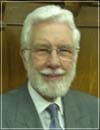
Stephen Hyde

The things by which men live

Isaiah 38:16
Stephen Hyde June, 23 2024 Video & Audio
0 Comments

In the sermon "The Things by Which Men Live," Stephen Hyde focuses on the theological implications of life, healing, and divine providence as presented in Isaiah 38:16. He explores the narrative of King Hezekiah's illness and desperate prayer to God, emphasizing that genuine prayer is vital during times of distress and reflects a life surrendered to God's will. Hyde underlines that God does indeed hear and answer prayers, drawing on Hezekiah's experience of recovery and the miraculous sign of the sun's movement backward as divine confirmation. Through this account, Hyde illustrates the open relationship between God and His people, highlighting the importance of spiritual life stemming from trials, God's loving intervention, and the necessity of acknowledging and glorifying God for His merciful works in our lives. This message encourages believers to revere God as sovereign and to live in a manner that consistently praises Him.

Key Quotes

“When we are ill, when the Lord brings situations into our lives that need the healing hand of Almighty God, we should pray to God about it.”

“Prayers have always to be in accordance with God's will, and we're also to be submissive to God's will for us.”

“The living, the living, he shall praise thee; as I do this day.”

“It’s not anger, my friends, in love to our souls do we deserve any love? Of course we don’t.”

Sermon Transcript

Auto-generated transcript • May contain errors

100%
May it please Almighty God to
come and bless us together this morning as we meditate in His
Holy Word. Let's turn to the prophecy of
Isaiah, chapter 38, and we'll read verse 16. The prophecy of Isaiah, chapter
38, and reading verse 16. O Lord, by these things men live,
and in all these things is the life of my spirit. So wilt thou
recover me and make me to live. I might just say that I had this
word quite a few days ago, so it has no reference really to
the situation that my wife's found herself in. But nonetheless,
of course, even then, such words are very true. So we should be
very thankful, in the Word of God we have the accounts of God's
people. And it's very interesting. that
Hezekiah as a king, he was of course a king, king of Judah
and we read about him in the book of the Kings and in the
book of the Chronicles but in both those cases we don't really
read anything about his sickness and yet you see in this chapter
we read very much about his sickness and the situation which he came
into and how God dealt with him. And we're told how he was ill. He comes and tells us God came
to him with some very alarming words really, searching words,
and said, set thy house in order, for thou shalt die and not live. Well, that was really quite a
statement, because he was sick, didn't know the outcome, and
God told him that he wasn't going to live, he was going to die. So he committed his way unto
the Lord. That is for us a lesson for us
to always realize that when we are ill, when the Lord brings
situations into our lives that need the healing hand of Almighty
God, we should pray to God about it. You know, I often think we
forget to thank God when we're well and healthy. And it's only
when we're ill that we suddenly realise we haven't thanked God
for his goodness and mercy to us. So we should always endeavour
to thank God for the health and the strength that he gives to
us. So Hezekiah here was sick and
we're told then he turned his face to the wall and prayed unto
the Lord. And he said, Lord, remember me,
O Lord, I beseech Thee, how I walk before Thee in truth and with
a perfect heart and have done that which is good in thy sight.'
And Hezekiah wept sore." Well, his prayer didn't go unanswered. He was obviously upset, he didn't
know what was before him, and yet God sent the prophet The
word of the Lord came to Isaiah. Well, we don't, of course, have
prophets quite the same in our day and age, but we still are
privileged to have those who preach the gospel. And it's good
when you and I come and hear the gospel preached. and the
word preached comes to us and has an effect upon us because
Isaiah was told to go and speak to Hezekiah and tell him the
words and so Hezekiah came and Hezekiah said thus saith the
Lord the God of David thy father I've heard thy prayer He hadn't
discounted it. God didn't say, well, I'm not
going to answer that prayer. He comes and says, I've heard
thy prayer. What a blessing it is if God
does hear our prayer. I've seen thy tears. He tells
him, I will add unto thy days 15 years and I will deliver thee
and this city out of the hand of the king of Assyria and I
will defend this city. And then he gave him an amazing
sign that this would come to pass. Sometimes we do need comfort
and a strength from God that he is going to do something.
You may remember in the days of Gideon, Gideon wanted God
to show him that he was to be the person that was to lead Israel
and to prosper him. And God gave him the sign where
the Jew was on the fleece and nowhere else all around it. A
clear sign that he prayed for. And then the opposite, he prayed
again that the rain might be on all the ground and not on
the fleece. And God again heard and answered
his prayer. So my friends, God does still
today give answers to prayer. And we should never think that
it doesn't happen. And when you and I pray, when
God gives us a spirit of prayer, We're not to pray and forget
about it. We are to pray expectantly. That we pray to a God who does
hear and a God who will answer prayer. And let me just add this. Prayers have always to be in
accordance with God's will. And we're also to be submissive
to God's will for us. Well, God heard Hezekiah's prayer. God answered Hezekiah's prayer. And God gave him an amazing sign. He said, I will bring again the
shadow of the degrees when it's gone down in the sundial of Ahaz,
10 degrees backward. So the sun returned. 10 degrees
backward by which degrees it was gone down. Well that's wonderful
isn't it? To think the sun reversed its
direction and went backward. How amazing! It shows the power
of God. And God has not changed. God
is still powerful today. And you and I should never underestimate
the great and wonderful power that is in God well that came
to pass and then we're told the writing of King Hezekiah of Judah
when he had been sick and was recovered of his sickness again
a lesson to us here when the Lord comes and recovers us we're
not to pass it by we're to thank God for it In Hezekiah's case,
he wrote it out. There was a record of what God
had done for him. And you see, these things bring
honour and glory to God, which is, of course, the purpose for
your life and my life. So what a wonderful thing it
is to read this account, the writing of Hezekiah, king of
Judah, when he had been sick and was recovered of his sickness. He tells us, in the cutting off
of my days, this is what he said, I shall go to the gates of the
grave, I am deprived of the residue of my years. That's what he thought
it was going to be like. He thought he wouldn't live.
He thought he would die. He wouldn't be able to bless
God. But God added, as you know, as
you've already read, those 15 years. And he said, my age has
departed and is removed from me. As a shepherd's tent, I have
cut off like a weaver my life. He will cut me off with pining
sickness. From day even to night will thou
make an end of me. Well, sometimes the Lord may
bring us into situations like that that we think we're not
going to live. The Lord's going to take our
life. Well, it wasn't so in Hezekiah's
case. And he tells us, I reckoned till
morning But as a lion, so will he break all my bones, from day
even to night, would they make an end of me. He was convinced,
therefore, that God was going to deal with him in that way. Like a crane or a swallow, so
did I chatter. I did mourn as a dove, mine eyes
fail with looking upward. O Lord, I am oppressed. Undertake for me. when things
appear to be going against us like they did for Hezekiah he
was able to come and commit his way unto God and tell him what
he felt like he said I'm oppressed we sometimes may feel just like
that we may feel to be oppressed Hezekiah didn't leave it there
He didn't just make a statement, he asked God to undertake for
me, undertake for me. And he said, what shall I say? What shall I say? He hath spoken, he hath both
spoken unto me and himself hath done it. I shall go softly all
my years in the bitterness of my soul. Having made those statements,
he then comes and makes this statement that we read for a
text. O Lord, by these things men live,
and in all these things is the life of my spirit. It's just worth pondering such
words. it's by these things the Lord
brings us into we're brought into spiritual life in our souls
he tells us this very clearly in all these things is the life
of my spirit it's very easy to come into virtually a dead state
where we don't have any life in our soul. We don't have any
good desires. We don't have any really good
prayers about ourselves. We're not concerned about our
spiritual state. We're not concerned about the
end of our life. Well, the Lord here brought these
things into the life of Hezekiah. And that's why it's good to have
the Word of God And if you just read Kings and Chronicles, you
would have missed out on this wonderful spiritual side that
we have here in this prophecy of Isaiah. Of course, Isaiah
was instrumental. He lived at the time of Hezekiah,
instrumental in conveying what God would do for him and how
he would do it. And so he comes and tells us,
by these things men live. I wonder this morning if you
and I can recall a spiritual experience which has
made us to realise that God is dealing with us in love to our
soul. He hasn't cast us off as something
of no value. He dealt with Hezekiah in love
to his soul. That's why he's able to say so
very wonderfully, all these things is the life of my spirit. Well this morning I hope as we
ponder these things in our own life, because remember the Word
of God is written so that you and I can trace out our lives
alongside the saints of God, where their spiritual experience
is recorded, so that we can be encouraged to believe that, well,
I understand what so-and-so is saying, because God has dealt
with me in a similar way. God has caused me. to realise that by certain situations
it's brought life into my soul now you see what a blessing that
is to have this personal experience well he goes on and it's worth
just pondering these things behold for peace I had great bitterness. Yes, he was bitter because he
thought his life was going to be taken from him. At that stage
he wasn't submissive to the will of Almighty God. Behold, for
peace, I had great bitterness. and then he tells us but but
there are so many buts we've had buts recently when we've
meditated in God's Word and here's another one but thou hast in love to my soul it's not anger
my friends in love to our souls do we deserve any love? of course
we don't what a blessing it is therefore if we can trace out
God's love to us and therefore he's able to tell us thou hast
in love to my soul delivered it from the pit of corruption
thou hast cast all my sins behind thy back well it was well worth
Hezekiah having to endure this time of sickness to be shown
this wonderful, great and glorious love of God and the result of
the amazing love of God to him. And so he tells us, in love to
his soul, he's been delivered. Deliverance. It's a wonderful
time when we may be condemned under the holy law of God and
stand guilty before God. Every true believer comes into
that position. They recognize they're a guilty,
guilty wretch deserving endless punishment and yet to realize
that God delivers. from the pit of corruption because
he's cast all our sins behind his back. And if they're cast
behind God's back, you know, they're not remembered anymore. No, they're forgotten. Forgotten
because the glorious Savior has died to take away our sins. It's wonderful if God in his
glorious work in our soul brings us to this time of spiritual
recovery, spiritual blessing, so that we are thankful for it
and we have the evidence of it. Hezekiah had the evidence of
God's work in his soul. It wasn't just a figment of his
imagination. It was a personal application
of God's word to his soul. My friends, how needful that
is for us today. And what a blessing it is if
it has occurred. And we need to look carefully
into our soul as to whether it is so. We don't want to just
go on carelessly, hoping in the end somehow it would be alright.
Hezekiah wasn't in that position. May you and I not be in that
position. May you and I recognise the truth of this account of
Hezekiah, because he tells us this, for the grave cannot praise
thee, Death cannot celebrate thee. They that go down into
the pit cannot hope for thy truth. What does that mean? That means
we're not to stop and not say anything. We are to speak of
what God has done for our soul. We are to testify of his love. we are to testify of his mercy
toward us these things are very real and these things are very
personal they were, you see, in this account of Hezekiah he
tells us, he writes, I it's in the first person he's not speaking
about other people my friends it's easier to speak about other
people but true religion is personal between your soul and my soul
and God. We need to have this wonderful
evidence of His love and His mercy toward us. To realise that
once we've died, we'll never be able to praise God. Once we've
died, we should never be able to thank Him and celebrate what
He's done for us. And therefore we don't know how
long we'll have on this earth my friends may we indeed recognize
the need there is if God has blessed your soul to acknowledge
it and to thank him for it and to
testify of what he's done it's a very clear statements in this
account of Hezekiah and it's a glorious example for you and
me today. The Word of God is here for you
and me. Isn't that wonderful? Humbling
to think that God has blessed us with this thing. And having
then made this negative statement about that which wouldn't bring
honour and glory to God, he then comes and tells us, the living,
the living, he shall praise thee as I do this day. That's a clear
statement, isn't it? Here was Hezekiah praising God
and he tells us, likewise, the living, those who have been also
blessed in this way that all these things is the life of my
spirit to be numbered therefore among
the living you and I my friends fall into one of two categories as those who are spiritually
dead or those who are spiritually alive. And as he said, those
who are spiritually dead cannot praise thee. The living, the
living, he shall praise thee. Every true believer will praise
God. I'm sure of that. You know, sometimes
people endeavor to put unbelievers in heaven. And they say, well,
of course, he lived quite an upright life. Quite a good life. But did they praise God? That's the bottom line, isn't
it? That's the bottom line. Believe you me, the devil will
try and stop you praising God. Well, here's a statement. The
living, the living, he shall praise thee. Not a doubt. Doesn't say he may praise thee.
He says, he shall praise thee. So if you and I can testify that
we are amongst the living, that means that we've been born again
in the Spirit of God, that we can be able to come and join
hands with Hezekiah and say, oh Lord, by these things men
live. The living. The living he shall praise thee
as I do this day. The father to the children shall
make known thy truth. The onus here, isn't it, is on
fathers. Those of us who are fathers. The statement says, the father
to the children. shall make known thy truth that
means make known what God has done for our souls never be ashamed of what's done
for you the tendency is the devil will say well that's not worth
even mentioning that's just too insignificant Well, my friends,
I would remind you the Bible tells us a little that a righteous man hath is
better than the treasures of many wicked. Don't despise today of small things. Don't despise. they don't have
small things but praise God for it praise God for it praise God
for his love praise God for his mercy he could have passed you
by but what a blessing if he stopped
and said live and life has flowed into your
spiritual veins. How humbling. From here he goes on, the Lord
was ready to save me, therefore we will sing my songs the stringed
instruments all the days of our life in the house of the Lord
yes he was full of the grace of God he was full of the mercy
of God he was full of the love of God to him who was unworthy who God had dealt with in love
to his soul well my friends God is the same still today and this
really typifies the life of a believer ponder this 38th chapter of Isaiah
go home and read it through and see how it applies to your heart
to your soul so that by the grace of God, you're able to confirm
the living, the living, he shall praise thee as I do this day. Praise is comely. Oh, my friends,
how we fail, don't we? How we fail. We're privileged today to be
able to gather here and worship just a few unworthy sinners.
Just think of the billions of people in the world who are not
allowed this privilege. All those in China and India
and Pakistan and the Middle East. Vast swathes of country where
worshipping the true God is not allowed. My friends, the freedom
we enjoy. Do we rejoice in it? And is that
freedom, has it been used to your soul and my soul's eternal
good. Oh bless God if you and I today
can come and join hands with Hezekiah. Oh Lord, oh Lord by
these things men live and in all these things is the life
of my spirit. What a blessing when God brings
us to consider the life of our soul. Clearly Hezekiah came into
this time of sickness so that he might cry to God, pray to
God, plead with God. A time of wonderful blessing
for him. And what a mercy therefore for
you and me today if we also are blessed with these Wonderful
blessings. You know, we can't keep alive
our own soul. The psalmist tells us about that
in the 22nd Psalm. He tells us so very clearly and
how sad it is so very often that you and I find ourselves in this
situation. But he tells us, with regard
to the great and glorious truth of God in his word, he says,
All they that be fat upon earth shall eat and worship. All they
that go down to dust shall bow before him. And none can keep
alive his own soul. That's a truth. It's a sad truth
really. But yet it is a truth to realise
that you and I can't keep alive our soul. But God can. That's a wonderful blessing,
isn't it? What a mercy it is to realize
that. That was, of course, a psalm
of David, and the 51st psalm also is a very wonderful psalm,
which again gives us the feelings and the understanding of the
heart of David, because he comes and he commences Have mercy upon
me, O God, according to thy lovingkindness, according unto the multitude
of thy tender mercies. Blot out my transgressions, wash
me throughly from my iniquity, and cleanse me from my sin. Confession, isn't it? Isn't it
good when God brings us there? Again, I wonder whether you have
prayed that prayer. Have prayed it. Have mercy upon
me. It's a real prayer, isn't it? Don't forget that. Prayer that
Lord Jesus Christ referred to in that parable of the Pharisee
and the publican. The publican prayed. prayed from
his heart, God, be merciful to me, a sinner. And the Lord said,
I tell you, this man went down to his house justified rather
than the other made just by Almighty God and so he David tells us
here have mercy upon me O God according to the loving kindness
according unto the multitude of my tender mercies blot out
my transgressions he knew he'd sinned he knew he'd offended
God my friends you and I know we've sinned Do you know we've
offended God and he comes and then says, wash me throughly
from my iniquity and cleanse me from all my sin. What will this do? This will
lead the guilty sinner to the Lord Jesus Christ as the only
way of salvation. This will make the Lord Jesus
Christ precious object in our heart, because we will realize
that it's through the shedding of blood there is remission,
there is forgiveness, and we should also know that it was
the Savior who shed his precious blood, redeemed, says Peter,
with the precious blood of the Lord Jesus Christ. That means
freed from our sin, delivered from it, the price paid by the
Saviour, His death, His precious blood. All rejoice in it. David knew the need. David rejoiced
in it. And while there's so many grand
and glorious truths which direct us and instruct us with regard
to the wonderful goodness and mercy of Almighty God. In the 102nd Psalm, it's headed
a prayer of the afflicted when he's overwhelmed and poured out
his complaint before the Lord. And when we come down to the
23rd verse, we're told this, he weakened my strength in the
way. He shortened my days. It's very
easy to go in our own strength. It's very easy to think we're
a great Christian and we pray very well and we do good things. Well, sometimes we have to prove
Almighty God weakens our way. He weakens our strength in the
way. We realize we have no strength in self. He might have said, no strength
in self. I find it often sorted well. My friends, we're weak,
we're sinful, but what a blessing it is to have our hope based
upon the glorious strength and favor of Almighty God. Well, Isaiah, of course, is often
referred to as The Gospel of Isaiah, and it is of course a
very wonderful book. And we can read further on in this account of
God's great love and great mercy. What a good thing it is. And
then we can perhaps think also of God's servant Job. You know,
Job's not read a lot, is it? And yet, you know, Job gives
a wonderful account and an insight into what we are by nature. And Job, you may remember, he
was wonderfully blessed by God, and then God saw fit to remove
virtually everything of his natural comforts from him. And he had
his three friends come and speak to him, and, well, they tried
to put him right, Sometimes Job listened, sometimes he didn't.
And then also we're told that Elihu came, another young man,
and spoke and said good things, but it didn't really touch their
heart, touch his heart, Job's heart, until God came. And God came and spoke to Job
and told Job how great he was. It's always good to see how great
God is, and by comparison, to see how small we are. And we're told then, Job, answer
the Lord, in the last chapter, chapter 42. I know that thou
canst do everything, and that no thought can be withholden
from thee. And he comes down and said, I've
heard of thee by the hearing of the ear, but now mine eye
seeth thee. That means the eye of faith,
to see God. What he is, is a great and wonderful
and merciful God. And you know, he saw God. Do
you know what the effect was to Joe? Perhaps very different
from what you and I might think. this is the effect it had and
it's really worthwhile listening wherefore I abhor myself and
repent in dust and ashes well I wonder this morning if we can
say well I understand what Job said because I looked at myself
and I abhor myself the things I've done the things I've said
the things I think I bore myself. Well that's alright. But you
need further than that. And repent in dust and ashes. What a blessing it is if God
gives you and me a godly repentance. Quite clearly, God gave Hezekiah
godly repentance to come and confess his situation. what a mercy it is therefore
if you and I can come and confess our sin and seek for forgiveness
seek for the revelation of God's mercy toward us and be brought
to this situation to realise we can say from our heart O Lord
by these things those things which Thou has brought me into Men live. I find spiritual life. And in all these things is the
life of my spirit. So would thou recover me and
make me to live. And then finally, the living,
the living. He shall praise thee as I do
this day. Well may you and I. and cause
truly to praise and glorify our great God, for He's a wonderful
God and for His amazing mercy to such unworthy sinners. Amen.
Broadcaster:

Comments

0 / 2000 characters
Comments are moderated before appearing.

Be the first to comment!

Joshua

Joshua

Shall we play a game? Ask me about articles, sermons, or theology from our library. I can also help you navigate the site.