Bootstrap
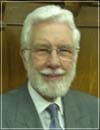
Stephen Hyde

Knowing only Christ and him Crucified

1 Corinthians 2:1-2
Stephen Hyde April, 28 2024 Video & Audio
0 Comments
Stephen Hyde
Stephen Hyde April, 28 2024

The sermon "Knowing only Christ and Him Crucified" by Stephen Hyde addresses the centrality of the crucifixion of Christ in the Christian faith, reflecting the Reformed doctrine of salvation by grace through faith in Christ alone. Hyde emphasizes that the Apostle Paul’s declaration in 1 Corinthians 2:2 underscores the necessity of preaching Christ as the sole subject of focus for believers, rejecting worldly wisdom and rhetoric as ineffective means of conversion. He references 1 Corinthians 1:18-31 to illustrate the dual response to the preaching of the cross, identifying it as foolishness to those who are perishing but as God’s power to those being saved. The significance of the sermon lies in its call for believers to root their understanding of salvation exclusively in Christ's atoning work, reflecting the Reformed emphasis on total depravity and the need for divine grace.

Key Quotes

“For I determined not to know anything among you save Jesus Christ and him crucified.”

“The preaching of the cross is to them that perish foolishness but unto us which are saved it is the power of God.”

“We are lost and ruined in the fall. No hope in ourselves, no hope in our own ability to save our souls.”

“God has chosen the foolish things of the world to confound the wise.”

What does the Bible say about Jesus Christ and Him crucified?

The Apostle Paul emphasized that he determined to know nothing except Jesus Christ and Him crucified (1 Corinthians 2:2), highlighting the centrality of Christ's atoning death in the Gospel.

In 1 Corinthians 2:2, the Apostle Paul makes a profound declaration regarding the Christian message, stating that he resolved to know nothing among the Corinthians except Jesus Christ and Him crucified. This assertion underlines the fundamental importance of Christ's atoning sacrifice as the cornerstone of the Christian faith. Paul recognized that it is through His crucifixion that sinners find reconciliation with God, paving the way for new life and transformation. The preaching of the cross, though seen as foolishness by some, is declared to be the power of God for salvation to all who believe (1 Corinthians 1:18). Thus, understanding Christ's work on the cross is essential for grasping the entirety of the Gospel.

1 Corinthians 2:2, 1 Corinthians 1:18

How do we know the preaching of the cross is powerful?

The preaching of the cross is powerful because it is the means through which God saves those who believe, showing our need for a Savior (1 Corinthians 1:21).

The Apostle Paul asserts that God's method for saving humanity involves what may appear as foolishness: the preaching of the cross. In 1 Corinthians 1:21, Paul explains that in God's wisdom, the world did not come to know Him through its own wisdom, but rather through the foolishness of preaching, God chose to save those who believe. This reflects the divine power inherent in the message of the cross, which addresses the core condition of humanity as lost and in need of redemption. The transformative ability of this message is evident in the lives of believers, as it operates through the Holy Spirit to bring about genuine faith and repentance, resulting in eternal change.

1 Corinthians 1:21, 1 Corinthians 1:18

Why is the concept of the cross important for Christians?

The cross is important for Christians because it embodies the core of our faith: Jesus' sacrificial death that atones for our sins.

For Christians, the significance of the cross cannot be overstated. It represents the ultimate act of love and justice, wherein Jesus took upon Himself the sins of His people, allowing them to be reconciled to God. The Apostle Paul emphasizes this in his determination to know nothing but Christ and Him crucified, signifying that our understanding of God, salvation, and our own righteousness hinges on Jesus' sacrifice. This truth serves as a reminder of our unworthiness and dependence on God's grace for salvation. Furthermore, the cross invites believers to rely on God's strength rather than their wisdom or abilities, reinforcing that salvation is a work initiated and completed by God.

1 Corinthians 2:2, Ephesians 2:8-9

How does the Holy Spirit apply the preaching of the cross?

The Holy Spirit applies the preaching of the cross by transforming hearts and revealing our need for Christ as Savior.

The role of the Holy Spirit in applying the preaching of the cross is crucial to the process of salvation. As Paul notes, the preaching of the cross is not merely an intellectual exercise but carries the weight of divine power aimed at the heart of the listener. It is the Holy Spirit who brings conviction, opening our eyes to our sinful condition and leading us to recognize our desperate need for the Savior, Jesus Christ. This spiritual awakening enables us to grasp the implications of the cross personally, transforming us from being indifferent to seeing it as the source of life and hope. The Spirit's work in applying this truth ensures it penetrates our hearts and produces lasting change, enabling us to live in the light of the Gospel.

1 Corinthians 2:4-5, John 16:8
Sermon Transcript

Auto-generated transcript • May contain errors

100%
May it please Almighty God to
bless us together this morning as we meditate in His holy word.
Let's turn to the first epistle of Paul to the Corinthians and
the second chapter, and we'll read verses one and two. The first epistle of Paul to
the Corinthians, chapter two, reading verses one and two. And I, brethren, when I came
to you, came not with excellency of speech or of wisdom, declaring
unto you the testimony of God. For I determined not to know
anything among you save Jesus Christ and him crucified. that surely is a very plain and
a very clear statement that the Apostle Paul made in writing
this letter to the Corinthians. And we get some insight into
the weight of this subject as he tells us he determined determined
not to know anything among them save Jesus Christ and him crucified. He recognised the relevance,
he recognised the importance of this great and wonderful subject
and therefore his great concern and we can follow it through
as we read the many letters that he wrote to the various churches
and how throughout those letters there was this continued concern
that those who read the words might be moved by the Spirit
of God to be found looking unto the glorious Saviour Jesus Christ
and to recognise that what he had done on his life, in his
life and through his death that there was that wonderful new
and living way which had been brought about whereby unworthy
sinners could approach unto the Majesty on High, our Father in
Heaven, and also to realise that this great and wonderful Son
of God, none less, had come into this sinful world to pay the
price required to take away all our sin. So we realise that the
Apostle knew what he was talking about, knew what he desired.
It wasn't a theory. And he tells us really in this
first verse, he says, Brethren, when I came to you, I came not
with excellency of speech or of wisdom, declaring unto you
the testimony of God. He didn't come in order to try
and impress the people by his glorious phrases or words that
he was able to speak or the eloquence of his words. Not at all. He was only concerned that the
people might be affected through the preaching of the Gospel.
And the preaching of the Gospel was to set forth the Lord Jesus Christ
and Him crucified as the all-sufficient Saviour. Well, we need to bear
in mind the blessedness of such a desire and the importance of
such a desire and to realise it is so important because he
was determined determined he didn't want to know anything
else I didn't tell him not to know anything among you no he
didn't want people to be impressed by his learning he didn't want
people to be impressed by the wonderful understanding he had
of the Old Testament and the wonderful knowledge he had, perhaps
of languages. He wasn't worried about that.
He wanted to preach Jesus Christ and Him crucified. Because he
knew that it's the Holy Spirit applied such teaching, such favour,
It would be for the eternal good of those who heard the great
and wonderful truths. Well, we started our reading
this morning in the previous chapter, the 18th verse. The whole of the Corinthians
is wonderful, but nonetheless, we just started there because
it commences with this statement. For the preaching of the cross
is to them that perish foolishness but unto us which are saved it
is the power of God and again that's a wonderfully clear statement
but it's a question which you and I need to answer before God
as to whether the preaching of the cross is to us the power
of God it's not just an amazing account it is an amazing account
but not only it is an amazing account what it does it has an
effect upon our hearts it's the Word of God and it's applied
to our hearts with power from on high power through the Holy
Ghost it's the application of God's Word to our souls. That's the relevance of the preaching. And so he's able to say, for
the preaching of the cross is to them that perish foolishness. That's a tragic statement, isn't
it? But it's a true statement. And
how many today have heard the preaching of the cross and have
considered it? as irrelevant something which
is foolish they don't want to take on board they don't want
to hear they don't want to listen well says the Apostle yes for
the preaching of the cross is to them that perish those that
are lost those that end up eternally in hell it's meant nothing is
it nothing to you all ye that pass by we read in Jeremiah well
you see what a mercy if these things are truly relevant to
us they're not just words because they come to us and they show
us our need and they lead us to that great salvation which
is to be found in none other than the Lord Jesus Christ and
through his glorious sin atoning death that he did. He paid the price to take away
the sins of his church. My friends, the preaching of
the cross is to them that perish foolishness. You see, all of
us have to answer don't we as to that statement whether the
preaching of the cross is to you and me foolishness we think it's irrelevant we want
to get on with our lives well my friends it's not irrelevant
it is indeed to those who are saved spelled out clearly here
those that are saved is the power of God what does that mean? it
means this it has an effect upon our hearts it's not just words
which go into our mind and we forget but they're words which
penetrate into our heart through the power of God and we recognise
the relevance of them and we recognise the importance of them
and we come and thank God for the glorious Gospel, for the
glorious Word of God and the great truths it contains. from
the very beginning to the very end. They're not vain words. They're necessary words. They're
vital words. They're the Word of God. Well, this morning can we recognise
that the preaching of the cross to me, to you, is the power of
God. It's had an effect. it's touched
us and if it's had an effect and touched us what's it done? it's changed our lives it's changed our desires it's
changed our motives it's shown to us we need a saviour to cleanse
us from all our sins. What a mercy this morning then
if we have the wonderful evidence of God's work in our heart. Work in condemning us, work in
convincing us that we've sinned against God, we've separated
ourselves from God because of our sins. We need to be brought
to Christ. We need to be made nigh. How are we made nigh? Through
the blood, through the shed blood of the glorious death of the
Saviour, the Lord Jesus Christ. Well, the Apostle speaks about
the foolishness and it is so true today. You look around how
foolish people are they turn their back upon the things of
God they have no interest what a mercy if the Holy Spirit has
given us a desire after spiritual things real things the Apostle
tells us he says I will destroy the wisdom of the wise natural
wisdom will never get us to heaven and will bring to nothing the
understanding of the prudent. You see, we may think that we
have a good understanding of the Word of God. We may have
a good understanding of the Word of God, but the great question
is whether the preaching of the cross has entered into our hearts
by the power of God. And that's had the effect Well,
says the apostle, where is the wise? Where is the scribe? Where is the disputer of this
world? Hath not God made foolish the
wisdom of this world? You see how many people there
are who think they can argue against the truth of God. they don't want to have the Lord
to reign over them and therefore they want to justify their own
doings they want to justify their own knowledge and they spend
their efforts and their times showing how able they are being
a disputer the reality is Disputing the
things of God would never change the things of God, because the
truth of God is, as it were, written with an iron pen in a
rock. It is unchangeable. The Word
of God does not move. And what a blessing it is, therefore,
to recognize how wonderful it is. And so says the Apostle,
where is the wise? Where is the scribe? Where is
the disputer of this world? Hath not God made foolish the
wisdom of this world? And it goes on. For after that,
in the wisdom of God, the world, by wisdom, knew not God you and
I cannot know God by natural learning yes it's good to study
the Word of God and I encourage it but just studying the Word
of God will not save our soul and that's why the Apostle says
the world by wisdom knew not God natural wisdom will not bring
us to the knowledge of ourselves as a needy sinner and bring us
to the knowledge of God as a glorious saviour and so we're told the
wisdom of God, the world by wisdom knew not God and then he tells
us to please God by the foolishness of preaching to save them that
believe. God's ordained way. Never think
that preaching is wrong. Never think that it is of no
value. Although sometimes it may seem
to be foolishness, yet may we recognise it is indeed the power
of God. The world by wisdom knew not
God, It pleased God by the foolishness of preaching to save them that
believe. And so perhaps we could ask the
question, has the preaching of the Word touched our hearts? Has it produced a change in our
lives? Have we seen the reality of the
truths that the Word of God contains? how it describes our condition,
lost and ruined in the fall. No hope in ourselves, no hope
in our own ability to save our souls. We have to look out of
ourselves. Out of ourselves. That's why
the Word of God contains such glorious statements as that we
read in the 45th of Isaiah, the 22nd verse. Look unto me. Nowhere else. Look unto me and
be ye saved all the ends of the earth for I am God and there
is none else. It's a very clear statement again. and how wonderful it is when
the Spirit of God comes and turns us away from ourselves turns
us to seek unto the Lord to seek that he may show to us that we
are saved with a great salvation and that salvation is none less
than the sin atoning death of the Lord Jesus Christ. And that's why the preaching
of the cross is so important. And that's why the apostle comes
and tells us he determined not to know anything. He didn't want
to know anything else. He didn't want to know a lot
about the things of time and everything in this world. He
wanted to know nothing save Jesus Christ and Him crucified. Well, what a blessing! Therefore,
if God has come through the foolishness of preaching and enabled us to
believe the Gospel, to believe that the Lord Jesus Christ came
into this world to save sinners, and as the Apostle says, of whom
I am chief what a mercy when God shows to us that we are a
needy sinner before a holy God and it won't matter how much
we try to reform ourselves how much we try to not sin How much
we look to ourself for natural strength. It will not avail. Because we are born in sin and
shaped in iniquity. We cannot free ourselves from
that situation. But we need a Saviour to deliver
us from that condition. And the Saviour is none other
than the Lord Jesus Christ. That's why the Apostle comes
down so positively I determine that was his great
concern not to know anything among you save Jesus Christ and
him crucified and then he explains how people operate in this world
and he speaks about the Jew and the Gentile really he tells us
about their situation he tells us the Jews require a sign and
the Greeks we might classify as the Gentiles seek after wisdom
you see they want something tangible that they can grasp with their
natural minds. The Jews wanted signs. They had signs. There were signs
in the Word of God. The signs of describing so very
clearly and very definitely how Christ would come, how he would
live, how he would die, how he would rise, how he would ascend
into glory, all prophesied and yet you see the tragic scene
is their eyes were blinded they were blind my friends we're no
different by nature we're blind you can
read the Word of God a hundred times and it have no effect but
my friends if the Holy Spirit comes and opens our eyes, what
do we see? Wondrous things in the law of
God. What do we see? The whole plan
of salvation. What do we see? The wonderful
need of Jesus Christ coming and dying upon that cross at Calvary
to take away our sin. Well, what a mercy if you and
I have been blessed with a wonderful revelation of these things. So that we're not like the Jews,
who require a sign. Yes. And the Greeks, who want
wisdom. The Greeks were a clever race. And then look back in history.
and they wanted more and more wisdom but we don't learn we
don't learn the way of salvation through learning we learn it
through revelation we learn it through the power of God speaking
to our hearts that's how we learn and so we are told for the Jews
require a sign and the Greeks seek after wisdom And then we
come to a but. As I've often said, there are
many wonderful and important buts in the Word of God. And
this is one of them. He says in verse 23, but we preach
Christ crucified. He tells us what it's like to
the Jews and the Greeks. To the Jews, it's a stumbling
block. Why? Because they couldn't get their
head round the fact that Jesus was born in a manger in a most
humble way. And he lived a most humble life. And he died a most terrible death. And they couldn't understand
that. They expected Jesus to come as a natural king. He came indeed as the King of
Kings and the Lord of Lords, but they looked for a natural
king. And we have to be very careful
today that you and I don't look for natural revelation, natural
blessings. We need the Spirit of God to
apply his word with power to our hearts. The Jews require
a sign, the Greeks the art of wisdom, but we preach Christ
crucified unto the Jews, a stumbling block, and unto the Greeks, foolishness. so they couldn't analyze it and
come out with a solution satisfactory to their minds and how true that
is today so often you have to perhaps talk to people and you
realize they try and assess things with a natural mind my friends
we can't assess things with a natural eye you and I can't argue naturally
we have to depend upon the Spirit of God to apply the Word and
so the Apostle tells us but unto them which are called now there's
a difference the Holy Spirit comes and calls us and I don't
know whether you've been called but you know whether you've been
called you know whether God has come and called you it's a personal
communication between our souls and God isn't that amazing? the thinking that God the creator
of the universe comes and calls us, speaks to us, but unto them
which are called, and here is the qualification, and here's
the clarification, and here's the evidence, but unto them which
are called, both Jews and Greeks, it doesn't matter where we come
from, Christ, the power of God, and the wisdom of God. You see,
the Blessed Redeemer comes into a completely different character. It's above the things of this
world. And then he tells us, because
the foolishness of God is wiser than men, and the weakness of
God is stronger than men, for you see your calling, brethren. So it's good again to come and
analyse our calling. call from God. You see your calling
brethren, how that not many wise men after the flesh, not many
mighty, not many noble are called. But, again another wonderful
but, God has chosen. Very humbling to think that God
has chosen us. unworthy sinners no better than
anyone else in fact far worse God has chosen the foolish things
of the world to confound the wise God has chosen the weak
things of the world to confound the things which are mighty and
base things of the world and things which are despised hath
God chosen that's a good list isn't it? you and I were brought to a condition
where we realise we are foolish and we are weak and we are based
and we are despised and yet to realise that God in his love
to us which we never deserved has called us has called us and
things which are not to bring to nought things that are and
then he tells us the reason really for this that no flesh that means you
and I are natural person no flesh should glory in his presence
You can't glory because of what you've done, your ability. No, you have to glory in what
Christ has done for you, in your soul, in redeeming you. That's why you see the apostle
wants to know nothing among men save Jesus Christ and him crucified,
because there is all his salvation, And my friends, there is all
our salvation. Nowhere else. Nowhere else. But of Him, are ye in Christ
Jesus, who of God is made unto us wisdom and righteousness and
sanctification and redemption. Christ is made All these things
for His Church, for His people. Isn't that amazing? Isn't it
humbling to think that the Almighty God, the Creator of all things,
the Ruler of the Universe, was made wisdom and righteousness and
sanctification and redemption for us. So that all our salvation,
everything resides not upon what we've done, but upon what Christ
has done. And I hope we have, I know that
natural understanding won't save our souls, but it's good to have
a natural understanding so that if we are wrong, to put us right. to realize that we come then
to the understanding that the apostle comes to when he says,
he determined not to know anything among you, save Jesus Christ
and him crucified. And so, but of him are ye in
Christ Jesus. We're not outside of Christ.
We're in Christ. Amazing, isn't it? Unworthy sinners. Utterly unworthy sinners are
in Christ because He's chosen us. Because He's called us. Because He's redeemed us. It's all of His mercy. It's all
of His grace. It's all of His love. Surely we have great cause to
praise God. But of him are ye in Christ Jesus,
who of God is made unto us wisdom and righteousness and sanctification
and redemption, that, and here's a very important aspect, that
according as it is written, He that glorieth, let him glory
in the Lord. And that means you and I don't
glory in what we've done, but we glory in what Christ has done. What a mercy. Therefore God has
come and revealed himself unto us.
And it's all of grace. It's all of his Wonderful favor
toward us. We don't merit it. We never deserve
it. We never will It's the great
glory of the gospel And surely that is reason That you and I
today if we have an understanding That we have been chosen And
that we have been called to glory in the lord to glory in His work, the wonder of it. And that's why we come down to
the second chapter. That's why the apostle comes
and says, and I brethren, you see, he wants to give God the
glory. And I believe every true believer
wants to give God the glory. Yeah, you're willing to be nothing,
but Christ may be all. and in all. And I, brethren,
when I came to you, came not with excellency of speech. Nay,
it's not the clever words, the way they were able to speak,
or say things, or of wisdom. It's not our natural knowledge
of these things, declaring unto you the testimony of God. He
dispenses those two things which natural man looks at, excellence,
speech and wisdom. But you see, God looks beyond
those things. My friends, those things don't
count with God. And so he tells us, for I determined not to know
anything among you, save Jesus Christ and Him crucified. Well, we ought to ask ourselves
shortly the question, Is that what we determined to know in
our own spiritual life? Jesus Christ and him crucified,
Jesus Christ as that one who has died upon the cross at Calvary
to pay the price to take away our sin. Our sin has to be removed. You and I can never get to heaven
with any sin. and you and I cannot free ourselves
from it. It clings to us. We are full
of sin. Oh, my friends, to think that
Jesus Christ came into this world to seek and to save that which
was lost. And he didn't fail in that great
commission that his father gave him to do and as we can trace
out his life in the New Testament we see how he went about doing
good went about throughout his life cared nothing for himself
desired to do the will of his father and of course finally
to suffer that terrible death of crucifixion you see the Apostle
here He comes and says, He determined not to know anything among you,
save Jesus Christ and Him crucified. Why was that relevant? It was
relevant because the glorious Son of God suffered the most
painful and most humiliating death in order to save our souls. It wasn't as though the Blessed
Saviour just had a heart attack and passed away. No, He suffered. A hymn writer has it when he
says, Yes, He gave His all in order to redeem our souls. What a great and glorious
and blessed Saviour we have. Well, my friends, this morning may it be our real concern to
enter in to the truth of this with this humble determination. We don't have to be a preacher
to come and have a humble determination like this. What a blessing it
is if God gives us this determination not to know anything among you
save Jesus Christ and Him crucified. Amen.
Broadcaster:

Comments

0 / 2000 characters
Comments are moderated before appearing.

Be the first to comment!

Joshua

Joshua

Shall we play a game? Ask me about articles, sermons, or theology from our library. I can also help you navigate the site.
