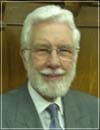
In the sermon titled "Much More Than This World," Stephen Hyde expounds on the theological theme of God's sovereignty and providence, illustrated through the account of King Amaziah from 2 Chronicles 25:9. Hyde highlights Amaziah's reliance on human resources, specifically his employment of Israelite soldiers, which ultimately detracts from God's honor and glory. The preacher makes the point that true strength comes not from man but from God, who is able to provide abundantly beyond human expectations. Scriptural references to God's capability, including His omnipotence and faithfulness, serve to underscore that divine provision is superior to earthly support. The practical significance is that believers are encouraged to trust in God's provision and turn to Him in prayer for both mundane and spiritual needs, affirming that God desires to honor and bless those who seek Him.
Key Quotes
“If we look to man for help, then God does not get the honour and glory.”
“The Lord is able to give thee much more than this.”
“God is in control of every single person in this world.”
“When God does hear and answer prayer, we must give Him the honour and give Him the praise.”
The Bible teaches us to trust in the Lord for our needs, knowing He is able to provide abundantly beyond what we can ask or think.
The Bible repeatedly emphasizes the importance of trusting in God rather than relying on human strength or resources. In 2 Chronicles 25, we see King Amaziah questioning the man of God about the money he spent to hire additional soldiers. The divine response was clear: 'The Lord is able to give thee much more than this.' This crucial lesson illustrates that God desires to be the source of our strength and assistance, demonstrating His power to provide for us in ways that exceed our expectations. By placing our trust in God, we acknowledge His sovereignty and allow Him to receive the honor and glory due to His name.
2 Chronicles 25:9
God's ability to provide abundantly is affirmed in scripture, showing His infinite power and willingness to bless His people.
Throughout the Scriptures, we find numerous affirmations of God's ability to do exceedingly abundantly above all that we ask or think. In Ephesians 3:20, Paul encourages believers by stating that God can work in ways beyond human comprehension. Furthermore, in 2 Chronicles 25, we find God's assurance to Amaziah that if he submits to God's will, He is able to grant victory and provision far exceeding what is sought from human means. This biblical foundation assures us of God's omnipotence and His desire to bless His people when they trust in Him rather than in their own understanding.
Ephesians 3:20, 2 Chronicles 25:9
Honoring God is vital for Christians because it acknowledges His sovereignty and goodness, leading to blessings and guidance in life.
Honoring God is central to the Christian life as it reflects our recognition of His sovereignty and holiness. The principle found in 1 Samuel reminds us that those who honor God will be honored in return. This reciprocal relationship not only draws us closer to God but also positions us to receive His blessings and guidance. When we rely on our insights or abilities rather than God's direction, we risk missing His best for our lives. Therefore, honoring God with our decisions, prayers, and actions fosters a deep relationship with Him, leading to a life that glorifies His name.
1 Samuel 2:30
In difficult situations, we should turn to God in prayer, trusting Him for guidance and support.
Facing difficult situations is a common experience, and the Bible instructs us to approach these challenges through prayer. As seen in the account of Amaziah, when faced with a daunting battle, he was counseled to trust in God rather than relying solely on his earthly resources. In prayer, we lay our concerns before God, acknowledging our need for His wisdom and intervention. The assurance that God will provide and strengthen us allows us to face life's uncertainties with confidence. We should remember that God invites us to cast all our cares upon Him, for He cares for us deeply.
Philippians 4:6-7, 1 Peter 5:7
Comments
Your comment has been submitted and is awaiting moderation. Once approved, it will appear on this page.
Be the first to comment!
