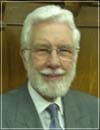
In Stephen Hyde's sermon titled "The Calling of Zacchaeus," the main theological focus is the personal and effectual call of Jesus to sinners, epitomized through the interaction between Christ and Zacchaeus in Luke 19:5. Hyde articulates how Jesus, in His sovereign grace, calls Zacchaeus from his elevated position in the tree, illustrating the necessity for individual repentance and a personal relationship with Christ as a cornerstone of Reformed theology. The preacher discusses the implications of the phrase "make haste and come down," emphasizing the urgency of responding to Jesus' call, and references Scriptures that affirm God's knowledge of individuals (citing Psalm 139) as a means of stressing that God’s call is personal and effectual. The significance of this teaching lies in its affirmation of the doctrine of election and the assurance that salvation comes to those whom God chooses, illustrating the grace bestowed upon sinners, regardless of their past conduct, encapsulated in the proclamation of salvation that Jesus makes to Zacchaeus.
“Zacchaeus wasn't to dilly-dally. He wasn't to make any excuses. The Lord said to make haste.”
“Real religion is personal. You and I can't go to heaven on our parents' religion.”
“When God speaks, it has an effect. Man can speak and it has no effect, but when God speaks, it has an effect.”
“What a mercy, an inestimable mercy, a mercy beyond the things of this natural world.”
The Bible teaches that God's call is personal and effectual, as seen in Luke 19:5 when Jesus called Zacchaeus to come down from the tree.
Luke 19:5
Salvation is personal as it requires individual recognition of Christ's call, as seen in the experience of Zacchaeus.
Ephesians 2:8, Luke 19:5
Understanding God's sovereignty assures Christians of His ultimate control and purpose in their lives.
Romans 8:28, Luke 19:5
Auto-generated transcript • May contain errors

Comments
Your comment has been submitted and is awaiting moderation. Once approved, it will appear on this page.
Be the first to comment!