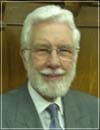
The sermon "The Lord hath Done Great Things for Us" by Stephen Hyde addresses the theological theme of God's deliverance and salvation, emphasizing the joy and transformation experienced by believers. Hyde draws upon Psalm 126:3 to highlight the notion that the Lord has performed remarkable acts in the lives of His people, specifically in transforming their spiritual state from captivity to freedom. The preacher supports his arguments with various Scripture references, including the deliverance of Peter in Acts 12, and Isaiah 12, illustrating God's faithfulness and His ability to provide joy even in difficult circumstances. The practical significance of the sermon rests in the assurance that God's work in the believer's life results in genuine gladness and comfort, affirming the believer's identity in Christ as they navigate spiritual and earthly trials.
Key Quotes
“When the Lord turned again the captivity of Zion, we were like them that dream.”
“It puts God high and lifted up just like Isaiah saw him, and it puts us in our right place, low in the dust at his feet.”
“Salvation is of the Lord. He couldn't produce it himself.”
“You see, the true believer has two lives, a natural life and a spiritual life. And both of those lives need food.”
The Bible illustrates God's deliverance as a profound act of grace, as seen in Psalm 126, where He turns captivity into joy.
The Bible speaks extensively about God's deliverance, particularly in Psalm 126, which celebrates His power to restore and free His people. The psalmist recounts a time when God turned again the captivity of Zion, resulting in overwhelming joy among His people, expressing, 'The Lord hath done great things for us; whereof we are glad.' This deliverance is not limited to a historical context but serves as a metaphor for spiritual liberation from sin and bondage, exemplifying the work of Christ who delivers us from our sins and brings us into a relationship with God. Just as God physically liberated the Israelites, He spiritually liberates believers, granting access to joy and freedom through His grace.
Psalm 126:1-3
Acknowledging God's greatness is crucial as it puts our lives and struggles in proper perspective, reminding us of His sovereignty and mercy.
Recognizing and meditating on the greatness of God is fundamental for any believer. It humbles us before Him and elevates our understanding of who He is and what He has done for us. The sermon highlights that God knows our every thought and need, reflecting His omniscience and involvement in our lives. Acknowledging God's greatness allows us to see our position in relation to Him and fosters a sense of gratitude and humility. As we reflect on His attributes, it stirs within us a desire to worship and proclaim His deeds among others. This perspective is essential not only for our spiritual growth but also for our understanding of grace in the midst of life's challenges.
Isaiah 6:1, Psalm 126:3
Spiritual freedom is experienced through recognizing our dependence on Christ and His redemptive work in our lives.
Experiencing spiritual freedom is a vital aspect of the Christian faith, which is articulated beautifully in the sermon through the metaphor of captivity and deliverance. Just as the psalmist rejoiced in God's restoration of Zion, believers can find liberation from spiritual bondage through the merits of Jesus Christ. This freedom is realized when we understand that our prayers and access to God come through Christ alone. The process involves a deep recognition of our state of captivity due to sin, followed by the realization that deliverance and spiritual liberty are gifts of grace from God. By turning our hearts and minds toward Him, submitting to His will, and relying on the Holy Spirit, we experience the joys of freedom that come from a vibrant relationship with God.
Psalm 126:4, Ephesians 2:8-9
Comments
Your comment has been submitted and is awaiting moderation. Once approved, it will appear on this page.
Be the first to comment!
