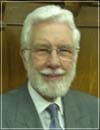
The sermon by Stephen Hyde focuses on the integrity of the Gospel as preached by the Apostle Paul, particularly in the context of his ministry to the Thessalonians. Hyde articulates that Paul’s bold proclamation of the Gospel was marked by authenticity and a lack of deceit, drawing from 1 Thessalonians 2:1-4. He references Paul's past suffering in Philippi, emphasizing the trials faced in service to God, which serve to validate the genuine nature of his message. By contrast, Paul’s commitment was solely to please God rather than seeking the approval of men, highlighting the significance of preaching with integrity as part of the Reformed understanding of the calling of a minister. This underscores the doctrinal principle that true ministry must reflect a commitment to God’s truth rather than human approval.
Key Quotes
“We were bold in our God to speak unto you the gospel of God with much contention.”
“Our exhortation was not of deceit, nor of uncleanness, nor in guile.”
“Even so we speak, not as pleasing men, but God, which trieth our hearts.”
“There is no greater privilege than being put in trust with the Gospel.”
The Bible emphasizes that the true Gospel is rooted in God's authority and is delivered without deceit or guile.
According to 1 Thessalonians 2:1-4, the Apostle Paul stresses that his preaching of the Gospel was not in vain but was empowered by God. He highlights that their approach was honest, free from deceit and uncleanness, and focused solely on delivering the truth of God's message. This foundational perspective underscores the integrity of the Gospel ministry, which must reflect God's character and truth. The Apostle's experience in Thessalonica, following his suffering in Philippi, further illustrates that sharing the Gospel involves both divine calling and the willingness to endure challenges for God's glory.
1 Thessalonians 2:1-4
Preaching the Gospel is crucial as it is the means through which God reveals His truth and calls individuals to salvation.
Preaching the Gospel is of utmost importance for Christians, as articulated by the Apostle Paul in his letter to the Thessalonians. He emphasizes that being entrusted with the Gospel is a profound privilege. This trust denotes a divine commission, not merely a human endeavor. The act of preaching conveys God's message to humanity and is integral to the spiritual awakening and transformation of lives. This is evident in the testimony of conversions in places like Philippi, where God worked through persecution to spread His Gospel. A true Gospel witness does not seek to please men but aims to be faithful to God, which often involves facing opposition and hardship.
1 Thessalonians 2:1-4
The doctrine of God's calling is validated by the consistent scriptural testimony of His guidance and empowerment for ministry.
The truth of God's calling is evidenced throughout Scripture, as seen in the Apostle Paul's own experience. In 1 Thessalonians 2:1-4, Paul acknowledges that he was 'allowed of God to be put in trust with the Gospel.' This affirmation shows that God's calling is not only a matter of personal conviction but is underscored by divine validation. Historical accounts of God's servants, like Paul, who responded to God's call despite facing opposition and suffering, provide further assurance of its truth. The experiences detailed in Acts complement this understanding, illustrating the power of God's calling to transform lives and spread His message, assuring us that this doctrine is based on God's unchanging purpose and promise.
1 Thessalonians 2:1-4, Acts 16:9-34
Comments
Your comment has been submitted and is awaiting moderation. Once approved, it will appear on this page.
Be the first to comment!
