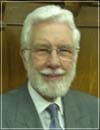
In the sermon "Sin Taken Out of Sight," Stephen Hyde focuses on the theological doctrine of God's mercy and forgiveness as illustrated in Psalm 103:10-12. He emphasizes that God does not deal with His people according to their sins but shows them immense mercy, as vast as the distance between the heavens and the earth. Hyde supports this by referencing several Scriptures, noting that as far as the east is from the west, God removes transgressions from those who fear Him. The practical significance of this message lies in the assurance of redemption and the call for believers to bless God for His boundless grace and mercy rather than succumb to despair over their sinfulness, thereby reinforcing fundamental Reformed doctrines concerning salvation and the nature of God.
Key Quotes
“He has not dealt with us after our sins, nor rewarded us according to our iniquities.”
“For as the heavens are high above the earth, so great is his mercy toward them that fear him.”
“As far as the east is from the west, so far has he removed our transgressions from us.”
“What a mercy it is to know that the Lord takes our sins, every sin, every sin. Not one is left.”
The Bible teaches that God's mercy is great and transcends our sins, as shown in Psalm 103:10-12.
Psalm 103 vividly illustrates the depth of God's mercy. It reminds us that God has not dealt with us according to our sins or rewarded us according to our iniquities. Instead, His mercy is as high as the heavens above the earth, reflecting an overwhelming grace that reaches out to all who fear Him. This mercy is central to the Reformed understanding of salvation, highlighting that despite our sinfulness, God offers forgiveness and restoration through Jesus Christ. It emphasizes that God's mercy is not only a one-time event but a continuous presence that allows sinners to find hope.
Psalm 103:10-12
According to Psalm 103:12, our sins are removed as far as the east is from the west.
The psalmist declares that God removes our transgressions from us as far as the east is from the west. This poignant imagery serves to illustrate the complete separation of our sins from us when we are cleansed by God. In Reformed theology, this removal is a significant aspect of justification, where Christ’s sacrifice pays the penalty for all our sins. The completeness of this act ensures that no sin remains to condemn us, allowing believers to live free from guilt and shame. This profound truth encourages us to rejoice in our identity as forgiven and redeemed individuals in Christ.
Psalm 103:12
Redemption is essential because it signifies that Christ paid the price for our sins, allowing us to be reconciled with God.
Redemption stands at the heart of the Christian faith, emphasizing that we have been bought with a price—the blood of Christ. This theological underpinning illustrates that without redemption, we remain enslaved by sin and unable to stand before a holy God. The Apostle Paul articulates this beautifully in Galatians, where he writes that Christ has redeemed us from the curse of the law. Through His sacrificial death, believers are washed, sanctified, and justified, which is a monumental blessing that reinforces our confidence in God's mercy and grace. Understanding redemption allows Christians to appreciate the depth of God’s love and motivates us to live lives that glorify Him.
Galatians 3:13, 1 Corinthians 6:20
Comments
Your comment has been submitted and is awaiting moderation. Once approved, it will appear on this page.
Be the first to comment!
