Bootstrap
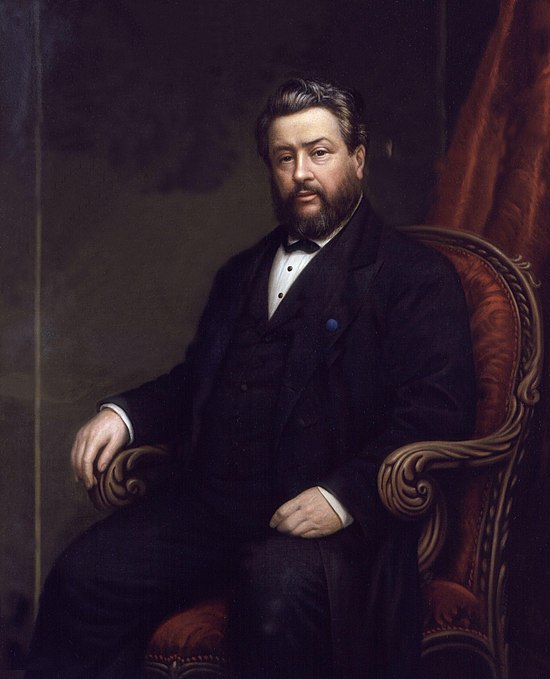
Charles Spurgeon

Oh the sense of pardoned sin!

Psalm 103:1-3; Romans 4:7
Charles Spurgeon January, 19 2026 Audio
0 Comments
We highly suggest that you READ the TEXT at the link below, as you listen to the audio above.

https://gracegems.org/2026/oh_the_sense_of_pard...

Feel free to FORWARD this gem to others!

C. H. Spurgeon's sermon, "Oh the sense of pardoned sin," primarily addresses the profound doctrine of divine forgiveness and the holiness of God. He emphasizes that it is remarkable for an utterly holy God to forgive sinful humanity, referencing Psalm 103:1-3 and Romans 4:7 to illustrate God's character as both just and merciful. Spurgeon elaborates on the consuming nature of God's holiness, which makes His act of forgiveness astonishing, considering humanity's depravity and corruption. He underscores the necessity of casting away human righteousness and relying solely on the atoning sacrifice of Christ for redemption, ultimately affirming the incredible depth of God's grace and mercy in the believer's life. The practical significance lies in the believer's response of praise and assurance of forgiveness, urging them to rejoice in their liberation from sin.

Key Quotes

“The most wonderful aspect of this verse is the attribute of God which David selects for special praise… you find it written holy name.”

“How abhorrent is your depravity in His sight, and yet He does not smite you.”

“You must cast all your splendid righteousness onto the rubbish heap, right along with all your heinous iniquities.”

“If indeed the royal pardon has been sent to you from the court of heaven, then you may heartily sing, Praise the Lord, O my soul.”

What does the Bible say about forgiveness of sin?

The Bible teaches that God forgives all our sins, showcasing His holiness alongside His mercy.

According to Psalm 103:1-3, God forgives all our sins, highlighting the remarkable nature of His forgiveness. This is particularly profound given God's holiness; He is a righteous and just God who cannot look upon iniquity. The astonishing reality of forgiveness comes from the atoning sacrifice of Christ, which reflects His unspeakable love. In forgiving our iniquities, God demonstrates both justice and mercy, allowing us to be freed from our sin and become reconciled with Him.

Psalm 103:1-3, Romans 4:7

How do we know God's forgiveness is true?

God's forgiveness is true as it stems from His unchanging nature of holiness and mercy.

We can be assured of God's forgiveness because it is consistent with His character. While God is holy and cannot tolerate sin, He also embodies mercy and grace. Through the sacrifice of Jesus, our sin is washed away, affirming that God's forgiveness is not merely a superficial act but a profound work that satisfies His justice while extending His love to us. This paradox of justice and mercy is at the heart of God's redemptive plan, ensuring we are truly forgiven when we place our faith in Christ.

Psalm 103:1-3, Romans 4:7

Why is understanding God's holiness important for Christians?

Understanding God's holiness is crucial as it underscores the gravity of our sin and the wonder of His forgiveness.

God’s holiness is a foundational attribute that affects all other aspects of His character. Recognizing that God is 'Holy, Holy, Holy' creates an awareness of our own sinfulness and depravity. When we grasp the depths of our guilt in light of God's holiness, we can better appreciate the miracle of His forgiveness. This understanding fosters genuine humility and gratitude, reminding us that we cannot earn His love; instead, we are wholly reliant on His grace and mercy through Jesus Christ, who atoned for our sins.

Isaiah 6:3, Psalm 103:1-3

How does God's mercy relate to His holiness?

God's mercy complements His holiness, allowing Him to forgive sins while remaining just.

God's holiness necessitates justice against sin, while His mercy allows for forgiveness. These attributes work in tandem through Christ's atoning sacrifice. God cannot simply overlook sin due to His holiness; instead, He provided a means of reconciliation through Jesus, who took on the penalty we deserved. Therefore, God's mercy is not a contradiction to His holiness but a profound expression of it. When we understand this dynamic, we see the depth of God's love and the incredible gift of grace we receive through faith in Christ.

Romans 3:26, Psalm 103:1-3

Sermon Transcript

Auto-generated transcript • May contain errors

100%
Oh, the sense of pardoned sin. By Charles Spurgeon.

Psalm 103, verses 1 through 3. Praise the Lord, O my soul, all my inmost being, praise His holy name. Praise the Lord, O my soul, and do not forget any of His benefits, who forgives all your sins.

The most wonderful aspect of this verse is the attribute of God which David selects for special praise. all my inmost being praise his holy name. You might have expected to read gracious name or merciful name, but you find it written holy name. Indeed, this is the emphatic point of the text, that an impeccably holy God would forgive our sin.

He is a holy God, righteous, just, and pure, who cannot look upon iniquity, whose fury burns against evil, Therefore, it is astonishing that He should forgive our iniquities. To accomplish this wonder, the miracle of the sin-atoning cross was wrought by His unspeakable love.

You must have a true idea of that holiness which is like a consuming fire, that holiness which even angels cannot gaze upon, but of which they sing, Holy, Holy, Holy, Lord God Almighty, The whole earth is full of His glory. You have but to gain a glimpse of that unutterable perfection, and you will abhor yourself in dust and ashes. And then you will marvel to think that the thrice-holy God should have spared your guilty soul.

How abhorrent is your depravity in His sight, and yet He does not smite you. What are you but a mass of corruption? and yet the infinitely pure One has considered you in love? What are you but a sink of impurity, and yet the all-holy God has looked upon you in compassion?

While you were rotting away with the leprosy of sin, the Lord visited you in pity to show that there was nothing good in you to earn His redeeming love, while you still had your thinking perverted. your affections polluted, and your desires depraved. Even while you were full of the sinful plague of your own heart, God says to you, I have forgiven you.

In your confessed guiltiness, the holy God will forgive your sin by an act of both justice and mercy. Plead your guiltiness and say, Lord, pardon my iniquity, for it is great. You must cast all your splendid righteousness onto the rubbish heap, right along with all your heinous iniquities, and the ever-flowing stream of Christ's sin-atoning blood will wash it all away.

You must cast all your prayers, your charities, and your good works on the same rubbish heap as your sins, You might have tried to sort them a little, but one is so much like the other that you must fling all your good works and all your bad works overboard and swim to glory on the sin-atoning cross.

Though God is glorious in holiness, He is also glorious in mercy and grace. Do you sincerely trust in the sin-atoning sacrifice of Jesus to save you? then every grain of your sin is as far removed from you as the east is from the west. He has hurled the whole of your sin into the unfathomable depths of his ocean of mercy.

Oh, the sense of pardoned sin! If indeed the royal pardon has been sent to you from the court of heaven, then you may heartily sing, Praise the Lord, O my soul, all my inmost being, praise His holy name. Praise the Lord, O my soul, and do not forget any of His benefits, who forgives all your sins.
Charles Spurgeon
About Charles Spurgeon
Charles Haddon Spurgeon (19 June 1834 — 31 January 1892) was an English Particular Baptist preacher. His nickname is the "Prince of Preachers."
Broadcaster:

Comments

0 / 2000 characters
Comments are moderated before appearing.

Be the first to comment!

1
Joshua

Joshua

Shall we play a game? Ask me about articles, sermons, or theology from our library. I can also help you navigate the site.