The worst sin--the most damning sin!
Luke 18:9-14; Titus 3:5
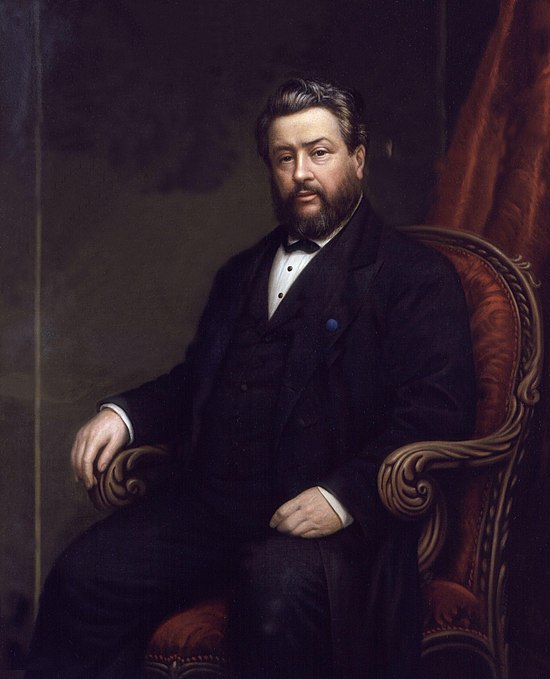
Self-righteousness is condemned as the worst and most damning sin in the sermon preached by C. H. Spurgeon, emphasizing its blasphemous nature as it equates oneself with God's holiness. Spurgeon argues that self-righteousness constitutes idolatry, where the individual places faith in their own works instead of God's grace, and it is also a form of profanity that contradicts God's proclamation that none are righteous. He uses Scripture references, including Luke 18:9-14, which illustrates the humility of the tax collector versus the pride of the Pharisee, and Titus 3:5, which stresses salvation through God's mercy rather than human merit. The practical significance of this message is profound, as it underscores the necessity of recognizing one's own sinfulness to truly receive the grace offered through the Gospel; without acknowledging their spiritual poverty, individuals remain excluded from the hope of salvation.
“Self-righteousness is utter blasphemy. God is holy. Here comes this base imposter and boasts, and I am holy too.”
“Self-righteousness is idolatry, for the man who imagines himself to be righteous by his own works worships himself.”
“To such as are righteous in themselves, there is not a single syllable of promise in the entire gospel.”
“Heinous sins have damned their thousands, but self-righteousness has damned its tens of thousands.”
Self-righteousness is condemned in the Bible as a form of idolatry and blasphemy against God.
Romans 3:10, Titus 3:5
The truth of self-righteousness is established in Scripture and seen through its destructive impact on the soul.
Romans 3:10-12, Luke 18:9-14
Recognizing self-righteousness is crucial for Christians because it leads to true humility and reliance on God's grace.
Luke 18:9-14, Romans 3:23
Auto-generated transcript • May contain errors

Comments
Your comment has been submitted and is awaiting moderation. Once approved, it will appear on this page.
Be the first to comment!