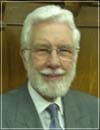
In his sermon "Mighty to Save," Stephen Hyde examines the profound truth of God’s redemptive power as depicted in Isaiah 63:1, where the Savior is described as “mighty to save.” He articulates how this proclamation reflects God's character throughout both the Old and New Testaments, drawing parallels between historical deliverance examples, such as the Israelites' exodus from Egypt and the spiritual liberation offered through Christ. Hyde emphasizes that God's might is not limited to physical salvation but extends to spiritual redemption, thereby encouraging believers to trust in God's ability to save, regardless of their situation, citing examples like the conversion of Saul of Tarsus and the Philippian jailer. The sermon stresses the doctrinal significance of recognizing Jesus as the ultimate Savior, who intercedes for believers and whose love compels Him to save even the greatest of sinners.
“How gracious it is to have such a God and then to have the wonderful evidence that this God has stretched out his hand to save us.”
“What is the remedy? Mighty to save. To look, not to a brazen serpent, but to look to the Lord Jesus Christ.”
“The Son of Man is come to seek and to save that which was lost.”
“Let us never limit our God. Never think that anything is too hard for our God.”
The Bible proclaims that salvation is through the Lord Jesus Christ, who is mighty to save.
Isaiah 63:1, Hebrews 7:25
We know God is mighty to save through the historical events in Scripture and the transformative power of Christ in our lives.
Exodus 12, Exodus 14, Acts 16:30-31
Faith is crucial for salvation because, according to Scripture, we are called to believe in Jesus Christ for our salvation.
Romans 10:9, Ephesians 2:8-9
Jesus saves unto the uttermost means that He fully and completely saves those who come to Him, regardless of their past.
Hebrews 7:25, Acts 9:1-19
Auto-generated transcript • May contain errors

Comments
Your comment has been submitted and is awaiting moderation. Once approved, it will appear on this page.
Be the first to comment!