Bootstrap
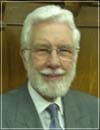
Stephen Hyde

20 - True And False Prayer

Matthew 6:5-8
Stephen Hyde June, 6 2017 Audio
0 Comments
Exhortation to pray, not as the hypocrites, but in faith.

Sermon Transcript

Auto-generated transcript • May contain errors

100%
May I please God to bless us
together as we continue our meditation in the sixth chapter of the Gospel
of Matthew as part of the Sermon on the Mount. And this evening
we'll read from verses 5 to verses 8. So Matthew chapter 6 and reading
from verse 5 to verse 8. And when thou prayest, thou shalt
not be as the hypocrites are, for they love to pray standing
in the synagogues and in the corners of the streets, that
they may be seen of men. Verily I say unto you, they have
their reward. But thou, when thou prayest,
enter into thy closet, and when thou hast shut thy door, pray
to thy Father, which seeth in secret, which is in secret, and
thy Father, which seeth in secret, shall reward thee openly. But
when you pray, use not vain repetitions, as the heathen do, for they think
that they shall be heard for their much speaking. Be not ye
therefore like unto them, for your Father knoweth what things
ye have need of before ye ask him. So as we continue in this
Sermon on the Mount, we see that the Lord again is speaking to
those who are hypocrites and gives direction as to how we
should pray. Previously we've spoken about
almsgiving. And again, the Lord spoke there
against, so much against those who did it just to prove how
wonderful they were really and to attract attention. And so
the Lord here comes and directs us to really a far more solemn
situation because here we have the evidence of people praying,
or at least pretending to pray. There is of course a great difference
between praying and pretending to pray and how important it
is in our lives that we are found amongst those who do pray and
that we pray from our heart and we're not concerned about what
people think. Because this is what the Lord
was speaking against here. And he said, when thou prayest,
thou shalt not be as the hypocrites are. And what were the hypocrites? What did they want? Well, we're
told, they loved to pray standing in the synagogues and in the
corners of the streets. corner of the street in those
days was an important location with two streets crossed over
and obviously an eminent position and therefore these Pharisees
they would be found standing there praying and also then standing
in the synagogue and praying but they weren't praying really
to God, they were praying to themselves. And what were they
really doing? Well, they were mocking God. And it's a very
solemn consideration, isn't it? To think that there is that approaching
unto the Almighty God, and yet not doing so. Because there's
no real faith, the heart is not in it, It's just pure a form
of words, just to satisfy the conscience on one hand, and on
the other hand, to be thought well of by other people. Well, our great need, of course,
is to be thought well of by God. It matters not what people, therefore,
think of us. And so the Lord tells us in these
words, as he spoke to disciples in a multitude, when thou prayest,
Thou shalt not be as the hypocrites are, for they love to pray standing
in the synagogues and in the corners of the streets, that
they may be seen of men. Verily I say unto you, they have
their reward. And what a sad reward it is. It's not a reward from God. It's
not an answer to their prayers because they were probably not
concerned really about receiving answers. All they wanted to do
was to be seen and observed by men and therefore considered
as a very righteous person. The whole purpose, of course,
in prayer is to receive answers to our prayers and to acknowledge
the goodness of God toward us and to come with true thankfulness
in our heart. And therefore, let us realize
that such words here are words of warning. We should not think,
well, of course, we're not a hypocrite. It's very easy to be a hypocrite.
It's very easy to not pray rightly. It's very easy to pray wrongly.
And sometimes, if we analyze that carefully, we can look at
our prayers, and we do not receive answers. The Word tells us, because
we ask amiss, that means ask wrongly, that we may consume
it upon our lust. And so, as we pray, how necessary
it is that God gives us a right motive in our prayers. And you
know, that's not as easy as it sounds, because our hearts are
deceitful above all things, and not only that, but are desperately
wicked. Who can know it? There is that
within us. There's that wretched sinful
heart and the pride of life which creeps to the surface. And those
of us who perhaps accord upon to pray publicly, you know, sometimes
the devil will come and say, well, that was a good prayer.
Well, it may have been a good prayer to us, but it may not
have been in the sight of God. See, God looks at the heart.
So how important it is that we are aware of this and recognize
the warning that we have in such a verse as this. And not therefore
to seek reward of men, but to receive answers to our prayers
from Almighty God. And then the Lord gives us this
advice, but thou And he's really speaking here in opposition to
that which is a boastful condition. He's speaking in opposition to
that and advising us that when our prayers enter into thy closet,
And when they have shut thy door, pray to thy Father which is in
secret, and thy Father which seeth in secret shall reward
thee openly. Of course, he's not speaking
here against public prayer, because we know there were those wonderful
public prayers we can read of in the Word of God. Solomon and
David and Ezra and so forth, very wonderful prayers. But really,
it's just speaking against those who pray just to be seen in men.
It's not speaking against those who are praying publicly and
seeking the good and the favor of God. But it is, therefore,
an encouragement to us to realize that we are to pray in this way
as though we were praying in secret to our God. We're not
praying to an audience. We're praying before our God.
And therefore, may it be when we do pray publicly, it's as
though we're praying secretly, because it's prayer between our
God and ourselves. And so here we have this testimony
of the Lord speaking to us, that we should therefore speak in
this way, and not seek the honor of men, but seek the honor of
God. And therefore, to enter into the closet, that really
means in a secret place, where God sees, God hears our cries,
and they are observed and answered. And we can think of the illustration,
perhaps, of that when we think of the parable of the Pharisee
and the publican. Well, we see the Pharisee described
there at some length in what he was like. We also see described
what the publican was like. He didn't expect to be seen to
men. He wasn't there with a boastful
spirit. The very opposite. He smote upon his breast and
cried out from his heart, God, be merciful to me, a sinner. He was effectively praying in
secret. And we're told, I tell you, this man went down to his
house justified rather than the other. So what a good thing it
is, isn't it? If God gives us that spirit of
prayer so that we do go down to our house justified rather
than the other. And then the Lord also comes
and says, but when you pray, use not vain repetitions as the
heathen do. for they think that they shall
be heard for their much speaking." Well, again, that's words of
wisdom, isn't it? And as we think of the example
and the words of encouragement, we can think of the words the
Lord spoke through the Apostle James when he said to him about
the effectual fervent prayer of a righteous man and how good
it is if we're able to understand the truth of that. And he comes
in those words and he starts by saying, confess your faults
one to another and pray one for another. that ye may be healed. The effectual fervent prayer
of a righteous man avoneth much. It gives us an example about
Elijah who was a man subject to like passions as we are. That should be an encouragement
to us. We look into our hearts and we see so much sin and evil
there. To think that a godly man like
Elijah was a man subject to like passions as we are, and he prayed
earnestly that it might not rain, and it rained not on the earth
by the space of three years and six months. And he prayed again,
and the heaven gave rain, and the earth brought forth his fruit. Well, there we have the example
of Elijah. And of course, on the same occasion,
we have the example of those who prayed to Baal. The false
God. They were praying, but they were
praying to a false God. And they kept on repeating, O
Baal, hear us. O Baal, hear us. But you see,
there was no true God. Baal wasn't a God. And they prayed
in vain. And we must not pray in a similar
way, just vain repetition, hoping that through our much repetition,
our prayers will be heard. Because, as we read on in this
next verse, the Lord says, And the Lord gives us the reason
for that. For your Father knoweth what
things ye have need of, before ye ask him. See, we have a great
God who knows all about us, but we are told that we are to inquire
of God. He says, I will be inquired of
the house of Israel to do these things for them. And therefore,
we are to pray and we are to seek. And always we are to seek,
if it is the Lord's will, but we do know that God knows what
we have need of. That's a comfort, isn't it, in
itself. That as we come to God, and if we come to God rightly,
with right motives, seeking for His honour and for His glory,
we can believe that our prayers will be heard and our prayers
will be answered. And therefore, may you be encouraged
this evening by these few verses which speak how we should not
pray and then how we should pray. See, the Word of God doesn't
leave us in a negative situation. It gives us the positive side. And we do know that we do have
a God who hears and answers prayer. How many, many examples throughout
the Word of God, from Genesis to Revelation, of those who prayed
to the Lord God Almighty through the intercession of the Lord
Jesus Christ and their prayers were accepted in the Beloved. So may God give us a right view
in our prayers to come boldly unto the throne of grace that
we may find help in time of need and there are many times of need
that we all have and may our prayers be to this end that Christ
might be lifted up that he might be honoured and glorified, our
souls may be drawn out unto him in love and affection, for his
great love wherewith he has loved us. May God instruct us and bless
his word. Amen. Let us now conclude our service
by singing hymn number 133.
Broadcaster:

Comments

0 / 2000 characters
Comments are moderated before appearing.

Be the first to comment!

Joshua

Joshua

Shall we play a game? Ask me about articles, sermons, or theology from our library. I can also help you navigate the site.