Bootstrap
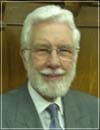
Stephen Hyde

My Grace Sufficient For Thee

1 Peter 4:12-13; 2 Corinthians 12:9
Stephen Hyde June, 5 2016 Audio
0 Comments
'And he said unto me, My grace is sufficient for thee: for my strength is made perfect in weakness. Most gladly therefore will I rather glory in my infirmities, that the power of Christ may rest upon me.' 2 Corinthians 12:9

Sermon Transcript

Auto-generated transcript • May contain errors

100%
Let's now turn to the word of
God and the second epistle of Paul to the Corinthians and chapter
12 and we'll read verse 9. May it please God to bless our
meditation this morning. So Corinthians, the second epistle,
chapter 12 and verse 9. And he said unto me, my grace
is sufficient for thee. For my strength is made perfect
in weakness. Most gladly, therefore, will
I rather glory in my infirmities that the power of Christ may
rest upon me. There are many important texts
in the Word of God. and there are many things that
we need to consider carefully and to realize that the life
of a true Christian is spelt out very clearly in the Word
of God. But many people seem to forget
the reality of the Christian religion. The Christian religion
is one which is wonderful to observe and wonderful to be blessed
with. But we should remember that our
Christian religion is one that is leading us through this life
to our eternal home. And therefore we should not concentrate
on the things of this world, and especially you children and
young people today, with what potentially may be a long life
ahead of you, we don't know of course, but the important thing
is that you understand and we all understand that great exhortation
to set our hearts and affections upon things above and not on
things on the earth. Now the Christian pathway is
such that the Lord will deal graciously with his people to
instruct them in that way, so that they recognise the truth
of God's Word and to enter in, in some way, to the experience
of the children of God set forth in the Word of God. And one of
those very clear testimonies is that which we read here this
morning of the Apostle Paul. And the Apostle Paul, he speaks
to us of the wonderful blessing which he had. In the first few
verses of this chapter he refers to it in the third person, speaking
as though it was somebody else, but quite clearly it was, in
reference to the Apostle, how he was wonderfully blessed. The
truth is that the Lord God, he always balances these things
in our lives. And if God does come and favour
us with blessings, now, we will be thankful if they're indeed
our spiritual blessings, and they may be natural blessings,
you know. And you young people, the Lord
may bless you with good exam results, and you should be very
thankful for it. But you should realise that,
first of all, it's God that's given you the ability to do that.
And you should never look to yourself and think, well, I've
done that. You've only done it because of
the ability that God has given you. And we always should be
concerned, therefore, to acknowledge the Lord's goodness to us in
helping us with exams. Now, that doesn't mean to say
that we're always going to be successful. Sometimes the Lord
brings into our lives failure, and those things of failure are
there for instruction. And what a favour it is that
failures may bring more blessing to us than perhaps success. We perhaps sometimes pray to
God for a specific thing and we might expect God to hear and
to answer that prayer. Well, we can be sure of this,
that God does hear and answer prayer, but God doesn't always
answer it in the way we expect it. When we pray, we usually
expect God to answer it in a positive way and say yes. But there are
those occasions when God answers it in a negative way and says
no. But God has heard and God has
answered those prayers on those occasions. And we need, therefore,
when we pray to God and to seek for direction and to seek for
blessing, to examine how the Lord is leading us and how the
Lord is directing us. And we might think, well, I'm
disappointed because that prayer hasn't been answered. Well, you
need to examine it perhaps more carefully to see whether God
in fact has answered it, but not in the way that you expected.
He's answered it in a negative way. That doesn't mean to say
it's a wrong answer. Indeed, we can be very sure it's
a right answer. And therefore, what a favour
it is to realise that God is then dealing with us and he's
hearing our prayers and he's answering our prayers, but not
in the way that we expected. Now that's really just like the
case of the Apostle Paul here, where we read of the problem
he had. We're told the reason why he
had this problem. And the reason why he had the
problem was this. He says, unless I should be exalted above measure,
that means he would become big-headed. He would become proud of his
wonderful blessings that God had given him. and again just
transferring that back to natural things sometimes you see God
may give us wonderful blessings naturally and then there might
be difficult things come into our lives and the reason is God
gives a balancing effect and that's just what Paul received
here he says unless I should be exalted above measure through
the abundance of the revelations that was given to me a thorn
in the flesh, the messenger of Satan, to buffet me, lest I should
be exalted above measure." Now it's a great blessing to realize
that God is dealing with us as his children. He's not leaving
us to just carry on in a proud way and to, as it were, stick
out our chest and realize what a great person we are, how clever
we are, how able we are to do this or that. You see, if we
are a true believer, then the Lord would deal with us to bring
this balancing effect upon us so that we are brought down to
a right level. And you know that level will
really be a humble level, to be humble before God. And then you see, the Lord will
use you and me in our lives. The Lord doesn't use proud people. He uses people who are humble,
and those people have been made humble by his Spirit. Well, here we have then this
position of the Apostle Paul, where he tells us the reason,
and he tells us what happened. He had this thorn in the flesh.
Now, we don't know what that is. We know what a thorn is,
and we know that if that thorn is pushed into our flesh it's
jolly painful, isn't it? We're all familiar with that.
And the first thing we want to do is to take the thorn away,
don't we? Well, thankfully, usually we
can do that quite easily. But here the Apostle had this
thorn. It's just an illustration, of
course, it's not the actual fact. It wasn't a physical thorn. But
it was something which was painful. Painful to his flesh, we can
assume that. It was painful to his natural
life. And he wasn't very happy with it. He disliked it and he
wanted to get rid of it. And we're told it was a messenger
of Satan to buffet him. Now, you know, if you are buffeted,
if you can think of that in a physical way, with being buffeted by one
thing or another, you know, it's not a happy experience. Well,
here was the apostle and he asked then that this might be taken
from him. And he didn't ask once. He didn't
ask twice, he asked three times. He said, for this thing I besought
the Lord thrice and we can believe that the Apostle did pray. He
did pray faithfully and he did pray from his heart that it might
depart from me. Well, what was the result? How
did God answer him? Or did God ignore him? Well,
God did not ignore him, God did answer him. And he answered him
in this really, what we might perceive as perhaps a strange
way, but in actual fact it was a very wonderful way and a very
blessed way. And the answer was this, my grace
is sufficient for thee. My grace. Now, what is grace? Well, I've told you several times,
I'm sure, But grace is the unmerited favour of God. Now just think
of that, you young people. It's something which we don't
merit, and it's something which God gives to us. Right? The unmerited favour of God. That is grace. Now it's a tremendous
blessing if God gives you and me that. Something that we didn't
deserve, but something which he bestows upon us. My grace,
says the Lord to the Apostle Paul. My grace. Paul, my grace. My favour to you is sufficient
for thee. That's what you need. And that's
what I'm giving you. I'm not responding to the situation. I'm not taking away that thorn
that I've given you. You see, we have to remember
that all the difficulties and the trials in our life, God brings
there. God brings there. We don't just
bump into these things. We don't just suddenly find they're
there. You see, God ordains them. And God ordained this for the
Apostle's spiritual good. And what was he able to say? Well, we come on. But first of
all, the Lord continues by saying, for my strength is made perfect
in weakness. You see, the apostle Paul was
to appreciate God strengthened him and to understand that God
helped him when the apostle was weak in himself. Not when he
was strong in himself, not when he thought he was self-sufficient,
not when he thought he could get on without God. It was when
he was brought down, down to a low place because of this infirmity,
because of this thorn in the flesh. It brought him down to
a place of weakness. Now then, in that place of weakness,
what was he doing? He was reliant on his God. Now that's a great blessing.
If you and I are brought down in our own strength, and the
Word of God tells us this, He weakened their strength in the
way. God's people weakens our natural
strength. He weakens perhaps our spiritual
strength. So that we realize that, first
of all, we can't keep alive our own soul. We need God to do it. We need God to help us. In that,
we need God to help us naturally. And so here was this great statement
to the Apostle, for my strength, that's God's strength, is made
perfect in weakness. Directs us, doesn't it, to the
great support and comfort and help the Lord gives. Now what
was the response to that? How did the apostle respond to
that? Did he say, well, I'm not very
happy with that. I really expected my prayers
to be answered in a different way to that. How did he respond? And it's a wonderful blessing,
you know, if you and I can respond in a similar way in our lives.
What does he say? Most gladly. Most gladly, therefore,
will I rather glory in my infirmities, that the power of Christ may
rest upon me." He was very glad to receive such a word from God. He hadn't received the answer
that he expected, but the truth was he received a much greater
answer because The answer that he received brought with it eternal
blessings, eternal blessings. And so here we have the Apostle
then in this situation referring to that which he'd been granted,
the grace of God, the grace of God, that grace which he would
prove was sufficient and that grace which he would prove would
be sufficient. And my friends, can we bless
God today because this truth is as true today for each one
of us as it was for the Apostle Paul in his day. And may we this
morning try to be thankful to God. And there is such a wonderful
statement, a wonderful truth to encourage us so that as we
may have prayed for certain things, And we may have been looking
for answers, and we may have felt, well, I believe I was blessed
with spiritual prayer, and yet I haven't received the answer
that I expected. Well, perhaps you have received
the answer, but perhaps it hasn't been in the way that you expected. But may you be able to look,
and perhaps the Lord will bring to pass that, which will be a
wonderful favour and blessing, and you will be able to say,
yes, I come now, and what am I doing? I'm relying upon my
God. I'm having to relinquish all
my own ability, perhaps relinquish all our own learning, all our
own understanding, all our own strength, and to come simply
casting all our care upon God with that humble belief that
he cares for us. Now, the Lord cared for the Apostle
Paul. The Lord was dealing very graciously
with the Apostle Paul. And we look back, don't we, on
the life of the Apostle. There he was, walking so contrary
to the way of God, so at odds, so at enmity with the truth of
God, and doing everything possible to stop people believing in the
Lord Jesus Christ. But the Lord graciously and gloriously
had mercy upon Paul. My friends, that's the great
blessing that you and I need to experience in our lives. The
mercy of God toward us. We may have been, we may be today,
following our own life. Following our own life. And remember,
the Apostle Paul, he thought he was doing God's service. He
thought he was serving the Lord. In actual fact, he was serving
the devil. My friends, how easy it is. to be taken up with these
things and think we're serving the Lord and perhaps we're serving
the devil. It's a very important consideration,
isn't it? But the Lord didn't throw the
Apostle overboard, did he? He didn't cast him away. He dealt
with him in love to his soul. And what wonderful blessings
the Apostle was granted. And what wonderful revelations
the Apostle was granted. On the other side we see that
he had to be totally dependent upon the help of God. And we've been, as most of you
know, have been going through the Acts of the Apostles and
we've seen there on so many occasions how the Apostle was delivered,
how the Lord came and helped him, how the Lord came and blessed
him. But there were many, many situations
which he came into, which were very difficult, very hard, but
the Lord was with him, and the Lord appeared for him, and the
Lord strengthened him, and the Lord blessed him. Now we have
such a good and gracious example in the word of God to encourage
us today, as it's now our turn to walk upon this earth. But
what a blessing it is to come into this position and realise,
as it was with the Apostle, that perhaps our prayers haven't been
answered in the way that we expected. But, bless God, if he's dealing
with us as his children, and he's blessing us with this wonderful
grace, my grace is sufficient for thee, and my strength is
made perfect in weakness. Now the effect of that was to
make the apostle willing, willing to submit himself to his God. And he tells us, as we read together,
therefore I take pleasure in infirmities, in reproaches, in
necessities, in persecutions, in distresses. Now there's a
qualification for all this. And it's this, for Christ's sake. That was the qualification. You
see, we should not just take pleasure in perhaps infirmities
or reproaches or difficulties if it doesn't have this section,
this addition, this positive condition. For Christ's sake. Because when the Lord enables
us to do his will, to follow his direction, to obey his word,
and we then find that we are having to suffer such difficulties,
infirmities, reproaches, necessities, persecutions, distresses, and
if then the Spirit of God alerts us to the reason It's for Christ's
sake. This will put things right. This
will put things in a right perspective. And that's why the apostle was
able to come and say, for when I am weak, then am I strong. And these situations bring us
down, bring us down. They lower us in our own estimation. They humble us. And the great
blessing is, it brings us to a Christ-like spirit. Now it
is if for Christ's sake. This is the great important point
in our lives. And we have to examine ourselves
to see which side of the line we stand on, because some people
might come to a wrong conclusion, that they are having a difficult
life, and well, it's a difficult life because, well, that's how
it is. Well, it's a good thing if we
are able to analyse it and to realise that it's for Christ's
sake, that Christ has brought these things into our lives,
into our lives, to humble us and to weaken us and to make
us dependent upon the Saviour the Lord Jesus Christ, and of
course, importantly, to make Christ precious, to make him
a living reality to us, not just some person in history, just
not some figment of our imagination, but to be blessed with union
and communion with the Lord Jesus Christ. Well, that's what the
Apostle was blessed with. That's why he tells us, therefore
I take pleasure in these things, because they were working together
for his spiritual good. They were bringing him nearer
to Christ. Nearer to Christ. The things
of this world generally take us away from Christ. But the
things of the Spirit will bring us nearer to Christ. And that's
what the Apostle Paul is explaining here, and testifying for our
encouragement. And yet you see, again, there's
a real balance in the life of the Apostle. And it's good to
have a right balance. The Apostle didn't suffer from
mock humility. And we have to be aware of that,
don't we? that people don't pretend to be humble when they're not. They put on a long face and wear
special clothes and they all think, well, you know, this is
very wonderful. Well, you see, the Apostle wasn't
like that. And he tells us, he says, I have
become a fooling glory. You've compelled me. For I ought
to have been commended of you, for in nothing am I behind the
very chiefest apostles, though I be nothing." Now you see the
apostle recognises how God has graciously blessed his work.
Although he's nothing in himself, he realises that God has blessed
him and he tells us, in nothing am I behind the very chiefest
apostles. He was an honest man. The truth
is that such statements like that, it's a very balanced statement,
because the Apostle directs us to the truth that God had been
with him, had blessed him, he didn't deny it, and we mustn't
deny it. If God has blessed us, and God
has helped us, and God has encouraged us, we mustn't deny it, we must
acknowledge it. But on the other hand, he was
able to tell us that in himself he was as nothing. nothing. Now that's the right balance.
And it's a wonderful thing if God gives you and me that balance. And I believe it will come about
In this way, as the Apostle tells us here, my grace is sufficient
for thee, for my strength is made perfect in weakness. It
was the Lord's gracious dealings with him that made him honest
and made him give both sides of the situation. And not to
concentrate on one side, but to give a fair analysis. And it's important, is it not,
in our lives today to do just that. You know, it's very easy
to forget, to honour and to glorify our God. It's very easy to home
in on our infirmities and to not realise that God is bringing
those things into our lives so that his name may be lifted up
and so his name may be honoured and glorified. Because he goes
on and he tells us, The signs of an apostle were wrought among
you in all patience, in signs and wonders and mighty deeds."
Well, we should be thankful today that we have such a statement
as this. And as we may bless God that
these words are so true, my grace is sufficient for thee, and it
is, and we should be thankful for it, but there is a working
out of it, and we need to recognise the working out of it. And the
working out of it must be for the honour and glory of our God,
so that we are brought low and Christ is exalted, and Christ
is lifted up. And we desire to praise and bless
our glorious Saviour for what He's done, for His mercy toward
us, for His love toward us, for His compassion toward us, for
the revelations that He's given to us. Now, no doubt there won't
be probably like the revelations that the Apostle had, but nonetheless,
my friends, if God's light, his glorious light of the Gospel,
has shone into our hearts, And that light has revealed ourselves
as a terrible sinner and has revealed Christ as a glorious
Savior. You know, what a blessing that
is. And is that not great reason to praise and bless our God for
that which He has done for us? And again, that which we could
not have done for ourselves. How clear is the evidence then
of God's work? It's something which super abounds
and does that which you and I couldn't do for ourselves. And it may
be that God's work has appeared to you and to me in unusual situations,
unusual circumstances, unusual times. God does things in his
way. And it is so that you and I come
to that conclusion, as for God, his way, is perfect. He has a
right way to deal with you and me. And it is a personal way. And isn't that amazing that God
should condescend not to group us all together and deal with
us as a big community, no, but to come down and graciously come
and touch each one's heart and deal with each one. Bring us
down in our own estimation. bring up Christ in our desire
to exalt Him. It's all of His grace. It's all
of His work and how wonderful it is therefore that we observe
His grace to us in these things. And to be able to have the evidence
that Christ hasn't actually in fact answered our prayer in the
way that we thought, or at least perhaps more pertinently the
way that we wanted. You know, it's true, is it not,
in our lives. We've got plans. And we want
God to work to those plans. You young people, you may have
plans today. You may want God to work to those plans. But let
me tell you this. God has a plan. And God's plan
is always superior to our plans. And God has a plan which you
and I will walk in. You may not want to. You may
fight against it. You may rebel against it. But
listen to the words, my grace is sufficient for thee. And my
friends, God gives us that grace then to walk in his plan. and what a good path it is, what
a good way it is. Not only will it be a blessing
to us in this life, it'll bring us safe home to glory. God has
a perfect plan for all his people. Our plans are so imperfect, aren't
they? You see, God looks at the end. God knows the end from the
beginning. You and I only know the beginning.
We don't know the end. And what a mercy, therefore,
if you and I are able to come and to commit ourselves into
the mighty hand of God. My grace is sufficient for thee."
Now, of course, the apostle wasn't the only person to be able to
explain that. And the apostle Peter tells us
very similar words in his first epistle. And he tells us about
not being surprised at the fiery trial that was to try us. And he tells us this in the fourth
chapter of the twelfth verse. He says, Beloved. You know, it's
good, isn't it? The Apostle speaks such words. And you see, God speaks such
words. He speaks like that to his people. Beloved. We are loved
of our God. And therefore this is a word
to the Church of God, Beloved, think it not strange concerning
the fiery trial, which is to try you, as though some strange
thing happened unto you. You know the Apostle might have
been tempted to think some strange thing was happening unto him.
No, my grace is sufficient for thee. It wasn't strange things,
it was things which were ordained by Almighty God, and therefore
the Apostle Peter tells us to think it not strange. Concerning
a fiery trial, now then, you can imagine, can't you, that
a trial, we perhaps understand what trials are, they're difficulties
in our lives, they're temptations, and this adjective is added,
fiery. That means it's going to be pretty
hot. It's going to be difficult to
endure. It's going to be hard to pass through. So the Lord
deals very graciously, but he brings us sometimes into little
trials and sometimes to large trials. And here the apostle
speaks of it as a fiery trial, which is to try you. What does
that mean? It is to test our religion. Be thankful that God
tests your religion. Be thankful he doesn't leave
you just to soldier on in your own way. Thank God that he tests
the reality of our religion. And so here it is concerning
a fiery trial which is to try you as though some strange thing
happened unto you. You might think, well, This is
just something really remarkable and something which I don't think
anybody else understands, but it may not be in the detail of
it, but it will be in the generality of it. Because God's people are
caused to walk through these trying trials, these fiery trials,
to test us and to try us. And not be surprised and not
think as though some strange thing happened unto you. And
the Apostle then gives a wonderful reason. Isn't it good that we
have these reasons? We don't have to just absorb
a statement without reasons. And the reason is this. And again,
very similar words to the Apostle Paul, but rejoice. Rejoice. Why? In this fiery trial? Yes, rejoice. inasmuch as ye
are partakers of Christ's sufferings." Now this means to be united to
Christ. This means to have union with
Christ. This means to understand in some
small measure what Christ endured for us. for that great price
the Saviour paid in shedding his precious blood upon the cross
to redeem our souls, the Lord grants us the privilege of passing
through these fiery trials so that we are partakers of Christ's
sufferings. That when his glory shall be
revealed, ye may be glad also with exceeding joy. It's a rejoicing, it's exceeding
joy to have the evidence that Almighty God is dealing with
us as His children. And He's giving us these blessed
evidences that come through these times of thorns in the flesh
or fiery trials to bring us nearer to Christ. And it's because our
gracious God is dealing with us. He's dealing us in this way. so that we are not allowed to
settle down comfortably in this poor old world. It's to reveal
to us that this is not our rest, it is polluted, but that there
is a rest that remaineth to the people of God. And that is that
glorious rest in heaven itself. And so the Apostle comes and
tells us here, but rejoice in as much as ye are partakers of
Christ's sufferings, that when his glory shall be revealed,
ye may be glad also with exceeding joy. And then he tells us, if
ye be reproached for the name of Christ, happy are ye. If you are reproached. Well,
you know, if we hide our light, If we pretend we're not a Christian,
then you see there won't be any reproachment, will there? It's very easy to pretend we're
not a Christian. When I was a boy at school, I
used to pretend that I didn't know anything about the things
of God. And it was a very dishonorable
thing, wasn't it? I'm very ashamed of it now. But
you see, it's very easy to pretend this way. And therefore, there
wasn't any reproach, there wasn't any difficulty. But you know,
if we honour our God, if we proclaim whose we are and whom we serve,
then we can expect to be reproached, to be opposed. People speak against
us. But what does Peter say? but on your part he is glorified."
Well, what a blessing it is then to find that you and I are united
to Christ. And if you and I are united to
Christ, then surely the evidence is, like we have here in the
life of the Apostle Paul, like we have here in the word that
the Apostle Peter brings before us, And you know the Apostle
Peter lived a very different life to the Apostle Paul. He
was a very outgoing character, wasn't he? He was a very volatile
character, was the Apostle Peter. But you know the Lord graciously
blessed him, and although he was left to deny the Saviour
those three times, having relied on his own strength. Let's not
forget that. You see, Peter, he said to the
Lord he would never deny him. In actual fact, he would die
for him just a few hours later than he was. Denying the Saviour
with oaths and curses on three occasions. How necessary it is
that we should never rely upon our own strength. And that's
what the Apostle was blessed with here. The grace of God. And to realise that his strength
was made perfect in weakness. You see, the Apostle Peter was
relying on his own strength. But we realise that God graciously
blessed the Apostle Peter, and indeed we know the effect. When the Saviour looked upon
him, having spoken so grossly against the Lord, when the Lord
turned and looked upon him, what was the effect? He went out and
wept bitterly. You see, he couldn't just forget
what he'd done. There was true repentance, there
was true sorrow for his sin. And it's a blessing if you and
I are blessed with that godly repentance, to be truly sorrowful
for our sins, to truly weep before God. And it wasn't just a mere
tyranny, he went out and wept bitterly for the denial that
he'd done. Well, he was to prove the Lord's
grace was sufficient for him. And my friends, the whole Church
of God prove this great and wonderful favour. My grace is sufficient
for thee. And as the Lord deals with us
in our lives, as he will, to humble us and to bring us down,
to realise, yes, it is so that Christ might be honoured and
glorified in our lives. That's the great, wonderful blessing,
isn't it? That all these things are brought
about so that Christ may be lifted up, and Christ may be honoured,
and Christ may be exalted. And you see, when the Blessed
Lord deals with us in love to our souls, we will be so thankful. It is for this great purpose.
And he hasn't left us, and he hasn't forsaken us, but he's
been so very kind and very gracious to us. And so although the Apostle
besought the Lord to take away this thorn in the flesh, we find
that the Lord didn't do that, but the Lord blessed him greatly
instead. He brought him near to himself. He made him willing to suffer
for Christ's sake. What a difference that was. What
a blessing. What a confirmation of God's
favour towards the Apostle. Well my friends today, may you
and I be blessed with the same evidence that God is dealing
with us in love to our souls as perhaps We haven't received
the answers that we were seeking, but we received a much greater
blessing in this. My grace is sufficient for thee,
and my strength is made perfect in weakness. Amen.
Broadcaster:

Comments

0 / 2000 characters
Comments are moderated before appearing.

Be the first to comment!

Joshua

Joshua

Shall we play a game? Ask me about articles, sermons, or theology from our library. I can also help you navigate the site.