Bootstrap
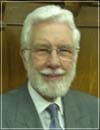
Stephen Hyde

Passover - Egyptians and Israel

Exodus 11:7
Stephen Hyde October, 26 2014 Audio
0 Comments
Stephen Hyde
Stephen Hyde October, 26 2014
But against any of the children of Israel shall not a dog move his tongue, against man or beast: that ye may know how that the Lord doth put a difference between the Egyptians and Israel.

Sermon Transcript

Auto-generated transcript • May contain errors

100%
May it please God to bless us
this morning as we consider his word together. Let's turn to
the book of Exodus chapter 11 and we'll read verse 7. The book of Exodus chapter 11
and reading verse 7. But against any of the children
of Israel shall not a dog move his tongue. against man or beast,
that ye may know how that the Lord doth put a difference between
the Egyptians and Israel." We've read together this morning
in this part of the book of Exodus the occasion leading up to the
destruction of all the firstborn of the Egyptians, not only the
people but of all their cattle. And this also was to bring about
the wonderful deliverance of Israel and it also brought about
the institution of the Passover and all that the Passover really
means and how it sets before us the wonder of redemption,
the wonder of the redemptions for the blood of the Lord Jesus
Christ. We also see the great sad situation
relevant to Pharaoh, and indeed all the Egyptians, because how
clearly over quite some time they had had proof to them that
there was a God in Israel. But their hearts were hardened,
Pharaoh's heart was hardened, that he would not let the children
of Israel go. And yet there had been those
very clear evidences of God's wonderful appearing and the miracles
which he had performed. And we clearly observe from this
that we need the Spirit of God to come and to touch our hearts,
because it matters not really what tremendous things we may
observe in the world, God's great judgments, unless the Lord touches
our heart, we will remain unaffected. We will not recognise it is the
hand of God. We will just think it's some
unusual, some great occurrence which has occurred. But the Lord
here, in this situation, develops the position so that there would
be that clear evidence that there would be a difference between
the Egyptians and Israel. And of course, there was to be
a great difference. And that difference is still
true today. And it's true today in this way. It's between those who are God's
children and those who are not. There is a great and wonderful
difference. And all of us here this morning
We are on one side or the other. We might be on the side of the
Egyptians or we might be on the side of the Israelites. Well, it would be a blessing
for us today if we have the evidence that we are amongst those upon
whom God has looked and upon whom God will indeed have a favour. And so we see that the Lord spoke
to Moses in a very strong and direct way. And the Lord said,
yet will I bring one plague more upon Pharaoh and upon Egypt,
and afterwards he will let you go hence. And so they were told
to borrow of the Egyptians silver and jewels of gold. And the Lord
gave the people favour in the sight of the Egyptians. And so
they were able to take all these natural goods from the Egyptians
and we read and Moses said thus saith the Lord about midnight
I will go out into the midst of Egypt and all the firstborn
in the land of Egypt shall die from the firstborn of Pharaoh
that setteth upon his throne even unto the firstborn of the
maidservant that is behind the mill and all the firstborn of
peace, and there shall be a great cry throughout all the land of
Egypt, such as there was none like it, nor shall be like it
any more." Well, I'm sure naturally we can understand. If you try
and think today, that was to happen in our country. If the
firstborn in every household was to die at midnight, all the
firstborn animals was to be slain. Can you imagine, can't we? Every household crying out, doors
opening, windows opening, people crying their heart out because
the eldest one had died. Would be a very, very amazing
scene, wouldn't it? What it was to be, A very, very
amazing scene in Egypt. To think of all those great cries. Great cries. Every household,
not one exempt. What an occasion it was. But Moses is told, but against
any of the children of Israel, shall not a dog move his tongue,
against man or beast. And the Lord uses that illustration
because we are perhaps familiar with dogs who are very quick
to bark, especially at night time when everything is quiet,
if a noise is heard or the evidence of someone arriving, dogs bark. I'm sure we're very familiar
with a dog barking and it's told here Shall not a dog move his
tongue? Won't even move his tongue. There
won't be any attacks upon any of the Israelites or any noise
made. That in itself was a clear evidence
that God was with the children of Israel. And it was this purpose
which was being worked out that ye may know how the Lord doth
put a difference between the Egyptians and Israel. It's God that puts that difference. And it would be a wonderful blessing
for us today if we are able to observe that God has put a difference,
a difference as it were between us and the world. And when I use that word us,
I really mean those whom the Lord has called those in the
Lord in whose heart he's worked so that there is a difference
and there is a vast difference and it is an eternal difference
and the reason it is eternal is quite simply this if God has
spoken if God has called us we are possessors of the gift of
God We are possessors of the wonderful favour of eternal life. And this, of course, is something
that we cannot give to ourselves. It's only that which we have
received from the good hand of our God, the great blessing of
eternal life. And it is a difference which
is so great, it's really beyond our comprehension. Because that
difference doesn't just relate to something occurring in our
lives. It is not as though we're just living in a different way,
or perhaps wearing different clothes, or eating different
food, or being found in a different country. It's far more extensive
than that. There is an eternal difference,
and that eternal difference is that God has given us eternal
life. Now, Pharaoh and all those Egyptians
were not blessed like this. Pharaoh had seen God's hand go
out against them and his heart was hardened. And we have to observe that judgments
didn't sway Pharaoh. He'd observed the greatness of
God. He was not moved by it. And it
would be a very sad and very solemn thing in your life and
my life if we have observed God's work, God's deliverance, God's
mercy, and yet has not had any real effect upon our heart. And we found that our hearts
remain hard, remain unmoved, and in fact, they're hardened
against God. Our reaction is to turn against
God and to rebel against God and to be against His ways and
against His laws. We are an enmity to God. Now, by nature, every one of
us is against God. Every one of us are born against
God. We're born in sin. and we're
shapen in iniquity and our nature rebels against God. Now, if we are like the Egyptians,
we shall remain like that and we shall die like it. It'll mean
that we die without God. We die without the knowledge
of God as a saviour. We may perhaps recognise there
is a God but we won't realise the blessing of it in our souls. And so here we have this clear
statement here that there would be that difference and that we
may know, that ye may know how the Lord doth put a difference
between the Egyptians and Israel. Now the great difference which
we can read of in the twelfth chapter is this. The Passover was instituted. And what did the Passover signify? We read it in that last verse.
We read together in that 13th verse. And we read this, And
when I see the blood, I will pass over you, and the plague
shall not be upon you, to destroy you. That's the great answer. That's the great difference.
And that was what the Egyptians lacked. There was no blood upon
them. There was no blood over them.
They were not under the blood. And therefore, there was no safety. When the avenging angel came,
he destroyed all the firstborn. But in Israel, there was that
perfect safety of those who were under the blood. When I see the
blood, I will pass over you." Now, that was true for all the
Israelites. And my friends, today, that great
statement, and it is a great statement, is true for you and
for me. If the Lord Jesus Christ has
died for us, this will be a true statement. When I see the blood,
I will pass over you. That's how we have this word
pass over. This wonderful occasion in the
history of the world, when the Lord instituted this occasion,
the Passover, when the avenging angel passed over the firstborn,
all those who were under the blood. And it's really the same
today. In our lives today, it's when
we are under the blood. What does that mean? It means
this, when the Lord Jesus Christ has shed his blood so that we
might receive that gift of eternal life. There is a safety and it's
in what Christ has done for his church and there's no safety
anywhere else. And you and I, my friends today,
are lost, eternally lost, unless we are under the blood. That's the difference that you may know. However, the
Lord doth put a difference between the Egyptians and Israel. Well,
do you know, do I know today, that difference in our hearts? Do we know that God has done
that for us? He's made that difference and
it is an eternal difference. The Word of God tells us here
that ye may know how the Lord doth put a difference between
the Egyptians and Israel. It's not therefore something
which is just a statement. It's something that The people
of God who are of the true Israel, spiritual Israel, they are made
aware of this in their hearts. They do know, they do have the
evidence that the Lord has died for them. That's the difference. He shed their blood, His blood,
that they might be forgiven, that they might be redeemed. That is the difference. That
is the vital difference. It is so, so needful that you
and I are on the right side and that we do know, that you may
know, well we may ask ourselves the question this morning. Do
we know? Do you know? Do I know? It's
not something that you can do without knowing. There's a lot
of things in this world that we have today We don't need to
know about. We might think that we want to
know about them. Many things are not important
because they just pass away. They're not important, but this
is very important. Just think of this night. This
night in the history of the world. Wasn't it important that there
was blood on the doorposts and the lintels? Wasn't it important? Well you know it was. And I'm
sure if I asked you the question, was it important? You would say
yes of course it was important. If there was no blood placed
upon the doorposts and lintels then there would be death. If
there was blood then life would be spared. Was it important then? Yes it was. Is it important today? We know that we are under the
blood. Yes it is. It's very important
for every one of us to know that we are indeed under the blood.
Because this statement is such that you may know. You may know. It's something we want to know. Well do you want to know it?
Do you know it? There may be the difference.
You may say, yes, I do know it. Bless God for that. You may say,
you want to know it. Bless God for that. But my friends,
don't be amongst those who don't want to know. Because you see, those who were
not blessed with this vital knowledge, those who were not under the
blood, they were slain. There was no life. There was
no alternative. There was no escape. No, and
there wasn't a question of saying, well, we forgot to do that. We forgot to put the blood. There
was no excuse. There was no escape. The only
possible way of being delivered was to have that blood placed
upon the doorposts and the lintels. And it is very important that
we understand where that blood came from. We have in this account
a very great and a beautiful picture. And the account and
picture is of this lamb taken. The God's servant Moses, he told
them He said, this month shall be unto you the beginning of
months. We might say this, it was the beginning of knowledge
of the great plan of salvation. It was really a wonderful symbol,
a wonderful picture of the life and death of the Lord Jesus Christ. Now up to this time, the history
of the world, there had been those sacrifices which had been
given, those animals slain, the bloodshed, the offering, the
burnt offering made and the ascension of the good smell to Almighty
God. But here we have, as it were,
it's spelt out in a much clearer picture, a much clearer picture
for Israel. Now I know of course that we
today can look back and understand the picture and probably the
Israelites would not have had by any means the same blessed
view that we have today. But nonetheless it was a picture
for them and the picture was this. They had to take a lamb
for the first year and it was a lamb which as far as they could
see was without fault. There was no spot in it. It was
a lamb, a pure lamb, and there was nothing wrong with it. And
therefore they were to take that which was as pure as they could
find. And what were they to do with
it? Well, they were to kill it. They
were to kill it in the evening. And when they killed it, there
was the blood that was shed. Blood was spilt. No doubt there was that cut mine
enslaving it to penetrate the arteries so that the blood flowed
out. And it was that blood which was
taken And what did that blood signify? The blood signified
that death had occurred. That was a real reason for blood. And, you know, if you and I didn't
have, if we lost our blood, we wouldn't live, would we? We need
blood to live. No blood, we die. And therefore
the animal, the lamb was slain. The blood flowed. The blood was
shed. The animal died. And then it
was that blood, evidencing that the animal had died and was taken
and placed upon the doorposts and the lintels. Now, that lamb
was the signification of the only way of being saved. You see, unless the lamb was
taken, unless the lamb was killed, unless the blood from the lamb
was taken, Unless the blood was put on the doorposts and lintels,
there was no safety. There was only safety through
that. And so there was this picture. They had to take the Lamb. And
so, what do we see in that? Well, the picture is this. The
Lamb represents the Lord Jesus Christ. And we do read many occasions
in the Word of God the Lord Jesus Christ spoken of as the Lamb,
the Lamb of God. In John's Gospel, the first chapter,
John the Baptist said, Behold the Lamb of God that taketh away
the sin of the world. Now that was very significant
because the children of Israel, having offered up the Lamb on
that Passover night, and of course other lambs throughout the year. They would have been familiar
with that figure. And now they were told, here
is the Lamb of God, the Lord Jesus Christ. So we have here,
in this Passover night, the symbol of the Lord Jesus Christ as the
Lamb. The Lamb who was indeed spotless. And we know, don't we, a lamb
is very It's very mild, isn't it? A lamb is not aggressive
at all. Some animals are aggressive,
aren't they? A lamb is not aggressive at all. And it's good, therefore,
to recognise that we have this great and wonderful symbol setting
forth the Lord Jesus Christ as that lamb. And of course, Isaiah,
in his prophecy, he speaks about that in the 53rd of Isaiah. He speaks about this lamb, he
says, and he was wounded for our transgressions, and all we
like sheep have gone astray. And he was oppressed, he was
afflicted, yet he opened not his mouth, he is brought as a
lamb to the slaughter. There's a picture in the 53rd
of Isaiah of the Lord Jesus Christ. He is here then described like
this, so he is brought as a lamb to the slaughter and as a sheep
before her shearers is done so he opened not his mouth. So the
picture which we have here in this Passover follows through
and this lamb was to be taken. Now what happened to the lamb?
Was the lamb then just cast aside? Was it got rid of? No. It had
to be roast in the fire. It had to be roast in the fire. Remember these words, that ye
may know how the Lord hath put a difference between the Egyptians
and Israel. And this was part of that difference. The difference was that the children
of Israel had to take this lamb Slay this lamb, take of the blood,
put it on the doorpost and lintel, and then roast the lamb. And
you might say, well why did they have to roast it? They had to
roast it because it set forth the sufferings of the Lord Jesus
Christ. Because it was as though he was
roast in the fire of the wrath of God. to atone for the sins
of his people. That's why the lamb on this Passover
night had to be roast in the fire. And then, what did Israel
do? They had to partake of that lamb. They had to eat the flesh. They had to partake of it. You
might say, well, what is the significance of that? well we
perhaps turn to the 6th of John where we read these words except
ye eat the flesh and drink the blood of the Son of Man there
is no life in you so we have this picture going back to the
Passover night when Israel were to know the difference between
themselves and the Egyptians was that they were to be partakers
of this Lamb, this Lamb of God. And of course, it was this Lamb
that brought to them this deliverance and this freedom. When the blood
was shed, put upon the doorposts and lintels, there was safety
then under the blood. So surely we have here then a
wonderful picture of the Lord Jesus Christ who was slain himself,
who did shed his most precious blood. And we read in the Hebrews,
it's only through the shedding of blood that there is the remission
of sins, there is forgiveness. It's the only way that the Lord
God ordained that life had to be given. And so on this occasion,
on this Passover night, and it was a very blessed night for
Israel, It was a very sad night for the Egyptians. Now it will
be a wonderful thing in our lives, won't it? If we have a very blessed
night when the Lord comes and reveals himself to us. When we
realise in our lives there has been this God-given
difference. between us and the world, between
those for whom Christ has died, between those for whom Christ
has shed his precious blood, between those who have been partakers
of the Lamb of God, who have observed by faith what the Lord
Jesus endured in his agony in enduring the wrath of God, roast
in the flame of God's wrath. The significance and the picture
is very great and very good and very glorious. And so there were
these very clear instructions to Israel. They were told to
take this lamb, should be without blemish, first year, And to keep
it until the fourteenth day of the same month, and the whole
assembly, the congregation of Israel shall kill it in the evening.
And they shall take of the blood, and strike it on the two side
posts, on the upper door posts of the houses wherein they shall
eat it. And they shall eat the flesh in that night, roast with
fire, and unleavened bread, and with bitter herbs they shall
eat it. Eat it not raw, nor sodden at
all with water, but roast with fire, his head, with his legs,
with his persons thereof. And he shall eat nothing, let
nothing of it remain until the morning. And that which remaineth
of it until the morning, he shall burn with fire. And thus shall
ye eat it, with your loins girded, your shoes on your feet, the
scarf in your hand, and ye shall eat it in haste. It is the Lord's
Passover." Again, we have a picture here of being ready for the journey,
prepared for our spiritual journey, not sitting down, not resting,
alert and ready. Loins girded, you know, they
used to tuck their dresses up so they were able to, because
they didn't wear trousers, they used to just wear tunics and
they used to turn them up and tuck them in, so they were able
to walk or run faster, didn't want to be hindered, didn't want
anything to stop them. And therefore they were told,
that's the way to eat this. You see, it was a picture given
to Israel. It was a picture, really, of
the Christian church and how we are to live our lives. And
the picture is, for us to live our lives like this, that we
are ready. Our loins are girded, our shoes
on our feet, our staffs in our hand, and we're partaking of
the Lord Jesus Christ as that spiritual food. We're on a journey. We're not settled down in this
poor old world. We're not lazy, but we're occupied
and ready for the things of God. And so then, to be ready when
the Lord shall come and to be passed over. So the Lord tells
them, For I will pass through the land of Egypt this night,
and will smite all the firstborn in the land of Egypt, both man
and beast, and against all the gods of Egypt I will execute
judgment. I am the Lord." Now, what a blessing it is if you
and I are made aware of the Lord God. And made aware of the Lord
God in love to our soul. And the Lord was a God of judgment,
that God was going to execute judgment upon all those Egyptians. To know tonight, or rather to
know this morning, that by the grace of God, and it's through
the love of God to our souls, that we are under the blood. Now, the Lord says, and the blood
shall be to you for a token upon the houses where ye are. And when I see the blood, I will
pass over you. And the plague shall not be upon
you to destroy you when I smite the land of Egypt." And he goes
on, he says, And this day shall be unto you for a memorial, and
you shall keep it a feast to the Lord throughout your generations. You shall keep it a feast by
an ordinance forever. Well, it was a wonderful day
and it was that which Israel were told to keep every year,
to be reminded of that great day of deliverance and that great
picture set before them, that there was only safety under the
blood. Now, it would be a wonderful
thing in our lives if we're able to look back and to trace at
a time when the Spirit of God showed to us that there was a
difference, that God had made a difference in our lives. He caused us to be a changed
person. He caused light to shine into
our hearts and that light directed us to the Lord Jesus Christ. Now, you know, surely that's
a reason, is it not, to remember what God has done. The blessing
of the revelation by the Spirit of God to us that He has died
to atone for our sins and that we therefore have the evidence,
as this word is here, that ye may know. It is so important. Let us not pass over it. that
ye may know how that the Lord, it's God's work,
how the Lord doth put a difference between the Egyptians and Israel.
And so do we have reason today to bless God if he's put a difference
in our heart, the evidence that he has died for us upon that
cross at Calvary. that He shed His precious blood
to take away our sins, so that we are clean. Yes, we may have
felt black, desperate, undone, lost, ruined. The blood of Jesus
Christ cleanseth from all sin. The blackest sin is made white
through the blood of the Lamb. Well, bless God today. If in
our lives we have this wonderful knowledge that we may know, and
you and I must know before we die, we must know that God has
put a difference in our heart, in our lives, that newness of
life, and therefore we don't despise the blood of Christ. No, we count it as precious blood. We count it the blood of the
covenant. Without that blood, there's no
entering in. Yes, it's blood of unbelievable
value. It is indeed so precious. And may we have then, by faith,
and understanding of what the Lord graciously did here for
Israel when they came out of Egypt, gave them this wonderful
picture of the redemption of their souls through the shed
blood of the Lord Jesus Christ. And may we today bless God that
we, by faith, view the Lord Jesus Christ as our all-sufficient
Saviour and can come and bow down before Him and acknowledge
the great truth of this in our lives that we do know how the
Lord has put a difference between us and the Egyptians. Amen.
Broadcaster:

Comments

0 / 2000 characters
Comments are moderated before appearing.

Be the first to comment!

Joshua

Joshua

Shall we play a game? Ask me about articles, sermons, or theology from our library. I can also help you navigate the site.