Bootstrap
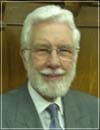
Stephen Hyde

27 - Stephen's Sermon (7) - The Houses of God

Acts 7:44-50
Stephen Hyde July, 4 2014 Audio
0 Comments
Acts of the Apostles Series - 27

Acts 7:44-50

Stephen continues his response to the council after being accused of blasphemy. In this section he speaks about the Tabernacle and the Temple, the houses of God.

Sermon Transcript

Auto-generated transcript • May contain errors

100%
May I please God to bless us
this evening as we consider his word further in the Acts of the
Apostles chapter 7 and this evening we'll read from verse 44 down
to verse 50 from verse 44 to verse 50 Our fathers had the tabernacle
of witness in the wilderness as he had appointed speaking
unto Moses that he should make it according to the fashion that
he had seen which also our fathers that came after brought in with
Jesus that means Joshua, Joshua and Jesus is the same word in
Greek so it's Joshua here into the possession of the Gentiles
which God drove out before the face of our fathers unto the
days of David, who found favour before God, and desired to find
a tabernacle for the God of Jacob. But Solomon built him a house,
albeit the Most High dwelleth not in temples made with hands,
as saith the Prophet. Heaven is my throne, and earth
is my footstool. What house would ye build me
Slept the Lord, or what is the place of my rest? Hath not my hand made all these
things? And so we see Stephen comes to
the end really of his historical account of those things which
have occurred in the life of the children of Israel. And these
few verses start of course with Moses and end with Solomon. It encompasses a vast chunk of
time, many hundreds of years are included in these verses. And it commences with the tabernacle
and then it moves on to the temple. And we know that God ordained
that the temple, tabernacle rather, should be built and how he described
the building of it and all the materials very clearly and very
carefully to Moses. And Moses then translated that
information to those who were engaged in the building of this
tabernacle. And what an amazing building
it was. It was indeed a tent. was no
permanent residence. It was a place which could be
readily moved from place to place. When the cloud which sat upon
the tabernacle rose up and moved, then the children of Israel moved. When it came down and stopped,
then the children of Israel stopped, whether that was by day or by
night. And so we have the evidence of God's leading ancient Israel
by a very clear view and a very clear sign. And we should not
think that that relates only to the Old Testament. We may
not have physical clouds rise up for us today, but nonetheless
the Lord does still come and direct us in our movements. And how we need God to direct
us in our movements. We don't want to take our own
decisions. We don't want to do things on
our own strength. We want to know that the Lord
is with us. And the tabernacle was so significant. What did it do? Well, it provided
a place where sacrifices could be made. Sacrifices for sin. The sins of Israel could be brought
before God and the sacrifices offered up. It signified, of course, the
tremendous view in every element of the tabernacle of the Lord
Jesus Christ. Israel had, of course, come out
of Egypt. They had been blessed for the
Passover. They had that wonderful institution which had signified
to them that without shedding of blood there was no forgiveness,
no remission. And so it continued are in this
place of the tabernacle. The sacrifices signified the
death of the animal, signified the shedding of blood, and the
shedding of blood signified the Lord Jesus Christ. And we know
that the glorious picture we have is of the most holy place,
the glorious symbol of heaven itself. And there the high priest
was only allowed to enter in once a year on that great day
of atonement and not without blood and he entered in sprinkling
that blood upon the mercy seat and God was there indicating
that acceptable sacrifice and the forgiveness of sins pointing
so clearly to the acceptable sacrifice of the Lord Jesus Christ
And of course not only was it that glorious symbol of heaven
and in that place Jesus in the midst. We look forward to the
eternal state of heaven. What will it be? Jesus in the
midst. We know not of course what heaven
will be like. But it's of interest to know
that both the tabernacle and the temple the form of the most
holy place was a cube. It was the same height and breadth
and length. If we go to the revelation, we
know there was the angel that measured the glorious place of
heaven and it was a cube, the same height and the same length
and the same breadth. It was a 3D situation where our
minds of course don't know The Lord has prepared for us, but
quite clearly here was the symbol of this way back in the wilderness. The Lord was with Israel. For
those 40 years, day by day, they would have seen the cloud over
the tabernacle signifying the presence of the Lord with them.
What a wonderful encouragement for them. And yet we see how
they so often turn their back upon God. But my friends, it's
a wonderful thought to think that there was the Lord with
them. And so we know that God was with
them, with his ancient people. And then when the fathers, which
also our fathers that came and brought it with them, with Joshua
in that possession of the Gentiles, and that of course was Canaan,
and went across Jordan. They took the Ark of the Covenant
and I remember that the Ark of the Covenant went first and the
priests stood in the edge of the water and the waters divided
themselves and Israel went over on dry land. Again the signification
was that God was with them. Now of course Stephen here is
speaking to the learned people of the Sanhedrin and they would
have been aware of the history. They would have been aware of
these accounts. And Stephen brings these truths
before their eyes to prove the truths that he brings before
them. So that he will then be able
to lead on to direct their attention to the Lord Jesus Christ. It was set forth really so very
clearly in the temple and in the tabernacle. And then of course
we know that King David was placed on the throne. The tabernacle
had been about now for over 500 years. David had a good desire
in his heart. He wanted to prepare or to build
a permanent dwelling for his God. Well, God did not speak to him
against that suggestion, that idea. But what he did say was,
because he was a man of blood, that he wouldn't be allowed to
build it. But his son would be allowed to build it. And so what
did King David do? When he prepared with all his
might for the building of this permanent place for God to dwell
in. Nothing was too much effort.
Every valuable thing was brought to it. How generous were so many
people. And how exceedingly generous
was King David in the preparation for this work. And he instructed
his son Solomon in what should be done. How this was to be built. And so after David had passed
out of this life, Solomon built the house, but Solomon built
him a house. And we can read of course in
Samuel the details of, or Samuel Kings rather, the details of
this wonderful building. The wonderful intricacy of all
the carvings and all the materials worked so perfectly. All those
great stones in the foundations those great stones in the walls,
realise there was no banging of hammers, there was no metal
heard in the place where the temple was erected. Everything
was made precisely back in the quarry and everything was brought
together and built in that place. And what wonderful skills were
given to Hiram and those who were ordained to come together
to build this temple. It was indeed a most magnificent
place. And we know, do we not, that
when it was completed, Solomon again prayed to the Lord, just
like Moses had done. That wonderful prayer of intercession,
and we know the Lord heard that prayer and came down and acknowledged
it. in the same way with that great cloud which brought forth
His glory. And so we see that God acknowledged
the work in the tabernacle, the work in the temple, and came
and dwelt among His people. And of course Stephen goes on
to tell us great truths and it's good to realize that great as
God was in these things and the great picture we have yet he
says how be it the most high sometimes it's good for us to
recognize God as the most high the most high God no one is higher
than God however the most high dwelleth not in temples made
with hands as said the prophet Heaven is my throne and the earth
is my footstool. What else will ye build me, saith
the Lord? Or what is the place of my rest? Well, of course, God is so great
that nowhere could in reality house the greatness of our God. But the Lord was willing to come
down and to meet with man and signify in this way that the
Lord was gracious to his people. And so we read finally, hath
not my hand made all these things? Well, we need to have high views
of God. It's good to have high views
of God. Now these people of Sanhedrin would have had high views of
God. They may not have had gracious views, but they would have had
high views. And so Stephen brings these to their attention before
he addresses them as we will God willing come on to in a few
weeks time about the statement he makes to them which so riled
them because they realised they weren't doing that which they
should have done. May God bless his word to us.
Amen.
Broadcaster:

Comments

0 / 2000 characters
Comments are moderated before appearing.

Be the first to comment!

Joshua

Joshua

Shall we play a game? Ask me about articles, sermons, or theology from our library. I can also help you navigate the site.