Bootstrap
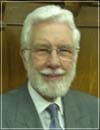
Stephen Hyde

26 - Stephen's Sermon (6) - Israelite Idolatry

Acts 7:37-43
Stephen Hyde June, 20 2014 Audio
0 Comments
Acts of the Apostles Series - 26

Acts 7:37-43

Stephen continues his response to the council after being accused of blasphemy. In his summary of Jewish history he speaks of how the Israelites often rejected the teachings of Moses, turning from God to worship idols.

Sermon Transcript

Auto-generated transcript • May contain errors

100%
I please the Lord to continue
to bless us as we turn to his word and continue our meditation
in the seventh of Acts. Tonight we'll consider from verses
37 to verse 43. The Acts of the Apostles, chapter
7, from verse 37 to 43, and we'll just read them. This is that
Moses which said unto the children of Israel, A prophet shall the
Lord your God raise up unto you, out of your brethren, like unto
me. Him shall ye hear. This is he
that was in the church, in the wilderness, with the angel that
spoke to him in the Mount Sinai, and with our fathers, who received
the lively oracles to give unto us, to whom our fathers would
not obey, but thrust in from them, and in their hearts turned
back again into Egypt, saying unto Aaron, Make us gods, to
go before us. For as for this Moses which brought
us up out of the land of Egypt, we want not what has become of
him. And they made a calf in those days, and offered sacrifice
unto the idol, and rejoiced in the works of their own hands.
Then God turned, and gave them up, to worship the host of heaven,
as it is written in the book of the prophets, O ye house of
Israel, have ye offered to me slain beasts and sacrifices by
the space of forty years in the wilderness? Yea, ye took up the
tabernacle of Monech, and the star of your God Rephan, figures
which ye made to worship them, and I will carry you away beyond
Babylon. Stephen here is continuing his
defence before the Sanhedrin and as we know he'd been criticised
for appearing to speak against Moses and therefore in this defence
he hones in very specifically on what Moses had done and clearly
how he viewed Moses and what he thought of Moses So there
would be no doubt, really, as to his view of God's servant
Moses. And we read, This is that Moses,
which said unto the children of Israel, A prophet shall the
Lord your God raise up unto you of your brethren, like unto me.
Him shall ye hear. It's a wonderful reference that
Moses spoke of with regards to the Lord Jesus Christ, and how
essential it was therefore that Stephen should refer to this
in this defence, so that the one who had been derided, the
one who had been spoken against, the Lord Jesus Christ, should
be vindicated and should be brought forth in this way to clearly
indicate that Moses had understood and had appreciated that which
was to come. And as he says, a prophet shall
the Lord your God raise up unto you of your brethren. Well, we're thankful, are we
not, for the prophecy which was spoken all those years ago, when
Israel were in the wilderness, and to know that it was fulfilled,
and that's what really Stephen is pointing out here the fulfilment
of the truth of God, which had been proclaimed so many years
ago, so there was no doubt that what he had said and spoken of
was true. And the Lord Jesus Christ was
that one who Moses had spoken about. A prophet shall the Lord
your God raise up unto you of your brethren. like unto me. Moses was a type of Christ. There were many types of Christ
set before us in the Word of God, and here we see Moses set
forth like this as a type of Christ. And it's good to trace
the life of Moses and observe those similarities. which set
forth him to be as the type of Christ. Like unto me, him shall
ye hear. Well, the Israelites had heard
Moses, they'd heard him speak, and now the world really, or
at least all those in the vicinity of Jerusalem in that area, had
indeed heard of the Lord Jesus Christ. Him shall ye hear. And not only, of course, was
that true of what Stephen spoke of on this occasion, but it was
that which would be continued right down to the end of time.
Him shall ye hear. Well, what a blessing it is if
we have heard the Lord Jesus Christ speaking unto us. Moses
spoke unto the people. The Lord speaks unto His people.
May we hear His voice. And so he continues and said,
this is he that was in the church, in the wilderness, with the angel
which spake to him in the Mount Sinai, and with our fathers who
received the lively oracles to give unto us. The church in the
wilderness. Israel were the church in the
wilderness. The people of God today are the
church in the wilderness. And if you and I are part of
that church, we are part of that church in the wilderness. And
how significant it is to realize that it is a wilderness journey.
It was for Israel. It is for the people of God.
It is the truth of God's Word which speaks to us so clearly.
This is He that was in the church, in the wilderness. Jesus in the
midst. What a wonderful blessing it
is for us tonight, if we have the evidence in our hearts that
the Lord Jesus Christ has and is, has been and is in our midst,
so that our hearts might be moved, and so that his name may be honoured
and glorified. With the angel which spake to
him in the Mount Sinai, and with our fathers who received the
lively oracles to give unto us. This same Jesus was the angel
that met with Moses, of course, in the wilderness, in the backside
of the desert and in Mount Sinai or in Mount Horeb. same name
for the same place. And we know that the Lord met
with Moses then on that occasion when he received those wonderful
words of instruction to proceed to be that one who would lead
Israel from Egypt and eventually into the borders, as it were,
of the promised land. So we see the faithfulness of
God and the promises of God. And what were they given? What
was Israel given? They received the lively oracles
to give unto us. You might think, well, what are
the oracles? Well, the oracles were the word of God. They were
the law of God and they were the words of God. And it's good
to read that these were not just words. They were not just statements.
They were lively oracles and indeed the word of God. is alive. It's not a dead word. It's a
living word. And may we know in our own hearts
and bless God that today we have been favoured to receive the
lively oracles of God which are given to us. We have them revealed
to us in the Word of God. What a wonderful blessing it
is. May we really appreciate it. You see, Israel turned their
back on these things. They'd received the wonderful
word of God, the law of God. And they turn their back on these
things. Let us not turn our back on these great and glorious and
wonderful truths which we are favoured to have. And he goes
on, to whom our fathers would not obey, but thrust him from
them and in their hearts turned back into Egypt. Now just ponder
these words They are very relevant. They would appear to have continued
in the right journey. But what do we read? And their
hearts turned back again into Egypt. Now only God sees our
hearts. Other people don't see our hearts.
They don't see our thoughts. They don't see our desires. And
it's quite clear that here where Israel faced with not an easy
place to be in, Mount Sinai, rocky place, desert place, no
greenery as such. and therefore we read that they
turned back and with in their hearts, and in their hearts turned
back again into Egypt, the place from which they had been wonderfully,
gloriously delivered. It's a great word of warning
to us, is it not, today? If we're being brought to know
the Lord, our hearts don't go back into the poor old world. What did they see there, back
in Egypt? Only really a better diet? It
was really the only thing that was of any benefit to them? And
yet you see they wanted that and they had said about it, but
now it was in their hearts. What was it? Rebellion to God. They didn't like the way that
God was leading them. They didn't expect to have a
difficult journey. You probably thought when the
Lord brought the man of Egypt it would be all plain sailing. Well,
it's not. When God brings us out of prison,
out of the prison house, and brings deliverance, it's not
plain sailing. No, it's a wilderness journey. And we need that faith to look
forward to the glory of Emmanuel's land. and to not look back, like
Lot's wife. It's a very sad case, isn't it?
She was told not to look back, and really we're told not to
look back. What did she do? She was brought out and she looked
back. Her heart was still in Sodom. And she became a pillar of salt.
It's a very sad condition, is it not, to be found In that situation,
and in their hearts, they turned back again into Egypt. And of course, you see, they
had that worldly mind. They didn't really want to obey
a great and glorious God who brought them out so wonderfully.
They didn't want to listen to those commands and those voices
which God has spoken through them. And so we read, saying
unto Aaron, make us gods to go before us. For as for this Moses
which brought us out of the land of Egypt, we what not is become
of him. What was their problem? Impatience. impatience. They weren't prepared
to wait for Moses. It had only been 40 days, hadn't
been very long, and yet here they were, impatient. And it's
amazing, isn't it, to read that they turned round like this and
wanted Aaron to make them gods. It's a great word of warning
to us to not become impatient when God doesn't appear for us
in the timescale that we expect. Your time is always, but my time
is not yet. And so we see this statement
of whom our fathers would not obey, but thrust Him from them,
and their hearts turned back into going to Egypt, saying to
Aaron, make us gods to go before us, for as for this Moses which
brought us out of the land of Egypt, not what has become of him. And
they made a calf in those days, and offered sacrifice unto the
idol. We read that account in the 32nd
of Exodus, and how tragic really to think of Aaron, that man of
God, wooed by these Israelites, to hear and to give in to them,
almost immediately, and to Ask them to give him their gold and
then to make it into a golden calf. And not only that, to then
raise up altars to sacrifice unto a dead being. What a turning away from God. What a turning away from God.
We see, don't we, in that account how Moses had to plead to God. Because we see God's anger was
against Israel. They deserved that wrath of God
to come upon them, but turn their back upon their great and glorious
Saviour. And thus not be found then, turning
to idols. Something a bit more easy, something
a bit more tangible. You can see a golden calf, it
was there to observe. My friends, we worship the invisible
and yet true and real God. And we worship by faith, saying
under Aaron, make us Gods to go before us. And they made a
calf in those days and offered sacrifice under the idol and
rejoiced in the works of their own hands. Immediately we observe
that. They weren't rejoicing in God's
work, and rejoicing in their work. Well, that's a great word
for us, not to rejoice in the work of our hands, recognizing
that any work of our hands is through the help and the benefit
and the blessing of God. It's not us, it's God. Then God
turned and gave them up to worship the host of heaven as it is written
In the book of the prophets, O ye house of Israel, have ye
offered to me slain beasts and sacrifices by the space of forty
years in the wilderness. Yea, ye took up the tabernacles
of Moloch and the altar of your God, Remphan, figures which ye
made to worship them, and I will carry you away beyond Babylon."
A very solemn condition. God dealt with Israel. He dealt
with them very solemnly. And we know that there was that
carrying away eventually into Babylon. You see, God deals in
his way, in his time. You might think God forgets.
David probably thought God had forgotten. God does not forget. And God may bring back into our
lives things that perhaps occurred many years ago. to bring us down
and to make us realise we're no better than these Israelites
and it's only because of God's mercy that you and I are not
consumed. So may the Lord be gracious to
us and bless us and remember that what they were doing was
to be turning away from the Lord Jesus Christ. Let us not be found turning away
from the Blessed Saviour who died upon Calvary's cross to
save us from all our sins. Amen.
Broadcaster:

Comments

0 / 2000 characters
Comments are moderated before appearing.

Be the first to comment!

Joshua

Joshua

Shall we play a game? Ask me about articles, sermons, or theology from our library. I can also help you navigate the site.