Bootstrap
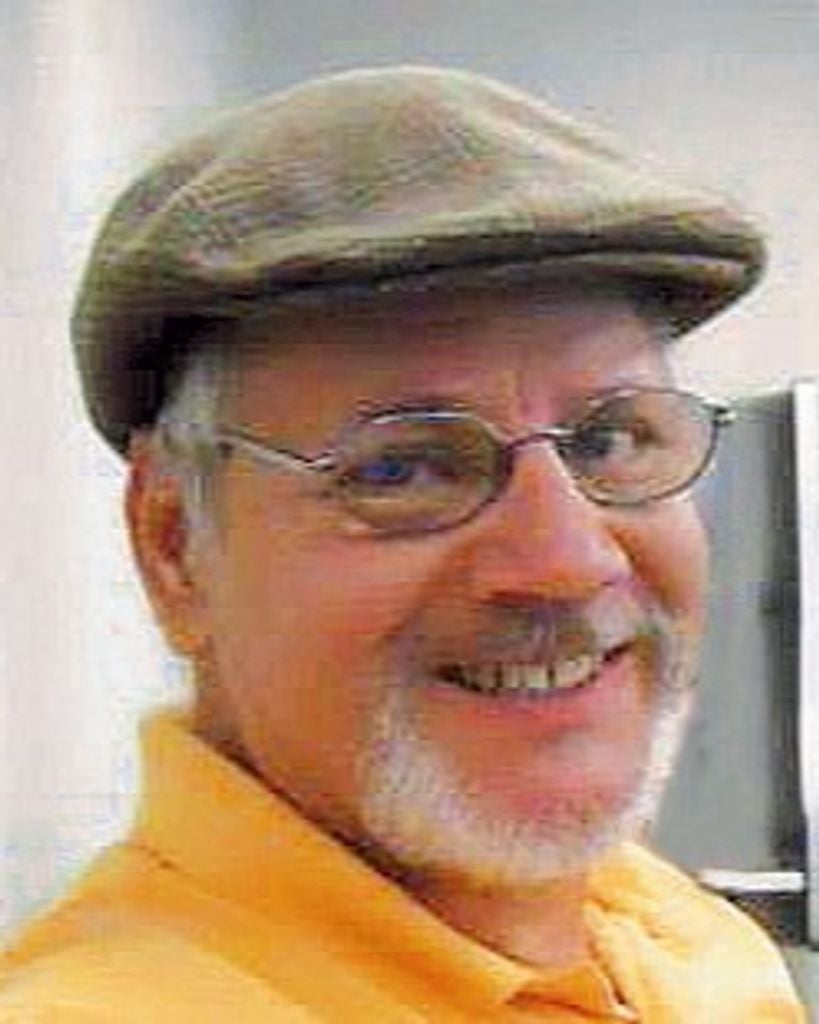
Joe Terrell

These All Died in Faith

Hebrews 11:13
Joe Terrell June, 19 2022 Video & Audio
0 Comments

In the sermon titled "These All Died in Faith," Joe Terrell addresses the doctrine of faith and the inevitability of death for believers as portrayed in Hebrews 11:13. He emphasizes that all humans, regardless of their faith status, face death, grounding his arguments in the eternal consequences of Adam's sin and the universality of mortality. Terrell cites the genealogies in Genesis to illustrate that mortality reigns supreme, with the refrain "and he died" underscoring life’s temporal nature. The crux of his message revolves around the nature of genuine faith—one that transcends mere intellectual assent and manifests in a trust in Christ that perseveres until death. The practical significance lies in the assurance that believers can face their mortality with hope, knowing that faith in Christ ensures their eternal security.

Key Quotes

“These all died in faith. Died in faith. Believers die in the natural sense of the word.”

“It’s unbelievable that Jesus wanted to die for our sins.”

“It’s easy to sit here when we don’t think we’re going to die in the next little bit and say, ‘I believe.’”

“May God give you grace to keep doing so. Not just saying it, but actually doing it.”

Sermon Transcript

Auto-generated transcript • May contain errors

100%
All right, would you turn in
your Bibles to Hebrews chapter 11? When I was a member at 13th Street
Baptist Church in Ashland, Kentucky, It became the practice, it may
have been the practice before we got there, but I noticed this,
that if one of the brothers or sisters died, and it was near
to one of the regular services of the church, that that simply
became, they didn't even call it a funeral, they just called
it the memorial service. I remember one in particular,
a woman named Carolyn Thompson.
She had been suffering from brain cancer. She and her husband were
coming back, I guess, from a visit to a hospital some distance away. She was laying down in the back
seat of the car. Lo and behold, when they got
home, she was gone. And so I showed up unaware of
that fact, showed up on Wednesday night, and there was her coffin
at the front of the sanctuary. And the message was, well, it was the same content. You know Brother Henry Mahan,
he's going to preach Christ no matter when he stands up, no
matter what the occasion. But they simply used one of the
regular worship services of the church. as a way to memorialize
those of our brothers and sisters who had departed this life to
be with Christ. And I kind of like that. I'm
not saying that we have to do that. But I thought that was kind of
nice because one thing it did show is we are believers in the
Lord Jesus Christ. We believe all the promises that
the scriptures have, as much as we understand them. But we
also know that departure from this life is a natural, ordinary,
commonplace thing among the people of God. Our hope is not here. We, as believers in the Lord
Jesus Christ, live and die just like unbelievers do, and I'm
talking about concerning natural life. We are born into this world,
we're born in sin, and even though we have been saved from sin,
and our spirits have been made alive, yet these bodies, this
flesh, remains exactly what it was when it was first conceived
within our mother's womb, It bears within it the corruption
that has passed upon or spread to all men through the sin of
Adam. Our bodies, they grow up and
then they grow old and then they wear out and we die. There are no special promises
pertaining to fleshly life given to believers. Some believers live very short
lives. Some live very long lives. Both the brothers that died this
past weekend lived substantially longer than the average, which
I think now is 78, something like that. Brother Fred was 91. Brother Bill was 98. But despite all of that, despite
the long years given to them, they still died. In the early chapters of Genesis,
when it's giving the genealogies, and there's
some ages in there, which many think we're not supposed to take
literally, but people live in as old as 969 years, Methuselah. That's a long time. That's almost 10 times as long
as our brother Bill lived, and we counted him a very old man. But here's the thing. In that
genealogy, it would say, so-and-so begets so-and-so, you know, he
lived so many years and begets so-and-so, and beget other sons
and daughters, and then lived another so-and-so years, and
the whole years of so-and-so were 969 years, and he died.
It always ends with, and he died. Nobody who is born escapes dying except
one that I'm aware of, and that's Enoch. And I guess Elijah come
to think of it. So Enoch and Elijah, they're
the only two recorded in the scriptures that I can think of
off the top of my head that were born and never died. Now, with such a thorough set
of statistics to work with, human history has been going on for
thousands of years. And with those two exceptions,
it's been running along at about one birth, one death, one-to-one
correspondence. And what does that say about
you and me? We were born. There's only two people in human history that weren't born,
and that was Adam and Eve. Even our Lord Jesus was born.
He was conceived in his mother's womb by a miraculous work of
the Holy Spirit, but he was born. But we have been born, and here
is the certain thing about us, we will die. I visited with Bill a week ago
this past Friday, stopped by his room there in the rest home,
visited for a while. I said, how are you doing? He
said, well, I haven't been feeling so good, which that's the first
time I ever heard Bill act as though he wasn't in top condition.
You know, I never heard Bill complain. You know, he never
said, oh, my back's just aching so much or anything like that.
It was always, oh, good, good. You know, well, I've not been
feeling so good. But he really wasn't complaining.
That was just a statement. He thought he had a cold. Been
sniffling, had a cough going. And then, I believe it was Sunday
morning, someone texted me and told me that Fred had had a rough
night. And so after church last Sunday,
I went over and visited Fred. And I looked at him, and he looked
just the same as he's looked for the last two or three years. And he was asleep in his chair,
which is the way I've generally found him in the last two or
three years. He's asleep in his chair. So Ann poked him and woke
him up. And he opened his eyes, he looks
at, oh, Pastor Joe. So even though he was suffering
somewhat from Alzheimer's, he still recognized me. And we had a nice little visit,
and I went home. And then Wednesday, I got a call from Eleanor, Fred's daughter,
that Fred's not doing well at all. It was late in the evening or afternoon,
and I was getting ready to go to the midweek service, and I
told them I'd stop by after the midweek service. Then I was talking
to Bonnie. And I said, I better just go
ahead over there and see them now. So I was trying to get myself
ready. I had to wash my hair and shave
and all that stuff. And before I could get my hair
washed, I got a phone call. It was Eleanor. She said, he's
gone. And so I went and I stopped by. And it hadn't been long enough
for the funeral home to come pick up his body. There he was.
And as I've mentioned several times, dead in a bed is a whole
lot different than dead in a coffin. Because when they put you in
a coffin, they've done everything they can to make you look like
you did when you're alive. But when you see someone who's
just dead, And there was Fred, or his body. But Fred wasn't there. There was the house, but the
lights were all turned off. And just a few days before, I'd
been talking to him, and he had a big smile on his face. And then Thursday morning, I get news, and I can't remember
who it was that told me. Bill's not doing well. And so I went over and visited
and much of the family came. I'm glad for Thursday because
Bill would open his eyes, you know, and you could talk to him.
He could carry on a short conversation. He was aware of what was happening. We had the opportunity to go
to the rest home and get Dina and bring her there, set her
by his bed, and they sat there holding hands and looking at
each other. And I remember he looked at her
and he said, well, this time comes for everybody. He said,
you know, there's nothing we can do about that. But when I had opportunity, I
read to Bill from the last part of the book of Jude, now unto
him who is able to keep you from falling and present you in his glorious presence, faultless
and full of joy. And I spoke for maybe 30 seconds
about that. that this is about God's abilities. It's Him who's able to save,
Him who's able to keep. And despite all we are, and despite
all we've done, He will present us in His glorious presence,
faultless and full of joy. And so I said, you've got nothing
to worry about. And he was looking at me while
I said all that. And then his eyes closed for
about 10 or 20 seconds. And I wondered, well, did he
really grasp what I was saying? I don't know if any drugs they'd
given him were affecting him, but he was going in and out of,
well, I won't say in and out of sleep, opening and closing
his eyes. But after about 10 or 20 seconds,
he opened up his eyes. And he said, it's unbelievable.
that Jesus wanted to die for our sins. I love the plain confessions
of the people of God. Not carefully crafted statements,
but something directly from the heart, simple and plain. Paul said, for I delivered unto
you that which I also received, how that Christ died for our
sins according to the scriptures. And Paul, of course, in the context
he was talking there, he was just delivering to them a brief
summary of the historical facts of the gospel. But I noted something
added in what Brother Bill had to say. He said, it's unbelievable,
and I certainly understand that. It's unbelievable that Jesus
wanted to die for our sins. Not just that he did, not simply
that he was willing to do so because of the will of the Father, but because he loved his church. And he wanted to do what needed
to be done to save her. Now, you can go to Bible school
and seminary, and you might never rise to such a wondrous statement
as that simple statement of a 98-year-old man who God as far as the eighth grade,
which was common back then. Eighth grade was common in what
would have been, for him, probably 1938, something like that. A farmer. Truck driver. Not a theologian in the way we
normally use that word. But did he not summarize in one
short sentence what we believe? And what is the absolute wonder
of this gospel in which we believe? It's unbelievable that Jesus
wanted to die for our sins. Our Lord Jesus made it clear,
did he not, that he didn't have to. He was under no obligation. Peter tried to defend him when
he was being arrested and he said, put away your sword, don't
you realize? All I've got to do is ask my
heavenly Father. He'll send legions of angels to rescue me from this.
Our Lord there on the cusp of suffering that only he could
understand. There was a way out, and it would
not have been unrighteous for him to take that way out. He was not under the obligation
of death. He did no sin. He thought no
sin. He knew no sin. In him was no
sin. Therefore, justice could not
require that he die. His father could not obligate
him to do so. And right there, at a time that
he knew within, oh, 12, 15 hours, somewhere in that neighborhood,
he would die. And not just die in the flesh,
that he would die in the sense of those most horrible words
ever spoken, my God, my God, why have you forsaken me? And he wanted to go through that. Because he loved his people,
and he loved them, even under death, the death of the cross,
he submitted himself to something under which he was under no obligation. That's why you and I are here
this morning. But we are born, the elect of
God are born into this world, and when they're born in this
world, there's nothing about them that's any different from
anyone else in the world. They may have been born in a
more or less civilized country. They may have more or less riches
than other people in the world, more or less education in this
world. All these kind of things that
mankind thinks is so important, but the truth of the matter is,
in the one essential thing, the one eternal matter, or the one
matter that has eternal consequences, there's absolutely no difference
among the children of men. Of course, we like to give names
to all the doctrines, so we call it total depravity. And I can
understand why people don't understand that. That is, unbelieving people
don't understand what we mean by that, because they'll look
at some, and some people are murderers, and some people give
their lives to helping others. And you say, you're telling me
that both of them are totally depraved? In the sense that we're
talking about, yes. No one, since Adam rebelled against
God, no one has ever done anything that the God of heaven could
look upon and judge with a good judgment. That is a judgment
of good, righteous, acceptable. Not only this, and this is where
it really gets serious, when we speak of the total depravity
of man, we're not just speaking about his activities, and we're
not just speaking about his bent to sin, which pollutes even the
works that he does that look good from the outside. We mean
this, that spiritually, He is dead and does not have within
him the capacity to positively respond to God. He's dead in trespasses and sins. That's why we preach the gospel. People sit here, they're all
hearing the same words, hearing them come out of the same mouth.
And for some, It becomes a savor of life unto life. Some hear
it, and they do believe, and others hear it, and they don't
believe, they might even get mad. I don't believe that. Or
it can't be that easy. Or I don't think I'm that bad.
You know, there's always something they find fault with. And I'm
not sitting here in judgment. We all did the same until God
opened our eyes. Isn't that true? We all did the
same until the Lord showed us who we are and who he is. But we came into this world just
like him. And we got a bunch of people
here that so far as human years are concerned, we pretty well
span the gamut. I think the youngest is probably
right around two years old, somewhere in that neighborhood. I won't
speculate on the oldest, we'll leave that one alone. But let's say it's more than
two. And in all that time, not one of us has ever, from
our natural selves, done anything that pleased God. All we've ever done is rack up
more reasons for God to condemn us. Some months ago, I preached
a message in which I said, I can't think of any reason why God would
save me. And of course, I was thinking
from the human viewpoint, because human viewpoint thinks, well,
you know, salvation's for those who do their best, or this kind
of thing. Somebody wrote to me and said,
preachers should never say that. They're supposed to be better
than other people. Well, I hate to disappoint you. I don't know
about other preachers, but this preacher is not any better than
anybody I know. And worry it not, for the unending
work of the Spirit of God to preserve me, I would despair
that God would have anything to do with me. And the only reason I believe
that He will, the only reason I have faith that when my time
comes to leave this world, that it will not be a transition from
the misery of this life to a greater misery in the life to come. but
that my departure will mark the end of all that is bad about
me, and it will mark the end of every painful and sorrowful
thing that I've experienced, and will inaugurate a time of
blessedness that I can only imagine, and I'm sure my imagination is
far lower than the reality of it. Were it not that I believe the
gospel that I believe, I would have no reason, absolutely no
reason to hope that God could show me any favor whatsoever. Is that true of you? Or have
you got a little something in reserve? There's a lot of people
that say, I believe the gospel, but if you could see in their
heart, you could realize they got a side bet going just in
case. They got a backup plan. Do you have a backup plan? If you have a backup plan, God's
going to see that plan as plan A, and that's how you'll be dealt
with. Well, I believe salvation's without
works, and I'm sure not going to do some just in case. OK,
you're on your own. Faith, verse 13, Hebrews 11. All these people were still living
by faith when they died. I like the translation we use,
the New International Version, but they didn't improve every
verse. This is one that would have been
just better if they'd have left it alone. These all died in faith. Died in faith. Believers die. in the natural sense of the word.
Now he's spoken of some remarkable people, Abraham, he spoke of
Noah and Cain, Isaac, Moses. All these things they'd done
by faith. Of course, if you read about the lives of these men,
you'll find out they had notable failures. Notable flaws. They were not good enough for
God. Not a one of them. Every one
of them deserved his everlasting wrath. But they had faith. Real faith. It wasn't a faith that they got
from their parents. It wasn't a faith that they got
down in whatever kind of religious assemblies they were involved
in. In fact, when you think of Moses,
he spent his entire childhood, up to the time he was about 40
years old, as a son of Pharaoh. So their faith did not arise
from anything natural. They did not attend an evangelistic
service where the preacher got up and got folks scared of going
to hell and then talked about heaven with pearly gates and
golden streets and all that kind of stuff and got to the end of
the service and then had the people start singing a song that
kind of numbs you really. because they sing it over and
over again. I'm talking about from my past. I realize that
probably doesn't happen around here, but you know, they just,
just as I am or something like that. And they just go on and
on and keep asking people, make a decision for Jesus. And so
somebody makes a decision and it's little more than making
the decision to buy life insurance. You don't like the price, but
considering the risks involved, it's worth it. And so they come
and they, quote, accept Jesus as their personal savior or something
like that. Other churches, when children
are brought into the, are born of members of the church, they're
brought in, and I don't know what the, how long they're supposed
to wait or whatever, but they get, they get sprinkled. And by this, somehow or another,
they're given some attachment to the blessings of God, kind
of given a leg up on heaven. I realize that not everybody
who practices infant sprinkling believes that that sprinkling
actually accomplishes anything for the child, but there are
some who do. They think that that child has the special regard
of heaven. And so long as it doesn't leave,
everything's okay. So that child is taught and instructed
in the doctrines of his church, and when it becomes an appropriate
age. Some churches call it confirmation,
others just call it profession of faith, but usually it's somewhere
around in their mid-teens. And I'll tell you, I came from,
you know, free will fundamentalism. They got the same kind of thing,
because they talk about the age of accountability. And as soon
as you reach about 10, I mean about 12, 13 years old, they
start putting pressure on you. You need to make a decision for
Jesus, you know. And anyway, But they'll get these
kids, they've been trained and they know how to give the right
answers so they stand up and make a profession of faith and
everything is designed in their worship and all that to get them
to stay. I know there's one thing about
those that believe. You don't have to do anything
to make them keep believing. I'm 67 years and some odd months
old. And from the time I came out
of my mother's womb, I assume I started breathing on my own.
And no one has ever had to do anything to get me to breathe. Because breathing is what the
living do. And those who are spiritually
alive, they believe. They don't have to be talked
into it. They don't have to be threatened into it. If the Spirit of God gives them
spiritual life, that spiritual life quite naturally expresses
itself in faith in the Lord Jesus Christ. And that spiritual life
is kept up by the Spirit of God. Therefore, that life continues
to express itself in faith in the Lord Jesus Christ. Faith may involve a decision,
but you can make a decision without having saving faith. Remember Brother Mahan used to
talk about, you know, people and their assurance and say,
are you sure? Oh yeah, I remember the date. It was September 19th, 1937. I was in a revival meeting and
I went down front and I accepted Jesus. And that's what they're
hanging on to. Well, I doubt there's many of
them that say 1937 now, but, I knew people that could. Brother
Mahan said, if I had to look back one second to find out if
I believed, I would truly wonder if I did. These all died in faith. We rejoice any time someone professes
faith. We don't put people through a
meat grinder of theological testing to find out whether or not their
faith is real, because even when we've done all the theological
testing, we won't know any more than before. I've always assumed
if a person's listening to me preach, and has, you know, for some time,
and then they profess faith, they must be professing to believe
what I've been saying. So we don't, you know, cause
them to have them make some kind of detailed theological expression
of their faith. We take their word for it. I
believe. But here's the thing. According to James, it's one
thing to say you believe. It's another thing to actually
believe. We accept in this church any and all who profess to believe
the Lord Jesus Christ. We accept them at face value. And as long as they're willing
to sit and listen to the gospel preached in peace, they're welcome
here. But here's another thing we know.
As glorious as it is to have that moment when, as the Lord
describes it, I believe, you pass from death unto life, because
there is a time when that happens. When you pass from unbelief to
now you believe. You are blind, but now you see.
You're deaf, but now you can hear. It's a wonderful thing. And it's wonderful to see people
become regular and committed to the preaching of the gospel,
to hearing it. It's all good. But here's the issue. What condition are you in when
you die? These all died in faith. Now, faith concerns things you
haven't seen. Concerns things you hope for,
not things you possess. And there is no fleshly proof
for that which we believe by the grace of God. There's no
proof. You've got the Bible. Yes, but
we have no proof the Bible's true. There's lots of religious
texts out there. How come we believe this one? And when I say proof, I mean
the kind of proof that an atheist don't want you to give. There
are no videos of Jesus. And even those who saw him, those
who saw him die on a tree, those who saw him after he was raised
from the dead, they still didn't understand. Now, if seeing the real events
does not produce the faith that saves. What other kind of proof could
I possibly give? We worship a God that cannot
be seen, cannot be detected by any scientific instrument known
to man. He exists outside the framework of time and space.
We can't understand him. He blows our mind. We worship
him through a man who is God, and that right there puts us
in another situation. We can't even conceive of such
a thing. How does the eternal become part of the temporal world?
How does he who dwells in, how do you describe non-space? I
mean, space is something God created. And yet he comes here
and he's in the form of a man. He's in one spot. How does that
happen? I haven't a clue. How can someone like me ever
become like the Lord Jesus Christ? I don't know. Now, I can give
you theological answers, but most of the time when we give
a theological answer, we're talking about stuff we don't understand.
We're almost like if you ever watched Star Trek, particularly
Star Trek Next Generation. They had that engineer named
Geordi, and I came up with the word Geordi-speak. Because they'd
say, you know, how are the engines? And he'd rattle off a bunch of
words that long and, you know, and, well, what can we do about
it? And then there was a bunch of other words, you know. They
didn't mean anything. They didn't understand what he
was talking about. And we talk about things that we cannot intellectually
grasp. Faith is, in Christ, is not the
same thing. as faith in the natural things
of life. It's faith in a person. They
died in faith, not having received the promises. Now, we have received
the fulfillment of most of the promises. Christ has come. And
the apostle said God has fulfilled all the promises to the fathers
by the resurrection of Jesus Christ from the dead. So we can
quit looking over there to Israel and worry about what's happening
over there. What we believe concerns things
outside the realm of natural perception. But we believe them. These all
died in faith. What does that mean? Well, it's
evidence they died in Christ. Now, they were in Christ before
they believed because we were chosen in Christ before the foundation
of the world. in Christ before the foundation
of the world. Christ is the lamb slain from
the foundation of the world. But faith is the revelation of
the grace of God in a person. And once we perceive faith, we
can say then that means there's also spiritual life. There's also love. There's also
the omnipotent power of God to preserve and to keep. It's easy to sit here when we
don't think we're going to die in the next little bit and say,
I believe. For both of our brethren who
went to glory this past Sunday, I mean past week, I would try
to think what's it like to be that old and know that under
the best of circumstances, it can't be long that they're going
to leave this world. And as you get older and your
weaknesses and frailties and sinfulness become more and more
evident to you, and the prospect of meeting God gets closer and
closer, Will you continue to believe that salvation is utterly
by His grace and without your efforts? Or in the end, will
you prove, as some have, just got too scared to face God without
a little something to give Him, and try to hedge your bet If you've never trusted Christ,
I urge you to do so now. He's a worthy trust. Nobody that
ever trusted in him was ever put to shame. That is, they were
never found to have had a false trust. And you who say you have
trusted, oh, may God give you grace to keep doing so. Not just
saying it, but actually doing it. and not allowing yourself to
be drawn into any sort of self-justification, self-improvement, but to give
yourself entirely, completely, through and through, over to
the care of Jesus Christ. So that it may be said of you,
when it comes time for us to gather and bid goodbye, This
one died in faith. Heavenly Father, bless this message
as only You can do. We pray, Lord, that Your name
has been uplifted. We do what we can, but You're
the only one who can really glorify Your name and the name of Your
Son. We ask that You do that among
us. In Christ's name we pray, amen.
Joe Terrell
About Joe Terrell

Joe Terrell (February 28, 1955 — April 22, 2024) was pastor of Grace Community Church in Rock Valley, IA.

Broadcaster:

Comments

0 / 2000 characters
Comments are moderated before appearing.

Be the first to comment!

Joshua

Joshua

Shall we play a game? Ask me about articles, sermons, or theology from our library. I can also help you navigate the site.