Bootstrap
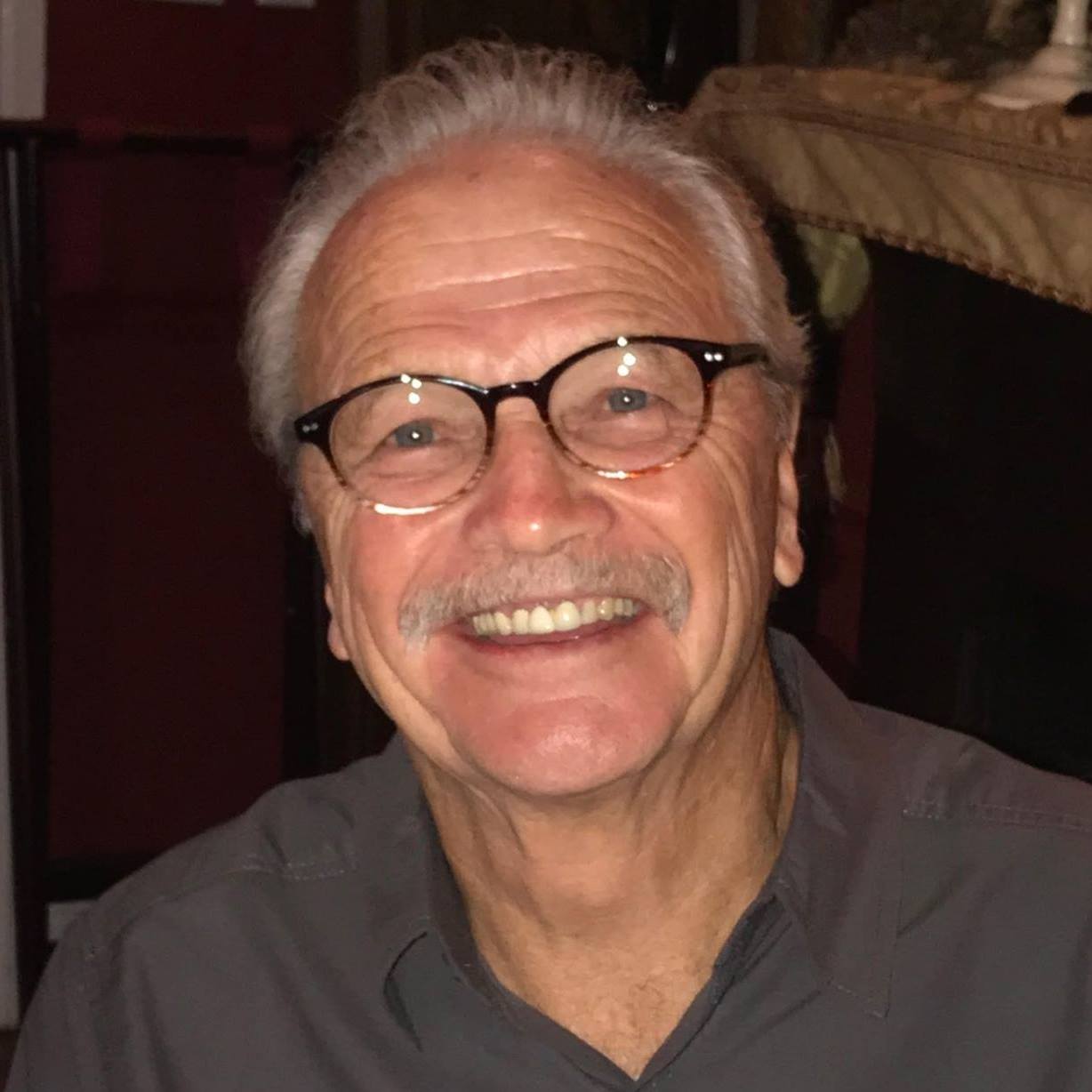
Donnie Bell

Man after Gods on heart

1 Samuel 13:14
Donnie Bell December, 19 2018 Audio
0 Comments

Sermon Transcript

Auto-generated transcript • May contain errors

100%
Chapter 13 and verse 14, Saul had so dishonored the Lord
and entered into something he had no business being in, in
the priesthood and offered sacrifices because he was too impatient
to wait on Samuel. God took the kingdom away from
him and he said the Lord sought him a man after his own heart
and the Lord hath commanded him to be captain over his people
because thou hast not kept that which the Lord commanded thee
I want you to look at that where it says sought him a man after
his own heart a man after his own heart God is he uses language
you know he sought a man After his God's own heart When it talks about God's heart
that means His very being like like our heart is what we are
And I know this God don't see things as man sees them You don't
he don't do that. Look over here in 1st Samuel
16 9 and you'll see exactly what he says about that and Samuel
16.9, excuse me, 16.7, I'm sorry. Samuel's been sent to anoint
a king, to anoint the one that God set apart. And Samuel came into Jesse's
house in Bethlehem, came into Jesse's house, And he said, peaceably,
I'm come to sacrifice unto the Lord. Verse five, look at verse
five. Sanctify yourselves and come
with me to the sacrifice. And he sanctified Jesse and his
sons and called them to the sacrifice. And it came to pass when they
were come that he looked on Eliab and said, this is what Samuel's
saying now. Surely the Lord's anointed is
before him. But the Lord said unto him, Samuel,
Look not on his countenance, or on the height of his stature,
because I have refused him. For the Lord seeth not as man
seeth. For the man looketh on the outward
appearance, but the Lord looketh on the heart." And he sought
him a man after his own heart. All we can do is look on the
outward appearance. That's all we can really do.
and we make judgments upon what we see on the outward appearance,
what we see with our eyes. Our Lord Jesus told the Pharisees,
you indeed appear outwardly righteous unto men, but within you're full
of wickedness and uncleanness. And our Lord told them also in
Luke 16 15, He said, you are they which justify yourselves. You justify yourself, but God
knows your heart. And you have not the love of
God in you. And that that's as well-pleasing
in the sight of men is an abomination, is an abomination in God's sight. And when Paul, he was over in
Corinthians and he said, you all judge after the appearance. You look at me after the appearance.
I'm a small man. You say my speech is contemptible
and my bodily presence is weak. You look on the outward appearance.
But he says, you judge me by the gospel I preach. You judge
me by how I am when I'm in your midst. Because they looked at
him on the outward appearance. And when we talk about a man
after God's own heart, salvation is a matter of the heart. It's
a matter of the heart. Oh, how much does the Bible say,
the Word of God say about the heart? With the heart, man believes
under righteousness. And with the mouth, he confesses
his salvation. And God has to change a man's
heart. God has to change a man's heart.
He said a new heart will I give you. I'll give you a new heart. And it's with the heart. And
the heart is us, who we are. The issues of life come out of
the heart. The heart, with the heart we either love or we hate. We either love or we hate. There's
no middle, you either hate some things and with others you love
them, but it's with the heart you love and you hate. And a
person can have your body and have your duty, but if they have
you, they have your heart. If they've got your heart, they've
got you. Ain't that right? It's like marriage. There's a
lot involved in a marriage. First thing you do is you propose. Then you gotta go get a license
to make it legal. Then you gotta get a ring. Then
you go through a ceremony. And you dress up to go through
this ceremony. You get married, you get you a nice house, have
a good income. But if there isn't love, if the
heart is not in it, it's many, many things, but it's not a marriage.
It's not a marriage. And that's why the scripture
says so much about the heart. And look what it says there,
you know, in verse 14 here, he said, the Lord, the Lord has
sought him a man. And don't say anything about
David seeking the Lord. Because this is David. I read
to you over in Acts 13. He's talking about David, the
son of Jesse. And that David's name means the
beloved one. That's what it means. And the
Lord sought a man. It didn't say David sought the
Lord. It didn't say David found the Lord. It didn't do that. God sought him a man. And when
God seeks something, believe me, He already knows where it's
at. He just uses this language to
tell us He sought a man. And it was just a man. A man,
you know, full of weaknesses and failures and faults. His
ups and downs like everybody else has. And the Lord sought Him a man.
When He seeks a man, He finds that man. And He chooses that
man. and he anoints that man and he
saves that man and he keeps that man and David is anointed by
Samuel over in chapter 16 and it says that the Lord sought
a man after his own heart and God raised up a king David the
son of Jesse a man after his own heart is what he calls him
a man just a man And he was a king. God made him king. But when God
looked on David's heart and said, this is a man after my own heart,
what did he see? What kind of heart did David
have? What kind of heart was it? That God looked on that heart
and said, this is a man after my own heart. What kind of heart
was it? Well, first thing I believe it
was, was a believing heart. I believe he believed God. I
believe when the Lord sought him and anointed him and set
him apart, he had a believing heart. His heart was full of
faith towards God. He believed God. He said over
in Psalm 32, he says that he believed God for righteousness
for he was Righteousness was imputed unto
him. He said, Blessed is the man to whom the Lord will not
impute iniquities, or not impute sin, and whom is no God. So he
had a believing heart. Chosen of God. Loved of God. Upheld of God. Look with me over here to Psalm
130. Psalm 130. You know what? You know, to have a believing
heart, that's really something. And now, where did he get that
believing heart? Of course, God gave it to him. Oh, this is what he said. God
looked on his heart. What did God see there? He said
in verse 3 here of Psalm 130, If thou, Lord, shouldest mark
iniquities, O Lord, who should stand? That's David saying that. O Lord, if you were to come through
this Israel, and come through this town, and come through this
group, and you began to mark iniquities, O Lord, who shall
stand? But there his forgiveness was
seen, that thou mayest be feared. And listen to what he said, I
wait for the Lord, my soul doeth wait, and in his word do I hope. So he was a believing heart.
He had a believing heart. He trusted in, not only did he
believe, but I'm telling you something, he trusted God for
every day of his life. after God revealed himself to
him. He was just a boy when God revealed himself to him. He was
a shepherd. He was the least in the family.
Kept him out on the hillside taking care of the sheep. And
they had to send after him and go get him. And he was just a
lad. He was just a stripling is what they called him. And
they brought him up there. And he stood before Samuel. And
Samuel anointed him with oil. But he trusted the Lord for his
providence. Look with me in Psalm 31. Look
at this with me. I want us to look at some things
about this. A man after God's own heart. Wouldn't you love
to have a heart that's after God's heart? Oh, a heart that
what God willed, you willed, what God loved, you loved, what
God did, you know, and God's word was in your heart so greatly,
so deeply, that you know, that you just, you so, that everything
that pleased God, pleased you. Everything God said, you believed
it. Everything He told us to do,
we did it. And I tell you, that's where
God looks at. He looks on the heart. He's not looking on people
like we do. He looks on the heart. He looks
inside a man. He sees what he thinks, what
he feels, how he acts, what he believes, whether he really believes
it or not. But look what he said here in
Psalm 31, in verse 14. I trusted in thee, O Lord." Now
this is him trusting for his providence now. I trusted in
thee, O Lord. I said, thou art my God. Thou
art my God. Dagon's not my God. These ones
that's got eyes that can't see and ears that can't hear and
can't move, they're not my God. You're my God. And listen to
this. My times are in thy hand. My times. What times? All times. One o'clock in the
morning, one o'clock in the afternoon. 60 minutes in an hour. That make
how many seconds in an hour? 360 seconds in an hour. All them
times, he said, are in his heart. And I'll tell you what, ain't
you grateful that our times are in his hands? Sherry and I was
talking about it the other day, that God has my set time. I've already got, God's got a
set time for me on this earth. And when I get to that time,
my time, my time that God set for me, I'm leaving here. I don't
know how. I don't know when. I don't know
if it's going to be old age. I don't know if it's going to
be a heart attack. I don't know if it's going to
be if I just get old and just wear out. I don't know. Cancer? Brain tumor? Car wreck? Heart attack? I don't know. But I know my time is in His
hands. Ain't that wonderful? That's why you don't go through
life scared to death. That's why David said, if my father
and mother forsake me, the Lord, He'll take me up. The Lord, he
said, the Lord is my shepherd. Not the world, the Lord is my
shepherd. And because He's my shepherd,
I shall not want. I won't want forgiveness and
righteousness and justification. I don't want. And He leads me. He leads me. Where does He lead
you? Beside the still waters? And
then what He does when He gets me there? He makes me. He makes
me lay down. In His green pastures. Huh? He makes us lay down. Oh, what a good shepherd. When
God looked at David, he said, that man believes. Now, we know
where he got his faith. We know that. But all to say,
oh, John, I can't think of his name now.
I'll think of it after a while. Here's another heart. Here's
another thing when God sought him. Man after his own heart. A heart of submission. He had
a heart of submission. And what do you mean he submitted?
Lord, it's not my will, but thine be done. That's just all that
means. That's all that means. My heart
submits to you. My will submits to you. My mind
submits to you. Everything about me, I give over
to you. I don't want to hold back anything from you. I submit
myself to you. And that's what it means about
having a submissive heart. And this so beautifully illustrated.
David, you know, took with me over here in 2 Samuel 19. 2nd
Samuel 12 excuse me 2nd Samuel 12 19 and You know he he had
a son by Bathsheba And you remember how that when
the boy got sick the child got sick And David's passed it all
day and all night and And they went to try to get him to get
up and eat. And he wouldn't do it. Day after
day after day. And the child died. And it said in
verse 18, And it came to pass on the seventh day that the child
died. And the servants of David feared
to tell him that the child was dead. For they said, Behold,
while the child was yet alive, we spake unto him, and he would
not hearken unto our voice. How will he then vex himself
or hurt himself if we tell him that the child is dead? But when
David saw that his servant whispered, David perceived that the child
was dead. Therefore David said unto his
servant, Is the child dead? They said, He is dead. Now watch
what happens now. Then David arose from the earth,
washed himself, and anointed himself, and changed his apparel,
and came into the house of the Lord, and listen to this, he
worshiped. Just heard, baby died. They just told him, your child's
dead. Just died. What did he do? Changed himself, come into the
house of the Lord, and he worshipped. And he worshipped. Boy, that's a heart pretty submissive,
ain't it? Lord, it's your hand, it's what
you do. And they said, what is this done?
Then he said in verse 21, what is this that thou hast done?
Thou didst fast and weep for the child when it was yet alive,
but when the child was dead, you rose and ate bread. And he
said, while the child was yet alive, I fasted and wept. For
I said, who can tell whether God will be gracious to me that
the child may live? But now he is dead, wherefore
should I fast? Can I bring him back again? I
shall go to him, but he shall not return to me. I'll go where
he's at, but he ain't coming here. But he got up and, like
Job did, he got up and worshiped the Lord when he heard everything
that's said. It's like our Lord Jesus Christ.
He went off into the garden of Gethsemane, and three different
times, three different times, he says, Father, not my will,
but thine be done. Father, not my will, but thine
be done. And we pray our Father which
is in heaven, hallowed be thy name, thy kingdom come, thy will
be done on earth, even as it is in heaven. What is it going
to be done on earth? It's going to be done in us.
It's going to be done in us. And like Saul, when he was on
the Damascus road, and I, Lord Jesus Christ, put him down. And
he said, it's hard for you to kick against the prince, I said,
Saul. Saul, Saul, it's hard for you to kick against the prince.
In other words, it's hard to resist my will, ain't it? It's
hard to fight against me and win, ain't it? And you know what
Paul said? Saul did. He said, Lord, what
wilt thou have me to do? What would thou have me to do?
Oh, my. And he was submitted to the righteousness
of God himself. He claimed no righteousness of
his own. And I tell you what, here's one
thing, beloved, if we can tell, if there's only one righteousness,
and I've said it before, Paul said that everything that I ever
done without Christ was my gain. But when I saw Christ, and I
know Christ, then everything that was gained of me was lost
for Him. And so He said this, He said,
I count everything that I believed, everything that I did, all my
Phariseeism, all my fasting, all my praying, everything that
I ever did, I count it done. Now boy, I tell you what, not
many people do that. Not many people look back on
their life, especially their religious life, and say everything
I believed, and everything I did, and everything I thought, and
every act I did, and every religious thing I did, was nothing but
dumb, not worth garbage, not worth throwing out. And now when I see Christ, that's
what I see. Everything but Him and His righteousness,
everything else ain't worth nothing. I was religious? Oh yes, I was
religious. When I first come in this country,
they talked about me. They called me that little wholeness
preacher. Because I mean, if I thought
it was wrong, I preached against it. I preached against women's
makeup, women dressing like men. I preached against cutting their
hair. I preached against men having long hair. If heaven's
wrong, I was against it. And you know what I'm only against
right now? The sin in myself. And you know what I'm for? for
men and women to know Christ and to win Christ and to be found
in Christ, not having their own righteousness, but the righteousness
of God by faith in Jesus Christ. And not only was he submitted
to the righteousness of God, but he was submitted to his word.
Oh, listen. Wouldn't you love to have this
blessed word put in your brain and in your heart? Wouldn't you
love to be able to remember it and it becomes such food to you
and such a necessary thing to you that you was afraid to do
without it, afraid to make a move without inquiring of it? Huh? Oh my, when we submit it, what
pleases Him, pleases us. What He rejoices in, we rejoice
in. And it's like that woman, when
our Lord Jesus Christ said, us not meet to give the children's
bread to dogs. First thing she said, Lord, truth! That's true! And that's what
we do. Whatever the Lord says, we say,
truth! Truth, truth. Let me tell you
something else. He had a not only a believing
heart, a submissive heart, but he had a broken heart. Look here
at Psalm 51. He had a broken heart. Now, I
want what you know, things that are broken ain't worth much. You know, you can try to glue
things back together and cobble things back together, but anything
that's broke, Ain't worth much. But the only
thing that's worth anything in God's sight is a broken heart. Break a vase, break a dish, break
a cup, wreck a car, break a heart. But oh my, to have a broken heart
before God. Look what he said here in Psalm
51. Have mercy upon me, O God, according to thy love and kindness.
Oh, he said, not because of anything I've done, but according to your
love and kindness. Oh, have mercy on me according
to the multitude of thy tender mercies. My tender mercies, thy
tender mercies. Blot out my transgressions. Wash me throughly from mine iniquity
and cleanse me from my sin. What's he talking about here?
You remember when David went out on his porch, out on top
of his house, and he looked down and he saw Bathsheba. And he
took Bathsheba, took her away from another man,
then had her husband killed. And then Nathanael came to him
and talked to him. and told him. And David got upset
when he told him that a man who had everything under the sun,
when it's come time for people to come by to be fed, he said
he didn't take a lamb of his own flock, but he went to a house
and he took the lamb, the little lamb, the precious lamb from
a poor man's house. And David said, oh, whoever that
is, you tell me who it is and I'll go deal with them right
now. Nathan laid his finger on David's
nose and said, Thou art the man, David. Thou art the man. And this is how he reacted to
it. This is how he reacted to the sin that he committed. His
heart was broken, not because he had been caught in sin, but
because he committed the sin. And that's what he said in verse
2. Wash me, wash me throughly from my iniquity. Cleanse me
from my sin. And look what he says in verse
3. I acknowledge my transgressions. I acknowledge what I've done.
I did it. Nobody made me do it. Nobody
twisted my arm. I've got nobody to blame but
myself and my sin is ever before me. And oh, listen, look what He
said, and He knew what He was. Look what He said, "...and against
Thee, Thee only, against You, God, against Your grace, against
Your mercies, against Your love, against Your tender mercies and
Your love and kindness, I sinned and done this evil in
Your sight." That was where He was counting at. Your sight. And then look what he said. He
knew what he was. Look what he said here in verse five. He knew
what he was. Behold, I was shapen in iniquity
and in sin did my mother conceive me. Oh my, huh? And that's why he said, he said
in Psalm 81, he said, what is man? What is man? That's what David said. He looked up one night and he
said, look at the stars, the sun, the moon, and all the things
of God's creation. He said, what is man? In light
of this, what is man? Why in the world do you ever
even think of him? Oh my. And he knew this. He knew only one person could
do anything for him. Look what he says in verse 7. Purge me with hyssop, and I shall
be clean. Wash me and I shall be whiter
than snow. I won't be like I was. You'll
take all that sin that I committed and all that horrible crimes
that I committed. And oh, make me to hear joy and
gladness in the bones which you've broken. Oh, you've broken me
down. You've made my inwards to hearth
so bad that it's like a broken bones. And he said, hide thy face from
my sins. Hide them. Hide thy face from
them. Don't look on them. And blot out all mine inequities.
And then he said, oh listen, create in me, create in me a
clean heart, oh God. He knew his heart was dark and
full of sin and the things that he had done and He'd lay on bed
at night. He'd think about all they had
done. And he said, my sins are ever before me. But then he turns
around and said, Lord, my heart had to be so bad. My heart had
to be so dark. My heart had to be such an awful
thing that I did what I did. Created me a clean heart, oh
God. And I not only that, but renew
a right spirit. The right spirit, a spirit within
me. And all listened to what he said.
And he knew the fearful consequences of what he did. He said in verse
11, cast me not away from thy presence. Don't do that. Please don't throw me away. Please
don't throw me away. Huh? Oh, don't throw me away. And that's why Paul, he said,
I bring my body under subjection lest I, when I preach to others,
I myself should be a cast away. And that's why it says down there
in verse 16 and 17. That's why he had a broken heart. For thou desire sacrifice, else
I'd give it. Thou delightest not in burnt
offering. The sacrifices of God are a broken
spirit, a broken contrite heart. O God, thou wilt not despise.
And I tell you what, I don't know how you feel about it. It's an awful thing. It'd be
an awful thing to just get up and deliberately, deliberately
go and sin against God like David did. It'd be an awful thing,
an awful thing. And I'll tell you what else he
saw in David, in David's heart. I'll hurry. He saw a loving,
devoted heart, a heart that loved God, a heart that was devoted
to God. He said in Psalm 116 verse 1, I love the Lord, because,
because. And it's like Simon Peter. Everything
that happened to Peter happened in threes. And the Lord says,
Simon Peter, do you love me? Yes, Lord. Do you love me? Yes,
Lord. Third time he asked, said, Lord, thou knowest, thou knowest. And when we talk about loving
God, we know we love Him because He first loved us, but He loved
all that God is. He loved all that God is. God
to Him was God. God to Him had all power. God
to Him had all authority. God to Him had all rights. God
to Him was high and holy and lifted up. And then He loved
all that God did. Whatever God did even to him,
he loved it. He loved it. He loves his words.
Let me tell you some things he said about his word. He said,
Thy word have I hid in my heart that I might not sin against
you. I want it in there so that I won't sin against you. I know
what your word says and I don't want to sin against you. And
he says this, Thy word, O Lord, is forever settled in heaven. And he says, thy word is a lamp
unto my feet, a light unto my path. How am I going to walk
without your word? What's going to be my light?
What's going to be my lamp? How am I going to walk in this
old dark world? We've got a light. We've got
a lamp. And not only did he love his
word, but he loved the worship of God. Do you know what he said?
He said, I was glad When? When they said, let us go up
to the house of the Lord. Let's go up and worship. I was glad when they said, let's
go do that. And I tell you, when he was taking
the heart back into Jerusalem, he was dancing through the streets
of Jerusalem, dancing, rejoicing. And his love was manifested towards
others too. The love that he had for God,
he loved others. He manifested like Mephibosheth. Like old Mephibosheth. Mephibosheth. And then last of all, here's
another thing that he has. Fifth thing. He had a committed
heart. A committed heart. You remember,
we'll get to it when we get through Samuel. But David was just a
boy. And his daddy sent him up to
the army. They was encamped against the
Philistines. And the army of Israel was camped
over here and the Philistines over there. And this great big
nine foot giant walked out every day and said, if there's anybody
in Israel that can whip me, he said, we'll serve you. Well,
David went up there to see his brothers and take some food that
his daddy told him to take. He's just a boy. And he said,
who is this fella out here? Who is this man out here cursing
God? Who is he? They said, oh, that's Goliath. Nine foot tall. Can you imagine? I see somebody seven foot tall,
and you know, I'm looking straight up. He's nine foot tall, and
you imagine how big he is. And oh, David said, listen, I'll go out there and face him."
And old Saul said, here, try my armor. David put it on and
said, oh, listen, I've never tried this before. He took it
off, got him five slings. He got him unconditional election. He got told to prophet. He got
particular redemption. He got a living told. And he
got the perseverance of the saints. But he only needed one stone,
just one. David went out there to face
him with his five little old stones. He put a stone in that
thing and that fella said, why in the world do you think you're
doing coming out here? That old boy raised up that great
big sword and David took that sling and hit him right between
the eyes and he just dropped dead. I watched on the television over
there in Israel right now. They still use those people,
still use those slings. I see those kids take those slings
and sling them and sling rocks at one another. I saw it on the
television that day, just like David had. But oh my, but when
he went out there, and this is the heart that he had all of
his life was expressed when he faithed Goliath. And this is
how his whole life was expressed by this one fragrance. Is there
not a cause? Is not God's glory cause enough? You're going to come here, you're
not cussing Israel, you're cussing God. You're not facing Israel,
you're facing God. And I tell you what, that was
his life's heart. Is there not a cause? Is there
not a cause? Then we had to have Christ. Is
there not a cause that we have to be warped in His blood? Is
there not a cause that Christ rose again from the dead? Everything
that God did, there's a cause behind it. And all ever of Goliath
that stands in our way, God done slew it. God's done slew it. And let me give you His dying
words. Look over here at 2 Samuel 23. And all listen to His dying
words. And this is God's testimony.
This is 2 Samuel 23. This is his dying word. This is a man after God's own
heart. 2 Samuel 23 and verse 5. Oh, this is the last word it
says in verse 1. These be the last words of David,
David the son of Jesse, and the man who was raised up on high.
the anointed of the God of Jacob, and the sweet psalmist of Israel."
Look at all these new things that he said. But here's his
dying words. Verse 5. Although my house be
not so with God, I had a lot of children that didn't know
God. A lot of children died without God. That's what he said. Yet
he hath made with me an everlasting covenant, ordered in all things
ensured, Now listen to this, for this is all my salvation
and all my desire, although he make it not to grow. He died with his heart fixed
on his God. I read it to you over in Acts
13, this is God's testimony of David, a man after his own heart. He wasn't like this by nature,
we know that. God made him by his grace to
be what he was. God did. God did. And oh, may he make us. May he
make us. May that be a prayer that we
pray. May that be a prayer that we pray. Lord, give me a heart
after thine. Give me a heart after yours. Our blessed, blessed Savior.
Thank You for allowing us to meet here tonight. Thank You
for Your Word. And I pray, blessed to our hearts,
blessed to our understandings, blessed to our minds. And Lord,
don't want to be a hypocrite, don't want to say things that
we shouldn't say. Pray for things that we don't
mean to ask for. But Lord, You could give us a heart like
David's. We'd love to have a heart that absolutely head over heels in
love with You and Your Word and find all of our assurance and
find all our salvation and everything we need in Your blessed Son and
surrender up and hold back nothing. Hold back nothing. And Lord,
we do now. We hold back so much because
of this flesh. But one of these days, by your
precious grace, one of these days, we'll hold back nothing
ever again. Thank you, Lord, for meeting
with us. Thank you, Lord, for your word. Bless these dear saints
and those that we've prayed for earlier. Meet their needs. We
ask in Christ's name. Amen. Amen. There is a name I
love to hear. I love to sing its words. It sounds like music in my ear. The sweetest name on earth. Oh, how I That's why we love
him, because he first loved us. See you Sunday, God willing.
Donnie Bell
About Donnie Bell
Donnie Bell is the current pastor of Lantana Grace Church in Crossville, TN.
Broadcaster:

Comments

0 / 2000 characters
Comments are moderated before appearing.

Be the first to comment!

Joshua

Joshua

Shall we play a game? Ask me about articles, sermons, or theology from our library. I can also help you navigate the site.