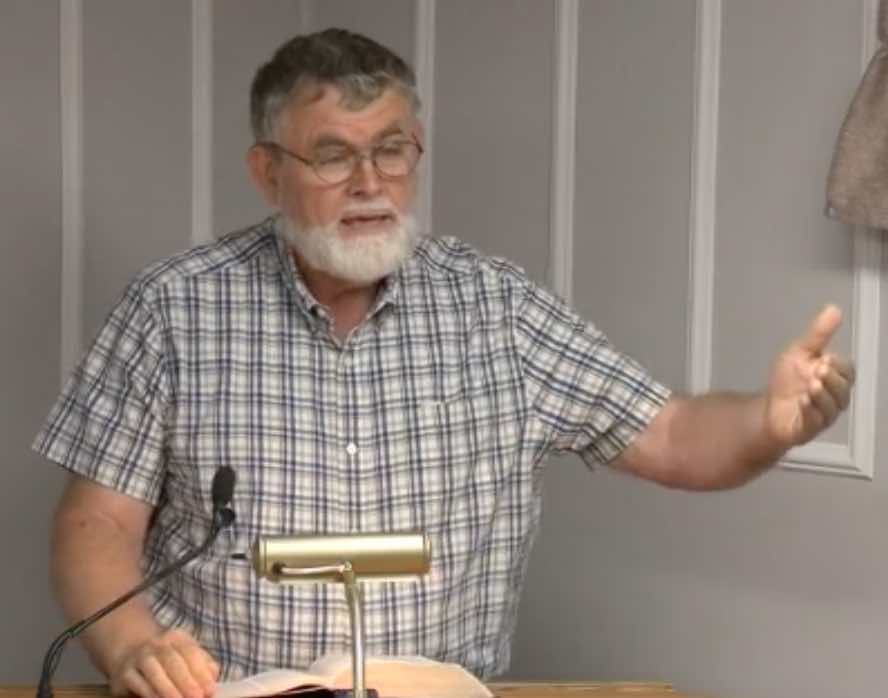
The sermon "Precious Seed" by Mike McInnis addresses the doctrine of the sovereignty of Christ in the redemption of His elect, as seen through the lens of Psalm 126 and the Parable of the Sower. McInnis argues that Christ is the divine sower who meticulously scatters His precious seed—representing the chosen people of God—throughout the world, emphasizing that the effectiveness of this seed depends on the preparedness of the soil, paralleling the elect's response to the gospel. Key Scriptures referenced include Psalm 126:6, Isaiah 53:4-5, and Romans 8:21, which collectively underscore the redemptive plan and the ultimate joy of Christ for His elect. The practical significance of this sermon is rooted in the assurance of the believer's security and the certainty of God's purpose to redeem and restore His people, emphasizing the depth of Christ's commitment and sacrificial love towards them.
Key Quotes
“The Bible has but one subject to which the attention of men is called, and if I be lifted up from the earth will draw all men unto me.”
“This precious seed is that possession which belongs to the sower, and for which he ever lives to make intercession.”
“He came to secure victory for his precious seed, and is the reaper of such blessing as well as the planter.”
“It was for the joy that was set before him that he endured the pain necessary to redeem that which is his.”
The Parable of the Sower illustrates the different responses to God'sWord based on the conditions of the heart.
The Parable of the Sower teaches us that the world is generally not suited to receive the seed, which symbolizes the preached word of God. In the parable, only a portion of the seed falls on good ground, representing those whose hearts are prepared to receive the Gospel. The other grounds may show temporary promise but ultimately prove to be barren, highlighting the importance of our hearts' readiness to embrace God's truth and the work of Christ in us.
Matthew 13:1-23
Christ's seed, representing His elect, is precious because He regards them highly and is committed to ensuring none are lost.
The precious seed referred to in the sermon symbolizes the elect chosen by Christ from before the foundation of the world. These individuals are so precious that Christ dedicates Himself to ensuring their salvation, reflecting His deep bond with them. This relationship underscores the profound nature of divine election in God’s sovereign plan and serves as assurance that He will not lose those who are His. The preciousness is grounded not only in their identity as His creations but also in His unwavering commitment to redeem and preserve them.
Psalm 126:6, Ephesians 1:4-5, Romans 8:28-30
God's sovereignty assures Christians of His control over all aspects of salvation and life.
The sovereignty of God is essential for Christians as it provides the foundation for our faith in His ultimate authority and control. It assures believers that their salvation is not a matter of chance or human effort but is part of God's divine plan. This understanding fosters trust in God's purposes amidst life's uncertainties, reinforcing the belief that He is working all things for the good of those who love Him. Recognizing God's sovereignty gives Christians confidence in His attributes of mercy and grace, knowing that He actively fulfills His promises to His people.
Romans 8:28, Philippians 1:6
Christ's identity as a man of sorrows illustrates His deep compassion and suffering for humanity's sin.
When the sermon refers to Christ as a 'man of sorrows,' it encapsulates not only His earthly suffering but also His intimate understanding of human grief and pain. It emphasizes His willingness to bear the burdens of His people, particularly their sins. This compassion is evident in the prophecy of Isaiah, which highlights the depth of His suffering as He bore our griefs and carried our sorrows. This aspect of Christ’s character assures believers that they are not alone in their struggles, as He empathizes fully with their experiences. Understanding this dimension of Christ enhances the richness of His redemptive work.
Isaiah 53:3, Matthew 11:28-30
Comments
Your comment has been submitted and is awaiting moderation. Once approved, it will appear on this page.
Be the first to comment!
