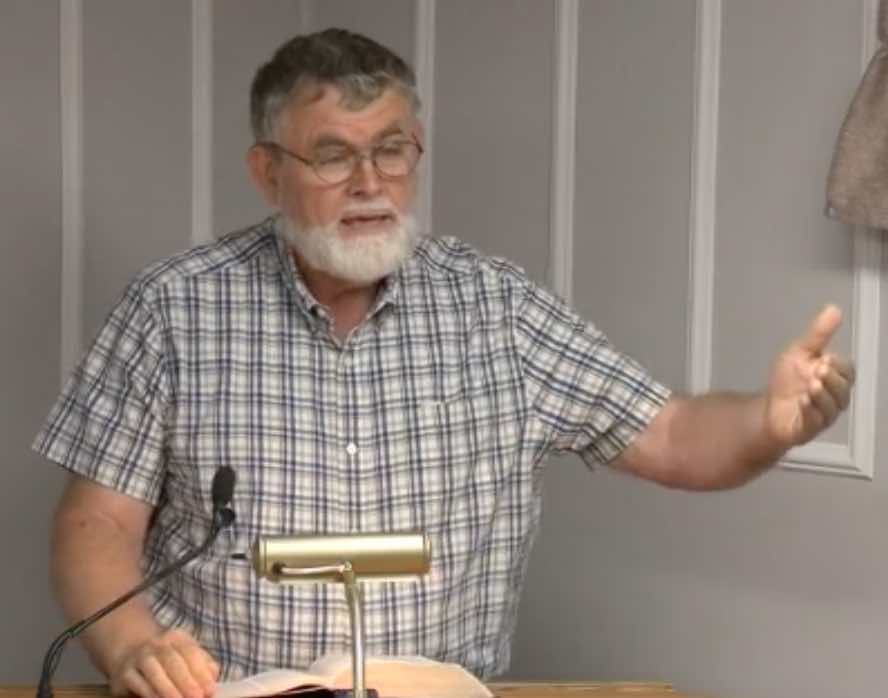
In his sermon "Lift Up Your Hands," Mike McInnis explores the theme of worship as depicted in Psalm 134. He emphasizes that worship is not merely a human choice but a divinely initiated response to God's revelation, underscoring the Reformed doctrine of unconditional election—"Ye have not chosen me, but I have chosen you." By referencing key Scripture passages, including John 4:24 and the example of Joshua leading Israel, he illustrates that true worship comes from acknowledging God's sovereignty and grace. McInnis highlights the importance of recognizing Christ's fulfillment of the Law, juxtaposing the roles of Moses and Jesus to show that salvation is through grace, not works. The sermon concludes with a call for believers to approach God with reverence and humility, recognizing the weight of partaking in the Lord's Supper as a true act of worship and remembrance of Christ's sacrifice.
Key Quotes
“It's impossible for a man to bless God. I mean, all blessings flow from Him to men in that sense in which we consider what a blessing is.”
“True worship will be the result of a man being brought into the presence of God. When the Lord is pleased to show himself to somebody, worship will be the result of it.”
“Religion is a thing men can choose... but only as the Lord chooses men will they be the followers of Christ.”
“Examination is not designed to exclude anyone who loves Christ from this table. The examination is so that a man might see himself for what he is and know that Christ alone is his righteousness.”
The Bible teaches that worship involves kneeling before God and recognizing His sovereignty.
Worship in the Bible is fundamentally about recognizing God's greatness and our position as His creation. Psalm 134 underscores the importance of worship by commanding us to bless the Lord, which in this context means to kneel before Him in reverence. True worship cannot be merely a choice we make; it is a natural response to encountering the holiness of God. John and Daniel both exemplified this by falling before God in worship when they experienced His presence. Ultimately, all worship should acknowledge that God is the source of all blessings, and any movement toward Him must start from His initiative in our lives.
Psalm 134
Our worship is pleasing to God when it stems from a humble heart and acknowledges His sovereignty.
Pleasing worship does not come from simply following communal rituals or fulfilling a checklist. It emerges from a heart that acknowledges God's authority and greatness. The act of lifting hands in worship can be genuine when it reflects our need for God's help and an act of dependence. However, if this physical expression is done to gain the approval of others, it becomes an empty gesture rather than a true offering to God. The Bible highlights that worship must flow from our understanding of God's character and work in our lives, leading us to a true and humble posture before Him.
Psalm 134, Isaiah 6:5
Recognizing God's sovereignty is essential because it shapes our understanding of His majesty and our dependence on Him.
Understanding God's sovereignty is crucial for meaningful worship because it places our lives and actions within the right context. This recognition reminds us that God is not merely an option we choose, but the King of kings who reigns over all creation. Psalm 134 illustrates that the act of blessing God, or kneeling before Him, stems from our recognition of His sovereign rule. Worship is intended to express gratitude and surrender, acknowledging that everything we have and are comes from Him. By understanding His sovereignty, we learn that our response to God should be one of awe and reverence, leading us to genuine worship.
Psalm 134, Romans 11:36
Self-examination before worship is about recognizing our need for Christ's righteousness and discernment of His sacrifice.
Self-examination is a vital aspect of worship, particularly before participating in the Lord's Supper. As Paul instructs in 1 Corinthians 11:28, one should examine themselves to ensure they are recognizing the significance of Christ's sacrifice. This entails understanding that our worthiness does not stem from our actions or moral standing, but from Christ's finished work on the cross. By acknowledging our flaws and recognizing Christ as our only righteousness, we prepare our hearts for meaningful worship. It is a reminder that coming to the table without discernment diminishes the awe and gravity of what Christ has done for us.
1 Corinthians 11:28, Psalm 134
Comments
Your comment has been submitted and is awaiting moderation. Once approved, it will appear on this page.
Be the first to comment!
