Bootstrap
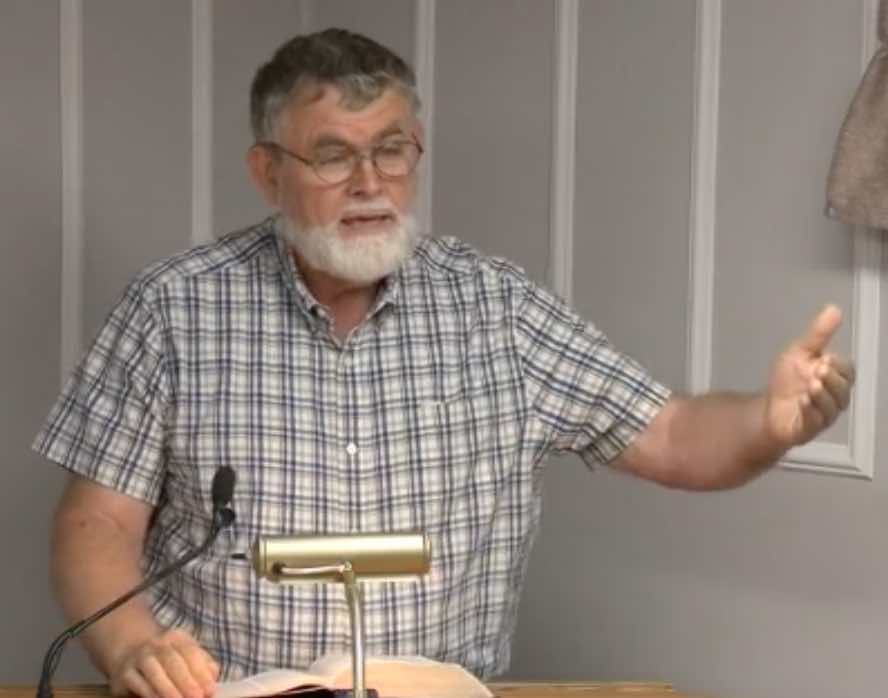
Mike McInnis

Are You a Mourner? #592

Mike McInnis August, 18 2020 Audio
0 Comments
What does the Bible say about mourning for sin?

The Bible teaches that mourning for sin is a sign of God's blessing and the work of the Holy Spirit in a believer's life.

Mourning for sin is portrayed in Scripture as an essential aspect of true repentance and recognition of one’s transgressions. The prophet David exemplifies this when he acknowledges his sins in Psalm 51, expressing deep sorrow for his failures against God. Such mourning arises not from superficial guilt but from a profound understanding of the gravity of sin and its consequences, underscoring the believer's need for divine mercy and forgiveness. This attitude of mourning reflects the blessing of God, as it reveals a heart that yearns for righteousness and a deeper relationship with the Lord.

Furthermore, mourning over sin is not merely a personal endeavor but a collective experience shared among the faithful, as they recognize the broader imperfections within the church and society. The outpouring of the Spirit enables believers to mourn not only for their own sins but also for the condition of God’s people—lamenting the church's disobedience and the state of the world as they seek revival and mercy from God. This process leads to restoration and hope, as the gospel invites those who mourn to receive beauty for ashes and joy in place of heaviness, thus transforming their sorrow into praise.

Psalm 51, Matthew 5:4, Isaiah 61:3

How do we know that mourning is important for Christians?

Mourning is important for Christians as it reveals the work of the Holy Spirit and signifies a heart aligned with God's will.

The importance of mourning for Christians stems from its biblical foundation and the transformative role it plays in spiritual growth. Mourning is described in Matthew 5:4, where Jesus pronounces a blessing upon those who mourn, indicating that it is a divine response to the awareness of sin and the need for grace. This mourning is an evidence of God’s work within believers, a sign that they are receptive to the convicting power of the Holy Spirit.

Moreover, through mourning, Christians express their grief over personal sins, the sufferings of Christ, and the current state of the church. These attitudes not only lead to personal repentance but also foster a communal desire for revival. The ability to mourn signifies a heart that seeks to glorify God through acknowledgment of fallen nature and dependence on His grace. Thus, mourning is not a negative state but a vital part of the Christian experience that brings forth a deeper relationship with God and an evident longing for holiness.

Matthew 5:4, Psalm 51, Habakkuk 3:2

Why is recognizing our sin crucial in a Christian's life?

Recognizing our sin is crucial as it leads to genuine mourning, repentance, and a deeper dependence on God's mercy.

Recognition of sin is critical in the life of a Christian because it cultivates a heart of humility and dependence on God's grace. The acknowledgment of one’s transgressions is the first step toward experiencing true repentance and transformation. As articulated in Psalm 51, David’s earnest confession of sin illustrates that understanding the weight of our failings before a holy God is vital for spiritual restoration.

Additionally, this recognition leads believers to mourn not only for their personal wrongdoing but also for the impact of sin on their relationship with Christ and the community of believers. This Holy Spirit-driven mourning prompts individuals to seek forgiveness and cultivate a lifestyle that reflects their commitment to holiness. It assures them of God’s mercy and encourages them to rejoice in the redemptive work of Christ, who bore our griefs and carried our sorrows. Therefore, recognizing our sin is foundational for living a life that honors God and embodies the principles of the gospel.

Psalm 51, Isaiah 53:4-5, Luke 18:13

Sermon Transcript

Auto-generated transcript • May contain errors

100%
Thy mercy, my God, is the theme
of my song. The modern religious world is
content to have its conscience soothed with a placebo gospel,
which I believe to be no gospel at all, and has in essence been
stripped of any discernment that it might have ever possessed.
As the prophet of old said, and her prophets have daubed them
with untempered mortar, seeing vanity and divining lies unto
them saying, thus saith the Lord God, when the Lord hath not spoken. The lines between the gospel
and entertainment have been so muddled that very few, even of
those who are true possessors of faith, can tell the difference.
Man is the central figure in the vast majority of so-called
preaching in most churches. Everything is designed around
his feelings and stimulation under supposed good works, which
are purportedly produced by a multitude of programs, systems, and endeavors
of motivational teaching. Faith is described as some sort
of a rabbit's foot, which men are supposed to exhibit in order
to ensure their continued blessing from the Lord. The message of
a shallow peace and prosperity is the order of the day, and
men love to have it so. I am reminded of one of the old
prophets who said, They have healed also the hurt of the daughter
of my people slightly, saying, Peace, peace, when there is no
peace. Laughter has replaced repentance
as the desired state of God's children. Mourning is not a state
into which one is brought by choice or decision, nor can one
be taught how to properly mourn. By its very nature, sadness is
that which men try to avoid. Those whose hearts are satisfied
with their present condition cannot enter into such a state
by their own power or choice, nor can a man pretend to mourn.
Those who are called mourners in the Scripture were brought
into that state by the actions of another. Their state of mourning
is an evidence of the blessing of God and the outpouring of
His Spirit on His own. And I will pour out upon the
house of David and upon the inhabitants of Jerusalem the spirit of grace
and of supplications. And they shall look upon me whom
they have pierced, and they shall mourn for him, as one mourneth
for his only son, and shall be in bitterness, as one is in bitterness
for his firstborn. A man cannot earn or receive
the blessings of God by lamenting his condition, nor saying, woe
is me, louder than the next person. But the blessing of God is surely
evident in those who mourn over their own sin. David exemplified
the heart cry of the true child of God when he said, for I acknowledge
my transgressions, and my sin is ever before me. Against thee,
the only, have I sinned and done this evil in thy sight, that
thou mightest be justified when thou speakest, and be clear when
thou judgest. The greatest heartache for the
sons of God comes because they are painfully aware of how far
short of obedience they constantly come. The blessing of God is
evident in those who mourn over the death of their Savior. How
can it be that such a one as the Holy Lamb of God should stoop
to die a sinner's death? On the one hand, we rejoice that
he has paid our debt and loosed us from bondage, but we are compelled
to remember his death till he comes. Surely he hath borne our
griefs and carried our sorrows, yet we did not see him stricken,
smitten of God, and afflicted. Now that we see his suffering
was endured in our behalf, we cannot help but mourn over the
cause of his affliction. The blessing of God is evident
in those who mourn over the state of the Lord's church. Had it
pleased the Lord to do so, he could have made his church to
be a treasure highly regarded and gloried in by the world.
Yet he has caused his saints to wander in a state of semi-darkness,
subject to all the weaknesses which are common to this sinful
flesh. Even though we have been brought out of total darkness,
we yet see through a glass darkly and lament the cold and disobedient
state that we see the church often walk in. The Lord is pleased
from time to time to visit his vineyard and cause the spices
of his garden to abound, but alas, it is not always so to
the same degree. I believe that generally speaking,
we are walking in a very dark time, which must cause the true
sons of God to lament our coldness and cry out to him for mercy
as Habakkuk of old. Oh Lord, I have heard thy speech
and was afraid. Oh Lord, revive thy work in the
midst of the years. In the midst of the years, make
known in wrath, remember mercy. The blessing of God is evident
in those who mourn over being a stranger in this world. The
longing of the sons of God is to put off this sinful world
along with this mortal body, that we may be clothed in that
immortal body which he has purchased for us. We have here no continuing
city. Weeping may endure for a night,
but joy comes in the morning. The gospel is intended for those
who mourn, to appoint unto them that mourn in Zion, to give unto
them beauty for ashes, the oil of joyful mourning, the garment
of praise for the spirit of heaviness, that they might be called the
trees of righteousness, the planting of the Lord, that he might be
glorified. Blessed are they that mourn.
Are you a mourner? For a free CD containing 15 of
these radio broadcasts, send an email to forthepoor at windstream.net.
Mike McInnis
About Mike McInnis
Mike McInnis is an elder at Grace Chapel in O'Brien Florida. He is also editor of the Grace Gazette.
Broadcaster:

Comments

0 / 2000 characters
Comments are moderated before appearing.

Be the first to comment!

Joshua

Joshua

Shall we play a game? Ask me about articles, sermons, or theology from our library. I can also help you navigate the site.