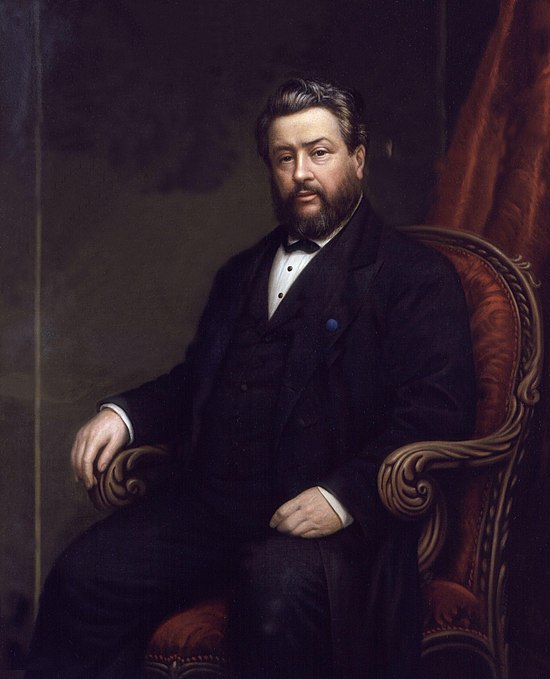
In his sermon "The Latter Times," Bill Parker addresses the doctrine of apostasy, emphasizing the warning from Paul in 1 Timothy 4:1-6 regarding a future period, referred to as the "latter times," when some will depart from the faith. Parker argues that this departure is not from a false understanding of Christianity, but from those who once claimed to hold the true gospel, reflecting a significant aspect of Reformed theology regarding the nature of true faith and perseverance. He references 2 Thessalonians and 1 John to illustrate the concept of apostasy, asserting that those who fall away were never truly part of the faith community, thus affirming the doctrine of the perseverance of the saints. The practical significance of his message warns believers to remain vigilant against false teachings and to focus on the foundational doctrines of the faith, affirming that genuine faith is rooted in reliance solely on Christ's redemptive work.
Key Quotes
“When Paul writes here, now the Spirit speaketh expressly, he's putting an emphasis on what's about to come.”
“The faith there is the body of the gospel, the doctrine, the truth... These are people who call themselves Christians but believed what true Christians believe, claim to believe it, all right? But they fell away.”
“An apostate is a person who claimed to believe what we believe here, but who then totally denies it.”
“It's all my salvation, all the blessedness of it, all the benefit of it, all the preservation of it, all the righteousness of it is in one single person based upon his one single work, and that's Christ crucified and risen from the dead.”
The Bible indicates that the latter times refer to the period after Christ's ascension, highlighting a spiritual state where some will depart from the faith.
In 1 Timothy 4:1, Paul warns that in the latter times, some will depart from the faith. This refers to the period known as the last days, beginning with the ascension of Christ. During this time, various spiritual challenges arise, leading many who once professed faith to abandon the core truths of the Gospel. The 'latter times' reflects a state where false teachings become prevalent, often associated with seducing spirits encouraged by doctrines contrary to the true faith of Christ.
1 Timothy 4:1, 2 Thessalonians 2:3
The Bible warns that in the latter times, some will depart from the faith, influenced by false teachings and deceitful spirits.
In 1 Timothy 4:1, the Apostle Paul, writing under the inspiration of the Holy Spirit, states that 'in the latter times, some shall depart from the faith.' This period refers to the time after Christ's ascension, and Paul emphasizes that this warning is still pertinent today. The Bible indicates that many will be led astray by false doctrines and seducing spirits that distort the true gospel. It is crucial for believers to remain grounded in the truth of Scripture and be aware of the potential for apostasy among those who once professed faith in Christ.
1 Timothy 4:1, 2 Thessalonians 2:3
Salvation is secure because it is entirely the work of God's grace, and those truly saved will persevere in faith.
The doctrine of the perseverance of the saints indicates that true believers will not ultimately fall away from the faith. In John 10:28-29, Jesus assures us that no one can snatch His sheep out of His hand. This reflects the sovereign grace of God in salvation, which ensures that once a person is genuinely saved, they remain so. It is not based on personal merit but on God's unchanging promise and His ability to keep His people secure until the end. The notion of apostasy, or falling away, describes those who were never truly part of the faith, as emphasized in 1 John 2:19.
John 10:28-29, 1 John 2:19
The doctrine of apostasy is affirmed in Scripture and illustrates that false believers can depart from the true faith.
Scripture addresses the reality of apostasy, particularly in 1 Timothy 4:1 and 1 John 2:19. These passages highlight that those who once appeared to belong to the faith can turn away and embrace false teachings. John explicitly says that apostates 'went out from us, but they were not of us,' indicating that they were never true believers despite their initial outward profession. This serious warning serves to remind believers to evaluate their faith and to cling to the true gospel of sovereign grace, as the potential for deception remains a real threat in these latter days.
1 Timothy 4:1, 1 John 2:19
Understanding the doctrine of the Antichrist helps Christians recognize false teachings and remain grounded in the true Gospel.
The concept of the Antichrist, as discussed in the New Testament, serves as a warning to believers. In 1 John 2:18, it is noted that many Antichrists have come, indicating that false teachings and spiritual opposition to Christ abound. This understanding emphasizes the importance of discernment in the Church, as many may claim to follow Christ while promoting doctrines that are fundamentally opposed to His truth. Recognizing the spirit of Antichrist thus motivates Christians to cling to sound doctrine and safeguard their faith against misleading teachings and ideologies.
1 John 2:18, 2 Thessalonians 2:3
Understanding the perseverance of the saints assures believers that genuine faith is maintained by God's grace.
The doctrine of the perseverance of the saints, often associated with the Reformed tradition, teaches that those truly saved by grace will persevere in faith until the end. This truth provides assurance to believers and underscores that salvation is not based on human effort but on God's sovereign grace. In 1 Timothy 4 and John 10:28-29, we see the emphasis on Christ's ability to keep His sheep secure, promising that no one can snatch them from His hand. Thus, this doctrine fosters assurance, encourages stability in trials, and motivates a believer’s commitment to live in light of their salvation.
John 10:28-29
Apostasy refers to the abandonment of the true faith by someone who once professed belief in Christ.
In the Christian context, apostasy describes a situation where an individual who previously professed faith in Christ ultimately renounces that faith. This concept is addressed in 1 Timothy 4:1 and illustrated in 1 John 2:19, where individuals depart from the faith not because they were genuinely saved and then lost, but because they were never truly part of the faith community. True believers are marked by an enduring faith in Christ, as salvation is grounded in God's grace rather than individual merit. Therefore, apostasy reveals the peril of false professions and the necessity of examining oneself to ensure a genuine relationship with Christ.
1 Timothy 4:1, 1 John 2:19
Seducing spirits and doctrines of devils refer to teachings that mislead believers away from the truth of the gospel.
In 1 Timothy 4:1, Paul warns about the dangers of seducing spirits and doctrines of devils. These represent teachings and influences that seek to draw believers away from the central truths of Christ and His work. Paul highlights that these influences often masquerade as truth, appealing to human pride and self-righteousness, posing a serious threat to the faith once delivered to the saints. Christians are called to be vigilant and discerning, ensuring that they remain anchored in the true gospel of grace and resist any teachings that do not align with Scripture.
1 Timothy 4:1
Comments
Your comment has been submitted and is awaiting moderation. Once approved, it will appear on this page.
Be the first to comment!