Bootstrap
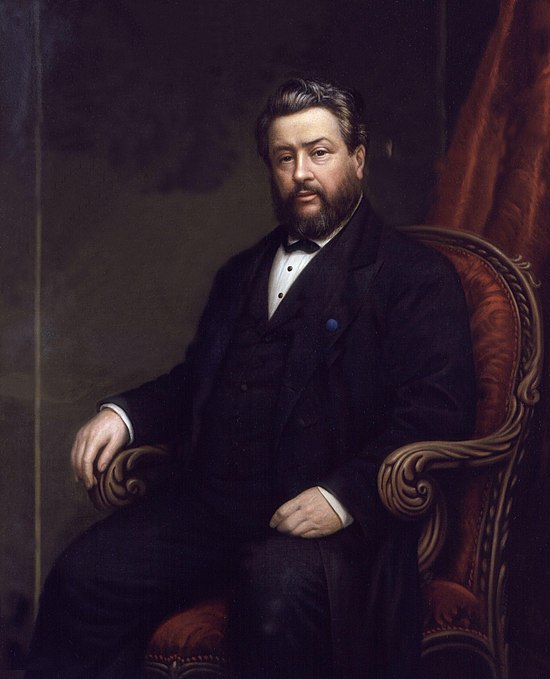
Charles Spurgeon

The worst sin--the most damning sin!

Luke 18:9-14; Titus 3:5
Charles Spurgeon January, 24 2026 Audio
0 Comments
We highly suggest that you READ the TEXT at the link below, as you listen to the audio above.

https://gracegems.org/2026/worst_sin.htm

Feel free to FORWARD this gem to others!

Self-righteousness is condemned as the worst and most damning sin in the sermon preached by C. H. Spurgeon, emphasizing its blasphemous nature as it equates oneself with God's holiness. Spurgeon argues that self-righteousness constitutes idolatry, where the individual places faith in their own works instead of God's grace, and it is also a form of profanity that contradicts God's proclamation that none are righteous. He uses Scripture references, including Luke 18:9-14, which illustrates the humility of the tax collector versus the pride of the Pharisee, and Titus 3:5, which stresses salvation through God's mercy rather than human merit. The practical significance of this message is profound, as it underscores the necessity of recognizing one's own sinfulness to truly receive the grace offered through the Gospel; without acknowledging their spiritual poverty, individuals remain excluded from the hope of salvation.

Key Quotes

“Self-righteousness is utter blasphemy. God is holy. Here comes this base imposter and boasts, and I am holy too.”

“Self-righteousness is idolatry, for the man who imagines himself to be righteous by his own works worships himself.”

“To such as are righteous in themselves, there is not a single syllable of promise in the entire gospel.”

“Heinous sins have damned their thousands, but self-righteousness has damned its tens of thousands.”

What does the Bible say about self-righteousness?

Self-righteousness is condemned in the Bible as a form of idolatry and blasphemy against God.

The Bible clearly denounces self-righteousness as one of the gravest sins. It is not merely a failure to acknowledge our sinfulness; it is a form of idolatry where one places oneself in the position of righteousness, denying the truth of God’s declaration that there is none righteous, no, not one (Romans 3:10). Self-righteousness calls God a liar by asserting personal holiness, which is an affront to the holiness of God. In claiming justification through works, the self-righteous effectively reject the grace offered in the Gospel and thereby condemn themselves, as they do not see their need for a Savior, which leads to their eternal damnation.

Romans 3:10, Titus 3:5

How do we know the concept of self-righteousness is true?

The truth of self-righteousness is established in Scripture and seen through its destructive impact on the soul.

Scripture provides a robust foundation for understanding self-righteousness. It exposes the peril of trusting in one's own works rather than in the grace of God for salvation. The gospel is only effective for those who recognize themselves as hopeless sinners and are in need of redemption. Self-righteousness not only deceives individuals about their nature but also hinders them from receiving salvation through faith in Christ. Through Biblical teaching, we learn that self-righteousness is a deadly sin that leads countless souls to eternal separation from God, proving its reality and danger.

Romans 3:10-12, Luke 18:9-14

Why is recognizing self-righteousness important for Christians?

Recognizing self-righteousness is crucial for Christians because it leads to true humility and reliance on God's grace.

For Christians, acknowledging self-righteousness is vital to avoid the trap of pride that leads to spiritual blindness. When one perceives themselves as righteous, they fail to see their need for Christ’s atoning sacrifice, rendering the Gospel impotent in their lives. True repentance arises from the recognition of our spiritual poverty and destitution; it is this sense of need that brings a person to Jesus for salvation. The understanding that we are utterly dependent on God's grace keeps us humble and allows us to fully embrace the mercy and love He extends to us through Jesus Christ, preventing spiritual stagnation and fostering growth in faith.

Luke 18:9-14, Romans 3:23

Sermon Transcript

Auto-generated transcript • May contain errors

100%
The worst sin, the most damning sin. By Charles Spurgeon.

Self-righteousness is the worst sin, the most damning sin. Self-righteousness is utter blasphemy. God is holy. Here comes this base imposter and boasts, and I am holy too. Is not that a ludicrous and contemptible form of blasphemy? The heavens are not pure in God's sight. He charges His angels with folly. And do you, who are defiled from head to foot with loathsome sin, dare to talk about righteousness? Righteousness, indeed! You are a mixture of dust and sin.

Self-righteousness is idolatry, for the man who imagines himself to be righteous by his own works worships himself. Practically the object of his adoration is his own dear, delectable, excellent self. All of his confidence is in himself. All of his boasting is in himself. What is this but idolatry in its worst form?

Self-righteousness is profanity, for it calls God a liar. The Lord declares there is none righteous. No, not one. To this divine assertion, the self-righteous man claims himself to be holy and virtually declares that God is a liar. Though God says that by the works of the law shall no man be justified, Yet this man says, by the works of the law, I shall be justified. And so he profanes the word of the Most High God.

The gospel regards all men as sinners and comes to them with pardon. It treats men as hopelessly lost in sin and comes to save them. If there is a man who is righteous in himself, then the gospel has nothing to say to him. Its medicines are not for those upon whom the sickness of sin has never come. It is not the healthy who need a doctor, but the sick. I have not come to call the righteous, but sinners. Jesus came to wash away sin's stains, not to flatter men into a notion of their righteousness. He came to heal the sick, not to applaud the vigorous. To such as are righteous in themselves, there is not a single syllable of promise in the entire gospel.

The world hates both Christ and Christians because they preach that all people are hell-deserving sinners in God's sight. Self-righteousness is most abominable in the sight of God. He is always provoked with pride and says, the proud in heart are an abomination to the Lord. I hate pride and arrogance. Moreover, self-righteousness also denies the wisdom of God's salvation and is utterly opposed to it. God's plan of salvation is based on the fact that we are guilty sinners. And being guilty, he provides a sin-atoning savior to save sinners. But his whole system of salvation is a gigantic blunder if we are or can be righteous in and of ourselves. The man who says, I am righteous, virtually casts a slur upon a work which is meant to be the highest display of God's love and wisdom.

Self-righteousness most effectually bars a man from all hope of salvation. Soul poverty and spiritual destitution alone bring a man to Jesus to be saved. The self-righteous man never repents. Why should he if he has never sinned? Those who never trust in Jesus for salvation are always self-righteous, hence they see no need for a Savior. Jesus brings the water of life to the self-righteous man, but he is not thirsty. Jesus brings the bread of life to him, but he is not hungry. Jesus offers a spotless robe of righteousness to him, but he has no need for it. Jesus offers to enrich him, but he is already wealthy. Jesus offers to pardon him, but he is not guilty. What does the self-righteous man need from Jesus? Nothing at all. And he will get nothing from Jesus but the damnation which he justly deserves.

Yet in the heights and depths of the dying love of Jesus, the true Christian reads the heights and depths of his accursed sin. In the infinity of the sin-atoning sacrifice of Jesus, he reads the boundless blackness of his guilt, and unwilling even to lift up his eyes to heaven, beats his bosom and says, God, have mercy on me, a sinner.

Heinous sins have damned their thousands, but self-righteousness has damned its tens of thousands.
Charles Spurgeon
About Charles Spurgeon
Charles Haddon Spurgeon (19 June 1834 — 31 January 1892) was an English Particular Baptist preacher. His nickname is the "Prince of Preachers."
Broadcaster:

Comments

0 / 2000 characters
Comments are moderated before appearing.

Be the first to comment!

Joshua

Joshua

Shall we play a game? Ask me about articles, sermons, or theology from our library. I can also help you navigate the site.