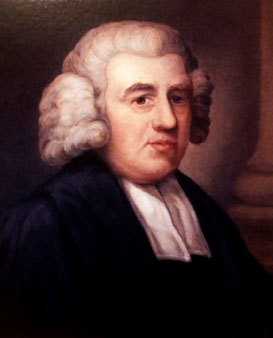
In the sermon titled "True Patriotism," John Newton addresses the theological concept of the believer's identity as citizens of a heavenly kingdom, emphasizing the futility of political involvement compared to the proclamation of the gospel. Central to his arguments is the assertion that Jesus' kingdom is not of this world, as underscored by references such as John 18:36, where Christ indicates that His servitude does not engage in worldly disputes. Newton argues that true patriotism is found in spiritual engagement through prayer and the proclamation of sin as the root of societal issues, rather than seeking political reforms. He references Colossians 1:13-14 to highlight the believer's deliverance from darkness and their citizenship in God's eternal kingdom. The practical significance of this teaching is a call for Christians to prioritize spiritual matters over transient political concerns, reinforcing their role as strangers and pilgrims on earth.
“True patriotism... is to sigh and cry for our abounding abominations and to stand in the breach by prayer that God's wrath may yet be averted.”
“My kingdom is not of this world... If my kingdom were of this world, my servants would fight.”
“Those are to be greatly pitied who boast of their liberty, yet they do not consider that they are in the most deplorable bondage as the slaves of sin and Satan.”
“If I had the wisdom or influence to soothe the angry passions of mankind, I would greatly employ them. But I am a stranger and a pilgrim here in this world.”
Auto-generated transcript • May contain errors
Comments
Your comment has been submitted and is awaiting moderation. Once approved, it will appear on this page.
Be the first to comment!