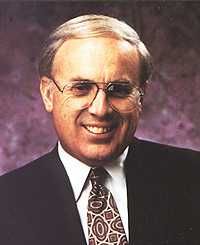
Pastor John MacArthur addresses the theological topic of discernment within the context of church leadership and cultural engagement during a Q&A session. Key points include the responsibility of church members to address unbiblical teachings in their congregations and the importance of maintaining the integrity of the gospel message in all discussions, including those about cultural and political matters. He references Proverbs 1 and Romans 12 to emphasize the necessity of godly wisdom and the renewal of the mind in discerning truth from error. The practical significance lies in equipping Christians to engage with the world faithfully while avoiding the pitfalls of over-identifying with political movements or cultural trends, thereby preserving the church’s mission to proclaim the gospel above all.
“If one holds on to Jesus Christ as Lord and Savior, however is gay, will he enter the kingdom of heaven knowing that we are all sinners saved by grace? Well, I don't know if it's for me, but no one is gay.”
“We can't turn the mission field into the enemy. We expect those people to behave the way they behave and believe what they believe.”
“The church has to remain the church and has to preach the gospel, not become a political platform for one opinion over against another.”
“It isn't just the idea that you try to figure out something for the day. You fill the day with worship. You fill the day with instruction from Scripture.”
The Bible teaches that repentance involves turning from sin and turning towards God in faith.
Luke 18:13, 1 Thessalonians 1:9
Faith alone is affirmed throughout Scripture as the sole means of salvation, as exemplified in Abraham's belief.
Romans 4:3, Ephesians 2:8-9
Church membership provides accountability, community, and the means of grace essential for spiritual growth.
Hebrews 10:24-25, 1 Corinthians 12:12-27
Auto-generated transcript • May contain errors

Comments
Your comment has been submitted and is awaiting moderation. Once approved, it will appear on this page.
Be the first to comment!