Bootstrap
J.R. Miller

The thoughts make the face

Philippians 4:8; Revelation 1:16
J.R. Miller • February, 25 2016 • Audio
0 Comments
Choice Puritan Devotional!

The sermon "The Thoughts Make the Face" by J. R. Miller addresses the theological concept of the connection between one's inner life and outward appearance, particularly in relation to Christ's purity and beauty. Miller argues that our thoughts, shaped by either virtue or vice, inevitably translate into our countenance, establishing a direct correlation between spirituality and physical expression as seen in Jesus. He supports his argument using Philippians 4:8, which urges believers to meditate on the good, and Revelation 1:16, which describes the beauty of Christ's appearance as emblematic of His divine nature. The significance of this sermon lies in its implication that believers, like Christ, are called to cultivate a heart of beauty and holiness through their thoughts, affecting not only their spiritual lives but also their impact on the world around them.

Key Quotes

“The thoughts make the face... we cannot altogether hide our inner life from men's eyes.”

“Beautiful thoughts make a beautiful soul, and a beautiful soul makes a beautiful face.”

“His mind was never disturbed by discontent, by impurity, by anxiety.”

“Sorrow, sweetly endured, transfigures the face, giving it new beauty.”

What does the Bible say about the importance of thoughts?

The Bible teaches that our thoughts significantly influence our character and actions, as indicated in Philippians 4:8.

Scripture emphasizes that our thoughts shape who we are and how we relate to others. In Philippians 4:8, we are urged to meditate on things that are true, noble, and pure, highlighting the impact of our mental focus on our outward behavior and demeanor. Jesus exemplified this perfectly, as His thoughts were consistently aligned with holiness, love, and truth, demonstrating that beautiful thoughts lead to a beautiful soul and face.

Furthermore, the idea that our internal life cannot be hidden is crucial—what we harbor in our hearts inevitably surfaces in our expressions and interactions. Therefore, cultivating a life of godly thoughts not only enriches our souls but also transforms our physical countenance, making us more reflective of Christ’s beauty. This interplay between inner thought and outward appearance illustrated by Jesus encourages Christians to pursue holiness in their minds as a pathway to a godly life.

Philippians 4:8, Revelation 1:16

How do we know that Jesus had beautiful thoughts?

We know Jesus had beautiful thoughts because He exemplified all virtues of the fruit of the Spirit, lived in perfect holiness, and conveyed love in all His actions.

The certainty of Jesus' beautiful thoughts is supported by the complete absence of sin or imperfection in His character. He consistently exhibited virtues aligned with the fruit of the Spirit, including love, joy, peace, and goodness. Scripture reveals that 'He never had a sordid thought, an impure thought, a trivial thought, a selfish thought,' showcasing the purity of His mind.

Additionally, Jesus’ thoughts were always in communion with His Father, reflecting deep love and compassion for those around Him. His physical face, marked by a transcendent beauty, was the outward expression of His inner purity and divine thoughts. By reflecting on His life and teachings, as well as how He engaged with the world, we understand that His mind was the epitome of what Philippians 4:8 calls believers to meditate upon, affirming that His thoughts were indeed beautiful and rooted in divine truth.

Philippians 4:8, Revelation 1:16

Why is it important for Christians to think good thoughts?

Thinking good thoughts is essential for Christians because it shapes their character and reflects the love of Christ to others.

For Christians, the importance of thinking good thoughts lies in the profound truth that our inner lives directly influence our outward expressions. As indicated in Philippians 4:8, focusing on what is true, noble, and pure affects our interactions and relationships. When we cultivate a mindset aligned with these virtues, we not only enhance our own spiritual growth but also become impactful witnesses to Christ’s love and grace in a world that often fosters negativity and despair.

Moreover, good thoughts lead to actions that are pleasing to God, which aligns with the call for believers to embody Christ’s character. Just as Jesus’ inner beauty transformed His outward appearance and interactions, so can our alignment with godly thoughts shed light on our lives and lives of those around us. This transformative process is essential for personal sanctification and fulfilling the Great Commission, making thinking good thoughts a crucial practice for every Christian.

Philippians 4:8

Sermon Transcript

Auto-generated transcript • May contain errors

100%
The Thoughts Make the Face by
J. R. Miller from The Face of the
Master His face was like the sun, shining in all its brilliance. Revelation chapter 1 verse 16.
We have no picture of Jesus Christ. The paintings of him which artists
have given us are only their conceptions of his appearance.
None of these paintings, however noble and worthy they may be,
are to be thought of as true portraits of the Master's face. yet the face of Jesus Christ
must have been very beautiful it is sin that disfigures the
human countenance and there was no sin in him his life was spotless
and pure they tell us that the thoughts make the face We cannot
altogether hide our inner life from men's eyes. What goes on
in the depths of our being comes up to the surface in unmistakable
indications and revealings. The faulty qualities of the heart
work out in the life and betray themselves in the face. If you
are discontented, then the discontent will reveal itself in your features. If you have bitter thoughts and
feelings in your heart, then the bitterness will write its
hard lines on your countenance. But if you habitually think gentle
thoughts, kindly thoughts, peaceful thoughts, then on your face will
come gentleness, kindness and peace. If you keep love in your
heart amid all your afflictions and trials, all the irritations
and harrowings of life, then your face will shine with love. There is much truth in the familiar
lines, beautiful thoughts make a beautiful soul, and a beautiful
soul makes a beautiful face. We know that all the thoughts
of the Master were beautiful thoughts. Heaven dwelt in Him,
and there was never any fleck of stain upon His soul. In a
world of hate, cruelty, and injustice, His heart was always full of
love. Never was there an unkind thought there for a moment. Infinite
holiness dwelt in him. All the Beatitudes had their
home in his bosom. All the fruits of the Spirit
grew to perfect ripeness in him. whatever things are true whatever
things are noble whatever things are just whatever things are
pure whatever things are lovely whatever things are commendable
if there is any virtue and if there is anything praiseworthy
meditate on these things Philippians chapter 4 verse 8 these are the
things on which Jesus thought continually He never had a sordid
thought, an impure thought, a trivial thought, a selfish thought. His
mind was never disturbed by discontent, by impurity, by anxiety. His converse was always with
his father. the walking on the earth among
sinful men, he really lived in heaven. All his feelings, desires,
affections and emotions were holy. He always did those things
that were pleasing to his father. If beautiful thoughts make a
beautiful soul, then the soul of Jesus was spotlessly, divinely
beautiful. And if a beautiful soul makes
a beautiful face, then the face of Jesus was transcendentally
lovely. Sorrow mars some faces. It need
not do so. Only when affliction is not accepted
in love and faith does it leave marks of disfigurement. Sorrow,
sweetly endured, transfigures the face, giving it new beauty. Jesus was a man of sorrows, but
his sorrows only made his face more radiant. Poverty writes
hard lines on some faces. Jesus was poor. He had nowhere
to lay his head. But his poverty left no trace
on his features except to make them gentler, kindlier, more
sympathetic toward human poverty and need. His face was quiet,
calm, serene, heavenly. you
J.R. Miller
About J.R. Miller
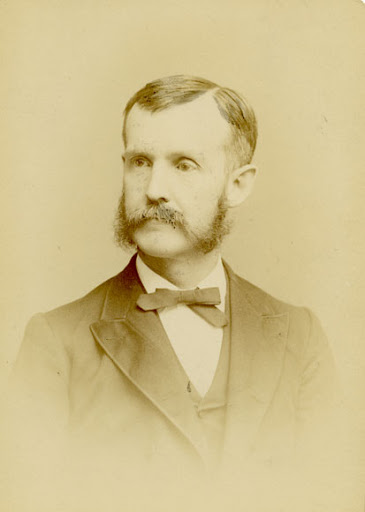
James Russell Miller (20 March 1840 — 2 July 1912) was a popular Christian author, Editorial Superintendent of the Presbyterian Board of Publication, and pastor of several churches in Pennsylvania and Illinois.
Broadcaster:

Comments

0 / 2000 characters
Comments are moderated before appearing.

Be the first to comment!